
South African Rand Edges Up Before Local Budget Vote
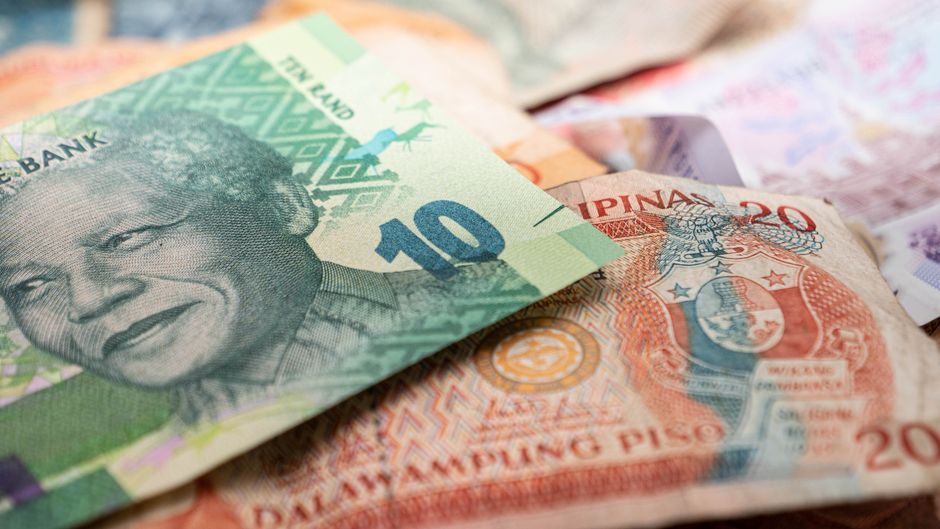
South African Rand Edges Up Ahead of Crucial Local Budget Vote
The South African Rand has demonstrated a modest upward trajectory in the run-up to a pivotal local budget vote, a development that analysts attribute to a confluence of factors including anticipated fiscal prudence, a degree of global market recalibration, and a strategic positioning ahead of key domestic economic announcements. This nuanced strengthening of the Rand, while not a dramatic surge, signals a cautious optimism within the market regarding the government’s fiscal management and its potential impact on the broader economic landscape. The upcoming local budget vote, a critical juncture for assessing municipal financial health and forward-looking spending plans, holds significant sway over investor sentiment and, consequently, the currency’s performance. Investors are scrutinizing these budget allocations for indicators of efficiency, debt management, and investment in essential services and infrastructure, all of which have direct implications for economic growth and stability. The Rand’s sensitivity to such domestic policy decisions underscores its role as a barometer of South Africa’s economic health and its attractiveness to foreign investment.
The local budget vote, specifically concerning the financial allocations and spending priorities of various municipalities, represents a granular yet impactful assessment of fiscal discipline at the sub-national level. For the Rand, a positive outcome – characterized by responsible budgeting, clear revenue-generation strategies, and effective expenditure – can translate into enhanced investor confidence. This confidence stems from the perception that municipal governments are capable of managing their finances sustainably, reducing the likelihood of bailouts or fiscal distress that could strain national finances. A robust local fiscal framework contributes to a more stable macroeconomic environment, which is a prerequisite for attracting and retaining foreign direct investment (FDI) and portfolio flows. Conversely, indications of profligate spending, unsustainable debt accumulation, or a lack of transparency in municipal budgets can trigger investor apprehension, leading to capital outflows and a weakening of the Rand. Therefore, the market’s current positioning, with the Rand edging up, suggests a prevailing sentiment that the upcoming budget votes will likely reflect a commitment to fiscal responsibility, or at least a willingness to address existing fiscal challenges.
Global market dynamics also play a crucial, albeit often indirect, role in the Rand’s performance. In the preceding days and weeks, a broader trend of risk aversion on global markets, perhaps driven by geopolitical uncertainties or concerns about inflation in major economies, has seen investors seek out perceived safe-haven assets. However, a recent recalibration of these global risk sentiments, with a marginal uptick in risk appetite, has allowed emerging market currencies, including the Rand, to benefit from a renewed flow of capital. This shift is not solely attributable to South African domestic factors but reflects a global appetite for yield and a degree of profit-taking in traditionally safe assets. The Rand’s ability to capitalize on this global sentiment shift, even modestly, indicates its interconnectedness with international financial markets and its responsiveness to broader macroeconomic trends. Any significant global shock or a sudden resurgence of risk aversion could quickly reverse this upward momentum, highlighting the dual influence of domestic policy and international market conditions on the Rand’s value.
Furthermore, the anticipation surrounding the local budget vote can also create opportunities for currency speculation and strategic positioning by market participants. Ahead of such a significant event, traders and investors will adjust their holdings based on their expectations of the outcome and its likely impact on the currency. If the consensus is that the budgets will be fiscally sound, there might be an increase in demand for the Rand as investors position themselves to benefit from its potential appreciation. This anticipatory buying can, in itself, contribute to the Rand’s upward movement. Conversely, if expectations lean towards fiscal challenges, then a selling pressure on the Rand could emerge, even before the official announcements are made. The current upward trend, therefore, could be partly a reflection of these pre-emptive market adjustments, driven by informed analysis and expectations of the fiscal landscape ahead.
The specific components within the local budget votes that are of particular interest to currency markets include municipal debt levels, capital expenditure plans, and the projected operating expenditure versus revenue. High levels of municipal debt, particularly if it is denominated in foreign currency, can expose the Rand to exchange rate risk and increase the sovereign’s contingent liabilities. Conversely, well-structured capital expenditure on infrastructure projects, such as roads, water, and sanitation, can be viewed positively as they have the potential to boost long-term economic growth and improve the efficiency of service delivery, thereby enhancing the investment climate. The sustainability of municipal revenue streams, including property rates and service charges, is also a key consideration. Weak revenue collection and reliance on transfers from the national government can signal underlying fiscal vulnerabilities.
The South African Reserve Bank (SARB) also plays a pivotal role in shaping the macroeconomic environment, and its monetary policy decisions, including interest rate adjustments, have a direct bearing on the Rand. While the focus is currently on the local budget vote, any hints or signals regarding future monetary policy can also influence currency movements. A hawkish stance from the SARB, signaling potential interest rate hikes to combat inflation, could make South African assets more attractive to foreign investors, leading to an appreciation of the Rand. Conversely, a dovish stance might exert downward pressure. The interplay between fiscal policy, as embodied in the budget votes, and monetary policy creates a complex environment for currency valuation.
The political stability and governance effectiveness at the municipal level are also inextricably linked to the Rand’s performance. Instances of corruption, mismanagement, or political infighting within municipalities can deter investment and create an environment of uncertainty, negatively impacting the Rand. Therefore, the clarity and transparency of the budget process, along with the accountability of municipal officials, are crucial factors that the market will be assessing. A perception of strong governance and effective leadership at the local level can bolster investor confidence and contribute to a more stable Rand.
Looking beyond the immediate impact of the budget vote, the longer-term implications for the Rand will depend on the execution of the proposed fiscal plans. Sound financial management, efficient service delivery, and a commitment to economic growth will be paramount in sustaining any positive currency momentum. The Rand’s trajectory will also be influenced by South Africa’s ability to attract and retain foreign investment, which is contingent upon a favorable business environment, competitive interest rates, and stable macroeconomic policies. The upcoming local budget vote, therefore, is not an isolated event but rather a significant checkpoint in a broader narrative of fiscal management and economic development that will continue to shape the Rand’s value.
The current edging up of the Rand can be interpreted as a market’s preemptive assessment of the fiscal landscape. It suggests that investors, armed with prior economic data, political commentary, and market intelligence, are anticipating a relatively favorable outcome from the municipal budget votes. This optimism, however, is likely to be tempered by a degree of caution, given the historical challenges faced by some municipalities in terms of financial management and service delivery. The true test of the Rand’s strength will lie in the substance of the budget proposals and, more importantly, in the actual implementation and adherence to these fiscal plans. Any divergence between projected outcomes and actual results could lead to a reversal of the current positive trend.
The global economic environment remains a significant variable. Should global economic conditions deteriorate rapidly, leading to a flight to safety by investors, the Rand, as an emerging market currency, could experience significant depreciation regardless of the domestic budget outcomes. Conversely, a sustained period of global economic stability and growth, coupled with sound domestic fiscal policies, could provide a more robust foundation for Rand appreciation. The interplay of these domestic and international forces will dictate the Rand’s longer-term trajectory, with the upcoming local budget vote serving as a critical, short-term catalyst. Investors will be keenly observing not only the figures presented but also the underlying fiscal strategies and the demonstrated commitment to responsible financial stewardship at the municipal level, as these factors will be instrumental in shaping the future value of the South African Rand. The cautious optimism reflected in the Rand’s upward movement underscores the market’s desire for fiscal prudence and its sensitivity to indications of improved economic governance, making the upcoming local budget vote a keenly watched event with the potential to significantly influence the currency’s performance.
