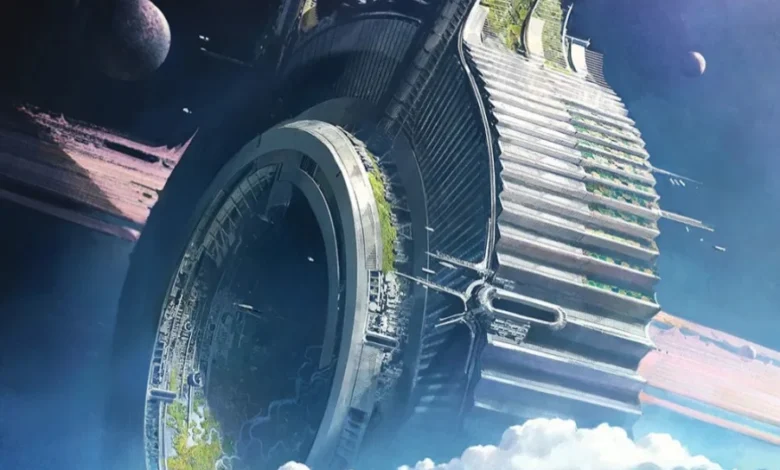
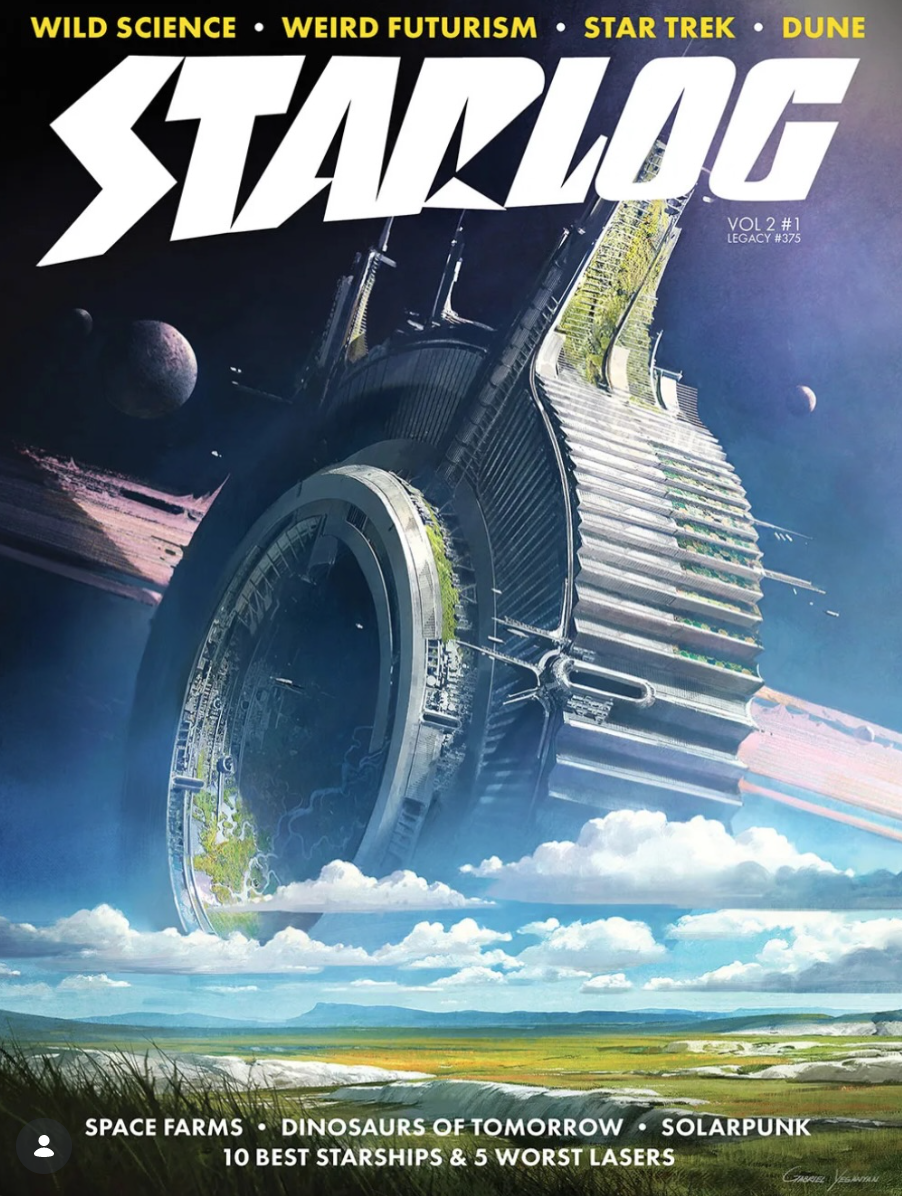
The landscape of science fiction journalism is undergoing a significant shift as Starlog, a publication once considered the definitive voice of the genre, officially returns to print. After a 17-year hiatus that followed its original closure in 2009, the magazine is set to resume operations on November 13, 2026. This relaunch, managed by Fangoria Holdings under the editorial guidance of io9 co-founder Annalee Newitz, signals a broader cultural trend: a resurgence of interest in physical media as a counterpoint to pervasive digital saturation. The publication will transition to an annual print format, with the inaugural post-hiatus release designated as Issue 375, maintaining continuity with the magazine’s original numbering system.
A Legacy of Science Fiction Journalism
Founded in 1976 by Norman Jacobs and Kerry O’Quinn, Starlog arrived at a pivotal moment in popular culture. It debuted exactly one year before the premiere of George Lucas’s Star Wars, effectively positioning itself at the vanguard of the modern "geek culture" movement. During its initial three-decade tenure, the magazine served as a vital bridge between fans and the burgeoning industry of speculative fiction.
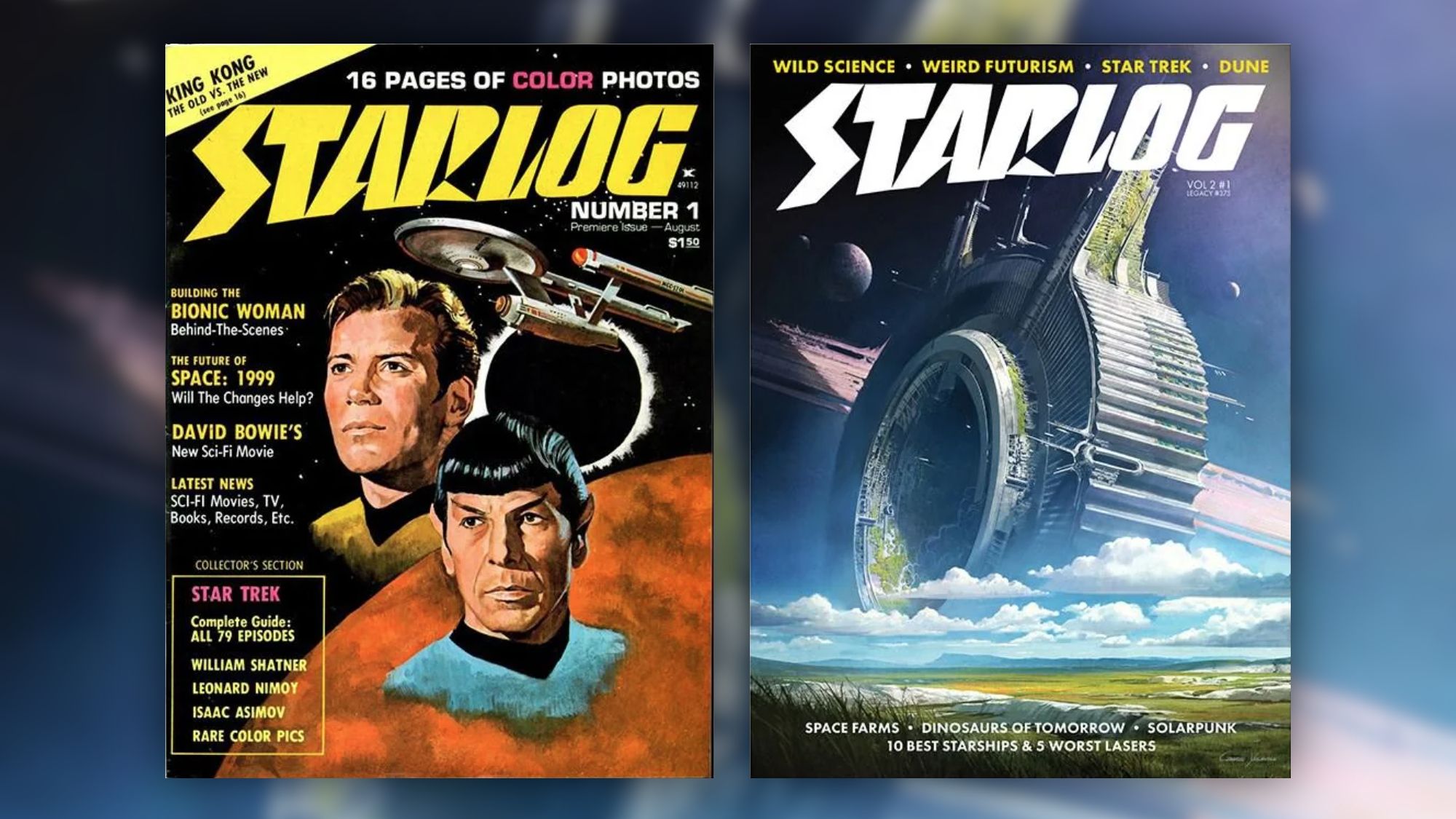
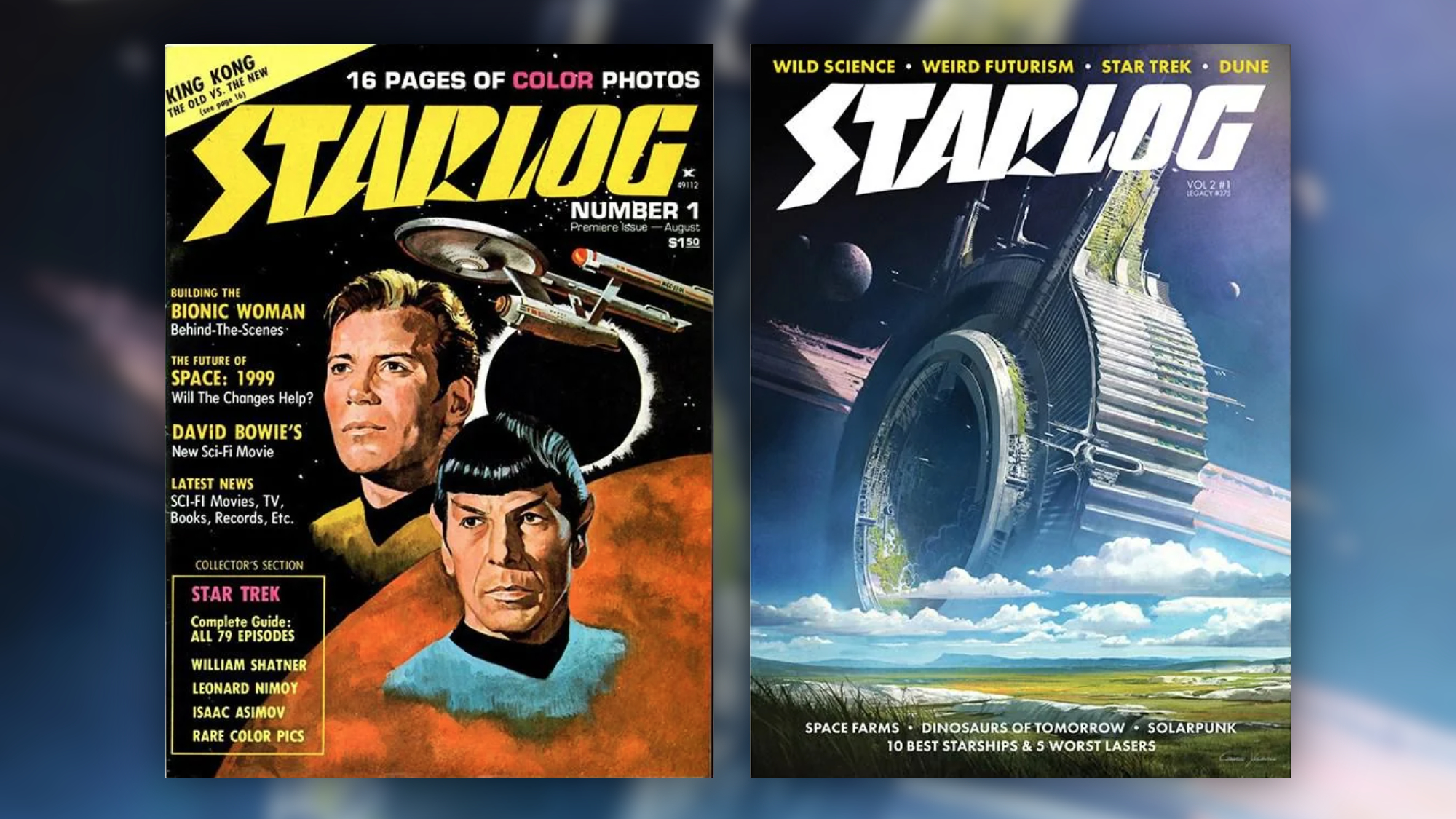
The publication’s early editorial strategy was instrumental in legitimizing science fiction as a serious subject of critical inquiry. Its first issue featured iconic cover art by Jack Thurston, depicting William Shatner and Leonard Nimoy in their roles as Captain Kirk and Spock. This aesthetic choice established a precedent for the magazine’s high-production-value visuals, which included behind-the-scenes photographs, exclusive set reports, and detailed technical analyses of visual effects (VFX) work that were otherwise unavailable to the general public in an era before high-speed internet.
Chronology of a Cultural Icon
The history of Starlog can be categorized into three distinct phases: the establishment era, the golden age of expansion, and the digital decline.
- The Foundation (1976–1980): Starlog provided the primary documentation for the production of films that would define the genre for decades. By covering the manufacturing of props, the logistics of production, and the creative visions of directors like Gene Roddenberry and George Lucas, the magazine fostered a global community of enthusiasts.
- Expansion and Diversification (1981–2000): During this period, the magazine expanded its scope to include fantasy literature, comic books, and emerging television franchises. It became a clearinghouse for "con" news, industry interviews, and speculative technology features.
- The Digital Transition and Closure (2001–2009): The proliferation of web-based news sites and the shift in advertising revenue models toward digital platforms created significant headwinds for niche print media. By 2009, declining subscription numbers and rising distribution costs forced the magazine to cease physical production, leaving a void that was eventually filled by a fragmented landscape of blogs and social media feeds.
Data-Driven Revival
The decision to bring back Starlog as an annual print volume is supported by a growing body of consumer behavior data. Market analysis within the publishing sector suggests that "digital fatigue"—the psychological phenomenon where consumers seek tactile, offline experiences after prolonged exposure to screen-based content—has led to a revival in high-quality print journals.
According to recent industry reports, niche, high-production-value magazines that offer long-form journalism and archival-quality photography have seen a stabilization in readership compared to mass-market newspapers. By choosing an annual cadence rather than a monthly one, Fangoria Holdings is positioning the magazine as a "collector’s item" or a "coffee table publication," which aligns with current trends in the boutique publishing industry.
Official Perspectives on the Relaunch
The acquisition of the Starlog brand by Fangoria Holdings is seen as a strategic move to leverage the archival value of the magazine while updating its relevance for a modern audience. Tara Ansley, a representative of Fangoria, emphasized that the magazine’s return is not merely an act of nostalgia but a necessity for the current era.
"During its original 33-year run, Starlog documented science fiction as it evolved across film, television, books, technology, and culture," Ansley stated. "Fifty years after the magazine first launched, the line between science fiction and the real world has become increasingly difficult to separate. That makes this an especially interesting time to bring Starlog back. Technology may change, but the most compelling questions have always been about people: how we live, what we create, and what kind of future we want to build."
By tasking Annalee Newitz—a journalist with a profound understanding of both the history of science fiction and the current digital landscape—with the role of editor-in-chief, the publishers are signaling an intent to maintain the magazine’s intellectual rigor while acknowledging contemporary social and technological themes.
Implications for the Sci-Fi Industry
The return of a print-based authority on science fiction has several implications for the broader entertainment ecosystem:
- Curated Content vs. Algorithmic Feeds: In an era where news is often delivered via algorithmic recommendations, a curated print magazine provides a centralized, vetted, and high-quality perspective on the genre. This allows for a deeper dive into the craft of filmmaking rather than the ephemeral "click-bait" cycle of digital entertainment news.
- The Preservation of Media History: Starlog’s archives are historically significant. By reviving the brand, the publishers are likely to invest in the preservation of the magazine’s legacy, which includes thousands of interviews and photographs that form a primary source record of the development of modern science fiction cinema.
- A Hybrid Business Model: The relaunch serves as a test case for whether heritage media brands can survive by moving from a high-frequency, low-cost model to a low-frequency, high-value model. If the annual print edition of Starlog succeeds, it could serve as a template for other shuttered publications looking to monetize their intellectual property in a way that respects their past while accommodating modern economic realities.
The Future of the Brand
As of November 2026, the pre-order window for Issue 375 is open, with early responses from the community indicating strong interest. The issue features cover art by the Armenian artist Gabriel Yeganyan, a stylistic nod to the magazine’s long-standing tradition of employing painters and illustrators to capture the essence of the genre.
The return of Starlog provides a unique opportunity for both legacy fans and younger readers who have only engaged with the genre through digital mediums to participate in a shared, physical experience. As the magazine approaches its half-century mark, its mission remains fundamentally unchanged: to document the intersection of human imagination and the technological frontier. Whether this resurgence marks the beginning of a sustained revival for niche print media remains to be seen, but for now, the publication is once again a relevant, tactile participant in the global conversation about the future.
The publication’s return is not just an acknowledgment of its 50-year history; it is a statement that in a world of fleeting digital updates, there is still significant demand for permanent, thoughtfully curated, and aesthetically preserved journalism. As the industry moves forward, Starlog stands as a reminder that the best way to prepare for the future is often to look back at the visionaries who helped define it.
Related posts: