Sweat, Screams, and Soundtracks: How Horror-Themed Fitness Studios are Reinventing Alternative Gym Culture

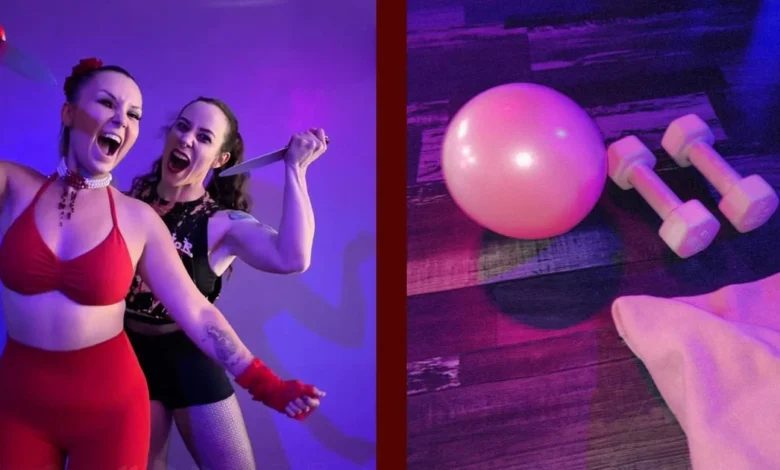
The modern fitness landscape has long been dominated by minimalist aesthetics, high-tech biometric tracking, and industrial chic interiors designed to optimize physical performance through clinical precision. However, a growing subculture of alternative fitness studios is challenging this paradigm by merging cardiovascular conditioning with immersive pop culture themes. Among the most prominent examples of this niche movement is Killer Fitness, an Los Angeles-based workout studio that has captured national attention by replacing traditional gym tropes with ’80s horror nostalgia, theatrical set designs, and tongue-in-cheek cinematic props.
While conventional gyms often grapple with member intimidation and monotony, alternative concept studios leverage experiential branding to lower the psychological barriers to entry. By transforming standard aerobic routines, high-intensity interval training (HIIT), and barre classes into cinematic roleplay experiences, these spaces offer a compelling case study in how entertainment and physical culture can intersect to combat fitness burnout.
The Genesis of Cinematic Fitness
The concept of thematic fitness is not entirely unprecedented—aerobics classes have long utilized synchronized music and theatrical lighting to elevate the workout experience. However, the integration of specific cinematic subcultures, particularly horror and camp, represents a distinct evolution in boutique fitness programming. Killer Fitness was co-founded by Vanessa Decker and filmmaker Ama Lea, whose background in the horror genre heavily influenced the studio’s aesthetic and operational philosophy.
The enterprise originated in part from the creative energies of its founders, who previously explored the intersection of retro aerobics and slasher tropes in a short film titled Slashercise. Recognizing an appetite for unconventional fitness experiences—particularly among demographics alienated by traditional gym cultures—the creators transitioned the cinematic concept into a physical brick-and-mortar reality.
Today, the studio offers a rotating roster of approximately 12 distinct modalities. These range from strength-focused sessions like "Scary Strong Sculpt" to cardiovascular and shadowboxing hybrids such as "Fight Like a Final Girl." The physical environment itself is carefully curated to reinforce the theme, featuring elements such as giant skeleton busts, blood-spattered lockers, and neon-infused lighting reminiscent of vintage video rental stores and classic midnight movies.
An Analysis of the Programming and Physical Demands
To evaluate the legitimacy of alternative fitness studios, industry observers often question whether thematic novelties compromise the physiological efficacy of the workout. Empirical observations and wearable technology data from participants suggest that these classes deliver substantial physical conditioning despite their playful presentation.
The studio’s flagship offering, Slashercise, functions primarily as a low-impact retro aerobics class. Participants utilize light resistance props—most notably custom pink plastic chainsaws with functional moving parts—while performing rhythmic punches, squats, and dance movements synchronized to classic horror film scores. Biometric data captured during these sessions indicates that despite the comedic and theatrical nature of the props, the cardiovascular demand is significant. Wearable heart rate monitors worn by participants frequently record average heart rates corresponding to Zone 2 cardio thresholds, confirming that the class provides a legitimate aerobic stimulus suitable for baseline endurance training.
In contrast, the "Killer Bootcamp" class, led by instructor Dawn North, represents the high-intensity end of the studio’s spectrum. Structured as a 10-station HIIT circuit, the class incorporates conventional compound movements such as weighted split squats, deadlifts, plank holds, and sprints. The horror integration is maintained through props like weighted popcorn buckets and fake landlines, alongside costumed instruction, but the physiological load is uncompromising. The integration of high-intensity intervals within a gamified or themed environment has been shown in behavioral sports science to help participants push through perceived exertion barriers by distracting the mind from physical discomfort.
Rounding out the schedule are modalities like "Barre to the Bone" and "Terrortwist Dance Aerobics." The former adapts classical ballet conditioning—utilizing tendus, relevés, and targeted upper-body dumbbell work—into a beginner-friendly format characterized by extended flexibility cool-downs. The latter functions as a horror-themed Zumba derivative, utilizing theatrical choreography set to eclectic musical arrangements, including tracks from The Rocky Horror Picture Show and mashups of pop and novelty songs.
Socio-Psychological Implications and Gym-Timidation
The rise of niche studios like Killer Fitness highlights a broader shift in consumer preferences within the wellness industry. A significant barrier to consistent physical activity is "gym-timidation"—a well-documented psychological phenomenon where individuals experience anxiety, self-consciousness, or fear of judgment in traditional weight rooms or fitness centers.
Traditional gym environments, often dominated by heavy iron, mirror-lined walls, and performance-driven subcultures, can alienate beginners or those seeking a non-competitive relationship with exercise. The intentional campiness and community-driven atmosphere of horror-themed fitness actively dismantle these barriers. By anchoring the workout in shared pop culture appreciation and playful theatricality, studios create a low-stakes environment that encourages participation from introverts, novices, and individuals who have historically struggled to maintain a consistent routine.
Furthermore, the timing of these concepts aligns with the growing commercialization of seasonal aesthetics. While Halloween and the "spooky season" have traditionally been confined to October, consumer demand for horror-adjacent entertainment has expanded year-round. Studios that capitalize on this enduring cultural fascination benefit from built-in marketing channels, particularly through short-form video platforms like TikTok and Instagram, where visually distinctive workouts naturally generate viral engagement.
Market Outlook and the Future of Boutique Fitness
As the boutique fitness sector continues to recover and evolve in the post-pandemic era, differentiation is critical for survival. While mega-chains continue to compete on price and scale, independent studios must offer unique value propositions to justify premium per-class pricing. Niche concepts that successfully marry rigorous physical programming with immersive entertainment are proving to be resilient business models.
The implications for the broader fitness industry suggest a continued blurring of the lines between recreation, entertainment, and physical training. As consumers increasingly prioritize mental well-being, stress relief, and enjoyment over purely quantitative fitness metrics—such as lifting heavier weights or burning maximal calories—workouts that foster a sense of community and play will likely secure a permanent market share.
For fitness enthusiasts suffering from routine fatigue, the success of horror-themed studios demonstrates that physical conditioning does not need to be sterile or punishing to be effective. By reframing exercise as an immersive performance rather than a clinical chore, alternative fitness spaces are redefining what it means to put in work—proving that sometimes, a little theatrical fright is all it takes to get people moving.