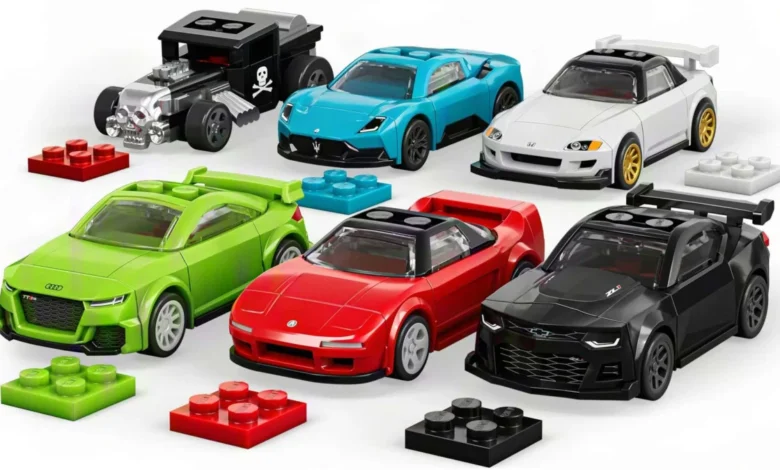
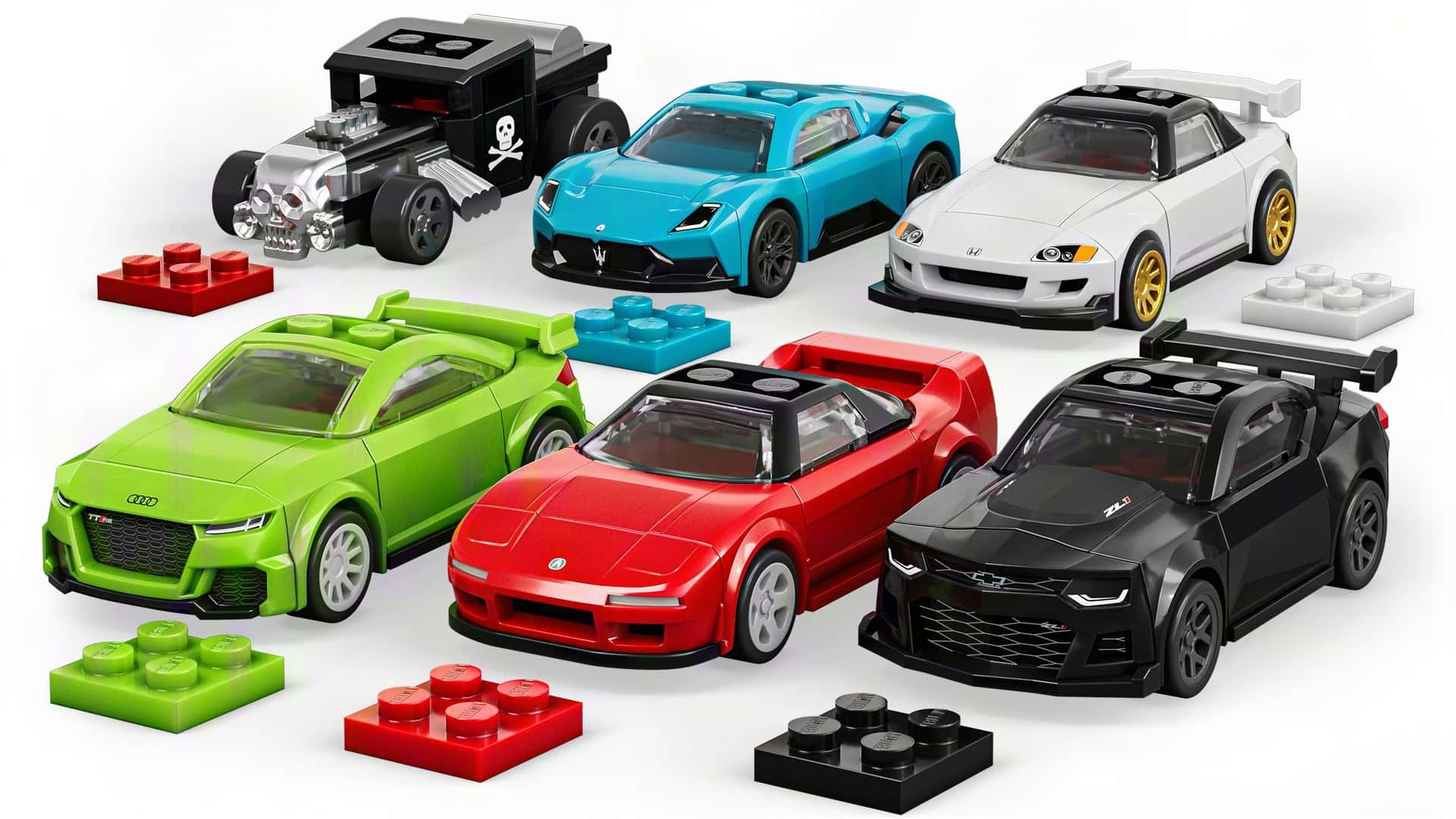
This new collection, which hits store shelves this January, represents a pivotal shift for the world’s most iconic toy car manufacturer. By transforming six familiar vehicle designs into 1:64 scale miniature building sets, Mattel is effectively bridging the gap between two distinct consumer demographics: the dedicated die-cast collector and the construction-toy enthusiast. Priced at an accessible entry point of $4.99, these kits offer a blend of traditional automotive aesthetics and the tactile satisfaction of DIY assembly, signaling a concerted effort by the toy giant to claim a larger share of the global construction-toy market.
A New Chapter in Miniature Engineering
The decision to adopt the 1:64 scale is not merely a design choice; it is a strategic alignment with the nearly 60-year legacy of the Hot Wheels brand. By maintaining the same scale that has defined the brand since its inception in 1968, Mattel ensures that the new Brick Shop models are immediately compatible with existing collections, dioramas, and track systems.
Each kit is designed with meticulous attention to detail, consisting of between 27 and 29 pieces. The complexity of the assembly has been calibrated to be approachable for children aged six and up, yet detailed enough to satisfy adult hobbyists. The lineup for the initial January launch features a diverse array of automotive history and modern performance, including the 2024 Chevrolet Camaro ZL1, the 2018 Audi TT RS, the futuristic Maserati MCPura, the legendary 1991 Acura NSX, the beloved 1999 Honda S2000, and the quintessential Hot Wheels original, the Bone Shaker.
While the primary construction material is resin-based plastic, the sets are not intended to be fragile display pieces. Mattel has engineered these models with functional, high-quality components, including metal base plates and rolling metal axles, paired with rubber-like tires. This ensures that the finished products retain the “playability” that has been the hallmark of Hot Wheels for decades, distinguishing them from the static nature of many standard building-block sets.
Strategic Timeline and Expansion
The introduction of the Racer Series is part of a multi-year roadmap for Mattel’s Brick Shop division. Having launched the broader Brick Shop range last year to offer larger, more complex automotive sets at 1:12, 1:16, and 1:32 scales, the company identified a gap in the market for a more granular, affordable, and collectible format.
According to the current product development schedule, the six-model launch in January is merely the foundation. Mattel has confirmed that the lineup will expand significantly over the next three years, with the goal of reaching 20 unique collectible vehicles by the end of 2027. This rapid-fire release strategy is designed to keep consumer interest high, creating a "collect-them-all" urgency similar to the brand’s traditional die-cast treasure hunts. While the specific names of the subsequent 14 vehicles have not yet been disclosed, industry analysts suggest that Mattel will likely pull from its extensive licensing library—which includes partnerships with major global manufacturers—to fill these slots with fan-favorite models.
Market Context and Competitive Dynamics
The global construction-toy market, currently valued in the tens of billions of dollars, has been dominated by the Danish conglomerate Lego for decades. Mattel’s entry into the space with the Brick Shop series is a direct challenge to this dominance. By leveraging the immense brand equity of Hot Wheels, Mattel is utilizing a competitive advantage that its rivals lack: an established, multi-generational emotional connection with the automotive world.
For the average consumer, the choice between a traditional die-cast car and a construction set has historically been a binary one. Mattel’s new series collapses this dichotomy. The $4.99 price point is particularly noteworthy, as it positions the product as an impulse-buy item rather than a high-commitment luxury purchase. This strategy mimics the "blind bag" or "single-carded" model that has sustained the Hot Wheels brand’s longevity, effectively lowering the barrier to entry for new customers who may be intimidated by the higher costs associated with large-scale brick sets.
Market analysts observe that this crossover approach is a calculated maneuver to capture the "kidult" demographic—adults who buy toys for themselves. Research into the toy industry shows that adults now account for a significant and growing portion of total toy sales, a trend that Mattel has been aggressively targeting with its Red Line Club (RLC) and premium collector lines. The Racer Series provides a new engagement point for these collectors, offering a "build-it-yourself" experience that adds a layer of personalization to their existing shelves.
Technical Specifications and Design Philosophy
The engineering team behind the Racer Series had to overcome significant hurdles to maintain the silhouette of real-world vehicles at such a small scale. Using 29 pieces—the standard for the more complex models like the Acura NSX or the Camaro—requires a high degree of precision in mold design. The smooth resin bricks must click together with enough friction to remain stable during play, but with enough tolerance to avoid stressing the plastic.
The inclusion of the Bone Shaker in the initial wave is a symbolic nod to the brand’s identity. As the most recognizable Hot Wheels custom design, the Bone Shaker acts as a bridge, reassuring long-time brand loyalists that the move into construction sets does not dilute the "hot rod" spirit that the company has cultivated. The variations in piece count—ranging from 27 for the Maserati to 29 for the performance-oriented Japanese and American vehicles—reflect the complexity of the body styling, with the engineers prioritizing the preservation of iconic design cues over a standardized part count.
Broader Implications for the Hobbyist Community
The implications of this move extend beyond simple unit sales. By entering the building-block space, Mattel is positioning itself to influence the hobbyist community on a structural level. Customizers who typically use die-cast cars for modifications now have a new medium to work with. Because these models are modular, there is significant potential for "kit-bashing"—a practice where builders combine parts from different sets to create unique, custom vehicles.
This potential for customization aligns with current trends in the automotive enthusiast community, where personalization is a primary driver of interest. Mattel’s internal data suggests that the crossover between die-cast collectors and brick-building fans is already substantial; by formalizing this intersection, the company is creating a self-sustaining ecosystem of products.
Furthermore, the logistical success of this product line could set a precedent for future licensing agreements. If the 1:64 scale brick models prove successful, it may encourage other manufacturers—who have previously been hesitant to allow their vehicles to be "deconstructed"—to grant licensing rights for similar products. The ability to build an officially licensed, accurately detailed car for less than the cost of a standard lunch is a compelling value proposition that could shift consumer spending away from traditional plastic models and toward Mattel’s modular ecosystem.
Looking Toward 2027 and Beyond
As the industry looks toward the end of 2027, the success of the Brick Shop Racer Series will likely be measured by the rate of adoption among younger collectors and the retention rate of adult enthusiasts. Mattel has stated that the expansion of the line will be informed by consumer feedback, suggesting that the company is listening closely to the desires of the collector community regarding which marques and models should receive the "brick treatment" next.
There is also the question of future accessory sets. While currently focused on individual vehicles, the infrastructure is in place for Mattel to introduce "Brick Shop" play-sets, garages, or track components that are specifically designed for these building-block cars. Such an expansion would further solidify the brand’s presence in the construction-toy market, providing a comprehensive play experience that extends far beyond the initial assembly.
In conclusion, the launch of the Brick Shop Racer Series is more than just a new product line; it is a fundamental evolution of the Hot Wheels brand identity. By synthesizing the core values of accessibility, variety, and automotive passion with the structural creativity of the construction-toy genre, Mattel is positioning itself to lead a new segment of the market. Whether these models will eventually rival the longevity of the standard 1:64 die-cast remains to be seen, but the initial response suggests that the market is ready for a hybrid experience that honors the past while embracing the modular future of play. Through this initiative, Mattel is ensuring that the "Hot Wheels experience" remains relevant to a new generation of builders, proving once again that even a brand nearing its sixth decade can find innovative ways to reinvent itself.