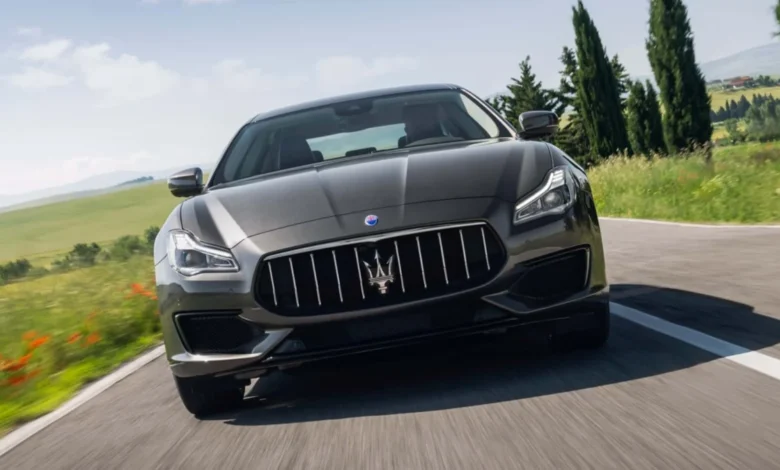
According to reports from industry insiders, these upcoming concepts are not merely aesthetic exercises; they represent a fundamental shift in the brand’s visual identity and engineering philosophy. By choosing Modena—the spiritual home of the Trident—as the venue for this unveiling, Maserati is reinforcing its commitment to its Italian heritage while simultaneously signaling that the future of the brand will be characterized by innovation that transcends traditional automotive segment boundaries.
The Evolution of the Levante and the E-Segment Strategy
The Maserati Levante has historically served as the brand’s primary volume driver since its market introduction in 2016. Conceived to challenge established titans like the Porsche Cayenne, the BMW X5, and the Mercedes-Benz GLE, the Levante successfully bridged the gap between raw Italian performance and the practical requirements of the luxury SUV demographic. However, the landscape of the E-segment SUV market has shifted dramatically in the last eight years, with rivals increasingly focusing on electrification, autonomous driver-assistance systems, and high-tech digital cockpits.
Following the cessation of Levante production in 2024, the brand faced a significant void in its product portfolio. Maserati CEO Santo Ficili has been clear about the company’s intentions, confirming that a successor is not just planned but essential to the brand’s growth. The return of the Levante nameplate—or an evolution of the concept it represents—is central to this strategy. The upcoming December 10 concept is expected to provide a definitive look at how Maserati plans to integrate its new design language into a high-riding, utilitarian chassis without sacrificing the athletic proportions that define a Maserati.
Industry analysts suggest that the new Levante will likely be built on a modular platform capable of supporting a range of powertrains, potentially including a fully electric configuration to meet the stringent emissions standards currently being phased in across Europe and North America. By re-entering the E-segment, Maserati aims to reclaim its share of the affluent consumer base that has increasingly migrated toward electrified luxury performance vehicles.
The Quattroporte: Challenging the Definition of a Flagship
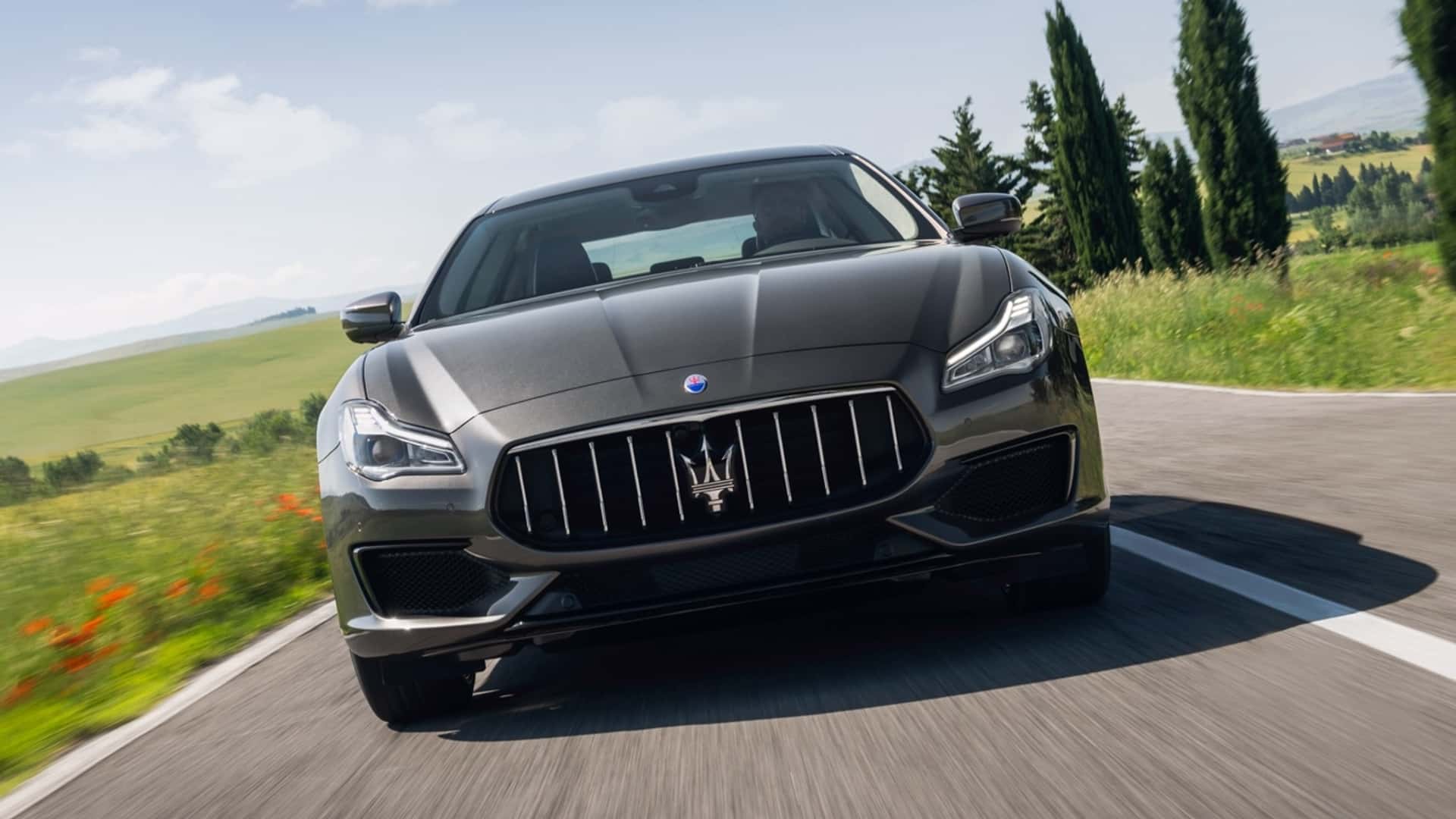
Perhaps the most radical departure in the company’s roadmap concerns the Quattroporte. Historically, the nameplate has been synonymous with the pinnacle of the Italian luxury sedan—a vehicle designed for long-distance comfort and executive prestige. However, the automotive industry is currently witnessing a decline in the traditional sedan market, as consumer preferences shift heavily toward crossovers and versatile, multi-purpose vehicles.
Maserati appears to be embracing this trend rather than resisting it. CEO Santo Ficili has explicitly stated that the next-generation Quattroporte "is not a sedan." This statement has sparked intense speculation within the automotive community. Based on hints provided by leadership, the new model is expected to blend elements of a shooting brake with those of a crossover, resulting in what Ficili describes as a "very low, big car."
This design approach suggests a vehicle that offers the low center of gravity and handling dynamics of a performance sedan, paired with the interior volume and aesthetic versatility of a high-end estate or crossover. If realized, this would be a bold maneuver to differentiate the brand from the traditional three-box sedan architecture employed by competitors such as the Mercedes-Benz S-Class or the Porsche Panamera.
A Chronology of Transition
The move toward these two concepts follows a period of intense restructuring and evaluation within the broader Stellantis group, of which Maserati is a premium pillar.
- 2016: The Levante is launched, becoming the first SUV in Maserati’s history and significantly boosting global sales.
- 2021–2022: Maserati accelerates its electrification roadmap, announcing the "Folgore" strategy, which aims to have an electric version of every model in the lineup by 2025.
- 2023: Production of the previous-generation Quattroporte concludes, leaving the brand’s flagship slot vacant.
- 2024: Production of the Levante ends, signaling a temporary pause in the company’s E-segment SUV offerings.
- December 10, 2024: The scheduled date for the debut of the new concepts in Modena, marking the official transition into the next design era.
This timeline reflects a brand in transition. The temporary absence of these two core models has allowed the manufacturer to pause and refine its technological stack, ensuring that the next generation of vehicles is not merely an iterative update, but a generational leap in terms of software integration and drivetrain efficiency.
Market Implications and Strategic Realignment
The decision to preview these models via concept vehicles rather than immediate production launches is a strategic choice designed to gauge market sentiment and manage expectations. By presenting the concepts in December, Maserati can solicit feedback from key markets—particularly the United States and China, which remain the primary drivers of demand for luxury SUVs—before finalizing the production-ready specifications.
From a financial perspective, the success of these new models is critical. As part of the Stellantis group, Maserati occupies the apex of the conglomerate’s portfolio. Its ability to command high price points and maintain brand equity is vital for the overall health of the parent company. Recent assertions from Stellantis leadership that "Maserati is not for sale" underscore the importance the group places on maintaining a high-performance, high-margin Italian brand in its stable.
Furthermore, the integration of new design elements—which the concepts will showcase—is expected to influence the entire Maserati range, including the Grecale and the GranTurismo. Establishing a coherent visual identity is essential for luxury marques, as brand recognition remains the primary driver of customer loyalty in the high-end vehicle market.
Official Stance and Future Outlook
While official specifications remain under lock and key, the rhetoric from Maserati’s executive team suggests a focus on "emotional engineering." The goal is to ensure that even as the vehicles move toward electrification and novel body styles, the sensory experience—the sound, the tactile quality of the interior materials, and the driving dynamics—remains unmistakably "Maserati."
The December 10 event will likely clarify whether the "low, big car" concept for the Quattroporte will indeed become a reality or if it will evolve into a more conventional luxury vehicle during the development cycle. For observers and prospective buyers alike, the event will serve as a litmus test for how successfully the brand can balance its storied past with the realities of a modern, tech-forward automotive future.
As the automotive industry continues its rapid transition toward automation and electrification, Maserati’s challenge lies in proving that a storied Italian manufacturer can adapt to these changes without losing the "soul" that has defined its vehicles for over a century. The unveiling of these two concepts in Modena is the first step in demonstrating that the Trident is not just surviving the industry’s shift, but is actively shaping its own path within the new paradigm of luxury mobility.