Firestone Destination LE4 Debuts as a High-Performance Evolution for Modern Highway Driving

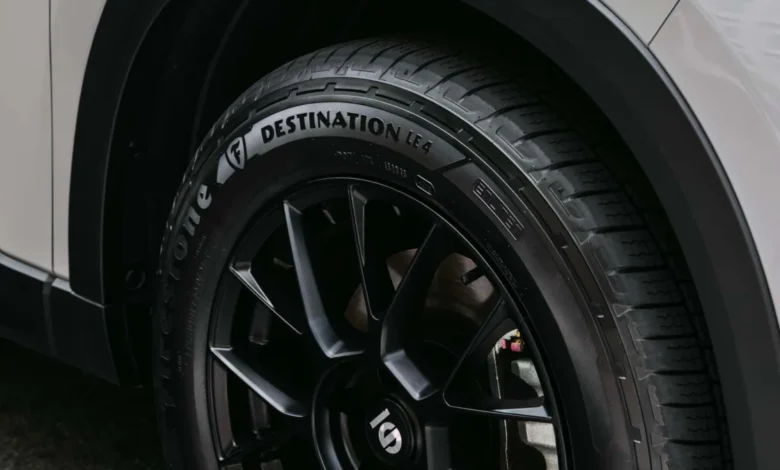
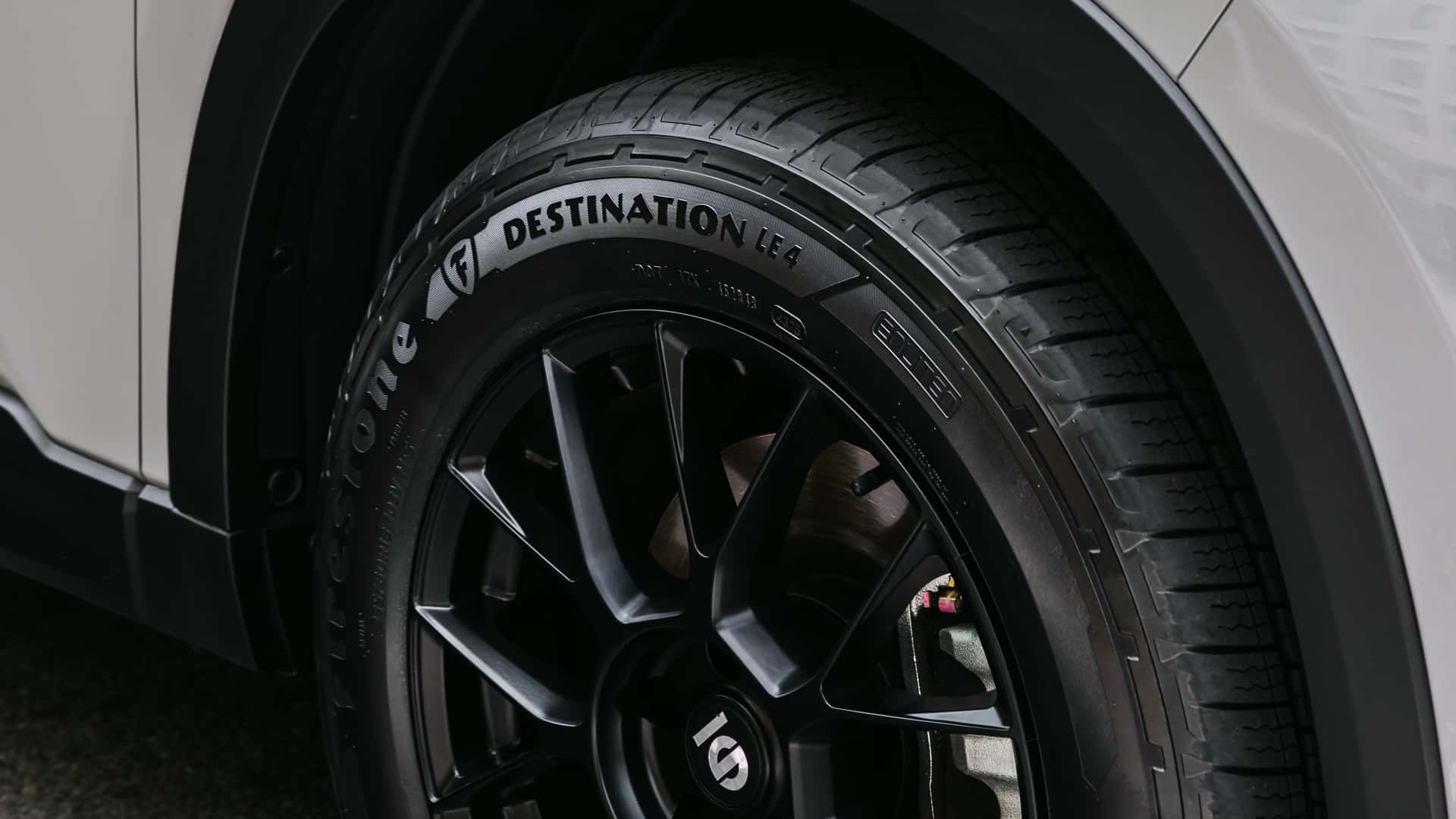
Firestone has officially unveiled the Destination LE4, the latest iteration of its flagship all-season highway tire designed specifically to meet the evolving demands of the American automotive landscape. As the successor to the highly successful Destination LE3, this new model is engineered to serve the surging market for crossovers, sport utility vehicles, and light-duty trucks. By prioritizing longevity, wet-weather handling, and structural integrity, Firestone aims to secure its position as a dominant force in the replacement tire market, catering to the vehicles most frequently driven on North American roads today.
The Evolution of the Destination Line
The Firestone Destination series has long been recognized as a benchmark for highway touring tires. The transition from the LE3 to the LE4 marks a calculated shift in engineering priorities, moving away from a "one-size-fits-all" mentality toward a more specialized approach that accounts for the increased weight and performance profiles of modern crossovers and pickups.
The development process for the LE4 began with a comprehensive analysis of consumer feedback regarding the LE3, which was praised for its balance of comfort and value. However, as vehicle platforms have grown larger and more complex—incorporating sophisticated electronic stability controls and higher torque outputs—Firestone’s research and development team identified a need for a tire that could provide greater durability without sacrificing the ride quality expected by the typical commuter.
Technical Innovations in Tread and Compound Design
At the core of the Destination LE4’s performance improvements is a complete redesign of the tread geometry and chemical composition. Engineers have optimized the rib widths to ensure a more uniform distribution of pressure across the contact patch. This adjustment is critical, as uneven pressure distribution is a leading cause of premature tread wear in high-center-of-gravity vehicles. By stabilizing the ribs, Firestone has effectively increased the tire’s longevity, a claim supported by internal testing that shows a 16 percent improvement in mileage over the previous generation.
A significant enhancement is the introduction of deeper initial tread depth, which provides a longer service life, paired with thinner 3D sipes. These sipes are engineered to remain flexible under various temperature conditions, allowing the tire to bite into the road surface during wet conditions or light snow. This is a critical development for all-season tires, which often struggle to maintain traction as they wear down. The 3D geometry ensures that as the tread depth decreases, the biting edges remain effective, extending the tire’s safety window throughout its life.
The internal architecture of the tire has also undergone a transformation. The LE4 utilizes a reinforced carcass featuring high-strength body plies and advanced steel cords, providing the necessary rigidity to handle the dynamic loads imposed by heavy SUVs and towing-capable trucks. Furthermore, Firestone has refined its rubber compounding process to achieve greater ingredient consistency. This molecular-level uniformity ensures that the tire’s grip remains predictable from the first mile to the last, mitigating the performance drop-off often associated with older rubber compounds.
Comparative Performance Benchmarks
In the competitive landscape of highway all-season tires, manufacturers are increasingly using rigorous comparative testing to demonstrate value to the consumer. Firestone’s internal performance metrics for the LE4 highlight significant gains over both its predecessor and key competitors in the segment.
Beyond the 16 percent increase in tread life compared to the LE3, the LE4 demonstrates a substantial lead over other market staples. According to data released by the company, the LE4 is expected to last 9 percent longer than the General Grabber H/T and an impressive 43 percent longer than the BFGoodrich Advantage Control HT. These metrics are vital for fleet managers and daily commuters alike, as they translate directly into a lower total cost of ownership over the lifespan of the vehicle.
Safety, particularly in emergency stopping scenarios, remains the most critical performance metric for consumers. The LE4 has achieved a 2.6 percent reduction in dry stopping distance—effectively shaving two feet off the stopping distance of the LE3. When tested against the Toyo Open Country H/T II, the LE4 stopped eight feet shorter in both wet and dry conditions. This delta of nearly a full car length could be the difference between a near-miss and a collision in a real-world environment. Against the BFGoodrich Advantage Control HT, the LE4 proved superior in both environments, stopping two feet shorter on dry pavement and four feet shorter on wet surfaces.
Market Integration and Fitment Strategy
Firestone is launching the Destination LE4 with a robust catalog of 65 distinct sizes, spanning 15- to 22-inch rim diameters. This broad range is intentional, targeting the most popular vehicles currently registered in the United States. From the nimble Mazda CX-5, which demands agile handling and low rolling resistance, to the heavy-duty Ford F-150 and the large-format Nissan Armada, which require high load-bearing capacity and robust sidewalls, the LE4 is positioned to be a versatile solution.
The inclusion of the Chevrolet Trailblazer in the target fitment list underscores Firestone’s intent to capture the compact-to-midsize crossover segment, which currently represents the largest growth area for new vehicle sales. By offering a wide array of fitments, Firestone is streamlining the supply chain for tire retailers, allowing shops to stock a single, high-performance product line that can service nearly any passenger vehicle in a customer’s driveway.
Broader Industry Implications
The introduction of the Destination LE4 arrives at a pivotal moment for the automotive aftermarket. With vehicle prices reaching historic highs, consumers are keeping their cars on the road for longer durations. Consequently, the demand for replacement parts that offer extended service intervals and enhanced safety has never been higher.
Industry analysts note that tires like the LE4 reflect a broader trend toward "premiumization" in the replacement sector. As modern vehicles become more technologically advanced, the tire serves as the final link in the performance chain. Features like the LE4’s consistent compound technology and 3D siping are no longer considered luxury additions; they are viewed as essential components that allow modern driver-assistance systems—such as anti-lock braking and electronic stability control—to function at their peak efficiency.
Furthermore, as regulatory bodies, such as the California Air Resources Board (CARB), continue to implement stricter efficiency rules for replacement tires, manufacturers are under increased pressure to reduce rolling resistance without sacrificing wet-weather performance. While Firestone has not explicitly categorized the LE4 as a "low rolling resistance" tire, the optimization of the tread ribs and compound consistency aligns with the industry-wide push toward better fuel economy and reduced emissions through improved tire engineering.
Future Outlook and Maintenance Requirements
While the technical specifications of the Destination LE4 are impressive, its real-world success will depend on proper maintenance. Tire longevity is inherently tied to inflation pressure and alignment, factors that are often overlooked by the average driver. Recent studies indicate that a significant percentage of vehicles on the road are operating with under-inflated tires, which compromises both safety and the very tread-wear benefits that the LE4 is designed to provide.
Firestone’s commitment to the LE4 suggests a long-term investment in this specific tread pattern, likely replacing the LE3 entirely over the next 18 to 24 months. For consumers and automotive enthusiasts, this represents a transition to a more refined, durable, and safer standard of highway touring tire. As the automotive market continues to shift toward larger, heavier vehicles, the performance characteristics of the Destination LE4 provide a clear indication of how tire manufacturers are adapting to the changing physical demands of the modern road.
The launch of the LE4 is not merely a product update; it is a testament to the ongoing engineering arms race within the tire industry. By focusing on the intersection of long-term value and high-performance safety, Firestone is positioning the Destination LE4 to become a foundational element for millions of American vehicles, ensuring that the critical contact point between the car and the road remains as reliable as possible in an increasingly demanding driving environment.