The Definitive Guide to the 2026 Nations Championship: Format, Fixtures, Squads, and Everything You Need to Know

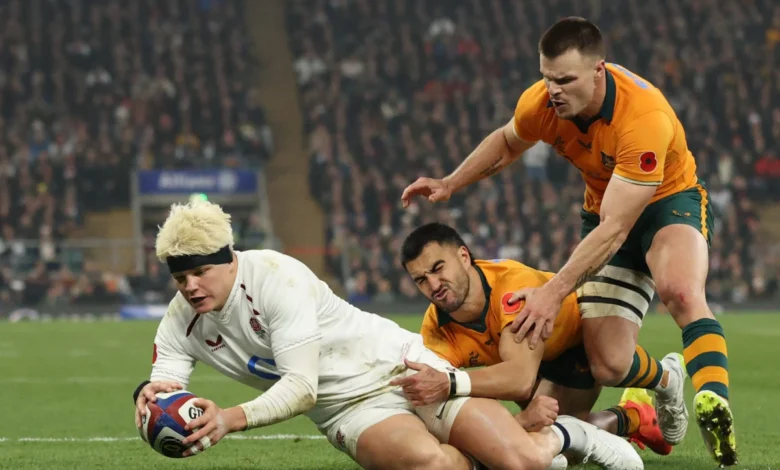
The inaugural Nations Championship has officially redefined the international rugby calendar, bringing a heightened sense of consequence and structure to the traditional July and November windows. Conceived jointly by Six Nations Rugby and SANZAAR, this ambitious biennial tournament bridges the divide between the northern and southern hemispheres, eliminating the ambiguity of standalone friendlies and replacing them with a competitive global league table.
As the competition resumes for its pivotal November block—featuring three intense rounds of cross-hemisphere fixtures followed by a high-stakes finals weekend at Allianz Stadium, Twickenham—fans, analysts, and players are closely monitoring the unfolding narrative of world rugby’s newest frontier.
Background and Context: Filling the Void in the Global Calendar
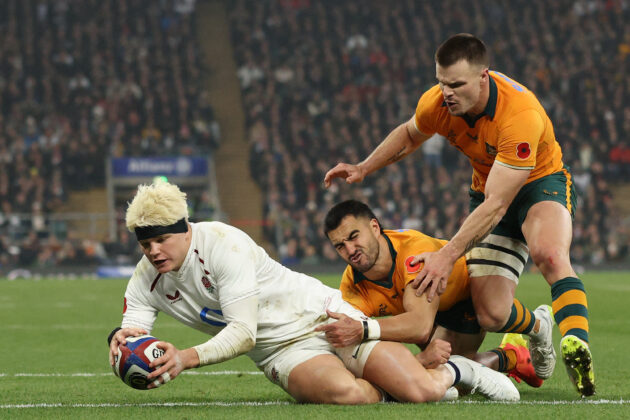
For decades, international rugby union operated on a fragmented schedule. While regional tournaments like the Six Nations and The Rugby Championship offered fierce, cohesive competition, the mid-year and end-of-year windows were often dismissed as mere "tours" or exhibition matches. Despite producing memorable encounters, these fixtures lacked overarching context, ranking accumulation incentives, or a definitive trophy pathway.
The introduction of the Nations Championship—scheduled for years that do not host a Rugby World Cup or a British & Irish Lions tour—seeks to replicate the structural success and engagement seen in other sports, most notably football’s UEFA Nations League. By pooling the world’s elite rugby unions into a unified tournament, governing bodies aim to maximize broadcast revenue, elevate the commercial value of Test matches, and provide fans with a compelling narrative arc that stretches from the southern hemisphere winter to the European autumn.
Tournament Structure and Format Explained
The Nations Championship features 12 participating nations divided into two distinct groups based on geography, with Japan aligning with the southern hemisphere group to balance the pools.
- Northern Hemisphere Group: England, France, Ireland, Italy, Scotland, and Wales (Six Nations participants).
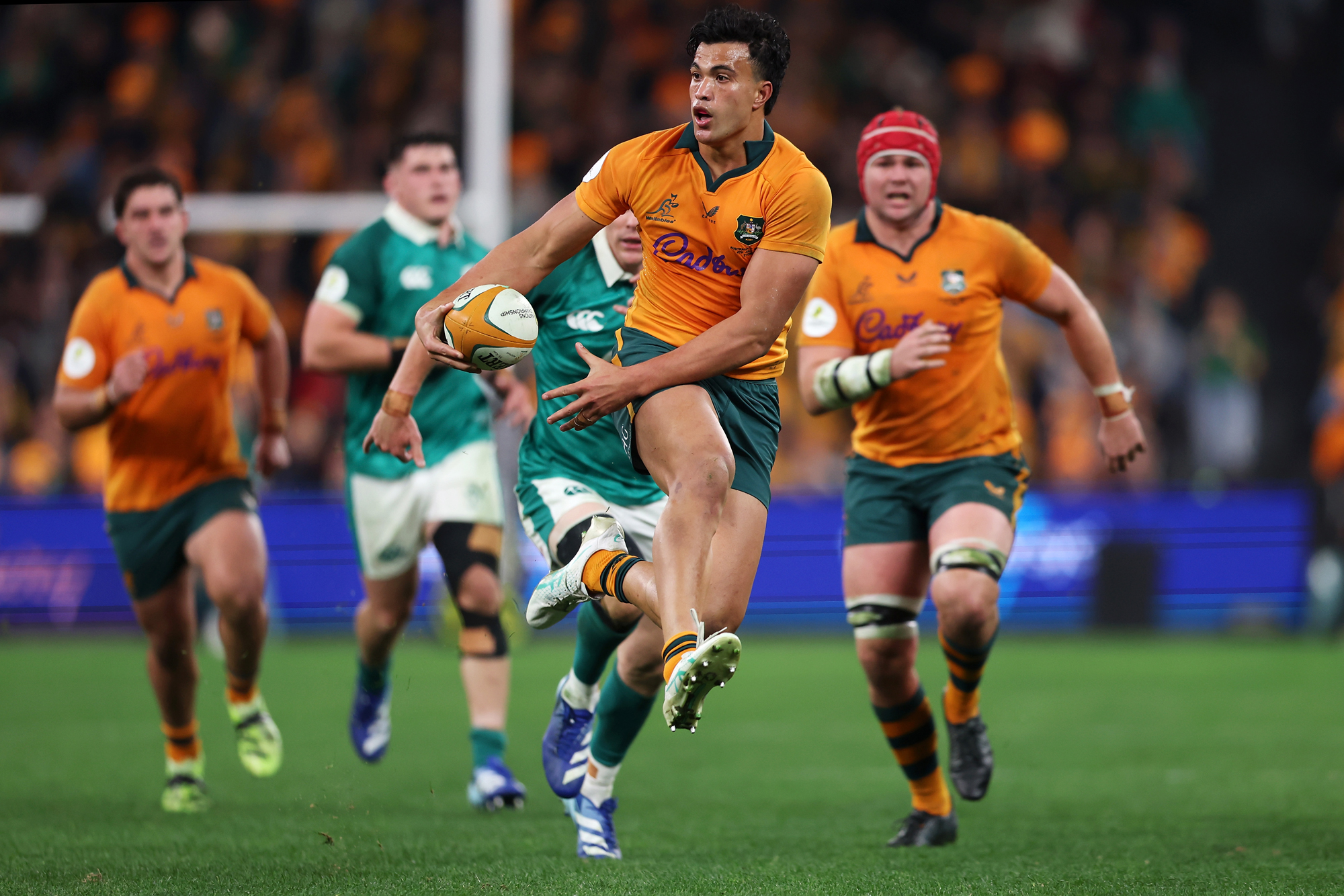
- Southern Hemisphere Group: Argentina, Australia, New Zealand, South Africa, Fiji, and Japan (Rugby Championship participants plus invitational sides).
The tournament operates across two primary operational windows:
- The July Block: European sides travel south to play three matches against opponents from the southern hemisphere group.
- The November Block: The visiting nations make the reciprocal journey to Europe to complete the remaining cross-group fixtures over three consecutive weekends.
Unlike traditional tours where outcomes are evaluated in isolation, every match in the Nations Championship contributes directly to a cumulative standings table. Points are accrued dynamically, factoring into both the tournament standings and the official World Rugby Men’s Rankings, which currently position world champions South Africa at the summit, closely pursued by New Zealand, Ireland, France, and England.
The Road to Twickenham: Finals Weekend
The culmination of the tournament takes place during an action-packed Finals Weekend at Allianz Stadium, Twickenham, running from Friday, 27 November to Sunday, 29 November 2026. Rather than relying solely on round-robin accumulation, the competition structure ensures that every team plays a consequential final match against their direct counterpart from the opposing group.
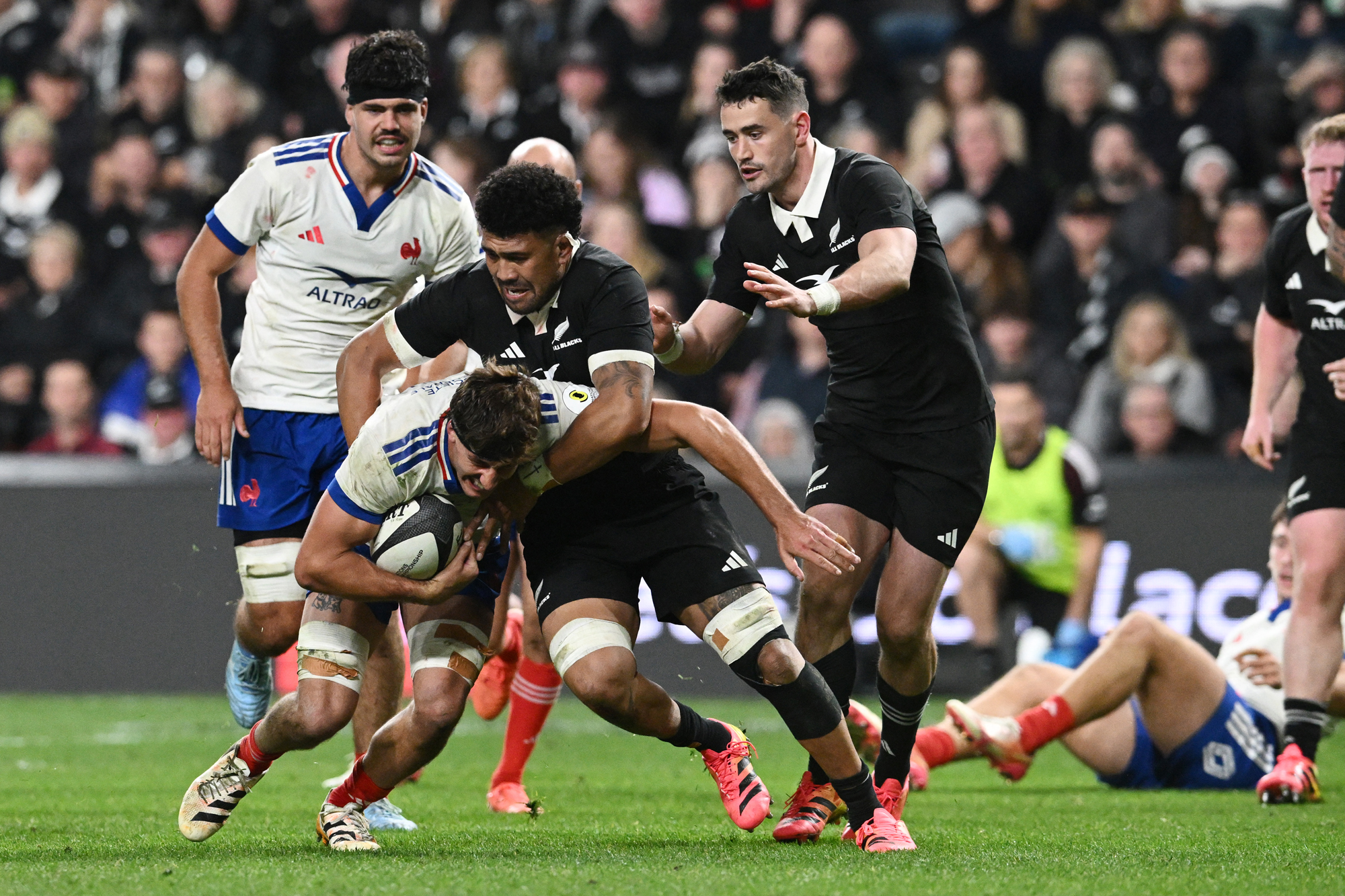
Teams finishing in identical positions within their respective group tables will lock horns in cross-over matches. The pinnacle of the tournament occurs on Sunday, 29 November, when the table-topping nations from the Northern and Southern groups meet in the grand final to crown the ultimate champion of the inaugural global competition. Organizers have released tiered ticketing options, including multi-day passes and "Support Your Team" packages, to accommodate traveling and local supporters.
Broadcasting Rights and Global Access
Ensuring widespread accessibility has been a core priority for the tournament’s stakeholders. Broadcasters across key rugby heartlands have secured comprehensive coverage rights, offering a mix of free-to-air and subscription models:
- Free-to-Air: ITV (United Kingdom), Virgin Media (Ireland), and TF1 (France) ensure that local audiences can follow their national teams without subscription barriers.
- Subscription/Pay-TV: Stan Sport (Australia), Sky Sport (New Zealand), SuperSport (South Africa), Sky Italia (Italy), and Wowow (Japan) provide dedicated regional coverage for international viewers.
The Second Tier: The Nations Cup
While the top 12 nations contest the flagship championship, the international ecosystem is simultaneously supported by the second-tier Nations Cup. Featuring 12 emerging and Tier Two nations split into two pools—Pool A (Canada, Chile, Samoa, Tonga, Uruguay, and USA) and Pool B (Georgia, Hong Kong, Portugal, Spain, Romania, and Zimbabwe)—this parallel competition provides vital high-performance Test exposure.
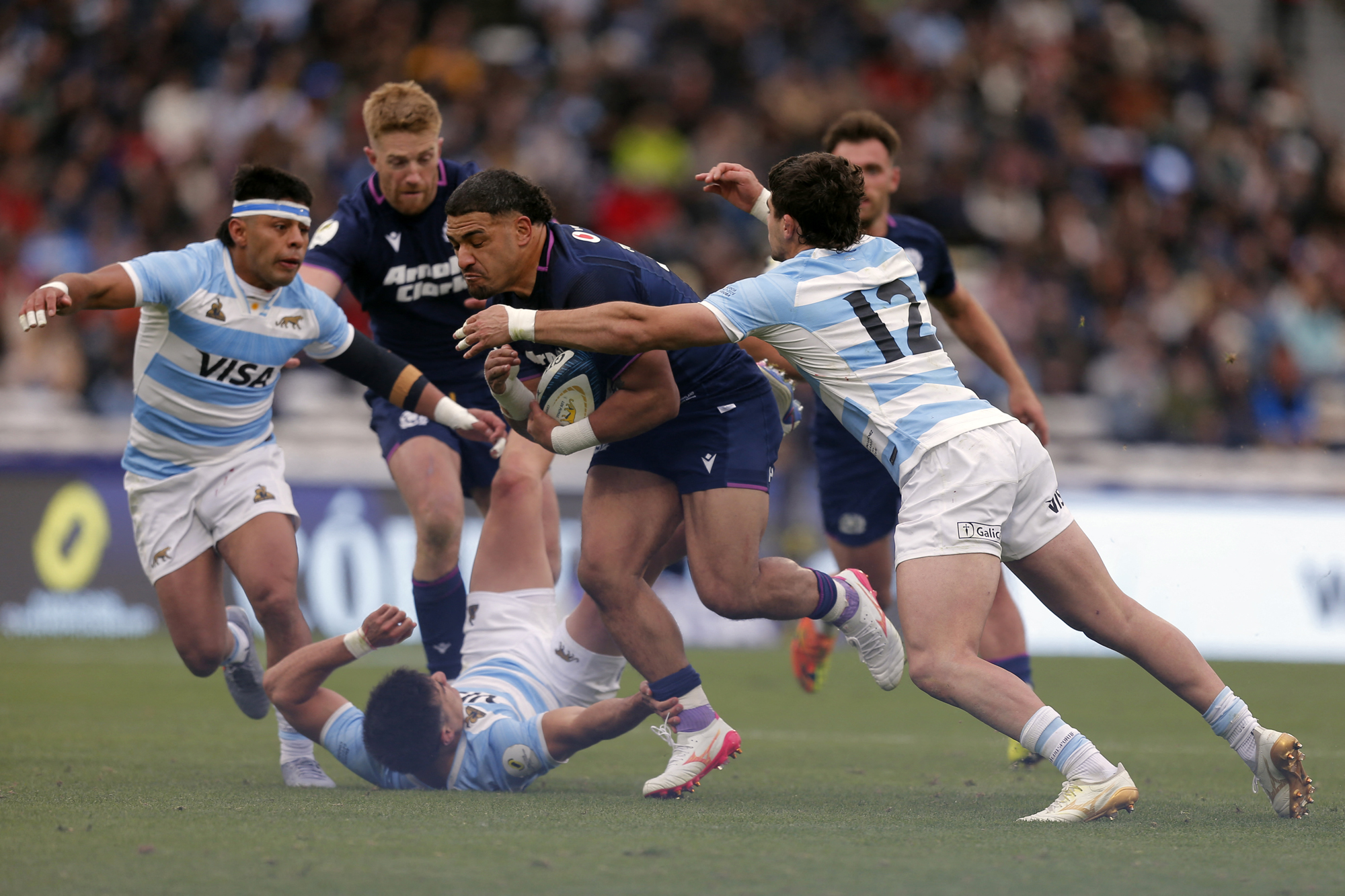
All participating teams in the Nations Cup have successfully secured qualification for the 2027 Rugby World Cup in Australia. Unlike the primary championship, the Nations Cup does not feature a grand finals weekend; the team accumulating the most points across their three-match window lifts the trophy, with ties broken by total wins followed by points difference. Current standings indicate strong campaigns from the United States in Pool A and Georgia in Pool B.
Regarding the future integration of promotion and relegation between the Nations Championship and the Nations Cup, World Rugby has confirmed that while the mechanism is not active for the current cycle, stakeholders will review its potential for implementation ahead of the 2030 tournament edition.
Confirmed Squads for the November 2026 Window
National team coaches have announced their extended 2026 autumn squads, reflecting a strategic blend of experienced Test centurions and emerging talent designed to navigate the physical demands of the cross-hemisphere schedule:
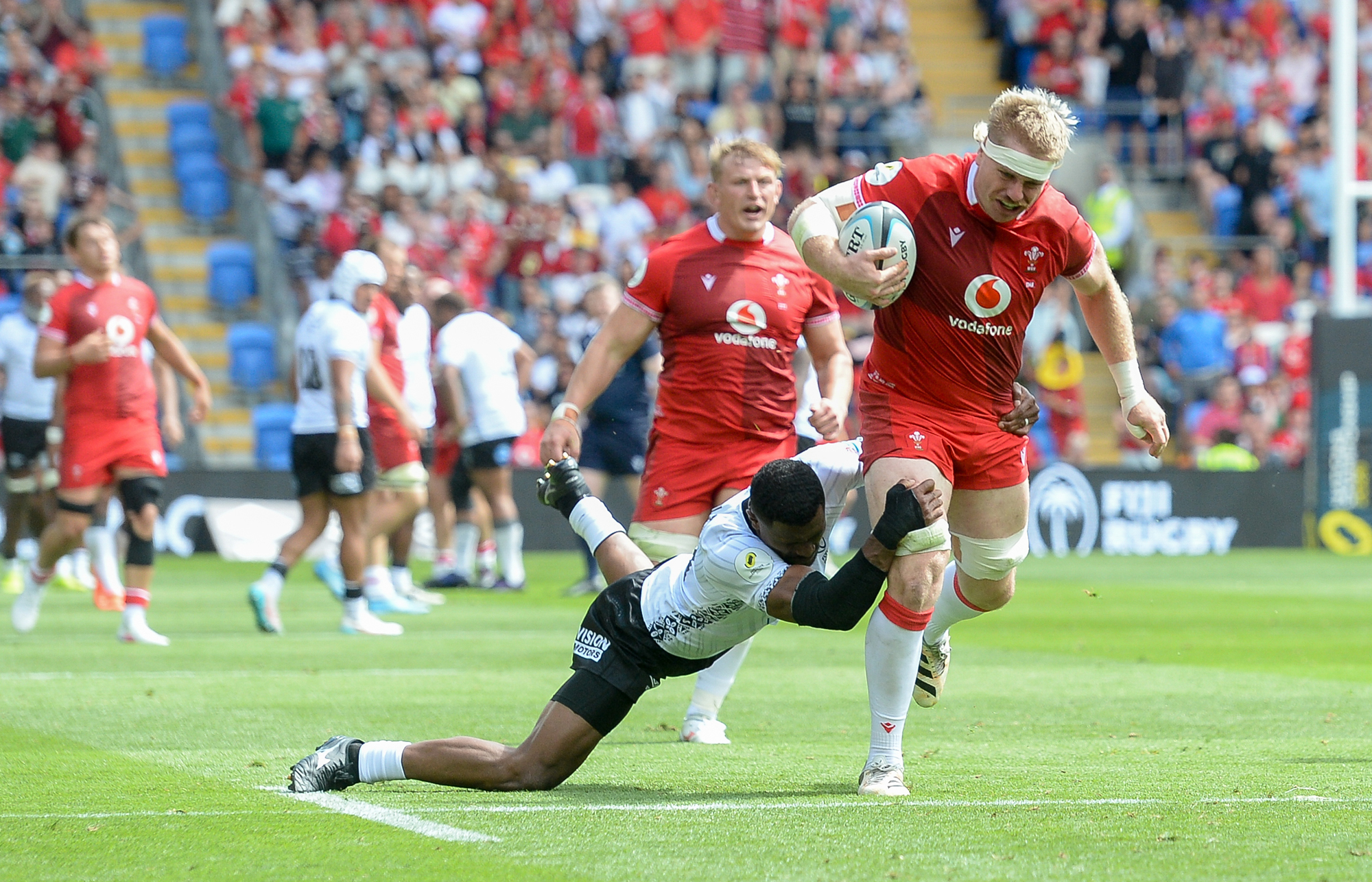
- Argentina: Headlined by veterans Julián Montoya, Pablo Matera, and Guido Petti, alongside dynamic playmakers like Tomás Albornoz and Mateo Carreras.
- Australia: Featuring heavy-hitters Taniela Tupou, Harry Wilson, and Tate McDermott, alongside cross-code star Joseph-Aukuso Suaalii.
- England: Steve Borthwick’s squad includes seasoned leaders Maro Itoje, Jamie George, and Ellis Genge, supported by explosive backs like Marcus Smith and Immanuel Feyi-Waboso.
- Fiji: Led by physical powerhouses Josua Tuisova and Peceli Yato, alongside playmakers Caleb Muntz and Frank Lomani.
- France: A formidable French selection featuring Antoine Dupont, Romain Ntamack, Grégory Alldritt, and Damian Penaud.
- Ireland: Retaining core strength through Bundee Aki, Tadhg Furlong, Jamison Gibson-Park, and Josh van der Flier.
- Italy: Spearheaded by Michele Lamaro, Paolo Garbisi, Ignacio Brex, and Ange Capuozzo.
- Japan: Blending experience with youth, featuring key operators like Warner Dearns, Jack Cornelsen, and Dylan Riley.
- New Zealand: Boasting a powerhouse squad including Beauden Barrett, Jordie Barrett, Scott Barrett, Ardie Savea, and Will Jordan.
- Scotland: Led by captain Sione Tuipulotu, alongside Finn Russell, Duhan van der Merwe, and Darcy Graham.
- South Africa: The world champions bring an intimidating roster featuring Siya Kolisi, Eben Etzebeth, Pieter-Steph du Toit, and Cheslin Kolbe.
- Wales: Underpinned by experienced figures such as Dewi Lake, Jac Morgan, and Tomos Williams, alongside rising backline options.
Broader Implications and Strategic Analysis
The implementation of the Nations Championship marks a permanent evolution in rugby union’s commercial and sporting landscape. By securing fixed, meaningful fixtures against elite opposition outside of World Cup cycles, unions gain financial stability and predictable broadcast inventories. For players, the tournament provides a clear, competitive narrative that enhances the prestige of international caps while requiring careful squad rotation to manage elite player welfare.
As the November block unfolds and teams edge closer to the finals weekend at Twickenham, the Nations Championship is well on its way to fulfilling its mandate: delivering higher stakes, global engagement, and definitive answers to the eternal debate of northern versus southern hemisphere supremacy.
Related posts: