The Era of Vibe Coding Has Arrived in Biotechnology with Natural Language Protein and DNA Design

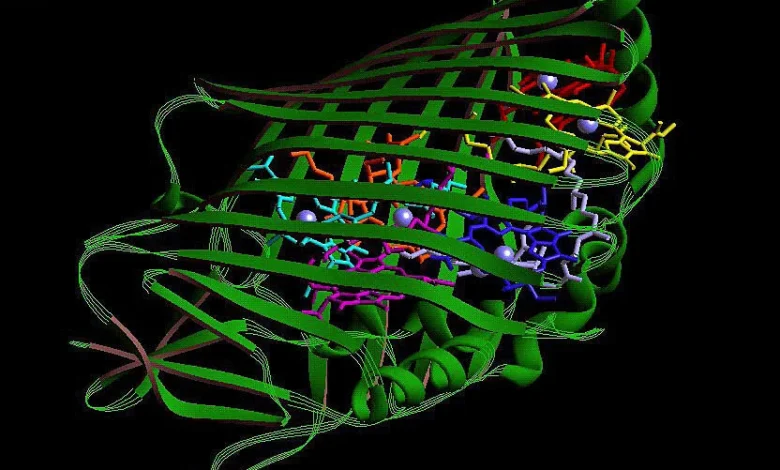
The landscape of synthetic biology is undergoing a seismic shift as artificial intelligence tools move beyond specialized, technical inputs toward intuitive, natural language processing. For decades, the design of synthetic proteins—the building blocks of life—required researchers to possess a granular understanding of amino acid sequences, catalytic mechanisms, and complex 3D spatial dynamics. Today, that barrier is lowering. A new generation of AI models, exemplified by the "Pinal" system developed by an international research collaboration, allows scientists to generate functional proteins simply by describing their desired characteristics in plain English. This transition toward "vibe coding" in the laboratory—where intention drives design—marks a departure from manual, iterative modeling toward generative, prompt-based engineering.
The Evolution of Protein Engineering
Historically, protein design was a painstaking, two-step technical hurdle. First, researchers had to define the physical constraints—the specific geometry required for a molecule to bind or catalyze a reaction. Second, a separate computational algorithm would attempt to populate that geometric scaffold with an amino acid sequence capable of folding into the desired shape. This process required deep expertise in thermodynamics, molecular docking, and structural bioinformatics.
The bottleneck was never the computing power, but the human-AI interface. Experts in the field, such as those studying serine proteases, communicate in a shorthand that implies a vast repository of chemical knowledge. Standard AI tools, however, remained "functionally blind," focusing on the arrangement of atoms without understanding the biological outcome. The Pinal project seeks to bridge this gap by training models on massive datasets where protein sequences are linked to descriptive, human-readable functional tags. By leveraging databases containing hundreds of millions of keyword-protein pairs, researchers have enabled AI to associate specific natural language descriptors with the corresponding molecular architectures required to achieve those functions.
The Pinal Methodology and Technical Architecture
The Pinal system operates on a sophisticated pipeline designed to transform intent into physical reality. The process begins with the "T2struct" module, which functions as a text-to-structure translator. Rather than outputting a final 3D shape, it generates a probabilistic blueprint—a linear array of tokens detailing the spatial relationships between adjacent amino acids.
This output is subsequently processed by "SAProt-T," a refinement engine that performs a global re-evaluation of the structure. By integrating the original natural language prompt with the structural probabilities, SAProt-T ensures that the sequence selection is not merely a "best fit" for a generic shape, but optimized for the specific functional outcome requested. The researchers trained this system using protein sequences derived from three major databases, cross-referenced with structural predictions from AlphaFold. While AlphaFold is not infallible, its ability to predict structures for common proteins provided a sufficient baseline for the model to learn the grammar of protein design.
Empirical Testing and Success Rates
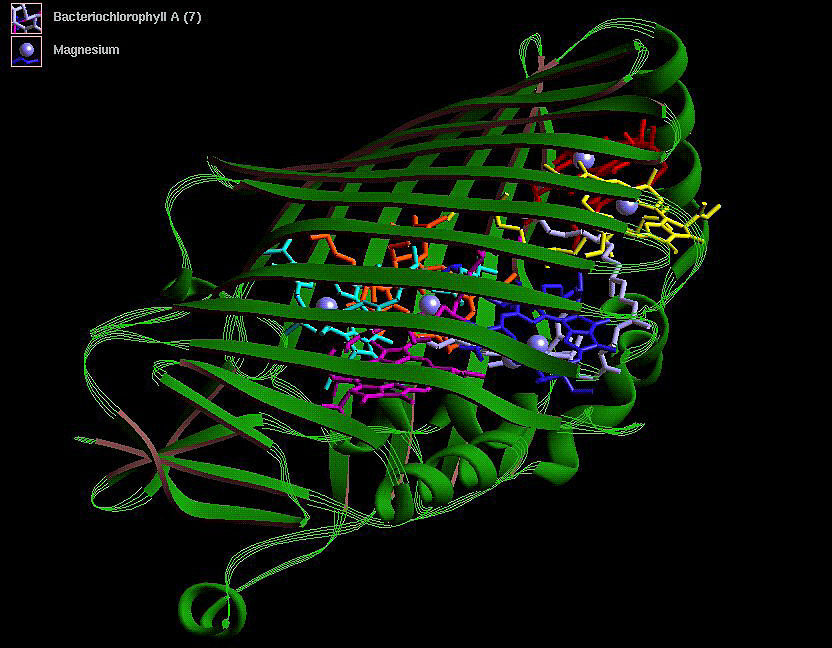
To validate the effectiveness of Pinal, the research team conducted a series of trials focusing on four distinct classes of proteins: a fluorescent marker, two unique enzymes, and a component for a multi-protein complex. Using the green fluorescent protein (GFP) as a benchmark, the system was tasked with generating 50,000 potential candidates.
The researchers applied rigorous, real-world filters to these designs. They excluded any sequences that bore too close a resemblance to known proteins, forcing the AI to explore "novel" territory. Furthermore, they required the candidates to possess a specific barrel-like structure and key catalytic amino acids. From this initial pool, 29 candidates were selected for laboratory synthesis in E. coli. Of these, one successfully demonstrated fluorescence.
While a single success out of 29 candidates might appear statistically thin, the implications are significant. Traditional protein design often fails at higher rates or requires years of manual optimization. By automating the generation and preliminary screening of these candidates, the researchers have effectively compressed the discovery cycle. They argue that many of the rejected candidates may have been functional in ways the screening process—which prioritized GFP-like characteristics—failed to capture.
The Rise of Multi-Modal Genomic Models: Carbon X
The revolution in prompt-based biology is not confined to proteins. Parallel to the development of Pinal, a collaboration involving Hugging Face, the Zhongguancun Academy, and the University of Naples "Federico II" has introduced Carbon X. This open-weight model represents a critical advancement in DNA design, leveraging the Qwen3-14B architecture to interpret and generate genomic sequences.
Carbon X serves as a bridge between linguistics and genetics. It was trained to understand both English and DNA, allowing it to translate between the two. A researcher can now query the model with a question such as, "What is the consequence of changing this G to an A?" and receive a prediction based on the model’s understanding of genomic context. Unlike commercial models that require cloud-based API access, Carbon X is designed to run on local hardware, such as a high-end laptop. This accessibility addresses two major industry concerns: cost and data privacy. By allowing proprietary genomic data to remain on a local machine, Carbon X enables researchers to explore genetic hypotheses without exposing sensitive information to third-party providers.
Broader Implications and Ethical Considerations
The move toward natural language interfaces in biology carries both promise and risk. Critics and proponents alike note that while these tools make design easier, they do not replace the biological wet lab. The output of Pinal or Carbon X is merely a sequence—a string of code. Transforming that code into a living, functioning molecule still requires advanced laboratory infrastructure, rigorous testing, and the oversight of highly trained specialists.

The democratization of these tools could inadvertently lower the barrier for individuals with malicious intent to design dangerous proteins or pathogens. However, the academic community emphasizes that the current limitations of AI-generated designs—specifically the high failure rate and the need for complex, iterative verification—serve as a natural buffer. Furthermore, the ability to rapidly design proteins also provides a powerful defense mechanism, allowing scientists to create countermeasures to pathogens or environmental toxins with unprecedented speed.
For the working biologist, the primary benefit is efficiency. The post-genome era has generated a wealth of data that remains largely inaccessible due to the lack of user-friendly interfaces. By allowing researchers to query databases with phrases like "find all enhancers that control the expression of this gene," these AI models have the potential to eliminate weeks of manual literature review and software configuration.
Future Outlook
As these systems mature, the expectation is that the "vibe coding" phase of biology will shift toward more precise, reliable iterations. The next generation of models will likely incorporate better feedback loops from laboratory results, further increasing the success rates of generated designs.
The integration of Pinal and Carbon X into mainstream research pipelines signifies a transition where the computer is no longer just a calculator for protein structures, but a collaborative partner capable of understanding the nuances of biological function. While it remains to be seen how quickly the wider scientific community will adopt these tools, the path forward is clear: the language of life is becoming increasingly fluent in the language of humanity. As these tools continue to evolve, the distinction between designing a protein and writing a sentence will continue to blur, forever changing the cadence of discovery in the life sciences.