The narrative of American arts education is often framed through the lens of student achievement, standardized testing, and extracurricular enrichment. Yet, the foundational element that bridges the gap between creative theory and student growth—the teaching artist—remains a precarious, often undervalued profession. As the National Dance Institute (NDI) marks its 50th anniversary this year, the organization serves as a case study for a structural shift in how schools and nonprofits treat these creative practitioners. For decades, the teaching artist has been the backbone of arts learning, yet systemic instability, low wages, and a lack of benefits threaten to hollow out this essential workforce, compromising the quality and longevity of arts programs across the nation.
The Origin and Evolution of the Teaching Artist Model
The term "teaching artist" refers to a unique hybrid professional: a practicing artist who integrates their creative expertise with pedagogical practice within a school setting. Unlike a traditional classroom teacher, who is often bound by rigid, subject-specific curricula, the teaching artist introduces students to fluid concepts such as risk-taking, collaborative movement, and non-verbal expression.
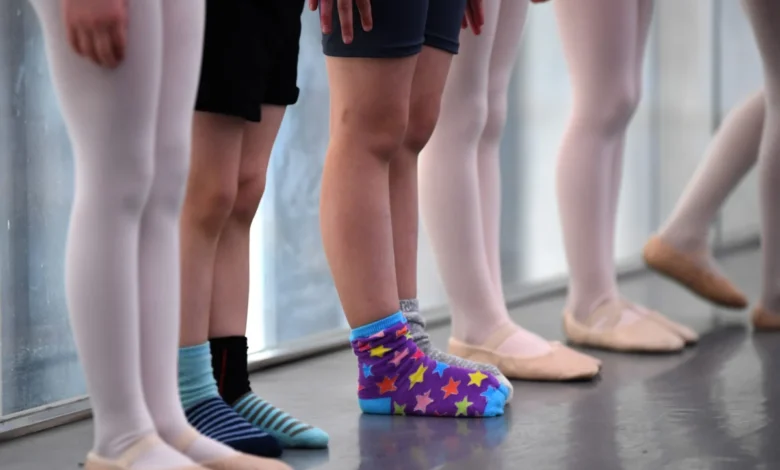
The history of this role in the United States is inextricably linked to figures like Jacques d’Amboise, the late New York City Ballet principal dancer. In 1976, d’Amboise founded the National Dance Institute to bring high-quality dance education into the New York City public school system. His approach was not merely about teaching steps; it was about behavioral and cognitive transformation. By meeting students where they were—even if that meant having a restless child watch the rhythm of feet from beneath a piano—d’Amboise demonstrated that the arts could unlock potential in students who felt alienated by traditional academic environments.
This model spread throughout the late 20th century, championed by foundations and municipal arts councils. However, while the pedagogy proved effective, the employment model remained rooted in the "gig economy" era before that term existed. Teaching artists were, and often still are, hired as independent contractors, oscillating between multiple schools and organizations to cobble together a living wage.
A Crisis of Compensation and Retention
The economic reality of the teaching artist profession is stark. According to a 2025 report by the NYC Arts in Education Roundtable, "Paying for Professionalism," the sector is facing a retention crisis driven by structural inequities. The report highlights that the vast majority of teaching artists lack access to health insurance, retirement contributions, or paid sick leave.
The data suggests a direct correlation between the financial instability of the workforce and the quality of student outcomes. When a teaching artist is forced to leave a position because it cannot provide a sustainable career, the school loses more than just a dance or music instructor; it loses a "place-maker." These individuals are responsible for transforming neutral classrooms into vibrant studios, organizing school-wide performances, and acting as liaisons between the arts community and families.
The turnover rate within these programs is statistically high. When an artist departs after one or two semesters, the continuity of the relationship—a critical factor in student development—is severed. Without a long-term presence, the teaching artist cannot build the deep, institutional trust required to influence school culture or support the development of students over several years.
The NDI Model: A Blueprint for Sustainability
As the National Dance Institute celebrates its 50th year, its operational model provides a compelling alternative to the traditional, fragmented approach. NDI has prioritized the professionalization of its workforce by offering year-round, salaried roles with benefits for many of its core staff. This shift is not merely a gesture of goodwill; it is a strategic investment in institutional memory and pedagogical excellence.
By providing professional development, administrative support, and clear pathways for career advancement, NDI attracts experienced dancers who are committed to the classroom as a primary profession rather than a stop-gap between auditions. This consistency allows NDI to partner with schools for decades, creating a cumulative effect where the "magic" of the arts is not a one-off event, but a steady, reliable component of a child’s K-12 education.
Implications for School Districts and Philanthropy
The broader implications for education policy are significant. If school districts and private funders believe that arts education is essential for developing critical thinking, empathy, and cultural literacy, they must move beyond project-based funding. Currently, many grants are tied to short-term, output-oriented projects, which inadvertently incentivize a high-turnover, gig-based employment model.
To rectify this, stakeholders should consider several key policy shifts:
- Multi-Year Contracts: Districts and arts organizations should move toward long-term service agreements that allow for the budgeting of full-time, benefits-eligible teaching artist positions.
- Integration into Core Budgets: Rather than treating arts funding as a "supplementary" line item prone to cuts during economic downturns, districts should integrate the costs of teaching artists into their core operating budgets.
- Standardized Compensation Benchmarks: Establishing regional pay scales for teaching artists—comparable to the salaries of specialists in other disciplines—would help reduce the "brain drain" that currently plagues the field.
Broader Impact: Beyond the Classroom
The transformation experienced by students under the guidance of a consistent teaching artist goes far beyond the acquisition of a specific skill, such as ballet or mural painting. Research indicates that students who engage in sustained arts programming demonstrate higher levels of social-emotional growth. In the case of programs like those founded by d’Amboise, students learn the value of "ensemble work"—a concept that balances individual achievement with the needs of the group.
For the student, the classroom becomes a space where language barriers, socioeconomic differences, and cultural divides can be navigated through a shared, non-verbal medium. For the teacher, the collaboration provides a fresh perspective on classroom management and instructional design. By observing how an artist navigates a student’s creative process, traditional teachers often gain new tools for engaging students who may struggle with standard testing formats.
Looking Toward the Future
As the sector looks toward the next half-century, the challenge is clear: the romanticization of the "starving artist" in the classroom must end. If the goal is to provide every student with access to the arts, the system must provide those who teach them with the dignity of a stable, professional career.
The legacy of figures like Jacques d’Amboise is not just in the steps they taught or the performances they produced, but in the enduring belief that the arts are a fundamental human right. Protecting that right requires a fundamental reevaluation of the labor conditions for teaching artists. Without such a transition, the arts in public education will remain a fragile luxury, susceptible to the whims of budget cycles and the burnout of its most dedicated practitioners.
Ultimately, the future of this sector depends on the realization that investing in the people who facilitate these experiences is inseparable from the goal of educating the next generation. The success of an arts program is measured not just in the talent of its students, but in the tenure and well-being of its teachers. By prioritizing infrastructure and professional security, the education sector can ensure that the transformative power of the arts remains a permanent, rather than fleeting, presence in the lives of students.