The Global Climate Crisis and the Rise of the New Normal Wildfires Heatwaves and the Struggle for Ecological Resilience

The international community is currently grappling with a series of unprecedented environmental disruptions that scientists characterize as the emergence of a "new normal" in the global climate system. From the intensifying "firewaves" sweeping across Europe and North America to significant shifts in tropical deforestation rates and the rising human toll of extreme heat, the data from mid-2026 suggests that the planetary emergency has transitioned from a future threat to a present reality. This comprehensive shift is necessitating a total reassessment of emergency services, public health infrastructure, and conservation strategies on a global scale.
The Firewave Phenomenon: A New Frontier for Emergency Services
In recent weeks, the Northern Hemisphere has been besieged by a phenomenon increasingly described by meteorologists as a "firewave"—a prolonged period of high temperatures coupled with extreme aridity that fuels rapid, uncontrollable wildfires. In France, the iconic Fontainebleau forest near Paris became the site of a major containment effort this week. In a display of modern logistical adaptation, emergency services utilized water-dumping planes to collect water directly from the River Seine to combat the blazes. This proximity of wildfires to major metropolitan hubs underscores the shifting geography of climate risk, as traditional "wildland" fires increasingly encroach upon urban and suburban interfaces.
The United Kingdom has faced similar pressures. According to data analyzed by the Financial Times, the UK has experienced 25 non-consecutive days with temperatures exceeding 30°C, including a grueling nine-day stretch where mercury levels surpassed 34°C. This sustained heat has placed the UK’s emergency services under historic levels of strain. Unlike the flash-heatwaves of previous decades, these "firewaves" persist long enough to desiccate vegetation and overwhelm the capacity of local fire brigades, which were historically designed for cooler, damper climates.
Simultaneously, North America continues to struggle with the transboundary effects of climate-induced disasters. An "orange haze" resulting from massive wildfires in Canada has once again descended upon Ontario and the northern United States. The BBC reported that air quality indices in major cities like New York and Chicago reached hazardous levels, forcing school closures and health warnings. This recurring atmospheric event highlights the interconnectedness of global ecosystems; a fire in the Canadian boreal forest can effectively paralyze the economic and social functions of a metropolis thousands of miles away.
The Met Office Report: Redefining the "New Normal"
The UK Met Office recently released a definitive report on the state of the climate, concluding that weather extremes previously classified as "one-in-a-century" events are now frequent enough to be considered standard. While 2025 was recorded as the hottest year in British history, the Met Office projects that this record is likely to be eclipsed within the next few years.
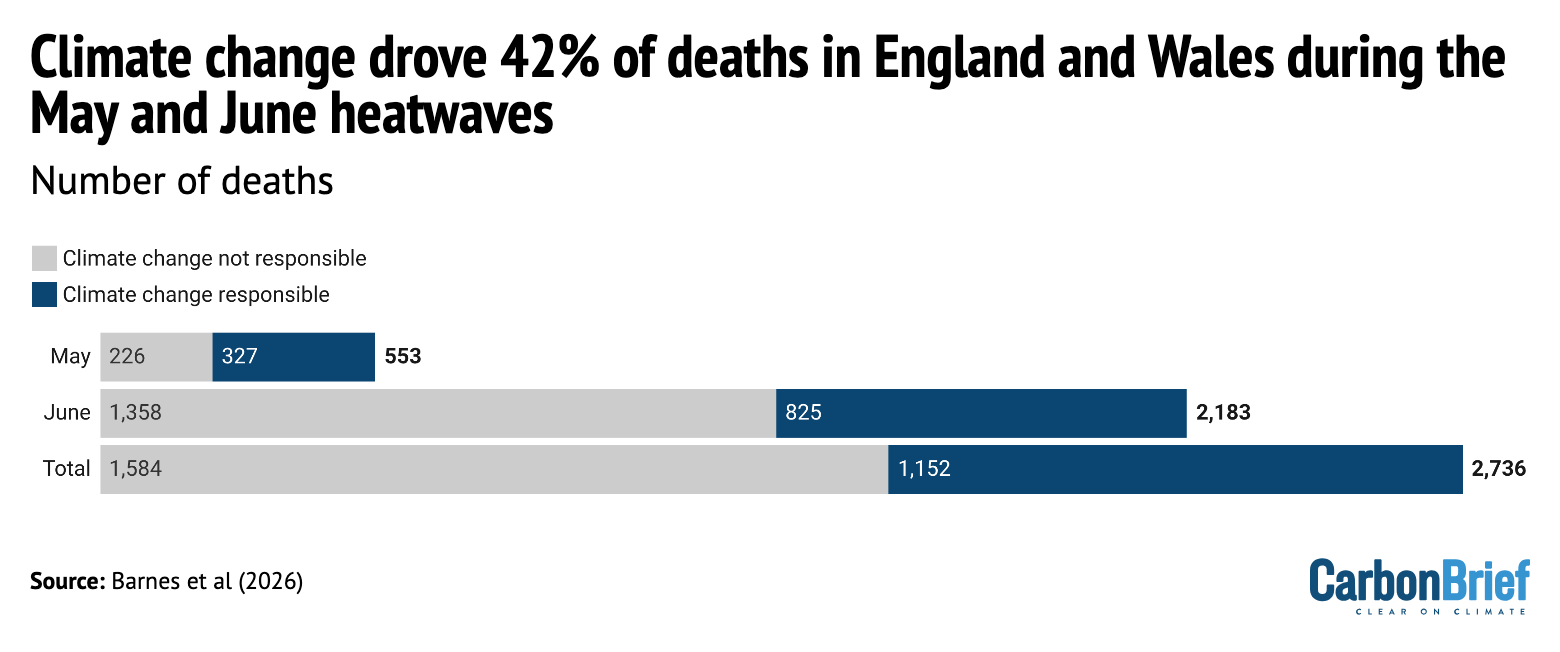
Liz Bentley, Chief Executive of the Royal Meteorological Society, noted that the abstract nature of climate change has vanished. "Climate change has been described by scientists for many years but is now increasingly being felt by the UK population in their own homes and communities," Bentley stated. This shift in public perception is backed by harrowing data. In England and Wales alone, more than 1,000 heat-related deaths during May and June 2026 have been directly attributed to anthropogenic climate change. This represents approximately 42% of all heat-related fatalities during that period.
The science of "event attribution"—which allows researchers to determine exactly how much more likely or intense a specific weather event was made by global warming—has become a vital tool for policymakers. By quantifying the human cost, researchers hope to drive more aggressive adaptation strategies, such as the retrofitting of homes for cooling and the expansion of urban green spaces to mitigate the "heat island" effect.
Conservation Success in the Amazon: The 2026 Turnaround
Amidst the atmospheric crises, there has been a significant breakthrough in tropical conservation. Reports from Al Jazeera indicate that deforestation in the Brazilian Amazon fell by 38% in the first half of 2026 compared to the same period in the previous year. This decline is largely attributed to the aggressive environmental enforcement policies reinstated under the administration of President Luiz Inácio Lula da Silva.
The timeline of this recovery suggests that political will remains the most potent tool in climate mitigation. Following years of record-high clearing rates, the Brazilian government has intensified its crackdown on illegal mining and cattle ranching in indigenous territories. The 38% drop represents the lowest level of deforestation in over a decade, providing a rare "carbon sink" victory in a year otherwise dominated by emissions concerns. Experts suggest that if this trend continues, the Amazon may regain its capacity to act as a vital buffer against global temperature rises, though they warn that the ecosystem remains dangerously close to a "tipping point" where it could transition into a dry savannah.
Cultural Institutions and the Advocacy for Planet Earth
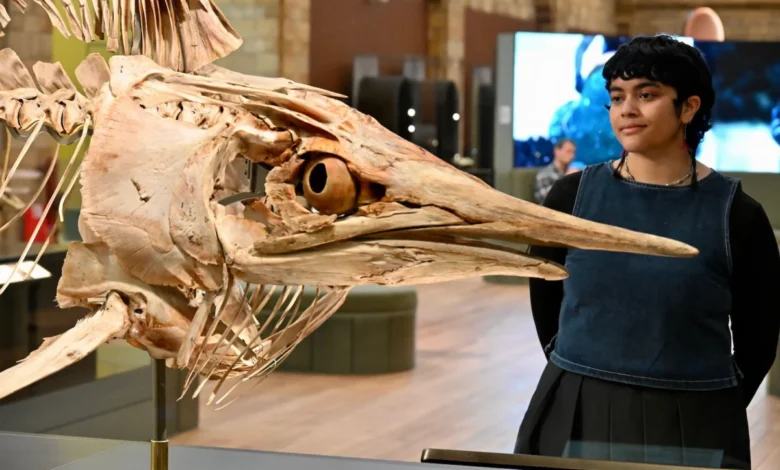
As the physical environment changes, cultural institutions are evolving to help the public process and respond to the crisis. London’s Natural History Museum (NHM) has launched its first permanent climate-themed exhibition, "Fixing Our Broken Planet." The initiative marks a departure from traditional "neutral" museum curation toward active advocacy.
Meaghan Macdonald, a senior project and programme manager at the NHM, explained that the museum’s goal is to act as a "convener of conversations" regarding the planetary emergency. "We find that a lot of the people who come into the gallery weren’t necessarily coming here to see it; they come across it, which is a really great way to engage people who may not have been engaged in that discussion previously," Macdonald said.
The exhibition utilizes a combination of scientific data and digital interactivity to foster a sense of "empowered hope." By asking visitors difficult ethical questions—such as whether the deep sea should be mined to provide minerals for the green energy transition—the museum encourages a move away from climate "doomism." This strategy is part of a broader movement among scientific institutions to "create advocates for the planet," bridging the gap between academic research and grassroots action.
Scientific Warnings: Worst-Case Scenarios and Historical Accountability
Despite the pockets of progress in conservation and education, the scientific community is issuing increasingly stern warnings about the future. Professor Peter Stott, a leading climate scientist, recently argued in The Conversation that researchers must be more transparent about "worst-case scenarios." Stott suggests that by focusing only on the most likely outcomes, scientists may be inadvertently leaving society unprepared for "low-probability, high-impact" events that could lead to systemic collapse.
This includes the potential for a "Godzilla" El Niño—an extreme version of the climate pattern that could disrupt global food supplies and trigger catastrophic flooding and droughts. David Wallace-Wells, writing for the New York Times, has emphasized that the world is currently entering a period of climate "volatility" that will test the limits of modern civilization’s resilience.
Furthermore, a burgeoning field of historical research is placing a new spotlight on the responsibility of major emitting nations. A recent investigation by the Center for International Environmental Law (CIEL) revealed that many of the world’s largest carbon-emitting countries were aware of the catastrophic risks of climate change decades earlier than they have previously admitted. This research is expected to fuel a new wave of international climate litigation, as developing nations—often the hardest hit by heatwaves and floods—seek "loss and damage" compensation from the industrialized North.
Implications for the Future: Adaptation or Transformation?
The events of mid-2026 demonstrate that the global climate strategy is shifting from a focus on long-term prevention to immediate crisis management. The "firewaves" in Europe and the air quality crises in North America are no longer anomalies; they are the baseline for the foreseeable future.
The data suggests three critical paths for the coming years:
- Infrastructural Resilience: Nations must redesign urban environments to survive extreme heat and fire, moving beyond traditional emergency response to "climate-proof" architecture.
- Political Accountability: The success in the Amazon proves that policy can reverse ecological decline, but it requires sustained international pressure and funding.
- Public Engagement: As demonstrated by the Natural History Museum, the fight against climate change requires a psychological shift. Moving the public from a state of "climate anxiety" to "climate advocacy" is essential for maintaining the political will necessary for deep decarbonization.
As the planet continues to warm, the distinction between "natural disasters" and "man-made climate events" is blurring. The "new normal" is not a static state, but a trajectory of increasing volatility. The primary question facing world leaders today is no longer whether the climate is changing, but how quickly human societies can adapt to a world that looks fundamentally different from the one in which they were built.