The Great Pivot: How Colleges Are Transforming the Admissions Process from Ivory Tower to Hospitality Industry

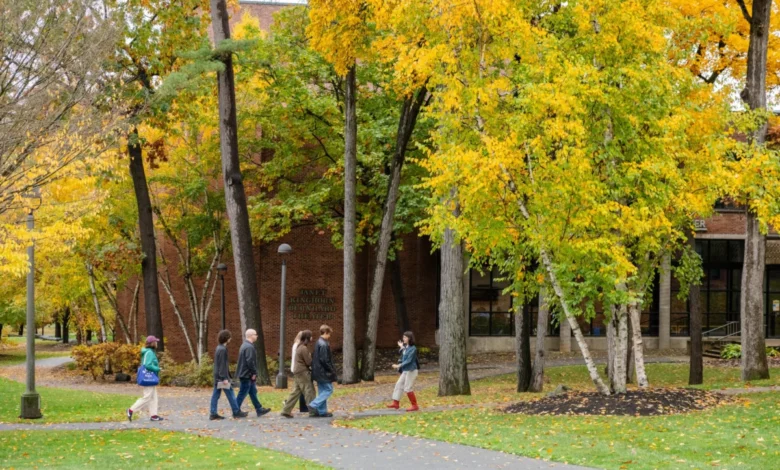
For generations, the American college admissions process was defined by a culture of exclusivity. Prospective students and their families often viewed institutions as gatekeepers, holding the keys to future success behind a veil of mystery and high-stakes rejection. However, a seismic shift in the higher education landscape is forcing colleges and universities to trade that "ivory tower" mentality for a new, customer-centric model of radical transparency and active recruitment.
The transformation is driven by a stark demographic reality: the pool of traditional-age college students is shrinking, and with it, the leverage that once allowed colleges to remain passive observers in the enrollment game. Across the country, from small liberal arts colleges in New York to public research universities in the Midwest, institutions are moving to dismantle the intimidating barriers that have historically characterized the path to higher education.
The Demographic Cliff and the Changing Landscape
The urgency behind this shift is rooted in the "enrollment cliff," a phenomenon widely discussed by higher education economists. The number of high school graduates in the United States is projected to decline by approximately 13 percent between 2025 and 2041. This decline, coupled with a shifting public perception regarding the necessity of a four-year degree, has created a hyper-competitive market. According to the Bureau of Labor Statistics, the percentage of high school graduates opting to enroll in college immediately after graduation has dropped from 70 percent in 2016 to 63 percent in 2024.
This contraction in the applicant pool has left many institutions scrambling to meet enrollment targets. A survey by the ratings platform Niche found that two-thirds of college admissions leaders failed to meet their enrollment goals in at least one of the last two years, with 97 percent anticipating that competitive pressures will only intensify in the coming decade.
From Gatekeepers to Partners
In response, the admissions process has become significantly more accessible. The era of the "unreachable" college is fading for the vast majority of institutions. Data from the National Association for College Admission Counseling (NACAC) reveals that the average acceptance rate for first-time applicants at public universities has climbed to nearly 80 percent, while private, nonprofit institutions are accepting approximately 70 percent of applicants.

To facilitate this ease of access, many states have implemented direct admissions programs. In 17 states, public university systems now offer admission to high school students without requiring a traditional application. Furthermore, the Common App, which serves over 1,200 institutions, has facilitated direct admission offers for over 150 private colleges. Despite these trends, a significant gap remains between perception and reality. A Pew Research Center survey indicates that more than 40 percent of young adults still believe that getting into college is more difficult today than it was for their parents—a misconception fueled by the hyper-visibility of elite institutions that accept fewer than 5 percent of applicants.
Skidmore College and the Faculty Recruitment Model
At the forefront of this shift toward "campus hospitality" is Skidmore College in Saratoga Springs, New York. While the institution has maintained a healthy application volume, its leadership recognizes that the broader headwinds affecting higher education necessitate a fundamental change in how they interact with prospective students.
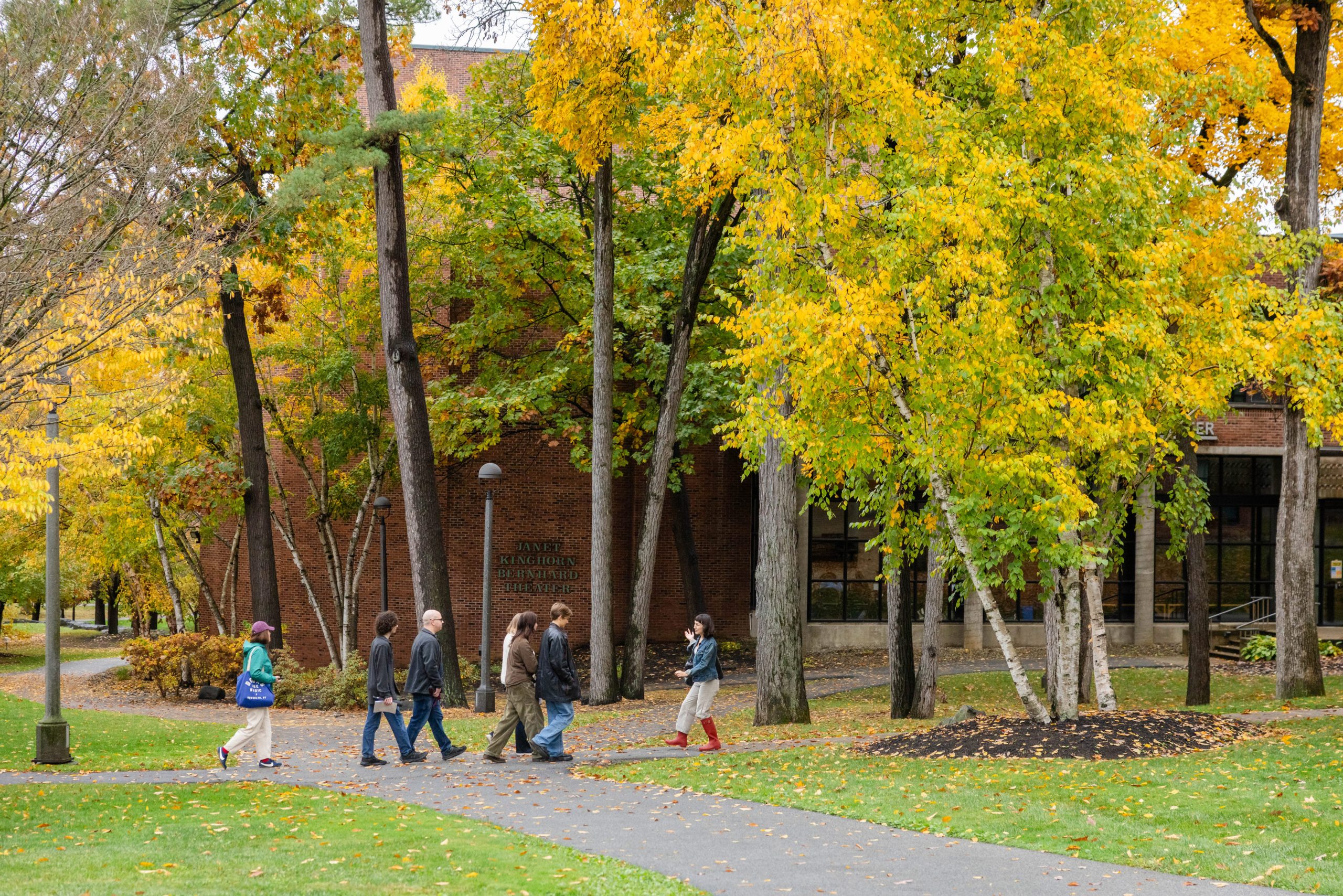
Skidmore has moved beyond traditional admissions office outreach by enlisting faculty members as active participants in the recruitment process. This strategy, which is being mirrored by schools like Ohio Northern University and Washington College, involves faculty in the daily life of recruitment—inviting prospective students into labs, classrooms, and offices.

Jess Ricker, Skidmore’s vice president for enrollment, argues that this approach is essential for demonstrating the "value proposition" of the college. By allowing students to interact directly with the people who will be teaching them, the institution creates a sense of belonging that standard marketing brochures cannot replicate. This "all-in" approach, as some industry consultants call it, requires a cultural shift on campus. For faculty who have traditionally viewed their role as strictly pedagogical, the request to participate in marketing can be a source of tension. However, when framed as a necessity for institutional health and program funding, the resistance often gives way to collaboration.
The Economic Imperative of Yield
The push for increased engagement is also a strategic move to manage "yield"—the percentage of accepted students who actually decide to enroll. As students apply to an increasing number of colleges—averaging more than seven applications per person via the Common App—colleges find it increasingly difficult to predict their final class size.
Between 2014 and 2024, the average yield for public universities dropped from 32 percent to 22 percent, while private nonprofits saw a decline from 24 percent to 18 percent. This volatility forces colleges to admit significantly more students than they have space for, making the "follow-through" phase of recruitment critical. Every interaction, from a campus tour guide’s attitude to a professor’s willingness to answer an email, is now viewed as a potential factor in a student’s final decision.

Institutional Consequences and Sustainability
The implications of this transition are profound. For smaller, private, nonprofit colleges, the failure to adapt to this competitive environment can lead to existential threats. As Johnnie Johnson, vice president for enrollment management at Washington College, noted, faculty members are increasingly aware that enrollment numbers are tied directly to their own job security and the survival of their academic programs.
This realization has fostered a more unified approach to recruitment across campuses. At Skidmore, the effort to make students feel like "insiders" during their visits has resulted in hundreds of face-to-face meetings between prospective students and faculty. Dr. Becca Johnson, chair of the psychology department, emphasizes that this transparency is what modern, "savvy" applicants are looking for. By treating students as partners rather than just statistics, institutions are finding that they can better distinguish themselves in a crowded marketplace.
Future Outlook for Admissions
As the higher education industry continues to grapple with the dual pressures of declining demographics and shifting societal expectations, the "hospitality model" of admissions is likely to become the new standard. The ivory tower is being renovated into an open, accessible space where the goal is no longer to reject the many to serve the few, but to cultivate a community that attracts and retains a diverse and engaged student body.

While the "brand" power of elite institutions remains, the vast majority of the U.S. higher education system is entering a period where the student, rather than the institution, holds the primary decision-making power. For colleges that can successfully navigate this shift, the rewards are clear: a more stable, committed, and vibrant campus community. For those that cling to the rigid, secretive practices of the past, the path ahead remains increasingly precarious. The institutions that thrive in the coming decades will be those that have learned the simple, yet transformative, art of the invitation.
Related posts: