The Great Standoff: Why American School Districts Refuse to Shrink Despite Plummeting Enrollment

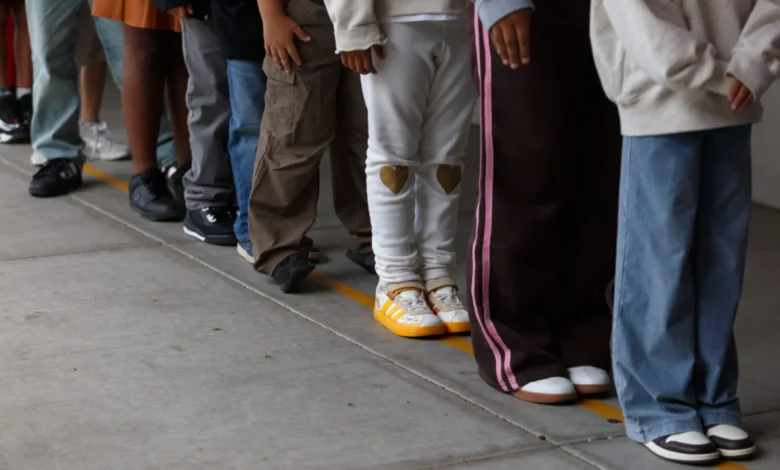
Nearly four decades ago, state auditors delivered a blunt, fiscal ultimatum to Seattle Public Schools: the district was operating far too many campuses for its shrinking student population and needed to consolidate to avoid a looming budget catastrophe. The reaction from the community was immediate and vitriolic. Faced with fierce neighborhood outcry and political backlash, district officials quietly shelved the recommendations, choosing to absorb the financial strain rather than face the voters.
Thirty-four years later, history repeated itself with uncanny precision. In 2024, Seattle’s then-superintendent proposed shuttering nearly 20 percent of the district’s schools to align operational costs with a dwindling enrollment base. Once again, the proposal was scrapped in the face of intense public opposition. Today, the district finds itself trapped in the exact same financial quagmire, with mounting resistance already forming against a new attempt to shutter nearly a dozen campuses. This cycle of procrastination and avoidance is not unique to the Pacific Northwest; it is part of a national paralysis currently gripping American school boardrooms, where the mathematical reality of declining birth rates and shifting demographics collides with the intense emotional attachment communities have to their local schools.
A National Pattern of Demographic Shift
The roots of this crisis are embedded in a profound demographic shift. According to a seminal study by researchers Thomas Dee and Jaymes Pyne at Stanford University, public school enrollment across the United States has plummeted by more than 1.4 million students since the onset of the COVID-19 pandemic. This decline is not merely a transient effect of the pandemic, but the acceleration of a long-term trend driven by plummeting birth rates and an increasingly robust ecosystem of school choice, including charter schools, private institutions, and homeschooling.
Despite this tectonic shift in the student population, the physical footprint of the American public school system has remained largely static. The Stanford data reveals a startling disparity: one out of every four public schools in the United States has lost 15 percent or more of its student population since 2019. In Seattle specifically, enrollment has dipped roughly 8 percent since that year, leaving the district with fewer than 49,000 students. While the desks sit empty, the number of schools in operation has stayed virtually unchanged. More paradoxically, the national headcount of teachers has actually grown by 1 percent, creating a fiscal mismatch that is becoming increasingly unsustainable for local governments.
The Illusion of Pandemic-Era Stability
The current budget crises facing districts are, in part, a hangover from the massive infusion of federal pandemic relief. During the COVID-19 crisis, school districts received over $190 billion in federal aid. This one-time influx allowed administrators to maintain existing staffing levels and infrastructure despite the shrinking student body. However, that federal well has now run dry. As districts transition back to local funding, they are forced to confront the harsh reality of structural deficits that have been masked for years.
Adding to the complexity is the rising cost of operations. The needs of the modern student body are becoming more acute, with rising diagnoses for disabilities that require specialized, expensive interventions. Furthermore, many students have yet to bridge the achievement gaps that widened during the pandemic. As districts scramble to meet these needs while tax bases remain stagnant or insufficient, the "Hamlet-like" indecision mentioned by researcher Thomas Dee—where leaders dither over the necessity of consolidation—is becoming an expensive luxury. "We’ve never had more teachers per student in our nation’s history," Dee noted, highlighting the inefficiency of maintaining large, under-enrolled facilities.
The Fiscal Limits of Consolidation
While the push for school closures is often framed as a "necessary evil" to balance the books, the economic benefits are frequently overstated. Research from diverse regions including California, Chicago, and Arkansas suggests that closing a school provides, at best, a modest and temporary reprieve from fiscal distress.
Liza Rankin, a member of the Seattle school board since 2019, points out that approximately 80 percent of a typical district’s budget is locked into employee salaries and benefits. "The conversation really should be about the educational experience: How do we better serve the students with the resources we have left?" Rankin stated. "Closing schools doesn’t save much money to begin with. Payroll is where the big money is."
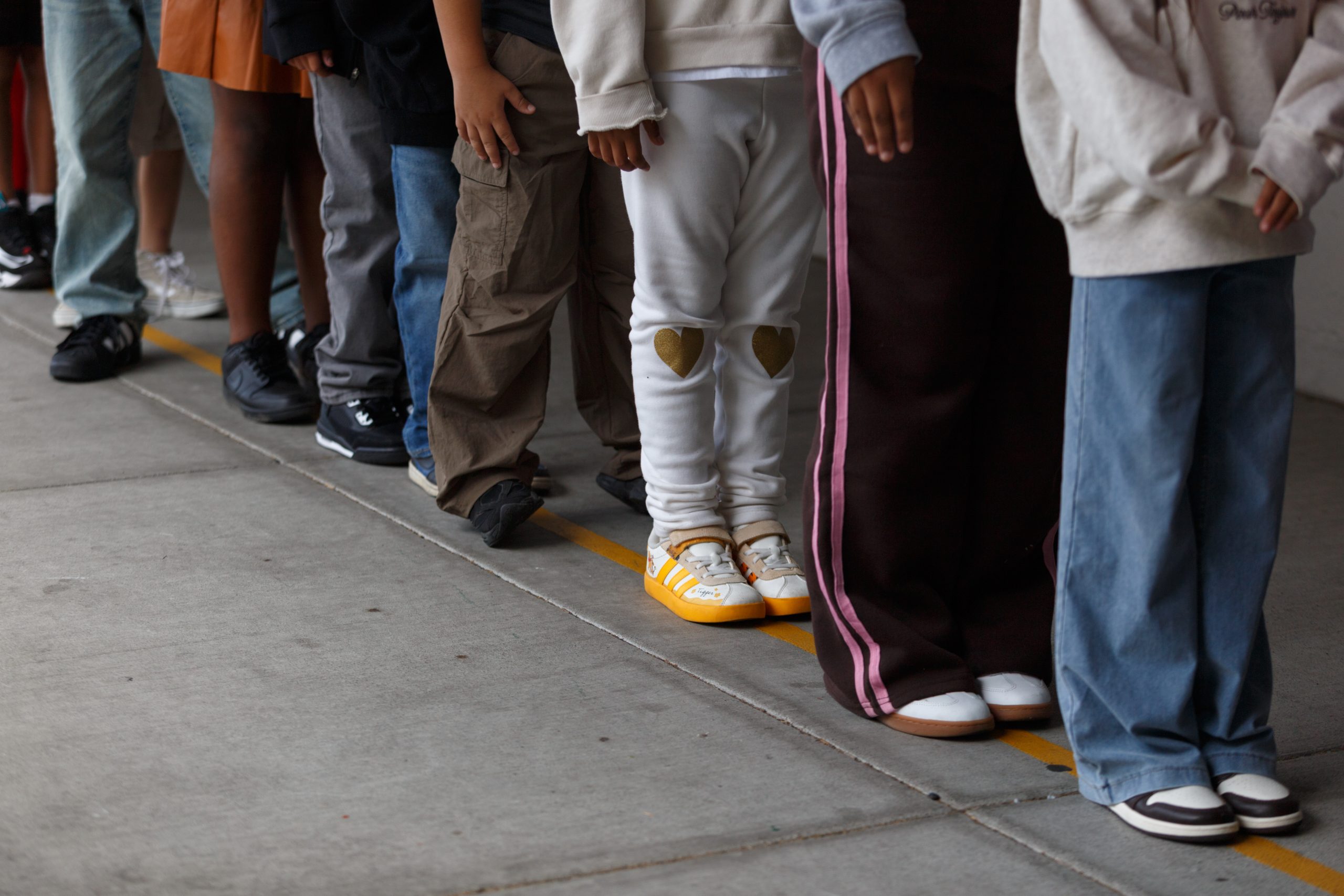
This reality has led many district leaders to adopt "kicking the can" strategies, such as tapping into one-time reserve funds or making superficial administrative cuts that fail to address the core issue of over-capacity.
Case Study: The San Francisco Unified Dilemma
The struggle to manage this decline is perhaps best exemplified by the San Francisco Unified School District (SFUSD). With enrollment having fallen 10 percent since 2019, the district faced a $100 million-plus deficit in 2024. The administration proposed closing more than a dozen schools, a plan that descended into chaos and contributed to the resignation of the superintendent.
In an attempt to stabilize the district, a new superintendent negotiated a $183 million contract with the United Educators of San Francisco (UESF) to resolve a historic teachers’ strike. While the district’s most recent budget projections suggest that the structural deficit might be addressed next year through early retirements and central office consolidation, the fiscal outlook remains grim. Projections indicate a $26 million deficit looming in the following fiscal year.
Labor unions, however, remain skeptical of the "crisis" narrative. A UESF spokesperson argued that the district’s "rainy day" funds could provide the necessary buffer to avoid closures. However, financial experts warn that this is a dangerous gamble. Jason Willis, a school finance expert with the research group WestEd, notes that using reserves to cover ongoing operational costs like salaries is a temporary fix that fails to address structural decay. "That could buy them more time, maybe provide another year of planning, but it doesn’t come close to resolving the structural issues that San Francisco has," Willis said. The district’s reserve fund, which stood at $139 million last year, is expected to dwindle to $52 million within two years.
The Risk of State Intervention
The long-term danger of local boards failing to manage these declines is the encroaching threat of state intervention. Across the country, the number of state takeovers of local school districts is on the rise. At least 21 such takeovers have occurred since 2023, often driven by intense political pressure from state legislatures in both red and blue states.
When a state takes over a district, the local democratic process is typically bypassed. School board members and superintendents lose the authority to make granular decisions about their budgets, and the resulting layoffs or school closures are often executed with a lack of local input. For communities that resist school closures today, the alternative—a state-mandated restructuring tomorrow—could prove far more disruptive and less sensitive to student needs.
"If they don’t manage their finances well, there’s always the specter of some really disruptive state oversight," Thomas Dee warned.
Conclusion: The Unavoidable Pivot
The path forward remains fraught with political risk. Research consistently shows that closing schools can negatively impact the academic progress of students, and teacher layoffs can be even more detrimental to the learning environment. Yet, the status quo is increasingly untenable. Districts are caught between the immediate, vocal opposition of local parents who fear the loss of community hubs and the cold, mathematical reality that the current model of school infrastructure was built for a student population that no longer exists in the same numbers.
As school districts across the U.S. head into the next budget cycle, the pressure to evolve will only increase. Whether through creative repurposing of facilities, administrative streamlining, or difficult conversations about consolidation, the era of ignoring demographic reality is coming to a close. The question for leaders is no longer whether they can afford to keep every school open, but how they can manage the inevitable contraction in a way that minimizes the damage to the students they are sworn to educate. The history of Seattle’s cycle of avoidance serves as both a roadmap of what to avoid and a cautionary tale for any district currently choosing to defer the difficult decisions of the present.