USDA Proposed Rule to Eliminate Broad-Based Categorical Eligibility Threatens School Meal Access and Summer Benefits for Millions of Children

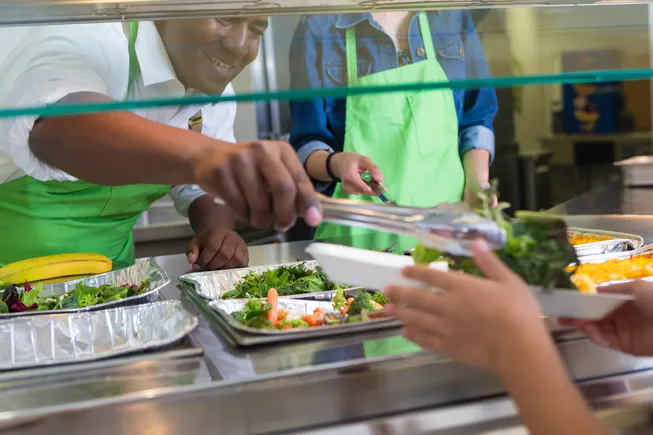
A sweeping new policy proposal advanced by the United States Department of Agriculture threatens to upend nutrition assistance for millions of American children by dismantling a key mechanism that links food stamps to free school and summer meals. The proposed rule, which targets a state option known as broad-based categorical eligibility, has ignited sharp warnings from anti-hunger advocates, school administrators, and policy analysts who warn the measure will exacerbate child hunger, strain school district budgets, and introduce heavy administrative burdens across the country.
The rule sits at the center of an intensifying national debate over the future of federal nutrition safety nets, arriving on the heels of major legislative cuts and ongoing budgetary strains for local educational agencies. As the public comment window draws to a close, education and nutrition stakeholders are mobilizing to challenge a policy they argue could deliver a severe blow to vulnerable families.
Understanding the Mechanics of Broad-Based Categorical Eligibility
At the heart of the proposed regulatory shift is the USDA’s plan to eliminate broad-based categorical eligibility, commonly referred to as BBCE. Established as an administrative flexibility for states, BBCE allows state governments to streamline the application process for the Supplemental Nutrition Assistance Program—formerly known as food stamps—for households that already qualify for other low-income assistance programs.
More than 40 states and the District of Columbia currently utilize BBCE to raise or eliminate gross income thresholds for SNAP, allowing families with modest savings or slightly higher earnings to access food assistance without facing prohibitive bureaucratic hurdles. Crucially, enrollment in SNAP serves as a direct pipeline to other vital federal safety net offerings. Under current federal guidelines, children who live in households receiving SNAP are automatically certified for free breakfast and lunch programs at school, bypassing the need to submit separate, detailed financial applications.
By dismantling BBCE, the USDA’s proposed rule would simultaneously sever this automatic qualification pathway. The department itself has openly acknowledged the downstream consequences of its proposal in regulatory filings. In its published framework, the USDA noted that the elimination of BBCE "may result in some level of increased administrative burden on states, a reduction in SNAP benefit spending, and associated effects on school meals eligibility."
The Ripple Effects on School Meals and Summer EBT
The potential fallout of the USDA’s policy extends far beyond grocery assistance, striking directly at school cafeterias and seasonal food security programs. According to projections from the Food Research & Action Center, the rule will sharply curtail access to free school meals, driving up rates of student hunger both inside and outside the classroom.
"Eliminating BBCE would reduce access to free school meals, making children hungry at home and at school," FRAC stated in a formal release. "Children who lose SNAP are no longer automatically eligible for free school meals."
The impact is similarly pronounced for seasonal programs designed to combat food insecurity when academic instruction pauses. The USDA estimates that approximately 42,000 children could lose eligibility for the Summer Electronic Benefit Transfer program beginning in the summer of 2029. The SEBT initiative provides $120 in grocery benefits per eligible school-age child during the summer months, a crucial intervention for families who rely heavily on school-provided breakfast and lunch during the academic year.
Furthermore, the rule threatens the viability of the Community Eligibility Provision, a federal option that allows high-poverty schools to provide universal free meals to all students without collecting individual applications. CEP funding relies on calculating the percentage of "identified students" who are directly certified through programs like SNAP. When SNAP enrollment drops due to policy restrictions, the identified student percentage falls, potentially pushing schools below the threshold required to sustain universal free meals. FRAC officials have expressed grave concern that the operational fallout for schools could prove "far worse than projected."
A Timeline of Recent Legislative and Administrative Pressures
The latest USDA proposal does not exist in a vacuum. It represents the most recent chapter in a series of federal policy shifts and legislative actions under the second Trump administration that have placed unprecedented stress on school nutrition programs.
The fiscal challenges facing school districts have accumulated rapidly over recent years:
- June 2022: The expiration of nationwide, pandemic-era universal school meals marked a critical turning point. A study published in September in the Journal of Nutrition Education and Behavior found that teachers subsequently reported noticeable increases in student hunger and behavioral disruptions that directly impaired academic focus.
- July 2025: The Republican-led "One Big, Beautiful Bill Act" went into effect. The sweeping legislation was projected to reduce SNAP participation by roughly 2.4 million people per month on average between 2025 and 2034. This dramatic contraction immediately put school meals at risk as millions of children lost their direct certification pathways. The OBBBA changes delivered a tangible blow to school districts nationwide; in Illinois alone, 47 fewer schools and 15 fewer districts were able to participate in CEP between the 2024-25 and 2025-26 school years.
- Fall 2025: A prolonged government shutdown forced school systems and local government agencies to scramble, implementing emergency outreach and supplemental support networks to assist low-income families facing the sudden lapse or expiration of federal benefits.
- May 2026: A comprehensive report released by FRAC revealed that 74% of school districts nationwide expressed deep concern regarding the impact of looming federal budget cuts to SNAP and Medicaid on their daily operations.
- September 2026: Data published by AASA, The School Superintendents Association, indicated that a decisive majority—67%—of school superintendents viewed current federal funding levels as a moderate or significant hindrance to maintaining viable school meal programs. To bridge the gap, two in five district leaders reported diverting funds from other budgetary line items, dipping into emergency rainy day reserves, or deferring essential facility maintenance upgrades simply to cover the cost of feeding students.
Public Comment Period and Democratic Response
The regulatory process for the proposed rule has drawn intense public scrutiny. The public comment period closes on Dec. 10, and stakeholders across the advocacy, education, and social services sectors have rushed to register their positions. By Thursday, the proposal had already accumulated over 200 public comments, reflecting the high-stakes nature of the debate.
Opponents of the rule argue that tightening eligibility standards during a period of persistent economic uncertainty runs counter to public health data and educational outcomes. Nutritional scientists and educators have long maintained that reliable access to food is a foundational prerequisite for cognitive development, classroom engagement, and academic achievement. When children face food insecurity, teachers consistently report diminished attention spans, higher rates of absenteeism, and behavioral challenges that undermine the learning environment.
As the comment window closes and the USDA prepares to review the feedback, school district leaders and anti-hunger coalitions are bracing for a prolonged administrative battle. The outcome of the proposed rule will ultimately determine whether federal policy moves toward expanding safety net protections for children or erecting further bureaucratic barriers between vulnerable students and the meals they need to thrive.