BYD Unveils the Upgraded 2027 Atto 2 (Yuan Up) Featuring Extended Range Options and Lower Pricing


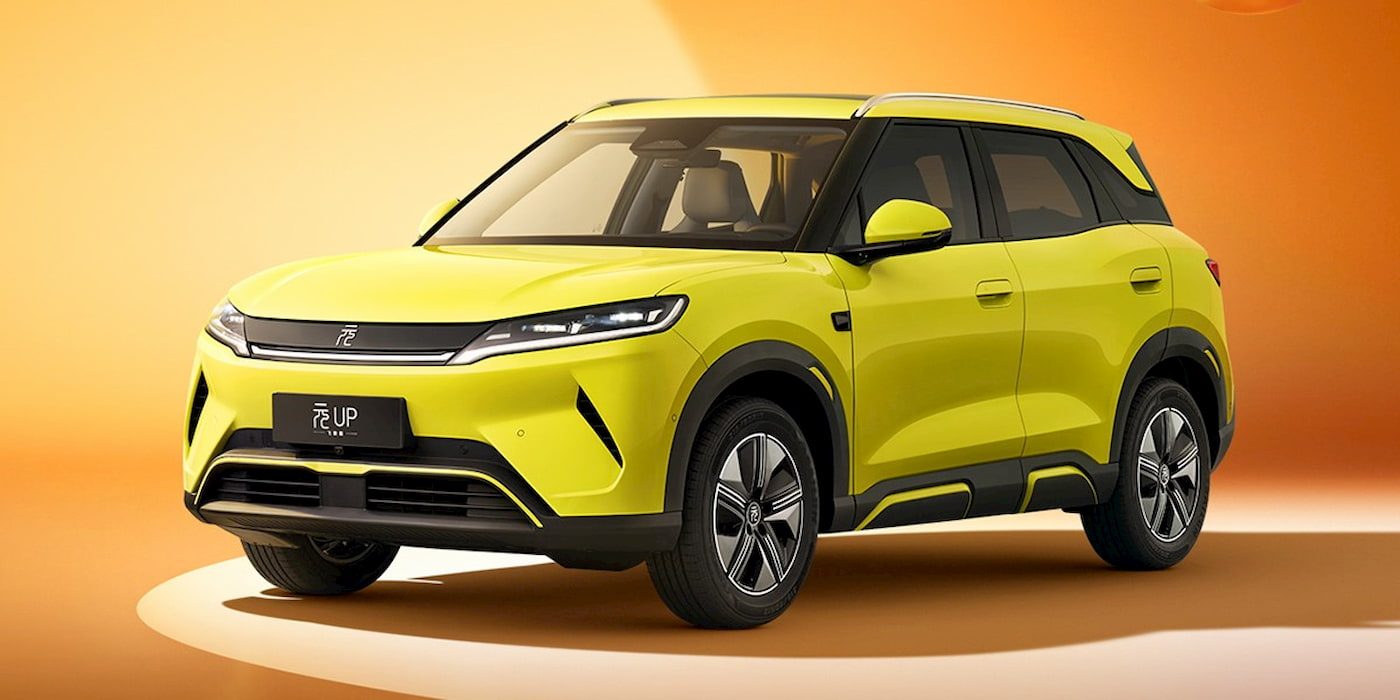
Electric vehicle giant BYD has officially launched the heavily updated 2027 iteration of its popular compact electric SUV, known domestically as the Yuan Up and globally across Europe, the United Kingdom, and various international markets as the Atto 2. Debuting in China on Thursday, the refreshed lineup introduces an impressive new long-range battery variant, a comprehensive technological overhaul, and significantly more aggressive pricing structures. This strategic maneuver is designed to fortify BYD’s dominant standing within the fiercely competitive global and domestic sub-compact EV sectors, where affordability and battery efficiency dictate market leadership.
Market Positioning and Global Sales Momentum
The BYD Yuan Up, or Atto 2, occupies a vital tier in the manufacturer’s extensive vehicle ecosystem, positioned directly below its larger sibling, the Yuan Plus (marketed globally as the Atto 3). Over the past several years, BYD has aggressively expanded its footprint across multiple continents, establishing itself as a formidable challenger to traditional automotive giants and pure-play electric vehicle pioneers alike.
According to global EV market tracking data compiled by CleanTechnica for the first half of 2026, the BYD Yuan Up and Atto 2 ecosystem secured its position as the fifth best-selling electric vehicle globally. It trailed only established heavyweights such as the Tesla Model Y, the Tesla Model 3, BYD’s own larger Song/Seal U series, and Geely’s competing EX2 hatchback. This widespread consumer adoption underscores the universal appeal of practical, cost-effective urban electric mobility. By refreshing the Atto 2 family with enhanced specifications and reduced price points, BYD aims to capture an even larger share of budget-conscious consumers transitioning away from internal combustion engine (ICE) vehicles.
Pricing, Trims, and Limited-Time Subsidies
The newly launched 2027 BYD Atto 2, marketed under the "Flying Spur" edition moniker in specific promotional contexts, is available across a tier of five distinct trim levels. The standard retail pricing structure spans from 74,800 yuan to 104,800 yuan, which translates approximately to $11,000 to $15,500 USD based on current currency exchange rates.
To stimulate immediate consumer demand and accelerate inventory turnover, BYD has concurrently introduced a limited-time "super replacement" trade-in and purchase subsidy valued at 5,000 yuan across the entire lineup. When factoring in this promotional discount, the effective purchase price range drops further to between 69,800 yuan and 99,800 yuan, roughly equating to $10,000 to $14,500 USD.
Notably, while the entry-level variant maintains its accessible price ceiling, mid-tier and higher-performance configurations have seen dramatic price cuts. For instance, the variant offering a 401-kilometer range is now priced approximately 18,000 yuan—or roughly $2,500 USD—lower than its predecessor in the previous model year, making long-range electric motoring exceptionally accessible.
Powertrain Upgrades and Expanded Range Options
Vehicle architecture and energy storage remain focal points of the 2027 refresh. The vehicle retains its familiar foundation while introducing a crucial upgrade at the top end of the performance spectrum.
The entry-level specifications continue to offer proven capacity options, utilizing a 32 kWh battery pack tailored for shorter urban commutes, delivering a China Light-Duty Vehicle Test Cycle (CLTC) estimated range of 301 kilometers. Stepping up to the intermediate tier reveals a 45.12 kWh battery pack, which pushes the CLTC driving range to 401 kilometers.
However, the headline engineering addition for the 2027 model year is the introduction of a brand-new "Excellent" variant. This top-tier trim incorporates a substantially larger 51.13 kWh battery pack, stretching the vehicle’s maximum CLTC driving range to an impressive 501 kilometers on a single charge. This addition effectively addresses range anxiety for drivers seeking a compact urban vehicle capable of occasional long-distance intercity travel without requiring frequent recharging stops.
Exterior Dimensions and Vehicle Architecture
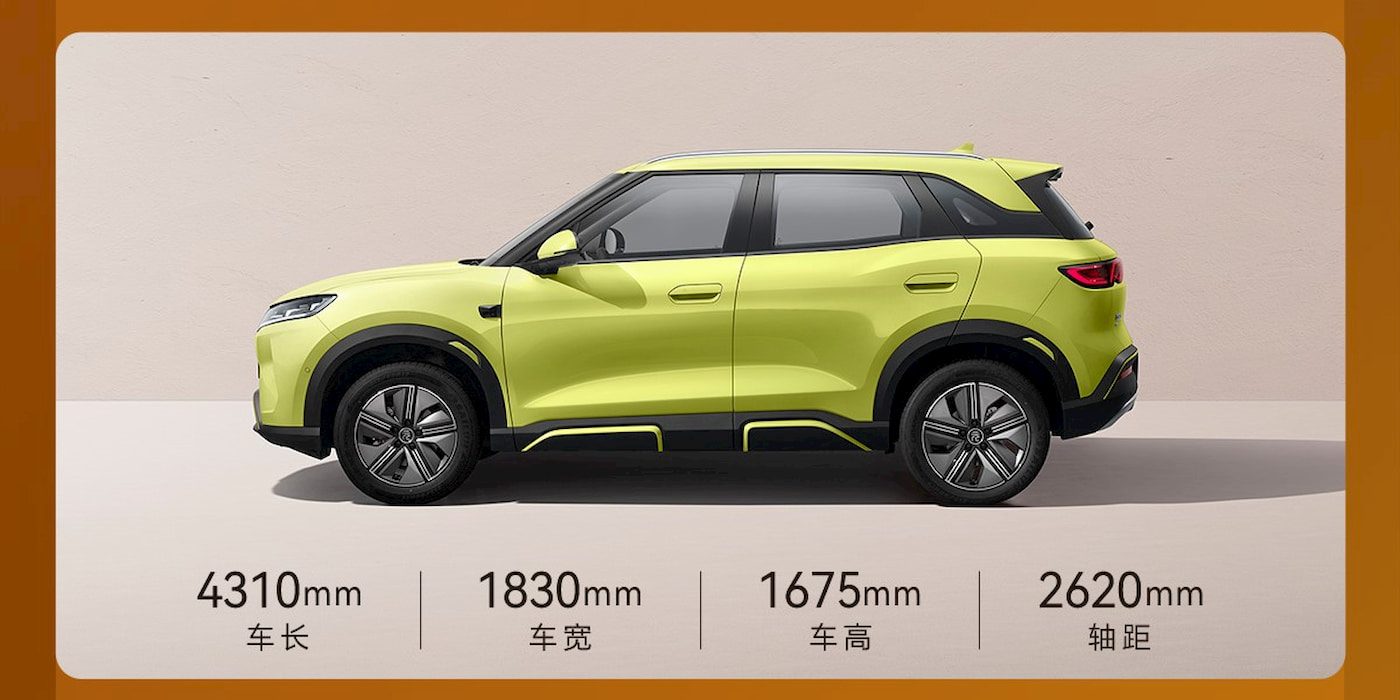
Despite the substantial internal and mechanical revisions, the exterior footprint of the 2027 BYD Atto 2 remains steadfastly consistent with previous iterations. Built upon the dedicated e-Platform 3.0 architecture, the compact SUV maintains a length of 4,310 millimeters, a width of 1,830 millimeters, and a height of 1,675 millimeters, anchored by a wheelbase spanning 2,620 millimeters.
To provide a familiar point of comparison for global consumers, these physical dimensions place the Atto 2 firmly in the same size category as popular internal combustion and hybrid crossovers like the Hyundai Kona. This compact yet utilitarian footprint ensures the vehicle remains nimble and easy to park in congested urban environments while offering sufficient cabin volume and ground clearance to satisfy modern crossover buyers.

Interior Technology and Smart Cockpit Enhancements
Stepping inside the cabin, the 2027 model showcases a thorough redesign aimed at elevating perceived quality and technological integration. The driver interface has been modernized with the adoption of a contemporary two-spoke steering wheel, complemented by a convenient column-mounted electronic gear shifter that frees up valuable center console storage real estate.
Information and entertainment are managed through a prominent 12.8-inch rotating smart infotainment touchscreen, paired directly with an 8.8-inch full LCD instrument cluster providing clear telemetry to the driver. All trim levels of the upgraded lineup come equipped as standard with BYD’s proprietary DiLink 100 Advanced Smart Cockpit software suite. This platform features rapid intelligent voice recognition control, seamless smartphone integration, and multiple customizable visual themes tailored to user preferences.
Advanced Driver Assistance Systems (ADAS)
Safety and convenience technologies have also received a notable boost. Every version of the 2027 Atto 2 is outfitted with a comprehensive 360-degree panoramic imaging system, significantly mitigating blind spots during tight maneuvers and low-speed parking operations.
Furthermore, higher-tier variants feature compatibility with BYD’s advanced driver assistance system, widely referred to in domestic markets as the "God’s Eye C" system. This sophisticated suite introduces high-level autonomous driving features to the sub-compact segment, including Navigate on Autopilot (NOA) capabilities for highway driving and Remote Parking Assist, allowing operators to maneuver the vehicle into tight spaces using an external smartphone interface.

Competitive Landscape and Strategic Implications
The debut of the upgraded 2027 BYD Atto 2 highlights the relentless competitive pressure defining the modern electric vehicle landscape. BYD is locked in a fierce battle for market share within the most high-volume segments of the automotive industry. The Atto 2 faces stiff domestic and international competition from rivals such as the Geely Xingyuan (marketed internationally as the EX2), which have similarly targeted aggressive price points and advanced software ecosystems to capture buyer interest.
Industry analysts note that BYD’s ability to simultaneously lower prices, expand driving ranges, and integrate sophisticated computing hardware demonstrates the company’s formidable vertical integration and supply chain mastery. By manufacturing core components—such as batteries and semiconductors—in-house, BYD retains the financial flexibility to absorb margin pressures while undercutting legacy foreign automakers.
As the Atto 2 rolls out to international markets throughout the remainder of the year, its reception will serve as a crucial barometer for how quickly affordable, high-technology electric vehicles can displace traditional combustion-engine segments across Europe, Asia, and Latin America.