The Untold Story Behind Lizzie Borden And Her Maid Bridget Sullivan In Ryan Murphys Monster Series

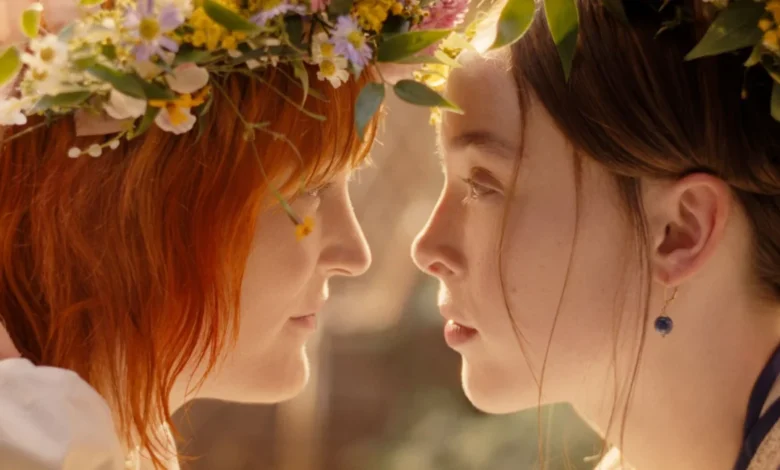
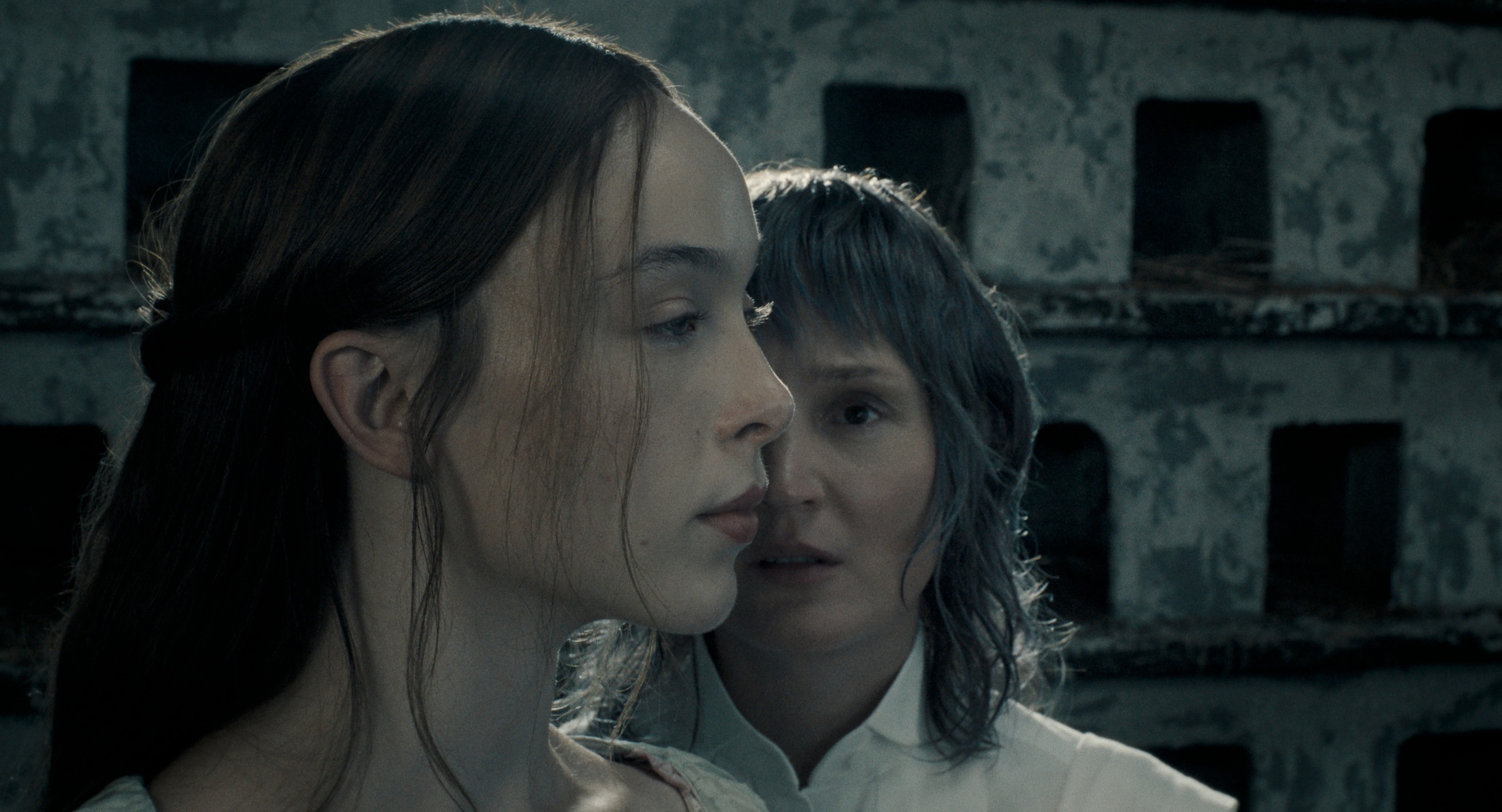
The 1892 murders of Andrew and Abby Borden in Fall River, Massachusetts, remain one of the most enduring and heavily scrutinized mysteries in American true-crime history. More than a century after the horrific hatchet killings shook the quiet New England community, the case continues to captivate the public imagination, inspiring folk rhymes, scholarly books, cinematic adaptations, and television projects. The latest retelling arrives via Netflix’s popular anthology franchise under the creative direction of Ryan Murphy, titled Monster: The Lizzie Borden Story. Starring Ella Beatty as the infamous defendant and Vicky Krieps as the family’s live-in Irish maid, Bridget Sullivan, the miniseries dives deep into the claustrophobic atmosphere of the Borden household. Among the narrative threads explored in the drama is an alleged romantic and intimate relationship between Lizzie Borden and Bridget Sullivan, bringing a century-old speculation back into the cultural spotlight.
To understand the weight of these dramatic interpretations, it is essential to examine the historical reality of Bridget Sullivan, her role in the household, her testimony during the sensationalized trial, and how modern fiction has transformed a standard employer-employee dynamic into a compelling piece of speculative historical fiction.
The Origins of the Borden-Sullivan Romance Theory
While modern adaptations portray an intense, romantic, and emotionally liberating bond between Lizzie Borden and Bridget Sullivan, historical records indicate that their relationship was strictly professional. The theory of a romantic or clandestine affair between the two women did not originate from trial records, contemporary gossip, or police investigations from 1892. Instead, it was first conceptualized nearly a century later by novelist Evan Hunter.
Writing under the pen name Ed McBain, Hunter published the fictional novel Lizzie in 1984. In his book, McBain put forward a dramatic, speculative narrative: he theorized that Lizzie committed the murders after her secret romantic relationship with Sullivan was discovered by her strict stepmother, Abby Borden. According to McBain’s fictionalized account, Abby reacted with severe moral outrage upon catching the two women together. In a fit of rage, Lizzie allegedly retaliated by striking Abby with a heavy candlestick. McBain further theorized that Lizzie subsequently confessed the relationship to her father, Andrew Borden, later that morning. When Andrew reacted with equal hostility, Lizzie allegedly carried out a second attack, murdering him as well.
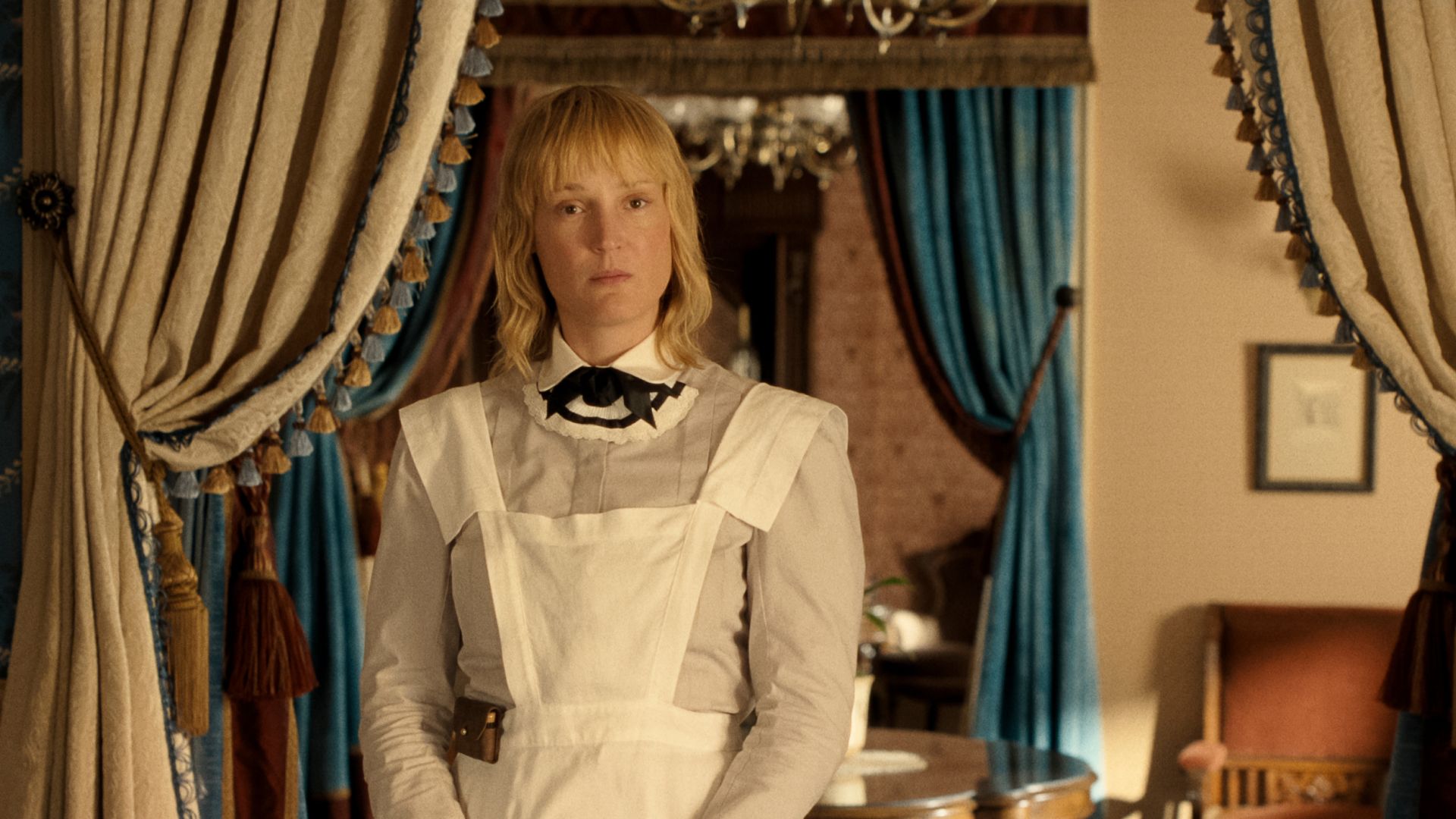
While McBain’s novel was explicitly framed as fiction, it planted a seed in popular culture. The speculative romance narrative was later adapted into the 2018 biographical psychological thriller film Lizzie, directed by Craig William Macneill and written by Bryce Kass. In the film, Chloë Sevigny starred as Lizzie Borden alongside Kristen Stewart as Bridget Sullivan. The critically acclaimed movie further cemented the idea of a romantic partnership in the public consciousness, blurring the lines between verified history and dramatic license. Ryan Murphy’s Monster series continues this tradition, utilizing the unproven romance to explore themes of female repression, class disparity, and forbidden desire within a rigid Victorian setting.
Fact Versus Fiction: The True Nature of Bridget Sullivan and Lizzie Borden’s Relationship
Despite the dramatic liberties taken by filmmakers and novelists, historians and legal experts agree that there is no contemporary evidence to support the existence of an affair between Lizzie Borden and Bridget Sullivan.
Bridget Sullivan, frequently referred to as "Maggie" by the Borden family to avoid confusion with another household domestic named Bridget, emigrated from Ireland to the United States seeking employment. She found work with Andrew and Abby Borden approximately three years prior to the 1892 murders. As a live-in domestic servant, Sullivan occupied a small, austere room in the attic of the Borden residence at 92 Second Street. This living arrangement placed her in close proximity to the family’s daily tensions, financial disputes, and emotional estrangement, yet kept her socially isolated from the upper-class society of Fall River.
Historical documentation indicates that Sullivan’s tenure in the household was marked by domestic strain. According to historical accounts preserved by the Fall River Historical Society and documented in local records, Sullivan recognized the deep-seated animosity between Lizzie and her sister Emma on one side, and their stepmother Abby on the other. Feeling deeply uncomfortable with the toxic household dynamic, Sullivan reportedly attempted to resign from her position on multiple occasions. However, records suggest that Abby Borden successfully persuaded her to stay by offering higher wages, ensuring she remained trapped in a home hurtling toward tragedy.
The Events of August 4, 1892: Sullivan’s Testimony and Suspicion
On the stifling hot morning of August 4, 1892, the fragile peace of the Borden household shattered permanently. Abby Borden was brutally murdered on the second floor, having sustained multiple heavy blows to the head from a sharp instrument, believed to be a hatchet. Shortly thereafter, Andrew Borden was similarly attacked and killed downstairs in the sitting room while resting on a sofa.
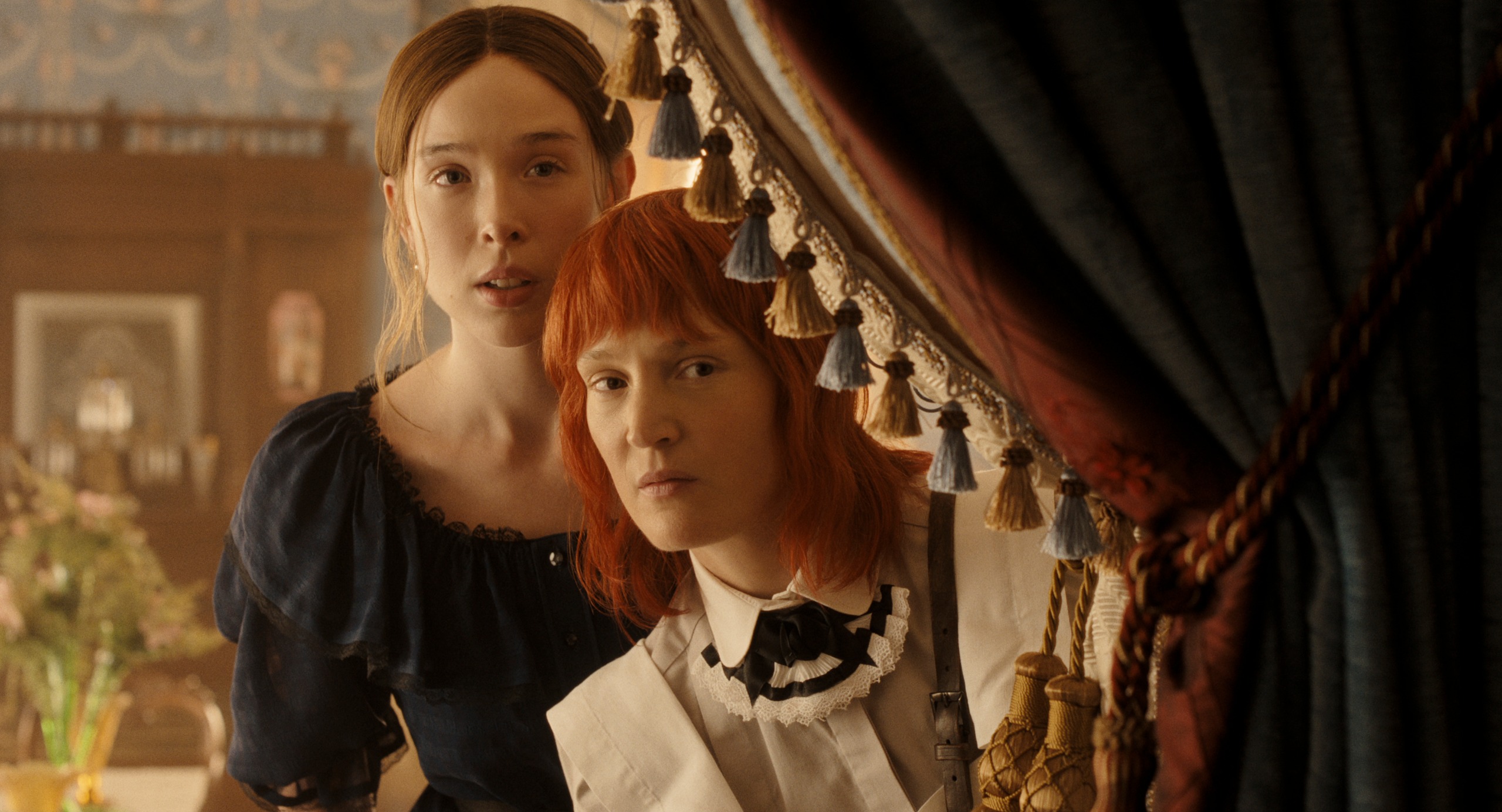
At the time of the murders, Bridget Sullivan was on the third-floor attic space washing windows, while Lizzie Borden was downstairs. During her subsequent inquest and trial testimonies, Sullivan provided crucial, albeit fragmented, accounts of the morning’s timeline. She testified that she heard a distinct sound—often described as a laugh or a sharp vocalization—coming from the stairs, which she later believed belonged to Lizzie. However, Sullivan was completely unaware that Abby’s body was already lying lifeless upstairs while she went about her morning chores. It was Lizzie who ultimately alerted Sullivan by screaming from the downstairs hallway that her father had been killed.
Because Sullivan was inside the house during the time the murders took place, her movements, testimony, and potential complicity were heavily scrutinized by investigators and the press. Yet, police found no physical evidence linking Sullivan to the crimes. Her testimony remained consistent regarding her lack of direct knowledge of the assaults, and she was never formally charged or considered a primary suspect by law enforcement.
Lizzie Borden’s Sexuality and Life After the Trial
The rumors surrounding Lizzie Borden’s personal life and sexuality have persisted for generations, further fueling the speculation regarding her relationship with Sullivan and later female companions. Borden never married, living out her life as a wealthy spinster in Fall River following her controversial acquittal in June 1893. In the decades following the trial, her close friendships with prominent women—most notably the stage actress Nance O’Neil, whom she befriended later in life—led many biographers and cultural commentators to speculate about her sexual orientation. Like the Sullivan rumors, however, definitive historical proof regarding Borden’s romantic preferences remains nonexistent, restricted by the privacy norms and social constraints of the late 19th and early 20th centuries.
Following the sensational trial and the media circus that surrounded it, Bridget Sullivan chose a vastly different path. Desiring to escape the inescapable notoriety and invasive public attention that plagued Fall River, Sullivan left Massachusetts shortly after the trial concluded. She relocated to Montana, where she lived a remarkably private life far removed from the public eye. In 1905, she married a man named John M. Sullivan and settled into domestic anonymity until her death.
Despite her departure from public life, a lingering mystery regarding Sullivan’s testimony emerged years later. According to historical research by author Victoria Lincoln during the writing of her 1967 book A Private Disgrace, Sullivan reportedly spoke about the Borden case to a close friend, Minnie Green, late in life. Green revealed that Sullivan hinted she may not have shared the absolute entirety of what she knew during her trial testimony, cryptically suggesting that she had "helped Lizzie out" while on the witness stand. What Sullivan meant by this remark remains one of the many impenetrable enigmas of the Borden case, leaving historians to wonder whether a loyal servant covered up minor domestic secrets or kept silent about something far more consequential.
Broader Impact and Implications of True-Crime Dramatization
The enduring fascination with the Borden murders, as demonstrated by Ryan Murphy’s Monster series, highlights a broader cultural trend in modern media: the re-examination and reframing of historical true-crime narratives through a contemporary lens. By centering marginalized figures like Bridget Sullivan and exploring complex psychological and interpersonal dynamics, modern storytellers attempt to breathe new life into century-old archives.
However, historians caution that blending verified historical documentation with speculative fiction can distort public understanding of real historical events. While artistic liberties allow filmmakers to examine themes of female solidarity, class oppression, and queer visibility in Victorian America, the boundary between documented fact and creative license must be maintained. Bridget Sullivan was a real working-class immigrant woman thrust into the center of a horrific tragedy; Lizzie Borden was a legally acquitted defendant whose true guilt or innocence went with her to the grave in 1927.
Ultimately, while television series like Monster will continue to entertain audiences with thrilling explorations of what might have happened behind closed doors on Second Street, the historical record remains clear: the rumored romance between Lizzie Borden and Bridget Sullivan remains a compelling product of modern imagination rather than historical truth.