The Evolution of Sleep-Assisted Audio
For millions of individuals, the transition into sleep is facilitated by external auditory input. According to recent sleep health studies, approximately 30% of adults regularly use some form of background audio to mitigate environmental noise or manage symptoms of insomnia. Historically, the hardware options available to these users have been polarized: either high-fidelity bedside speakers, which often disturb partners or neighbors, or ear-worn devices, which frequently cause physical discomfort, pressure sores, or ear canal irritation, particularly for those who sleep on their sides.
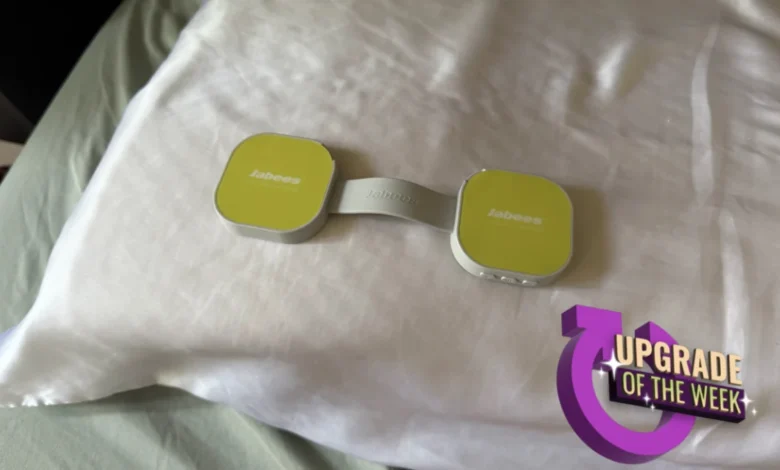
The introduction of the Jabees Peace Duo follows a broader industry shift toward "sleep-tech," a sector that has seen consistent year-over-year growth since 2020. This shift is characterized by a move away from screen-based sleep aids and toward passive, integrated technologies. By utilizing a dual-speaker configuration that rests beneath the pillow, the device attempts to isolate audio within the user’s immediate proximity, effectively creating a "private listening zone" that minimizes sound bleed into the rest of the bedroom.
Technological Mechanics and Bone Conduction Principles
The functional core of the Jabees Peace Duo relies on a specialized variation of bone conduction and vibration-based audio distribution. Unlike traditional dynamic drivers that move air to create sound waves, this system is designed to transmit vibrations through the pillow’s density. When placed strategically under the pillow, the dual units act as transducers, turning the pillow itself into a localized sound-emitting surface.
This technology offers two distinct advantages for sleep environments. First, it eliminates the requirement for direct contact with the ear canal. For side sleepers, this is a significant ergonomic improvement, as it removes the risk of hard plastic components digging into the ear, which is a common complaint among users of standard wireless earbuds. Second, because the sound is attenuated by the pillow’s fabric and stuffing, the high-frequency output is naturally dampened, resulting in a warmer, more muted audio profile. While this may technically reduce the fidelity of complex musical arrangements, many users find this "muffled" quality to be advantageous, as it reduces the harshness of sudden spikes in audio volume during a podcast or meditation session.

Technical Specifications and Battery Performance
The device’s practical utility is further defined by its power management and connectivity. Each of the two units in the Peace Duo system functions independently, allowing for stereo imaging if positioned correctly. The internal battery is rated for 10 hours of continuous playback, a threshold chosen specifically to accommodate a full night of rest without requiring a mid-sleep charge.
In terms of connectivity, the device utilizes standard Bluetooth protocols, allowing for seamless integration with smartphones, tablets, and dedicated sleep-audio players. However, the reliance on wireless connectivity does introduce a dependency on the signal range of the source device. Unlike wired solutions, which offer zero latency and no charging requirements, the wireless nature of the Peace Duo is intended to favor mobility and the elimination of cable tangles during the night—a primary point of contention for many active sleepers.
Market Context and Consumer Considerations
The launch of the Jabees Peace Duo occurs within a competitive landscape of audio devices targeting the "wellness" market. Major audio manufacturers have begun integrating "sleep modes" into their software, while niche startups focus on headband-integrated speakers or specialized bedside projection units. The Peace Duo differentiates itself by being hardware-agnostic; it does not require a specific pillow type or a proprietary app to function, relying instead on its portability and ease of placement.
However, industry analysts note that there are inherent trade-offs in this form factor. Because the device relies on the density and thickness of the pillow to carry sound, performance can vary significantly depending on the user’s bedding. A thin, synthetic-fill pillow will provide a different acoustic experience than a thick, high-density memory foam model. Furthermore, the reliance on external vibration means that if the speaker units shift during the night, the audio profile may change or weaken, requiring the user to adjust the hardware periodically.
Implications for Sleep Hygiene
The broader impact of under-pillow technology on sleep quality is a subject of ongoing debate within the sleep science community. While some studies suggest that consistent, low-level audio can help mask disruptive environmental noise—a practice known as sound masking—others caution against the potential for "auditory dependency," where the brain becomes conditioned to require external stimuli to initiate the sleep cycle.

The Jabees Peace Duo is positioned by its developers not as a clinical sleep aid, but as a lifestyle accessory designed to improve comfort for those who have already established a habit of using sleep audio. By removing the physical discomfort associated with earbuds, the device may help users maintain longer, more consistent sleep cycles by reducing the frequency of micro-awakenings caused by the physical repositioning of uncomfortable accessories.
Future Outlook
As the sector continues to evolve, we can expect to see further integration between hardware like the Jabees Peace Duo and AI-driven sleep tracking software. Future iterations may include sensors that automatically adjust volume levels based on the user’s detected REM cycle or ambient noise levels in the room.
For the present, the Jabees Peace Duo stands as a notable refinement in the category of personal sleep audio. It addresses a specific pain point—the physical incompatibility of consumer electronics with the mechanics of sleeping—with a pragmatic, non-invasive approach. For the consumer, the decision to adopt such technology hinges on a preference for comfort over absolute audio fidelity. As the industry continues to prioritize the integration of technology into the most intimate aspects of daily life, the focus will likely remain on reducing the "friction" of these devices, ensuring that they disappear into the background of the user’s environment rather than becoming a focal point of the nightly routine.
The trajectory of this technology suggests that the "smart bedroom" will continue to expand, with audio solutions becoming as common as the pillows themselves. Whether this will lead to better long-term sleep outcomes remains to be seen, but for those currently struggling with the limitations of headphones, the under-pillow speaker offers a compelling, practical alternative.