Disconnecting at the Influencer Olympics The Rise of Phone Free Initiatives and Digital Detox Trends at Coachella 2026

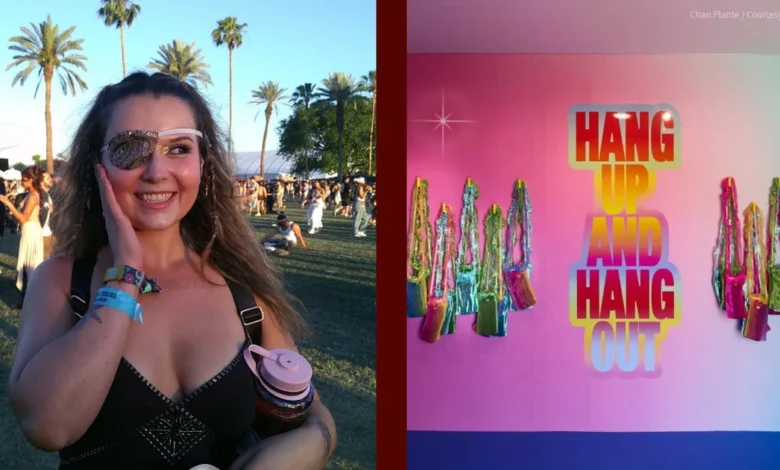
The Coachella Valley Music and Arts Festival has long served as the epicenter of global social media culture, a high-stakes environment often referred to as the "Influencer Olympics." However, the 2026 iteration of the festival marked a significant pivot in attendee behavior, driven by a growing movement toward digital detoxification and "analog" experiences. As ticket prices reach record highs and the pressure to document every moment intensifies, a counter-culture of phone-free attendance has emerged, supported by major tech platforms like Pinterest. This shift highlights a burgeoning tension between the desire for social validation through content creation and the psychological need for presence in live entertainment.
The Evolution of the Festival Experience and the Content Crisis
For over a decade, Coachella has been defined by its "splashy" digital footprint. From "Get Ready With Me" (GRWM) videos to elaborate brand activations designed specifically for photography, the festival has become a primary engine for social media engagement. However, the ubiquity of smartphones has led to what many psychologists call the "photo-taking impairment effect," where the act of recording a moment diminishes the brain’s ability to actually remember it.
In 2026, the festival saw a notable increase in participants opting for a "phone-free" experience. This movement is not merely a personal preference but a structured response to the burnout associated with constant connectivity. Industry data suggests that the average festival-goer spends upwards of 30% of a performance looking through a screen rather than at the stage. This behavior is driven by a perceived need to make the expensive experience "worth it" by producing a digital archive, even if those clips are rarely viewed again.
:quality(85):upscale()/2026/04/15/992/n/49351082/92841c0269e0160f40e033.48820627_.png)
Pinterest’s Phone-Free Initiative and the Analog Aesthetic
The shift toward a more presence-focused festival was catalyzed by Pinterest’s 2026 phone-free initiative. Recognizing the "analog aesthetic" as a top-trending search term, the platform encouraged attendees to lock away their devices and engage with the environment through tactile means. This initiative included "Manifest Stations" where attendees could engage in activities like handwritten letter writing, physical makeup applications, and nostalgic photography.
The "analog aesthetic" trend is more than a visual style; it represents a rejection of the polished, hyper-edited nature of modern social media. By utilizing disposable or digital cameras instead of smartphones, attendees are seeking a more authentic, "lo-fi" representation of their experiences. This trend aligns with a broader societal push toward mental wellness and the mitigation of digital fatigue, which has become a prevalent issue among Gen Z and Millennial demographics.
Chronology of a Digital Detox: A Three-Day Case Study
To understand the practical implications of attending a major festival without a smartphone, observers have looked to participants who navigated Coachella 2026 using only analog tools. This transition requires significant logistical preparation and a shift in social dynamics.
Day 1: Navigation and Orientation
The first day of a phone-free festival experience is often characterized by a period of "digital withdrawal." Participants reported a flash of panic when the lights dimmed, instinctively reaching for devices that were either tucked away or powered down. Preparation for such an endeavor involves "Girl Scout-level" organization, including hand-drawn mini-maps of the sprawling Empire Polo Club and physical printouts of set times and stage locations.
:upscale()/2026/04/15/987/n/49351082/tmp_mqz70O_bd6f5a2d460d5d0c_Untitled-2-Photo_Grid_4up_Main_-_Burgundy_Pink.png)
On Day 1 of the 2026 festival, phone-free attendees focused on foundational experiences. Pinterest’s air-conditioned activations provided a sanctuary for those looking to engage in "nostalgic festival trends." Without the distraction of notifications, participants noted a deeper level of engagement with the artists they did see, even if they attended fewer sets overall due to the lack of real-time schedule updates.
Day 2: Social Connectivity and Core Memories
By the second day, the initial anxiety of being "unplugged" typically gives way to a sense of liberation. A significant challenge of a phone-free experience is social coordination. Without the ability to text, attendees must rely on pre-arranged meeting spots or "location sharing" through wearable tech if they choose to keep a device for safety.
Interestingly, the lack of a phone often fosters more spontaneous human connection. Participants reported meeting new people and forming "analog bonds" while waiting at barricades for headliners. Experiences like riding the Ferris wheel at sunset became "core memories" not because they were captured for an Instagram Story, but because the participants were fully observant of the Coachella Valley landscape. The act of using a digital camera rather than a phone allowed for documentation without the immediate pressure of social distribution.
Day 3: Emotional Resonance and the Final Sets
The final day of the festival often tests the resolve of the digital detoxer. Without a phone, the risk of losing one’s group is high, leading many to experience the day "truly solo." However, this solitude often leads to the most profound emotional connections with the music.
:upscale()/2026/04/15/993/n/49351082/tmp_OEpIjU_9bd073593118a13e_Untitled-2-Photo_Grid_4up_Main_-_Burgundy_Pink.png)
During the 2026 festival, sets by artists such as FKA twigs, Foster The People, and Gigi Perez served as benchmarks for the phone-free movement. Attendees reported crying during emotional performances like "Cellophane" and dancing with strangers during "Pumped Up Kicks," noting that these moments felt more vivid because they were not being mediated through a lens. By the end of the weekend, many participants reported having "officially grown comfortable" in the present moment, a state of mind that is increasingly difficult to achieve in a hyper-connected society.
Supporting Data: The Cost of Connectivity
The drive toward phone-free events is supported by a growing body of data regarding mental health and live entertainment. A 2025 study on concert-goer behavior found that:
- 72% of attendees felt "pressure" to post on social media to prove they were having a good time.
- 58% of respondents admitted they could not remember specific details of a performance if they spent more than five minutes recording it.
- 40% of festival-goers reported feeling "burnout" by the end of Day 2, cited largely due to the exhaustion of maintaining a digital persona.
Furthermore, the "digital detox" travel market is projected to grow by 15% annually through 2030, as consumers increasingly view "unplugging" as a luxury service rather than a sacrifice.
Official Responses and Industry Implications
While festival organizers like Goldenvoice (the producers of Coachella) have not yet implemented a total ban on phones—a move seen at some smaller venues and comedy tours—they have begun to facilitate "phone-free zones." Pinterest’s involvement suggests that even tech companies are recognizing the value of offline engagement.
:upscale()/2026/04/15/090/n/49351082/tmp_oNRCnW_633c1a30016ce497_Untitled-2-Photo_Grid_4up_Main_-_Burgundy_Pink_copy_5.png)
Industry analysts suggest that the "phone-free" trend could lead to a shift in how festivals are marketed. Instead of focusing solely on "Instagrammable" moments, organizers may begin to emphasize the "exclusivity of the moment"—the idea that what happens at the festival can only be truly experienced by those physically present.
Artists have also expressed support for this shift. Performers such as FKA twigs have historically advocated for more intimate connections with their audiences, often noting that a sea of glowing screens can create a barrier between the stage and the crowd. The success of phone-free initiatives at a high-profile event like Coachella could embolden more artists to request phone-free shows in the future.
Broader Impact: The Future of Live Events
The implications of the 2026 Coachella phone-free experiment extend beyond the desert. It serves as a case study for the broader "presence economy," where value is placed on undivided attention. As social media platforms become increasingly saturated with content, the "rarity" of an undocumented experience becomes a new form of social currency.
For the individual, the benefits are clear: reduced stress, better memory retention, and more authentic social interactions. Logistically, challenges remain—mobile payments, safety precautions, and transportation apps are now integral to the festival experience. However, the 2026 trend suggests that a middle ground is possible. By treating the phone as a tool for utility rather than a portal for performance, attendees can reclaim the "magic" of the live music experience.
:upscale()/2026/04/15/086/n/49351082/tmp_6YrpF4_b506f8323e318626_Untitled-2-Photo_Grid_4up_Main_-_Burgundy_Pink_copy_4.png)
In conclusion, the movement toward a phone-free Coachella represents a significant maturation of festival culture. It acknowledges that while social media is an extension of the self, it should not be a replacement for the self. As we look toward future festival seasons, the "analog aesthetic" may transition from a niche trend to a standard practice for those seeking to truly "live in the moment" at the world’s most famous music events.