Woody Harrelson Producing Documentary on Legendary Austin Venue Armadillo World Headquarters

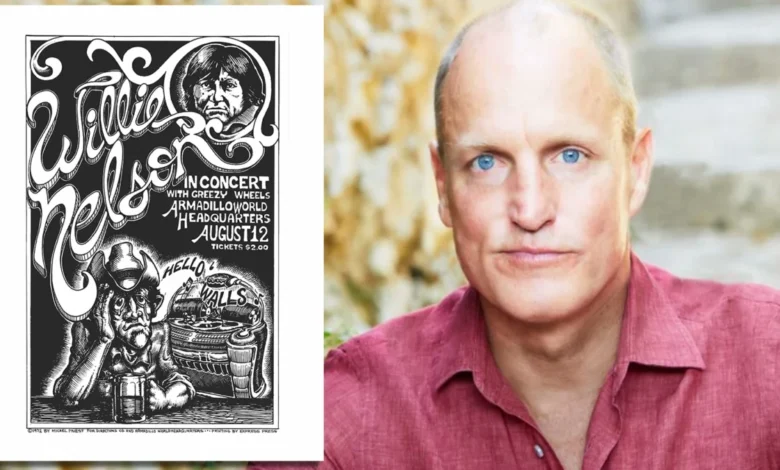
In a move that celebrates a cornerstone of Austin’s vibrant music history, acclaimed actor and Texas native Woody Harrelson has joined the producing team of a forthcoming feature-length documentary focused on the iconic Armadillo World Headquarters (AWHQ). The film, currently in development, promises to delve deep into the rise, profound cultural impact, and lasting legacy of the venue that not only shaped Austin’s identity but also served as a hallowed ground for some of the world’s most influential artists.
The Armadillo World Headquarters, which operated from 1970 to 1980, was more than just a concert hall; it was a cultural nexus that fostered a unique blend of music genres and artistic expression. Artists such as Willie Nelson, Jerry Garcia, Bruce Springsteen, Little Feat, Linda Ronstadt, and the Talking Heads graced its stage, leaving an indelible mark on the live music landscape. The documentary aims to capture the essence of this legendary establishment, exploring how it became a melting pot for diverse communities and a launchpad for countless careers.
Harrelson, whose deep-rooted connection to Austin’s creative scene is well-documented, expressed his enthusiasm for the project, emphasizing the venue’s unifying power. "The Armadillo wasn’t just a music venue," Harrelson stated. "It was where all kinds of worlds came together: artists, outlaws, hippies, students, dreamers, everyone under one roof. Careers got started there, genres mixed, and what really sticks with me is how it made people feel like they belonged. People came for the music, but what they found was each other. The Armadillo represented something we don’t see much anymore, and that’s a big part of why I wanted to be involved with this film." His involvement underscores the enduring cultural significance of AWHQ and its resonance with those who experienced its magic firsthand.
The documentary is being helmed by director and editor David Brodie, with producing partners Jeremy Plager and Ilya Bronchtein serving as executive producers. The production boasts a formidable team, including Angus Wall, Eve Kornblum, Kent Kubena, and Terry Leonard from MakeMake, known for their work on acclaimed projects like "The Greatest Night in Pop" and "Being Eddie." Additionally, Marcus Peterzell and Amy Slotnick of Passion Point Collective, whose credits include "The Cure: Show" and "James Brown: Godfather of Soul," are contributing their expertise. Further production partners are expected to be announced as the project progresses.
A Deep Dive into the Armadillo’s Golden Era
The film is poised to offer audiences an unprecedented glimpse into the Armadillo’s heyday, leveraging a recently restored archive of over 100 audio and video recordings captured within its walls. This treasure trove of material is expected to feature performance snippets from many of the legendary artists who performed there, providing a rich sonic and visual tapestry of the venue’s vibrant history.

Among the anticipated archival footage are potential highlights from Bruce Springsteen’s inaugural Texas tour dates, as well as unforgettable sets by blues icon Fats Domino, outlaw country pioneer Waylon Jennings, and the legendary Charlie Daniels. These recordings, combined with firsthand accounts from musicians, fans, and industry insiders, will paint a comprehensive picture of AWHQ’s pivotal role in shaping the musical landscape.
The documentary will explore how Armadillo World Headquarters became the epicenter of the "cosmic cowboy" movement, serving as a crucial cultural crossroads where outlaw country, rock and roll, blues, and the counterculture converged. The venue’s influence extended beyond its stage, fostering an environment where artistic boundaries were pushed and Austin began to solidify its reputation as the "Live Music Capital of the World." The ability of AWHQ to seamlessly blend diverse musical styles and attract a wide demographic contributed significantly to this burgeoning identity.
The Armadillo’s Enduring Legacy and Modern Revival
The film’s narrative will also touch upon the venue’s closure in 1980 and the subsequent efforts to preserve its spirit. In a significant development, the Armadillo brand has been revitalized in 2024 through a partnership with the original owner, Eddie Wilson, and a new Austin-based entity. This reawakening aims to celebrate Austin’s roots while actively supporting the growth of music and arts culture.
The relaunched AWHQ brand has already made its presence felt, notably through a collaboration with Austin FC and a pop-up experience designed to introduce the venue’s legacy to younger generations. This initiative reflects a conscious effort to bridge the gap between the Armadillo’s storied past and the contemporary cultural scene.
Complementing the upcoming documentary, a short film titled "Armadillo Man: The Trips of Jim Franklin," focusing on the iconic artist behind many of the famous Armadillo World Headquarters posters, is currently airing on PBS stations across the United States. This project further underscores the continued relevance and cultural impact of the AWHQ brand and its associated artists.
A Cultural Touchstone: Context and Significance
To fully appreciate the significance of Armadillo World Headquarters, it’s essential to understand the socio-cultural climate of Austin in the late 1960s and 1970s. The city was undergoing a transformation, evolving from a relatively conservative state capital into a burgeoning hub for progressive ideals and artistic experimentation. The University of Texas at Austin served as a fertile ground for countercultural movements, and the burgeoning live music scene provided a platform for these ideas to flourish.

The Armadillo emerged during this transformative period, offering a much-needed sanctuary for artists and audiences seeking an alternative to mainstream entertainment. Its distinctive architectural design, a former vehicle-assembly plant, provided a vast canvas for artistic expression, from the psychedelic murals adorning its walls to the eclectic performances that defined its programming. The venue’s commitment to inclusivity and its embrace of diverse musical genres fostered a sense of community that was both rare and deeply impactful.
The "cosmic cowboy" movement, a term often associated with the Armadillo, represented a unique fusion of country music sensibilities with rock and roll energy and a distinctly countercultural ethos. Artists like Willie Nelson and Waylon Jennings, who were instrumental in the outlaw country movement, found a welcoming home at the Armadillo, where they could experiment with their sound and connect with a receptive audience. The venue also provided a platform for emerging rock bands and blues artists, creating a dynamic and unpredictable programming schedule that kept audiences engaged and excited.
The impact of AWHQ on Austin’s cultural identity cannot be overstated. It helped cement the city’s reputation as a destination for live music, attracting talent from across the globe and fostering a vibrant local music scene. The venue’s legacy continues to influence contemporary artists and venues, serving as a benchmark for creativity, community, and the power of music to bring people together.
Broader Implications and Future Outlook
The production of this documentary and the revival of the Armadillo brand signify a broader trend of re-examining and celebrating cultural touchstones that have shaped American identity. In an era often characterized by digital ephemerality, there is a growing appreciation for the tangible impact of physical spaces and the communal experiences they foster.
The success of such projects can have several implications:
- Cultural Preservation: Documentaries play a crucial role in preserving cultural heritage for future generations, ensuring that the stories and achievements of influential artists and venues are not forgotten.
- Economic Impact: The renewed interest in AWHQ could stimulate tourism and economic activity in Austin, further solidifying its status as a music destination.
- Inspiration for New Artists: By showcasing the pioneering spirit of the Armadillo era, the film can inspire a new generation of musicians and artists to push creative boundaries and build their own unique legacies.
- Community Building: The focus on the Armadillo’s unifying power serves as a timely reminder of the importance of shared experiences and the role of arts and culture in fostering social cohesion.
As the documentary moves forward in its development, audiences can anticipate a rich and immersive exploration of a venue that was truly one of a kind. The collaboration between Woody Harrelson and a dedicated team of filmmakers promises a compelling narrative that honors the spirit of Armadillo World Headquarters and its enduring contribution to the tapestry of American music and culture. The "Dillo spirit," as it’s often called, continues to resonate, proving that the echoes of its legendary performances and its inclusive atmosphere are far from silenced.