New York becomes the first state in the nation to mandate all-electric construction for new buildings in a landmark shift for climate policy.

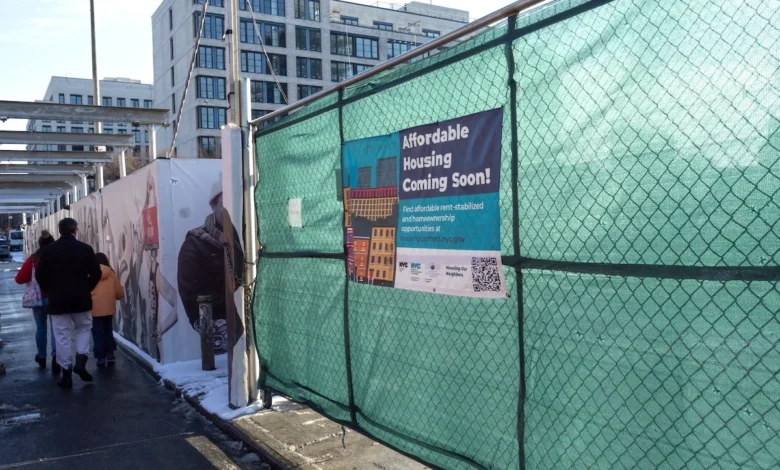
In a move that marks a definitive turning point in American environmental policy, New York has officially become the first state in the United States to prohibit the use of fossil fuels in most new building construction. This regulatory milestone, finalized by the State Fire Prevention and Building Code Council in late July 2025, represents the culmination of a multi-year legislative effort to address the significant carbon footprint associated with the state’s built environment. By requiring all-electric systems for heating, cooling, and cooking in new developments, New York is setting a precedent that could fundamentally alter the trajectory of urban planning and energy infrastructure across the country.
The Path to Electrification: A Legislative Chronology
The journey toward a fossil-fuel-free building code began in earnest with the passage of the All-Electric Buildings Act in 2023. This legislation was designed to align New York’s construction standards with the ambitious emissions-reduction targets outlined in the Climate Leadership and Community Protection Act (CLCPA).
However, the path to implementation was not without significant obstacles. Following the enactment of the law, the state faced intense legal pressure from industry groups, including gas utility companies and construction trade associations. These opponents utilized legal arguments similar to those that successfully overturned a precedent-setting municipal gas ban in Berkeley, California, contending that such mandates exceeded state authority and infringed upon federal energy regulations.
The legal landscape shifted in July 2025, when the U.S. District Court of the Northern District of New York issued a decisive ruling allowing the state to move forward with the implementation of the All-Electric Buildings Act. The court’s decision effectively neutralized the immediate legal injunctions, clearing the way for the State Fire Prevention and Building Code Council to finalize the specific regulatory language. With this finalization, the mandate is now codified into the state’s building codes, establishing a firm implementation timeline for developers.
Implementation Timeline and Regulatory Scope
The rollout of these new requirements is staggered to allow the construction industry sufficient time to adapt to new electrical load requirements and supply chain shifts. Under the finalized mandate, residential buildings up to seven stories tall, as well as commercial and industrial projects up to 100,000 square feet, must meet all-electric requirements for any building permit application approved on or after December 31, 2025.
For larger-scale projects, the state has provided a longer transition period. Commercial and industrial buildings exceeding 100,000 square feet are required to comply with the mandate by 2029. This phased approach is intended to mitigate the economic impact on large-scale development projects that were already in the design or permitting pipeline prior to the rule’s finalization.
It is important to note that the mandate is not absolute. Recognizing the technical requirements of specific high-intensity industries, the state has included exemptions for agricultural buildings, medical facilities, laboratories, crematoriums, and specific restaurant configurations. These carve-outs ensure that the transition to an electric grid does not compromise essential services or public health operations where gas-powered equipment currently serves a specialized, high-load function that current battery or heat pump technology may not yet efficiently replace.
Environmental and Economic Implications
The primary driver behind this policy shift is the urgent need to address the state’s greenhouse gas emissions. According to official reports from the New York State Department of Environmental Conservation, the built environment is responsible for approximately 31% of all greenhouse gas emissions in New York. By replacing gas-fired furnaces, boilers, and water heaters with high-efficiency electric heat pumps and induction appliances, the state aims to eliminate a primary source of indoor and outdoor air pollution.

The economic implications of this transition are projected to be positive for both the state and individual residents. Analysis from the New Buildings Institute indicates that building decarbonization can lead to substantial cost savings. For instance, the construction of a 100% electric single-family home is estimated to be between $7,500 and $8,200 cheaper than a conventional home outfitted with gas infrastructure, primarily due to the elimination of the need for gas piping and complex ventilation systems.
Furthermore, residents stand to benefit from lower long-term utility expenses. Energy modeling suggests that the shift could reduce energy usage in New York households by approximately 17%. Over a 30-year lifecycle, this transition is projected to save the average household nearly $5,000 in utility costs, providing a tangible financial incentive to accompany the environmental benefits.
Industry and Advocate Perspectives
The finalization of the code has elicited a polarized response from stakeholders. Environmental advocacy groups have hailed the move as a historic victory for public health and climate stability. Dawn Wells-Clyburn, executive director of PUSH Buffalo, lauded the court’s decision and the subsequent implementation of the act, noting that the health and affordability of communities must take precedence over the profit motives of the fossil fuel industry.
Conversely, fossil fuel and gas utility trade groups remain vocal in their opposition. These organizations argue that the mandate increases the burden on the electrical grid and limits consumer choice. They have continued to lobby the U.S. Department of Justice, requesting federal intervention to block the state’s regulations. Their argument rests on the contention that such state-level mandates interfere with the interstate commerce of natural gas and pre-empt federal energy policies.
Despite these challenges, proponents of the law, including Alex Beauchamp of Food & Water Watch, maintain that the policy is a necessary step toward the broader objective of decarbonizing existing buildings. "This is how we won this bill," Beauchamp stated. "It is also how we are going to continue the fight to get fossil fuels out of all the existing buildings in the state."
Broader Impact on the U.S. Energy Landscape
New York’s leadership in this area is expected to serve as a bellwether for other states considering similar climate-conscious building codes. As the technology for heat pumps and induction cooking becomes more ubiquitous and affordable, the "electrify everything" movement is gaining momentum across the Northeast and the West Coast.
The move also places New York at the center of a national debate regarding the jurisdiction of state versus federal control over building energy standards. Should the federal government choose to challenge New York’s law, the outcome could set a long-term legal precedent for how climate policy is enacted at the sub-national level.
For the construction industry, the mandate represents a fundamental shift in business operations. Architects, engineers, and developers must now pivot toward electrical engineering as a primary component of building design. This shift is likely to spur innovation in grid-integrated buildings, where modern structures act as active participants in energy management, utilizing smart technology to balance electrical loads and increase the overall resiliency of the state’s energy infrastructure.
Conclusion
The implementation of all-electric building codes in New York is more than a regulatory change; it is a structural transformation of the state’s urban identity. As the December 31, 2025 deadline approaches, the construction industry will be under intense scrutiny to prove that high-performance, cost-effective, and fully electric housing can be scaled to meet the needs of one of the nation’s most populous states. While legal challenges may continue to test the endurance of the All-Electric Buildings Act, the state has firmly committed to a future where gas lines are a vestige of the past, replaced by clean, efficient, and renewable energy sources. Whether this policy will achieve the intended 17% reduction in household energy usage remains to be seen, but for now, New York has successfully established the blueprint for a decarbonized built environment.
Related posts: