The Erosion of Opportunity: How the Collapse of Wisconsin’s Branch Campuses is Reshaping Rural Higher Education

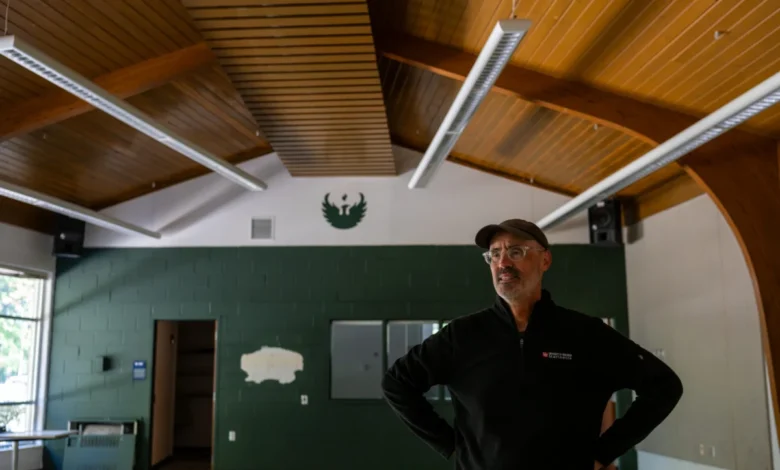
In the spring of 2024, the final chapter for the University of Wisconsin–Platteville Baraboo Sauk County was written. As the semester drew to a close, the campus—affectionately known as "Boo U"—ceased operations, marking the end of nearly six decades of service to the south-central Wisconsin region. This closure was not an isolated incident but rather a decisive milestone in a broader, systemic restructuring of the University of Wisconsin (UW) system. Over the past three years, the state has permanently shuttered eight of its 13 two-year branch campuses, fundamentally altering the landscape of public higher education in rural Wisconsin and creating significant concern among educators, policymakers, and residents regarding the long-term viability of the “Wisconsin Idea.”
The closure of these institutions represents a departure from a century-old educational philosophy. The Wisconsin Idea, a foundational principle established in the early 20th century, posits that the influence of the university should not be confined to the classroom, but should extend to every corner of the state to improve the lives of all citizens. By systematically dismantling the regional two-year colleges that served as accessible, affordable entry points for rural, first-generation, and low-income students, the state is arguably creating "education deserts"—geographic areas where the distance to the nearest institution of higher learning is a significant, if not insurmountable, barrier to entry.
A Chronology of Retrenchment
The demise of the branch campus system was not sudden, but rather the result of a decade of fiscal and structural adjustments. The trajectory toward these closures began in earnest around 2015, when then-Governor Scott Walker implemented significant budget cuts to the UW system, accompanied by a prolonged tuition freeze. While the freeze was lauded as a measure to keep college affordable, it simultaneously restricted the ability of campuses to generate the revenue necessary to maintain aging infrastructure, competitive faculty salaries, and essential student services.
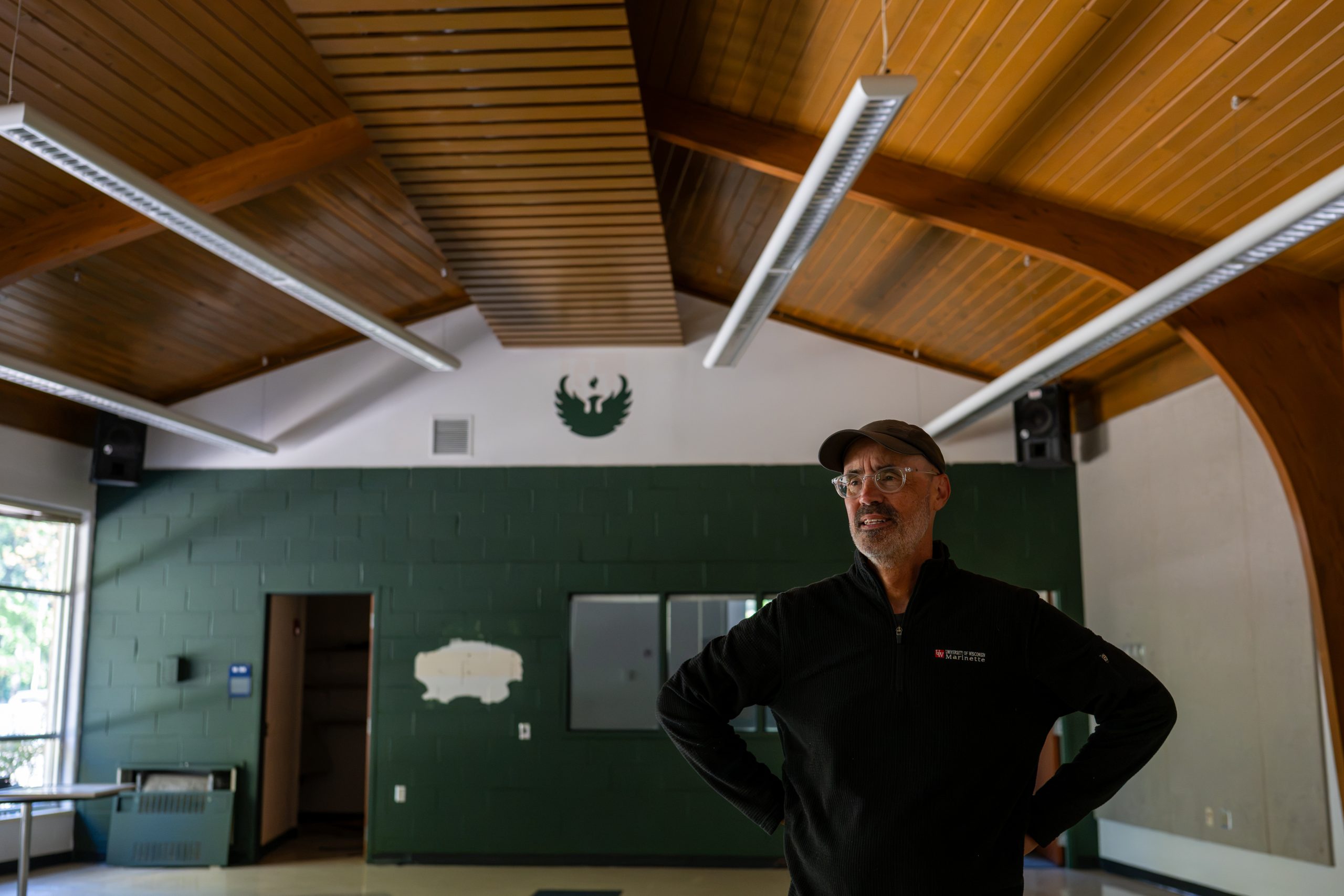
In 2017, the UW Board of Regents moved to consolidate the state’s two-year colleges by merging them with the four-year regional universities. This administrative shift was intended to create efficiencies, but in practice, it forced smaller, rural campuses to compete for resources and students against their much larger parent institutions. This environment created a "survival of the fittest" dynamic. As enrollment numbers at the two-year branches plummeted—some by as much as 80% over a decade—the state viewed the maintenance of these physical locations as a fiscal liability. By 2024, institutions like UW-Marinette had ceased in-person instruction, with faculty members like Dan Kallgren delivering final courses via remote video links to distant campuses, serving as the last remaining academic presence in their local communities.
The Impact of Shrinking Enrollment
University officials have consistently cited declining enrollment as the primary driver for these closures. Across the UW system, enrollment has dropped by more than 10% since 2010. However, the decline at two-year branch campuses has been far more acute. For instance, the Baraboo campus, which once served over 500 students annually, saw its final enrollment drop to approximately 100 students.
Demographic shifts are a contributing factor; rural populations in Wisconsin are aging, and the pool of traditional college-aged students is shrinking. However, critics argue that the policy response to these demographic realities—systemic closure—is self-defeating. When a local college closes, the "brain drain" that has historically plagued Wisconsin accelerates. Young residents who might have opted for a local, low-cost two-year degree before transitioning to a four-year institution are now less likely to enroll in higher education at all. Research by Nicholas Hillman, a professor at Indiana University and an expert on the geography of opportunity, indicates that proximity is the single most significant factor in college attendance for low-income and rural students. As the distance between home and the classroom increases, the likelihood of enrollment drops precipitously.
Vocationalism and the Humanities
The closure of these campuses coincides with a strategic shift in the mission of the UW system. Under recent leadership, there has been a pronounced push toward career-specific, vocational training, often at the expense of the liberal arts. In 2023, former UW president Jay Rothman advocated for a transition away from traditional humanities programs, particularly at institutions serving high numbers of low-income students. This focus on "return-on-investment" and workforce readiness has resulted in the elimination of over 80 academic programs within the system, the majority of which were rooted in the social sciences and humanities.

While proponents of this shift argue that it aligns educational outcomes with market demand, critics, including researchers at the nonprofit group MDRC, warn that it narrows the scope of higher education. "Students also go to college to try things out and discover who they are," notes Alyssa Ratledge, a researcher in rural higher education. By stripping these smaller, community-focused campuses of their liberal arts missions, the state is effectively limiting the intellectual development of its rural workforce, prioritizing short-term labor needs over long-term civic and intellectual growth.
A Community in Transition
The consequences of these closures are visible in the towns left behind. In Baraboo, local leaders are now tasked with repurposing the vacant campus buildings—a stark reminder of a lost educational anchor. In Marinette, the story is one of precarious survival. The theater arts program, once a vibrant part of the community’s cultural life, has managed to remain open only through a patchwork of private donations, ticket sales, and a unique partnership with UW-Green Bay.
Lauryn Albaugh, who oversees the remaining theater operations in Marinette, views the program as a vital link to the community’s future. For many young people in the area, these programs were the first exposure to higher-level creative arts. Yet, the reality of the campus is grim: it is largely mothballed, with maintenance staff visiting only weekly. This situation highlights the disparity between the flagship campuses, such as UW-Madison, which continue to thrive as global research hubs, and the regional institutions that have been hollowed out by austerity measures.
The Broader Implications for Rural America
The phenomenon occurring in Wisconsin is a microcosm of a national trend. As of the current academic cycle, institutions of higher education across the United States are closing at an average rate of one every three weeks. While the majority of these closures have historically been private institutions, the trend is increasingly affecting public systems, particularly in states where rural populations are declining and tax bases are shifting.

The "desertification" of higher education is not merely an academic concern; it is an economic one. A recent study by the Wisconsin Policy Forum identified the state as having the second-highest rate of "brain drain" in the nation. By failing to provide accessible, affordable entry points for rural youth, the state risks compounding this issue. When students cannot access college within their own communities, they are less likely to obtain the credentials needed to fill local shortages in teaching, healthcare, and skilled labor.
As the state of Wisconsin looks toward the future, the closure of these campuses raises fundamental questions about the role of the public university. If the institution’s primary goal is reduced to pure financial efficiency, the social contract inherent in the Wisconsin Idea—that the state university exists to serve all citizens—may be irrevocably broken. For the students in rural Wisconsin, the path to a degree is becoming longer, more expensive, and, for many, entirely out of reach. The legacy of the branch campuses—as hubs of intellectual inquiry and drivers of local social mobility—is now being replaced by a landscape where educational opportunity is increasingly concentrated in the state’s urban centers, leaving rural communities to grapple with the consequences of their own isolation.