The Digital Wardrobe Evolution: How Platforms Like ShopMy Are Reshaping Contemporary Fashion Discovery and Retail Economics

The modern fashion landscape is undergoing a structural transformation, shifting away from traditional print-only styling and top-down editorial dictation toward decentralized, peer-curated digital shopping ecosystems. At the epicenter of this movement is ShopMy, a platform that has rapidly evolved from a niche creator tool into a multi-million-dollar discovery engine for the global retail market. As consumers increasingly reject algorithmic feeds laden with untraceable fast-fashion advertisements, curated storefronts maintained by tastemakers, editors, and stylists have emerged as the primary arbiters of modern style. This shift is not merely altering how individuals discover apparel and accessories; it is fundamentally rewriting the economics of digital marketing, affiliate commerce, and consumer acquisition for both emerging independent
labels and legacy luxury houses.
The Shift Toward Curated Commerce and Social Shopping
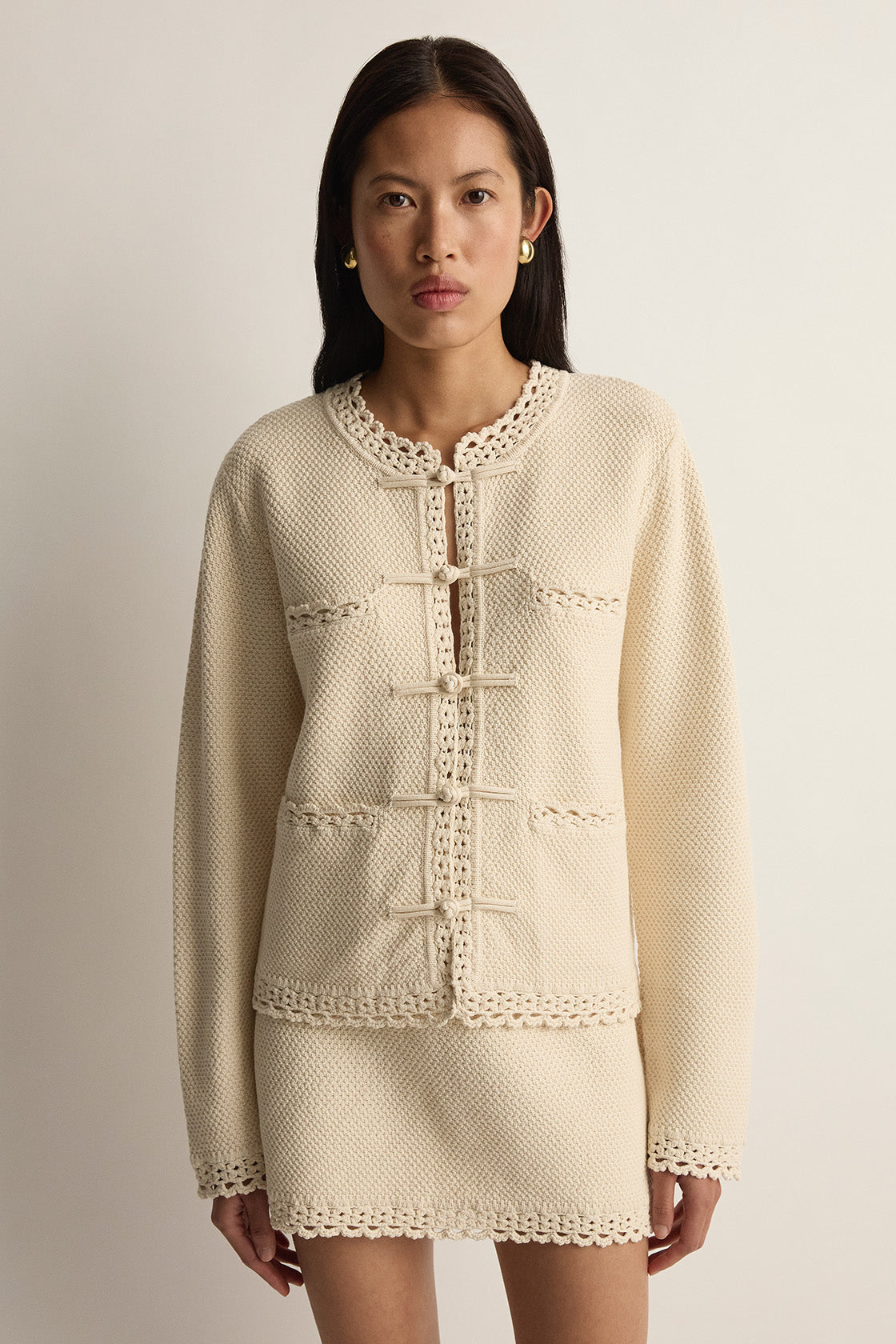
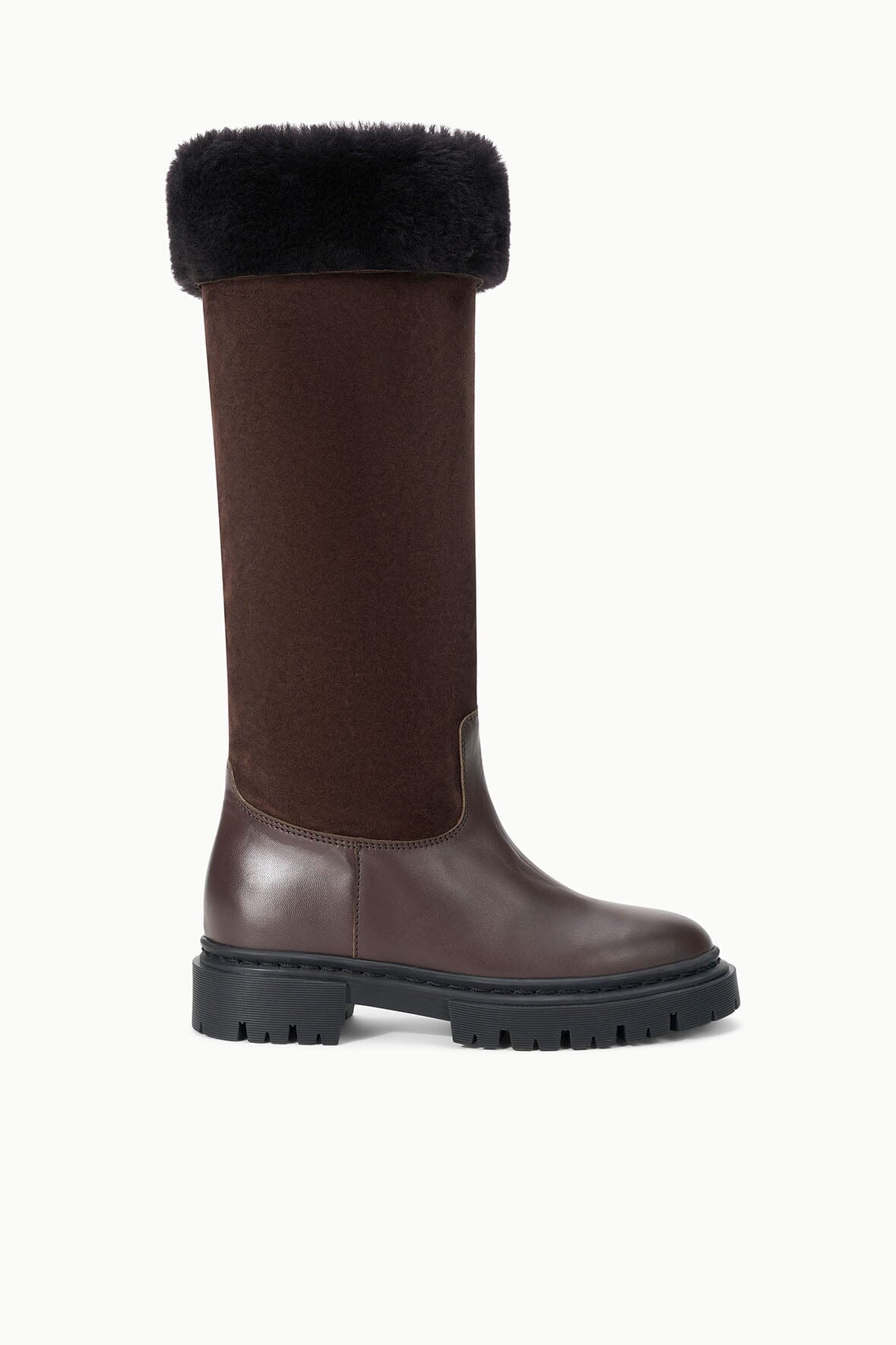
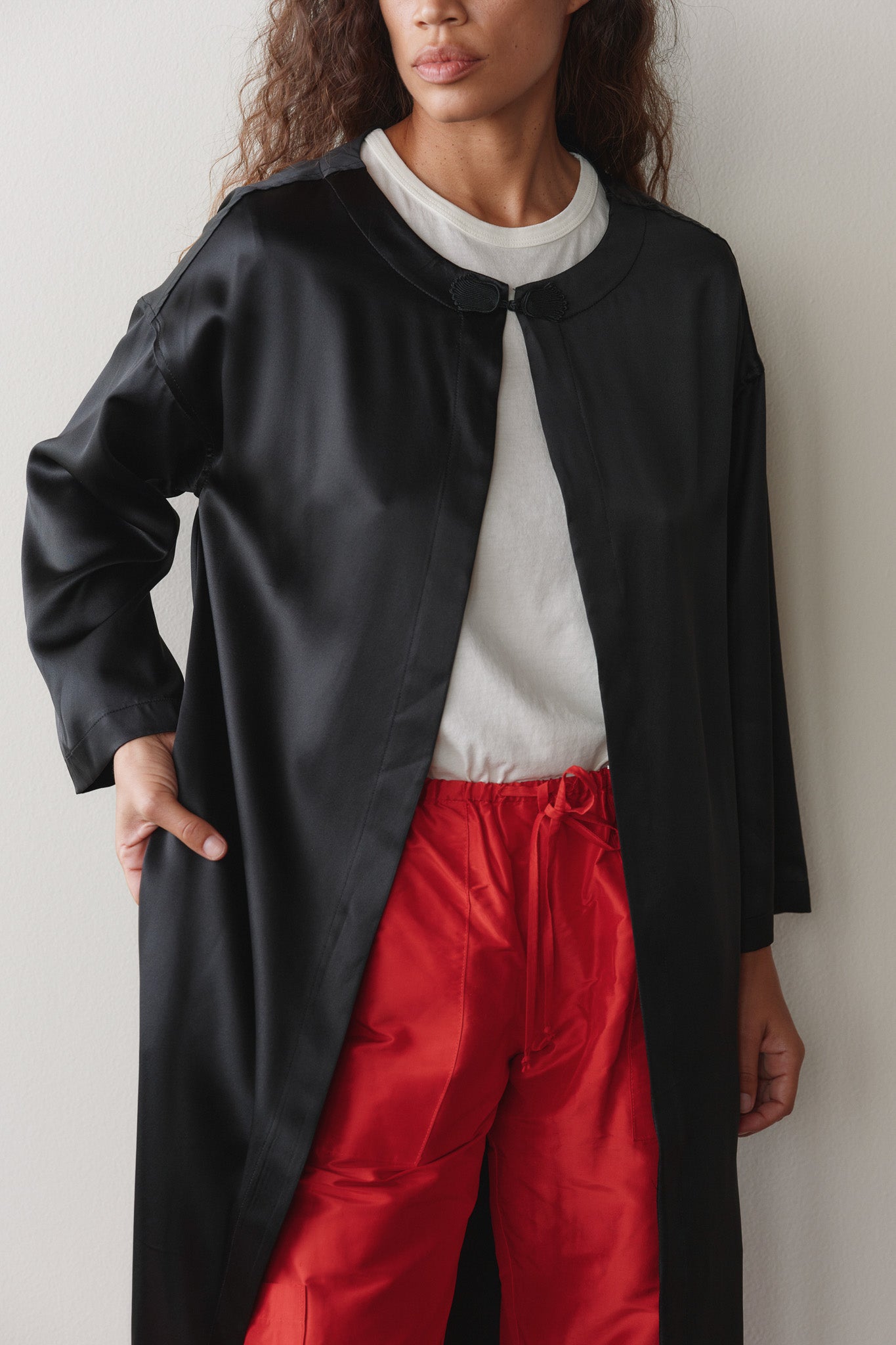
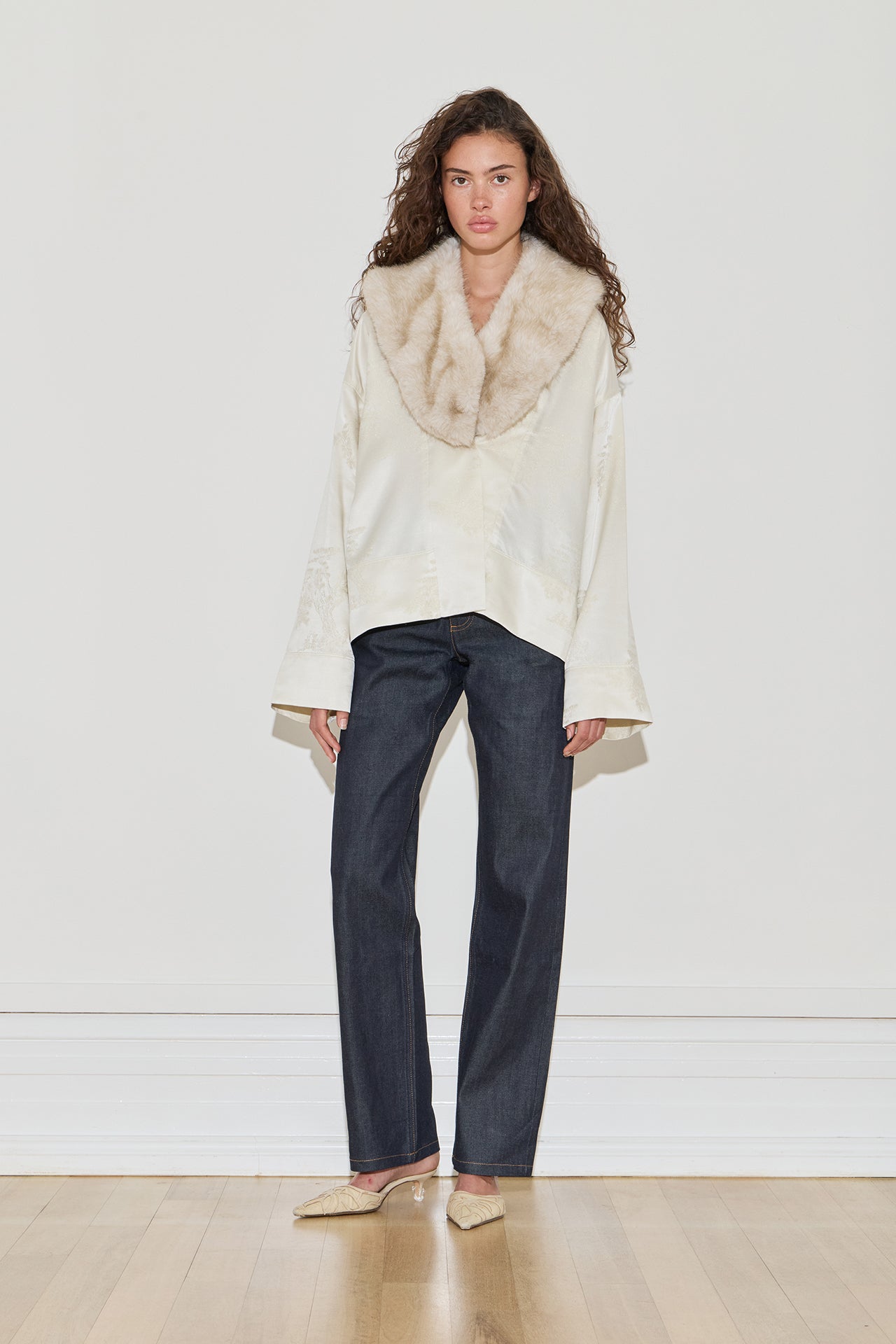
To understand the current trajectory of digital retail, one must examine the friction points that plagued e-commerce through the late 2010s and early 2020s. For years, shoppers faced an overwhelming paradox of choice. As direct-to-consumer (DTC) brands multiplied exponentially, finding specific wardrobe staples—such as a precisely tailored cream jacket, butter-soft leather boots, or structured silk outerwear—required navigating disjointed search engines and saturated social media advertisements.
Platform-based curation tools bridge this gap by aggregating disparate brands into cohesive, shoppable mood boards. Rather than relying on generic keyword searches, modern consumers seek out the aesthetic authority of trusted curators. Platforms like ShopMy capitalize on this behavior by allowing fashion editors, stylists, and digital creators to compile hyper-specific lists of seasonal essentials—ranging from everyday wardrobe foundations to high-investment statement pieces.
Industry analysts note that this peer-to-peer recommendation model yields significantly higher conversion rates than traditional display advertising. According to recent e-commerce behavioral studies, consumer trust in traditional banner ads has steadily declined, while engagement with influencer-led and editor-curated commerce links has surged by more than forty percent over the past three years. This behavioral pivot highlights a broader consumer desire for authenticity, context, and narrative-driven styling.
Chronology of the Creator-Led Retail Boom
The democratization of fashion retail and the rise of affiliate-driven curation did not happen overnight. The model evolved through several distinct phases over the past decade:
- 2015–2018 (The Era of Link-in-Bio): Early social commerce relied heavily on manual workarounds, such as third-party monetization tools that required users to screenshot or click generic short links embedded in social media profiles. The user experience was often fragmented, resulting in high drop-off rates before a transaction could be completed.
- 2019–2021 (The Multi-Platform Expansion): As platforms refined their native shopping features, creators demanded centralized dashboards to manage disparate affiliate partnerships across luxury networks, department stores, and independent boutiques.
- 2022–Present (The Infrastructure of Curated Storefronts): Dedicated platforms emerged to streamline inventory management, commission tracking, and storefront design for creators. This era marked the birth of sophisticated digital showrooms where curators could organize products by category, mood, or season—mirroring the layout of a digital boutique.
This chronological shift transformed casual content creation into a structured micro-retail economy. Today, curators act as independent merchandising directors, introducing niche independent designers to global audiences that were previously inaccessible through traditional brick-and-mortar distribution.
Key Product Categories Driving Current Digital Trends
An analysis of top-performing items across curated digital storefronts reveals distinct consumer appetites heading into the upcoming retail cycles. Shoppers are increasingly balancing practical capsule-wardrobe investments with tactile, high-texture statement pieces.
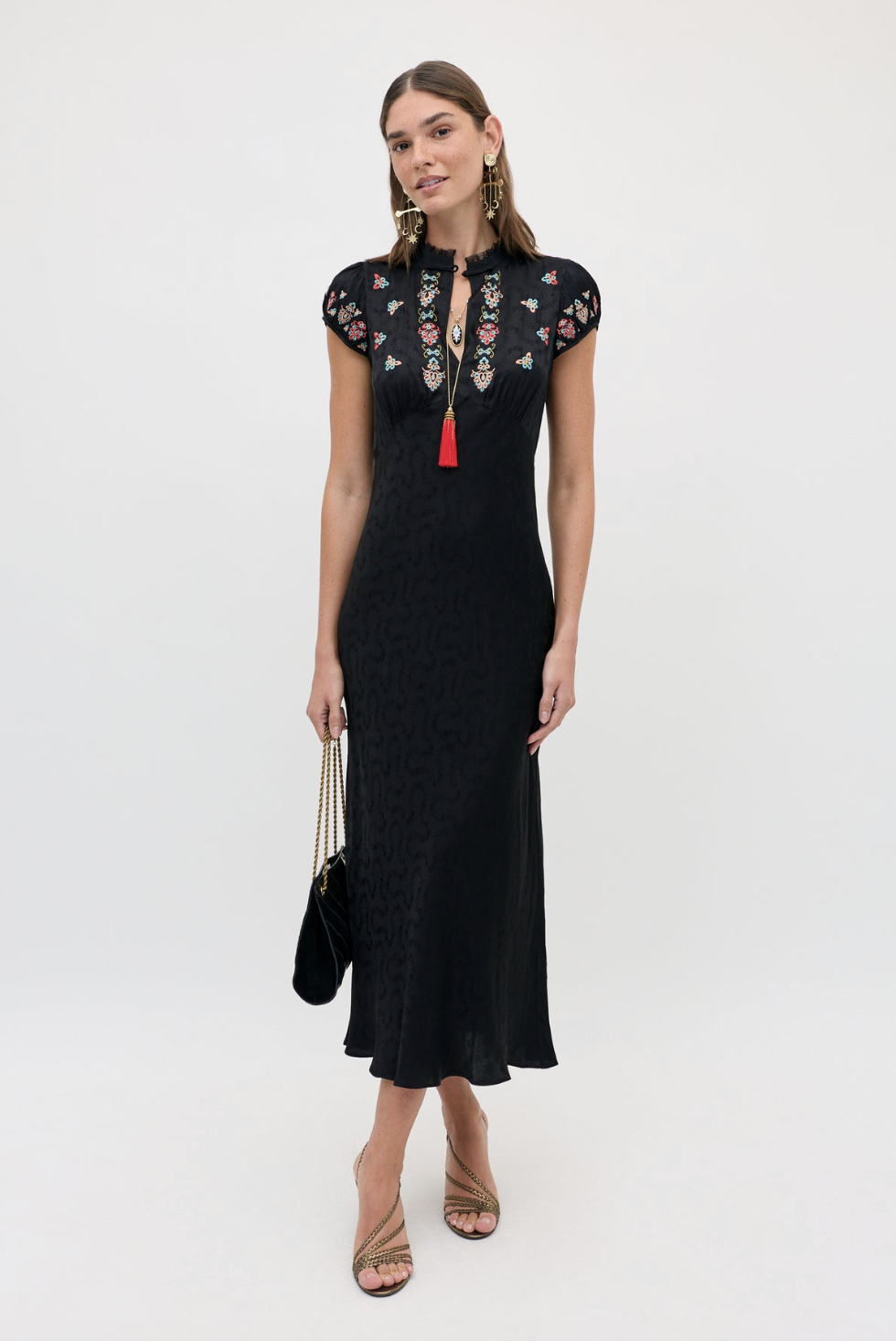
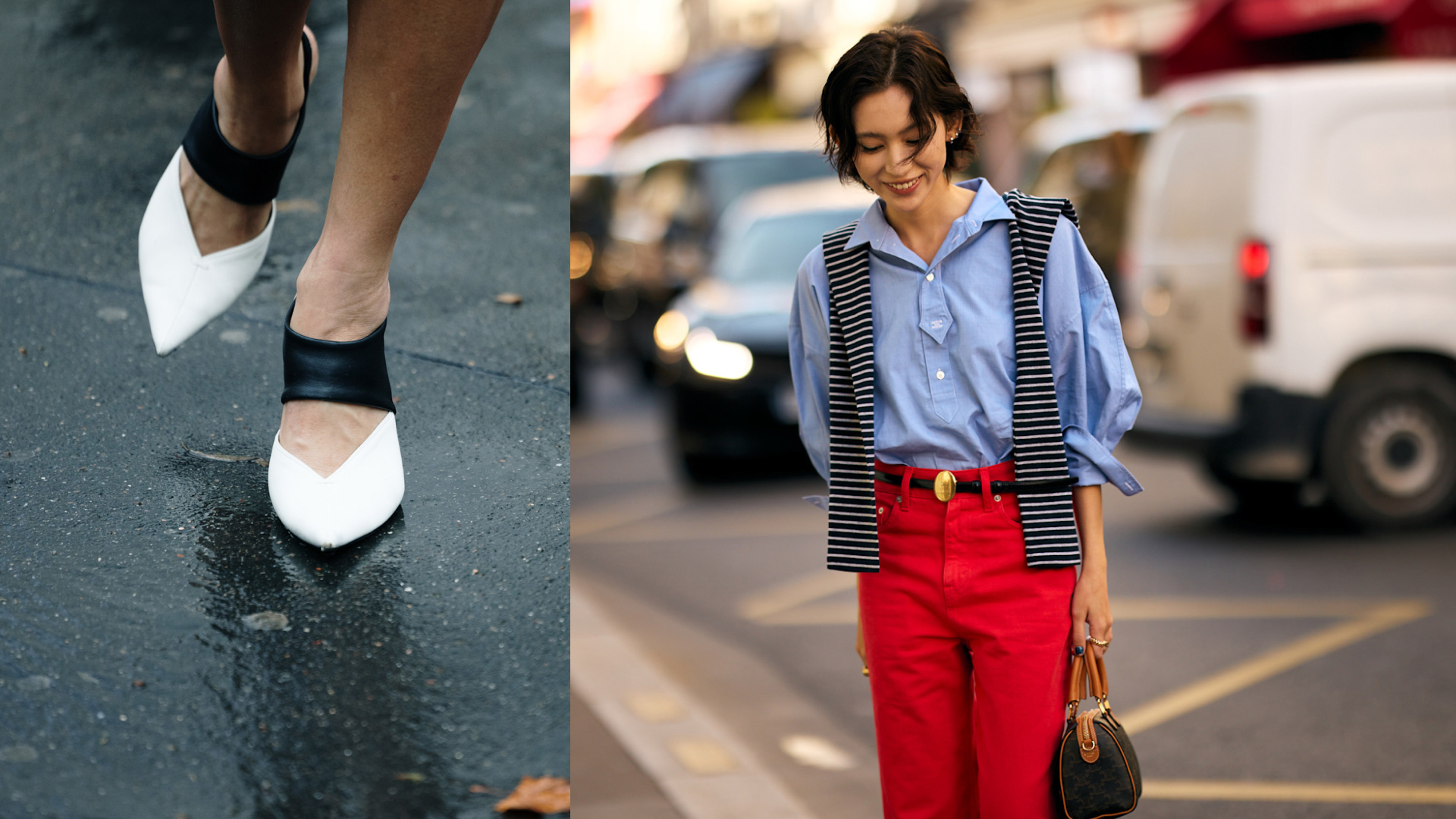
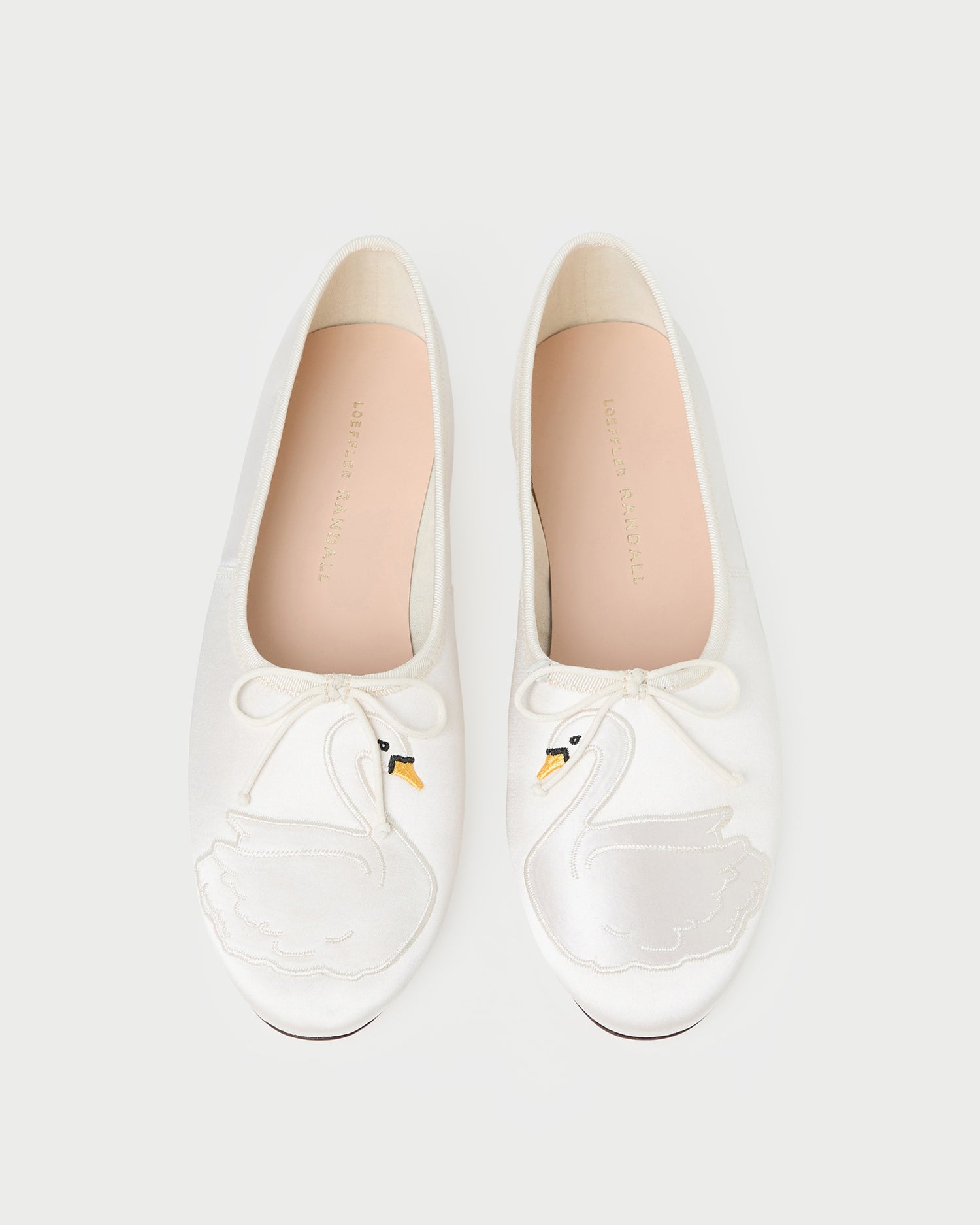
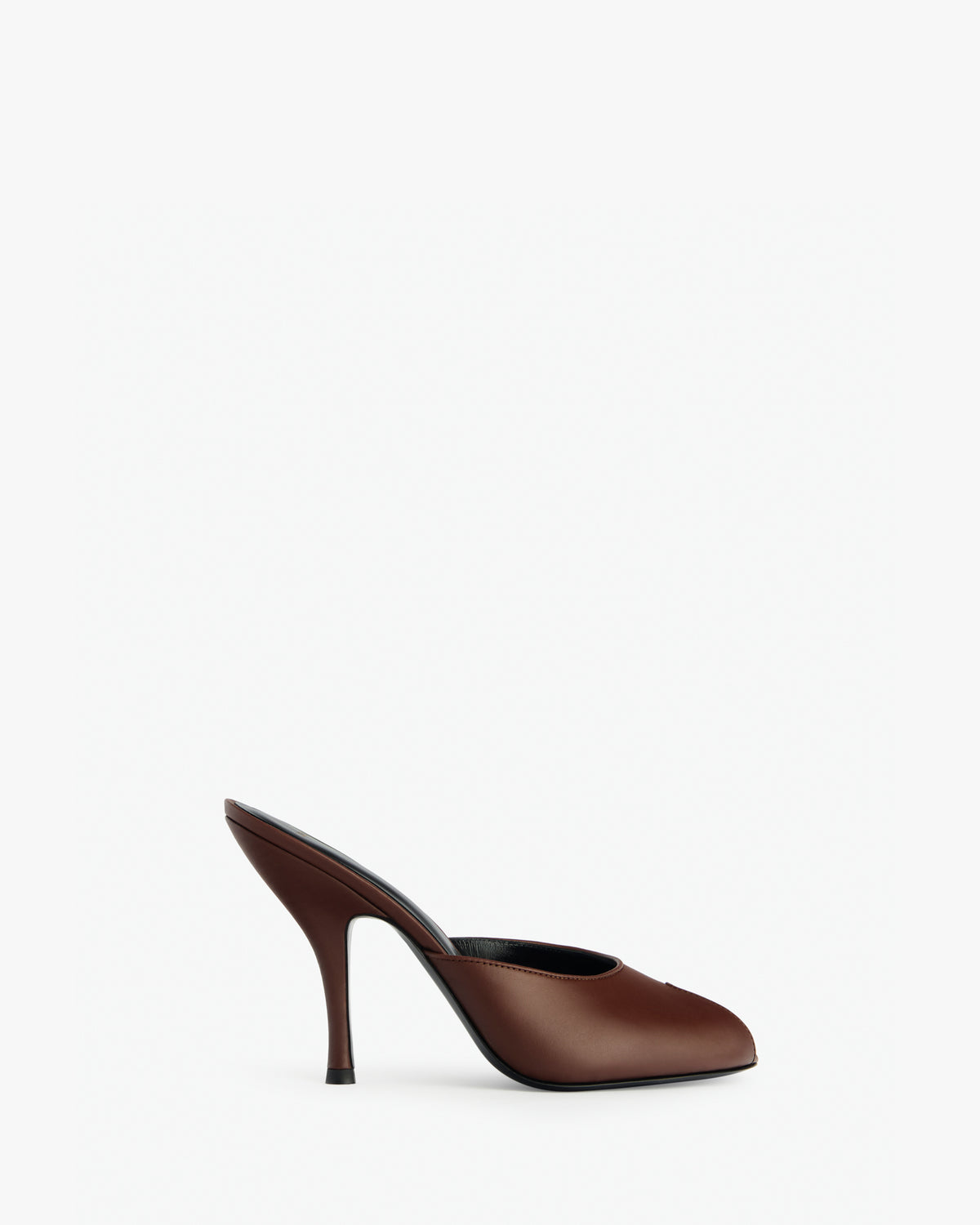
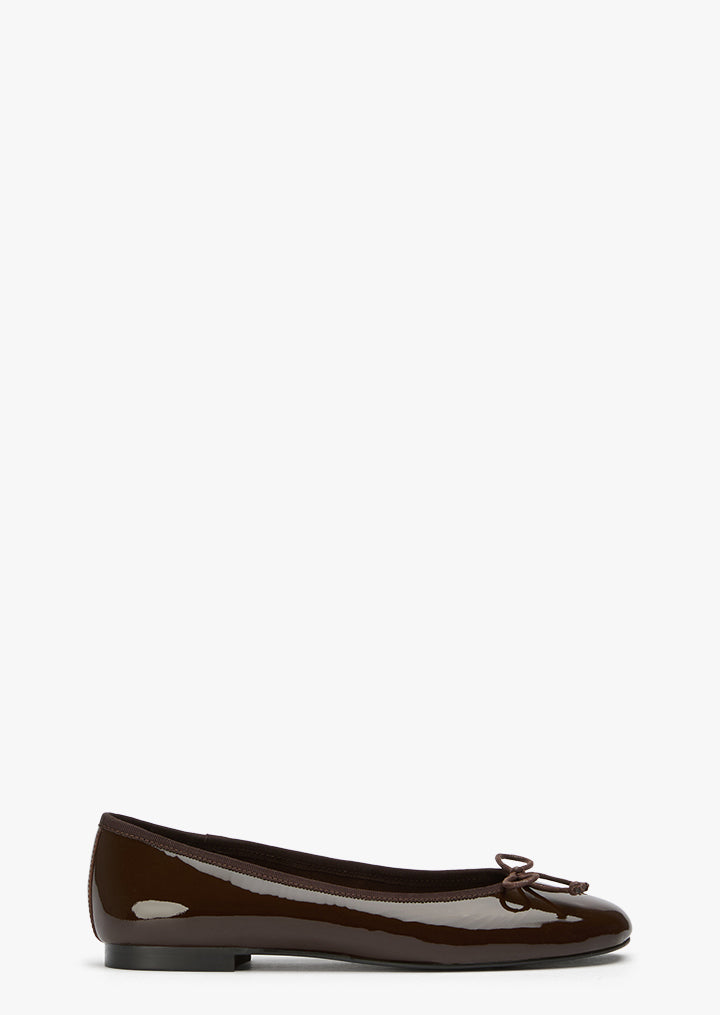
Outerwear continues to dominate high-intent search queries and cart additions. Tailored silhouettes—such as structured wool coats, shearling-lined boots, and silk dusters—reflect a broader consumer movement toward quiet luxury and tactile longevity. Simultaneously, footwear trends demonstrate a bifurcated preference: ultra-comfortable, minimalist ballet flats and low-profile mules for daytime utility sit alongside sculptural, patent-finish kitten heels designed for evening wear.
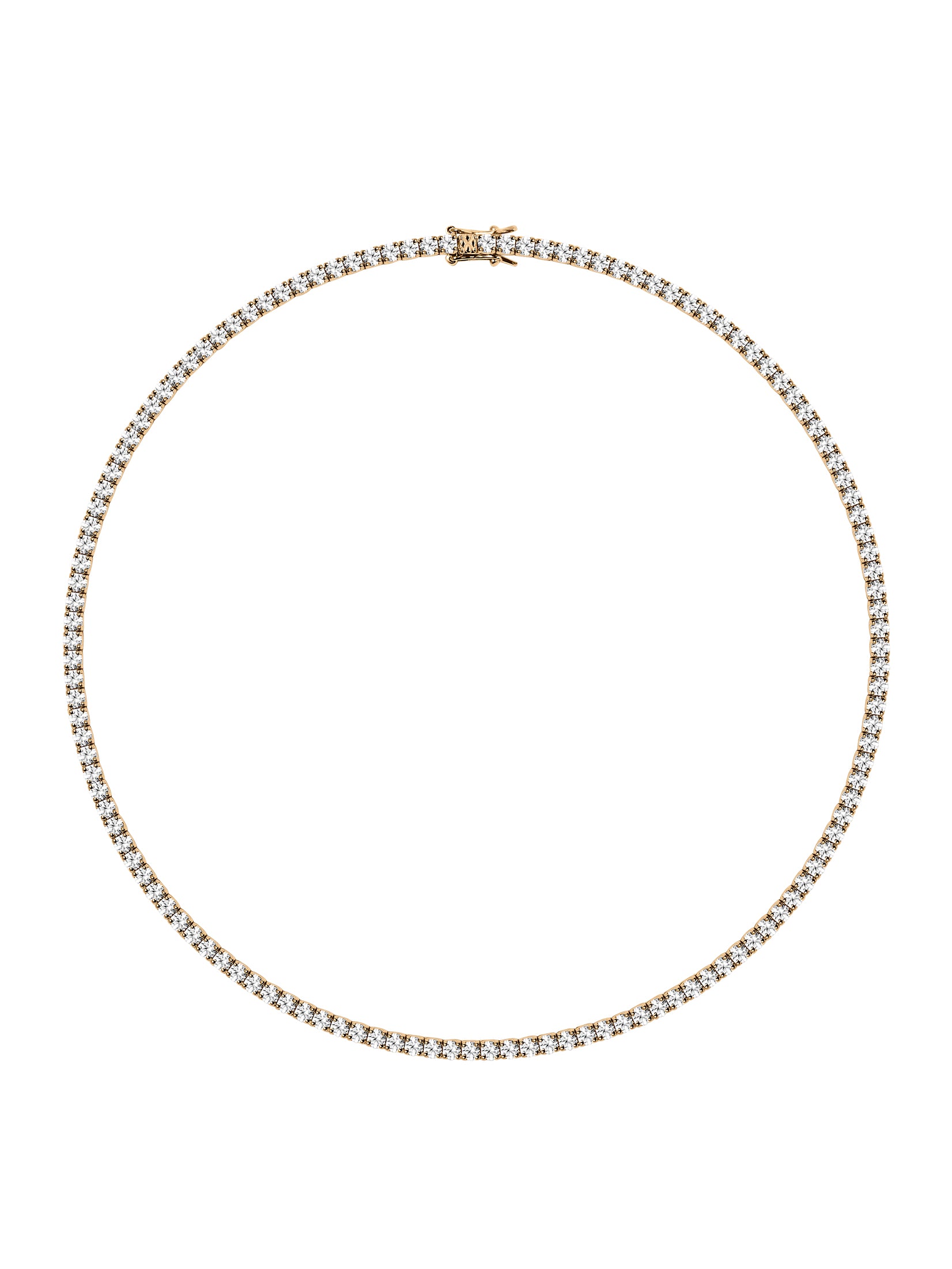
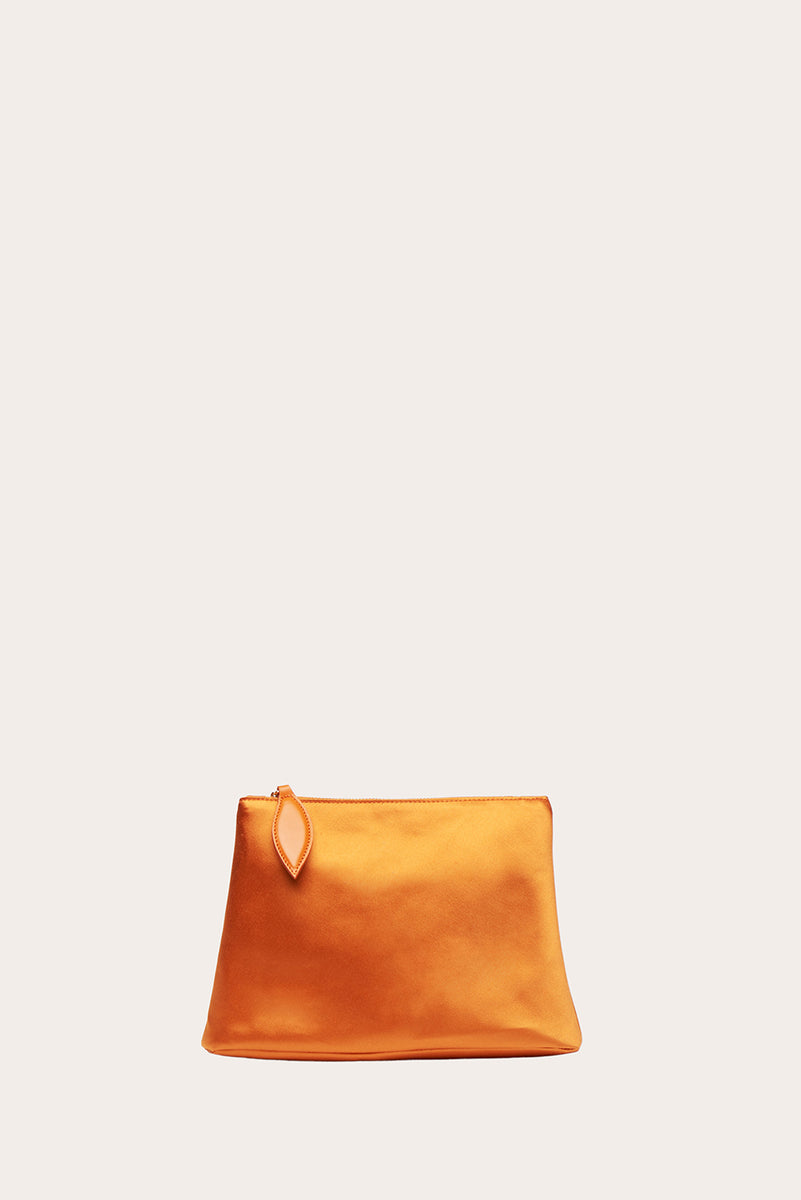
In the accessories market, lab-grown precious stones, vermeil layering necklaces, and structured satin clutches are outperforming heavy-metal statement pieces. This trend underscores a macro-economic shift: consumers are gravitating toward versatile, high-impact accessories that offer the aesthetic weight of traditional fine jewelry and luxury leather goods at accessible price points.
Economic Implications for Independent Brands and Retailers
The rise of curated digital shopping platforms carries profound implications for the broader retail supply chain. Historically, emerging designers faced insurmountable barriers when attempting to secure shelf space in major department stores or national boutique chains. High slotting fees, stringent inventory minimums, and exclusive distribution contracts often stifled independent creativity.
Digital curation platforms have largely bypassed these traditional gatekeepers. When an emerging independent label is featured on a high-visibility curated storefront, it gains instant access to a targeted, high-intent consumer base without the overhead costs of traditional wholesale partnerships. Consequently, independent brands are experiencing accelerated brand awareness and direct-to-consumer sales velocities that rival legacy conglomerates.
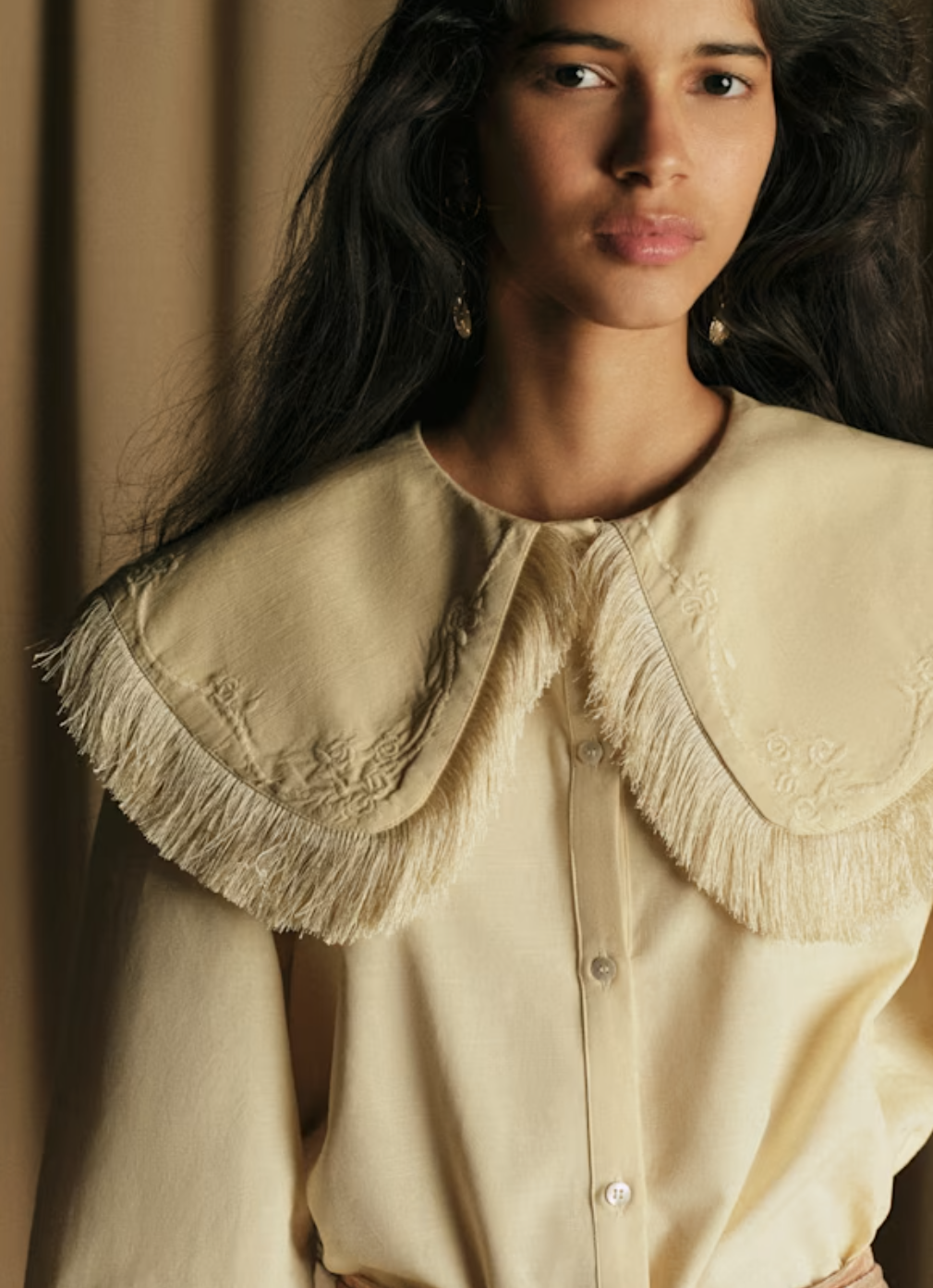
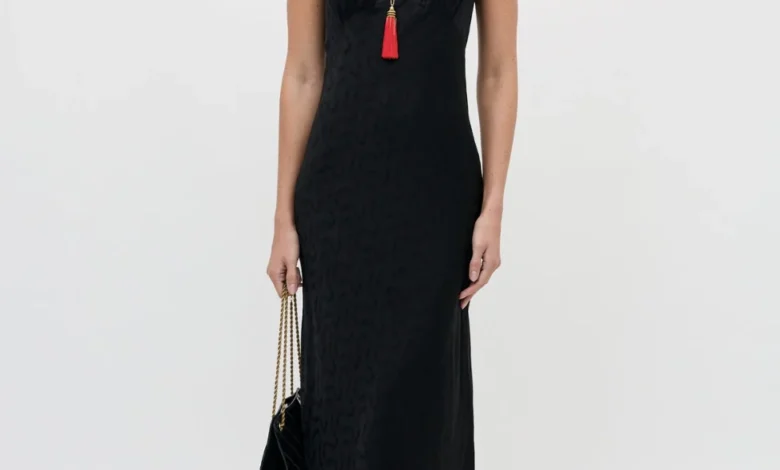
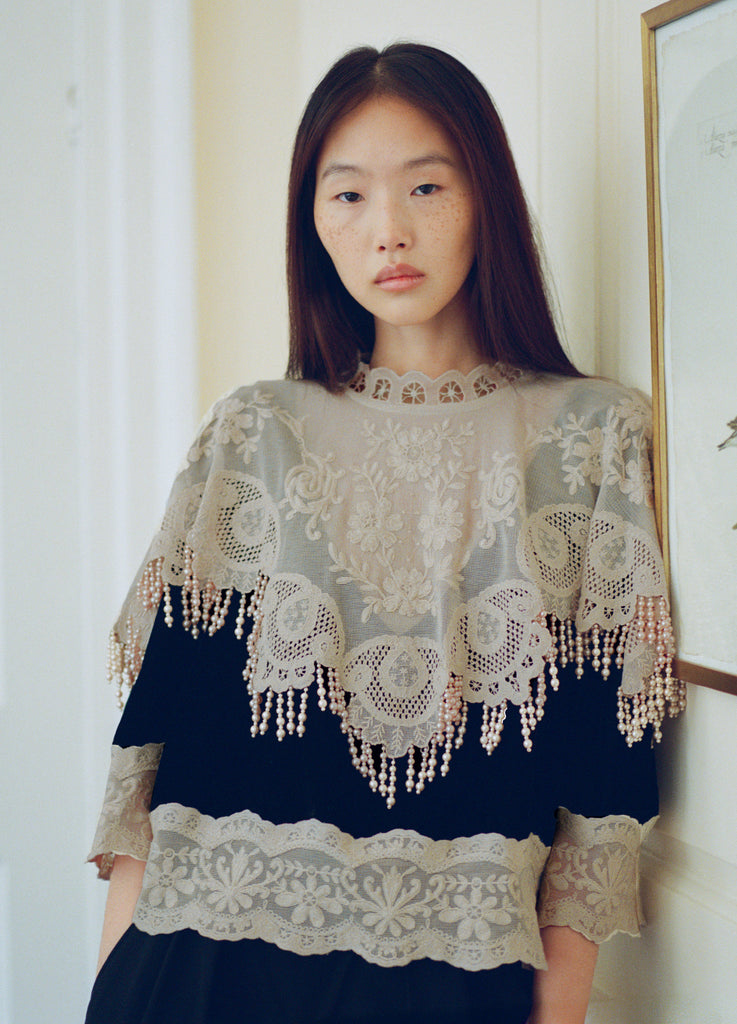
Furthermore, retail data analytics generated by these platforms provide brands with unprecedented visibility into consumer demand. By tracking which specific items—such as a seasonal jacquard top, an embroidered satin dress, or a recycled leather pencil skirt—generate the highest volume of clicks and bookmarks, brands can adjust manufacturing runs in real-time, significantly reducing dead stock and minimizing textile waste.
Industry Reactions and the Future of Digital Styling
Retail executives and luxury brand managers have taken notice of this decentralized shift, adapting their marketing budgets accordingly. Rather than allocating the vast majority of capital to traditional print advertising campaigns, major fashion houses are establishing dedicated creator-relations teams to partner directly with digital curators.
Industry observers suggest that this collaborative model will only deepen as artificial intelligence and visual search technologies integrate further into shopping platforms. Future iterations of digital storefronts are expected to offer hyper-personalized styling recommendations based on an individual user’s saved preferences, past purchases, and aesthetic mood boards.
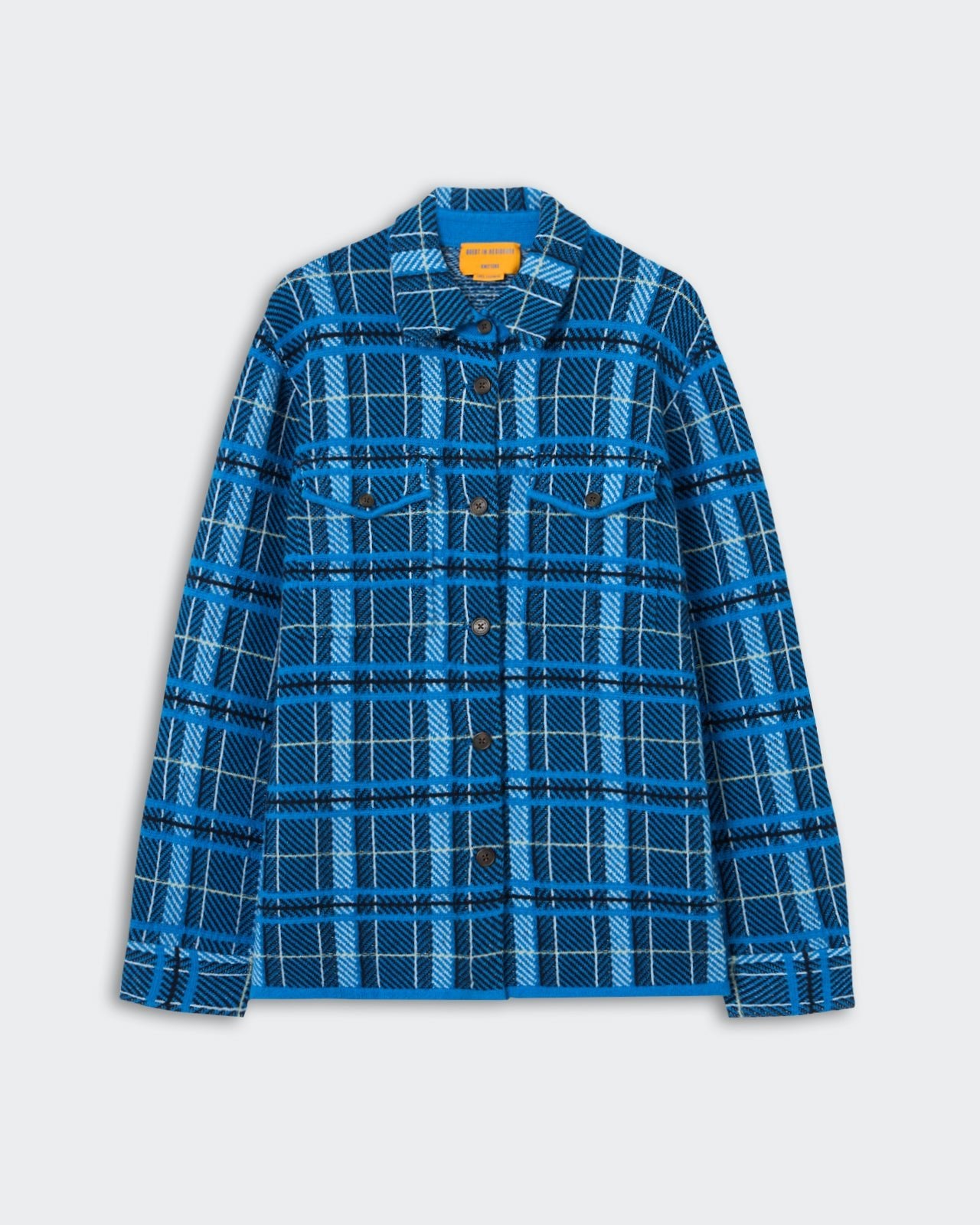
Despite these technological advancements, the core human element—the artistic eye of the stylist and the editorial authority of the curator—remains irreplaceable. As consumers navigate an increasingly crowded digital marketplace, the ability to synthesize noise into curated, intentional style will continue to define the future of fashion commerce. Platforms that successfully bridge the gap between inspiration and seamless transaction are poised to anchor the retail economy for the foreseeable future, ensuring that discovery remains as vital as the product itself.
Related posts: