Lethal Pesticide Cocktails Linked to 2024 Mass Die-off of Western Monarch Butterflies in California Sanctuary

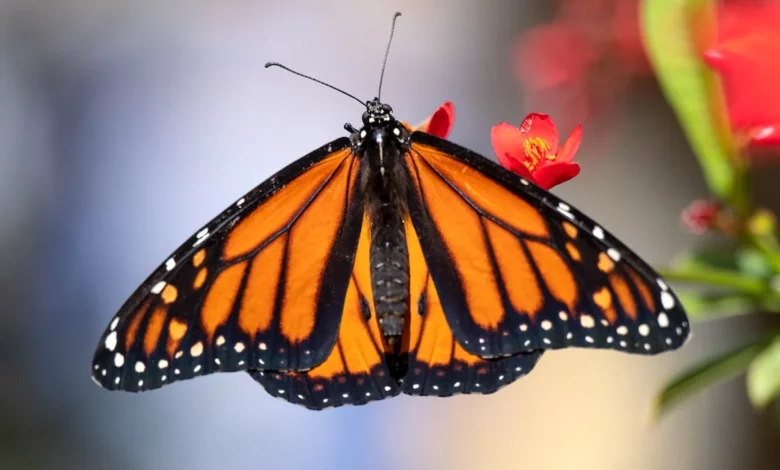
In January 2024, the tranquil groves of Pacific Grove, California—a coastal community famously dubbed "Butterfly Town, USA"—became the site of a grim ecological discovery that has now been definitively linked to chemical exposure. Hundreds of Western monarch butterflies were found dead or in the throes of neurological distress near the Pacific Grove Monarch Sanctuary, a critical overwintering site for the species. A new peer-reviewed study published in the journal Environmental Toxicology and Chemistry has confirmed that these deaths were not the result of natural attrition or weather events, but rather a direct consequence of a lethal "cocktail" of neurotoxic pesticides.
The findings, led by researchers at the Xerces Society for Invertebrate Conservation, utilize advanced forensic techniques to highlight a growing crisis for the Western monarch population, which has seen its numbers plummet by nearly 95% since the 1980s. The study provides a chilling look at how modern chemical usage in both agricultural and urban landscapes can decimate sensitive migratory species even within the borders of protected refuges.
The Forensic Investigation: Uncovering the Chemical Signature
Following the discovery of the mass die-off in early 2024, researchers collected samples of the deceased butterflies for rigorous laboratory analysis. Using a combination of liquid and gas chromatography paired with mass spectrometry, the team screened the remains for a wide array of environmental contaminants. The results were startling: every butterfly tested showed evidence of multiple chemical exposures.
The analysis identified a mix of 15 different substances, including insecticides, herbicides, and fungicides. On average, each individual butterfly carried a residue of seven different pesticides. Lead author Staci Cibotti, a pesticide risk prevention specialist at the Xerces Society, noted that the presence of multiple insecticides, many of which are specifically designed to attack the nervous systems of insects, created a "perfect storm" of toxicity.
While the exact geographical source of these chemicals remains unconfirmed by Monterey County officials, the concentration levels found on the butterflies were high enough to suggest direct exposure or significant drift from recent applications. The researchers emphasized that when insects are exposed to multiple chemicals simultaneously, the synergistic effects can be far more lethal than exposure to a single substance in isolation.
The Primary Culprits: Pyrethroids at Lethal Doses
Among the 15 chemicals detected, three human-made pyrethroid insecticides—bifenthrin, cypermethrin, and permethrin—emerged as the most likely causes of death. These substances are widely used in both commercial agriculture and residential pest control to manage ants, spiders, mosquitoes, and crop-destroying beetles.
The study found that:
- Bifenthrin and Cypermethrin: These were present in every single sample tested by the research team.
- Permethrin: This was found in all but two of the collected samples.
- Toxicity Levels: The concentrations of these pyrethroids were detected at or near the established lethal doses (LD50) for the species.
Pyrethroids work by disrupting the sodium channels in an insect’s nerve cells, leading to paralysis and eventual death. Observers at the Pacific Grove site in January 2024 reported that the monarchs exhibited classic symptoms of neurotoxic poisoning, including tremors, an inability to cling to branches, and "spinning" on the ground before dying. Because monarchs cluster together in large groups during the winter to conserve heat, a single localized application of these chemicals can result in a disproportionately high number of fatalities.
A Timeline of Decline and Critical Incidents
The 2024 Pacific Grove incident is not an isolated event, but rather part of a troubling pattern of mass mortality events linked to human activity.
- The 1980s Baseline: During this era, millions of Western monarchs would blanket the California coast during the winter months.
- September 2020: A similar mass die-off occurred in North Dakota. Hundreds of monarchs were found dead following an aerial mosquito control spray that coincided with their peak migration window.
- January 2024: The Pacific Grove mass die-off occurs, prompting the current study.
- Early 2025: The annual Western Monarch Count reveals a devastating drop in the population. The census recorded only 9,119 individuals—a staggering decline from the hundreds of thousands counted just a few years prior, and the second-lowest number ever recorded.
This timeline illustrates the extreme volatility of the Western monarch population. With numbers now hovering at less than 1% of their historical highs, the loss of even a few hundred individuals to a pesticide incident represents a significant blow to the genetic diversity and recovery potential of the species.

Why Overwintering Sites are "Vulnerability Hotspots"
The Western monarch butterfly follows a unique migratory path, spending the summer months breeding across the Western United States and the Pacific Northwest before traveling to the California coast to overwinter. During this period, they enter a state of reproductive diapause, clustering in eucalyptus, Monterey pine, and cypress trees to survive the colder months.
This behavior makes them uniquely vulnerable to pesticide drift. As Staci Cibotti explained in a supplemental statement, these butterflies are essentially "sitting ducks" during the winter. Because they are concentrated in small geographic areas, any chemical application in nearby residential gardens, golf courses, or agricultural fields can be carried by the wind into the sanctuary.
Furthermore, the butterflies are often already stressed by the energy demands of migration and the challenges of fluctuating winter temperatures. The addition of a neurotoxic "cocktail" to their environment can easily push them past the point of survival. The study underscores that urban areas, often thought of as safer than industrial farms, can be equally hazardous due to the heavy use of structural pest control and cosmetic landscaping chemicals.
Endangered Status and the Threat of Extinction
The broader context of the Western monarch’s plight is one of imminent danger. The International Union for Conservation of Nature (IUCN) has officially listed the migratory monarch butterfly as endangered. Meanwhile, the U.S. Fish and Wildlife Service (USFWS) has provided a sobering assessment of the species’ future. According to data cited by the Los Angeles Times, researchers estimate there is a 99% probability that the Western monarch butterfly will become extinct by the year 2080 if current trends in habitat loss, climate change, and pesticide use are not reversed.
The 2025 population count of just 9,119 individuals is well below the "extinction threshold" of 30,000 individuals that many scientists believe is necessary to ensure the population can survive a single catastrophic weather event or disease outbreak. The Pacific Grove die-off serves as a stark reminder that human-caused chemical interference is accelerating this march toward extinction.
Policy Recommendations and Conservation Strategies
In the wake of the study’s publication, the Xerces Society and other conservation groups are calling for immediate and systemic changes to how pesticides are managed near sensitive habitats. The researchers argue that relying on voluntary measures is no longer sufficient given the precarious state of the population.
Key recommendations include:
- Establishment of Pesticide-Free Buffer Zones: Creating mandatory "no-spray" zones around known overwintering sites and migratory corridors to prevent drift.
- Public Education Campaigns: Informing homeowners and landscapers in coastal communities about the lethal risks posed by common household pesticides like bifenthrin.
- Enhanced Monitoring and Tracking: Requiring more transparent reporting of pesticide applications by public officials and commercial sprayers, especially during the overwintering season (November through March).
- Regulatory Reform: Urging the Environmental Protection Agency (EPA) and state regulators to reassess the "safe use" labels of pyrethroids, taking into account their cumulative effects on non-target endangered species.
Emily May, the agricultural conservation lead at the Xerces Society and a co-author of the study, emphasized that protecting the monarch requires a shift in how society views pest management. "Protecting monarchs from pesticides will require both public education and policy change," May stated. "We are committed to working with communities and decision-makers to ensure that overwintering sites are healthy refuges, not death traps."
Analysis of Broader Ecological Implications
The mass die-off of monarchs is often viewed by ecologists as a "canary in the coal mine" for broader insect declines. Monarchs are highly visible and charismatic, making them excellent indicators of environmental health. If a protected sanctuary in a community like Pacific Grove—which prides itself on its relationship with the butterfly—cannot protect them from lethal chemical exposure, it raises serious questions about the safety of less-monitored habitats.
The presence of 15 different chemicals in the bodies of these butterflies suggests a pervasive level of environmental contamination that likely affects other pollinators, such as native bees, moths, and predatory insects that provide natural pest control. The "cocktail effect" identified in the study is particularly concerning for biodiversity at large, as most regulatory toxicity testing is performed on single chemicals rather than the complex mixtures found in the real world.
As the Western monarch teeters on the edge of extinction, the 2024 Pacific Grove incident highlights the urgent need for a more integrated approach to conservation—one that looks beyond mere habitat preservation to address the invisible chemical threats that permeate the air and water. Without a significant reduction in the use of neurotoxic pesticides, the annual return of the monarchs to the California coast may soon become a thing of the past.