Leon S. Kennedy’s Sonic Soundtrack: How Grunge and Metal Fueled the Resident Evil Voice Actor’s Performance

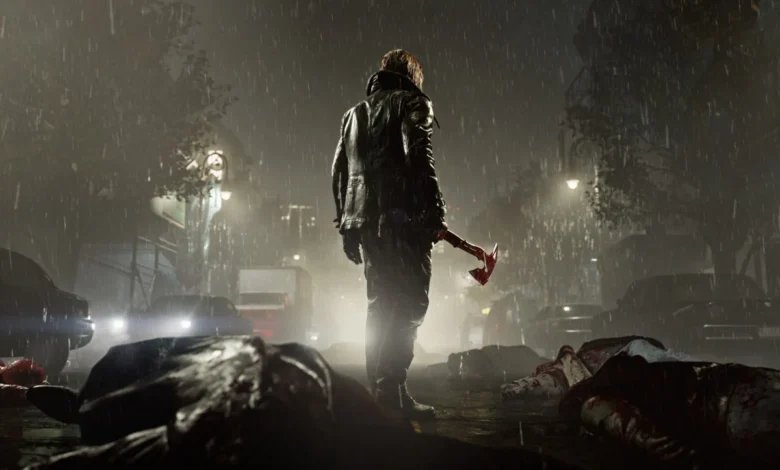
The iconic voice behind Leon S. Kennedy, Nick Apostolides, has offered a compelling glimpse into his immersive process for embodying the beloved Resident Evil protagonist. In a recent interaction via the fan-centric platform Cameo, Apostolides revealed that his portrayal of the seasoned survivor is deeply intertwined with his musical inspirations, drawing heavily from the raw energy of grunge and the heavy, driving rhythms of classic metal. His sonic palette for Leon ranges from the angsty introspection of Nirvana for the character’s early days to the brooding intensity of Alice In Chains for his more hardened iterations, culminating in the powerful, anthemic sound of 1980s Metallica for his most recent appearances. This revelation sheds light on the intricate craft of voice acting, particularly in bringing a multi-faceted character like Leon S. Kennedy to life across various installments of the long-running survival horror franchise.
The Evolution of Leon S. Kennedy and His Voice
Leon S. Kennedy first burst onto the gaming scene in 1998 with the original Resident Evil 2. His introduction as a rookie police officer thrust into a zombie-infested Raccoon City immediately resonated with players, establishing him as a central figure in the series’ lore. The character’s resilience, developing combat prowess, and often stoic demeanor made him a fan favorite, paving the way for his return in subsequent titles.
The 2019 release of the Resident Evil 2 Remake saw Nick Apostolides take over the mantle of Leon’s voice. This reimagining of the classic game provided Apostolides with a fresh canvas to interpret the character, and his approach has evidently evolved alongside Leon’s own narrative progression through the Resident Evil universe. The actor’s commitment to understanding and internalizing Leon’s emotional state at different points in his life is a testament to the nuanced performances that have become a hallmark of modern video game characterizations.
A Symphony of Grunge and Grit for a Young Leon
Apostolides explained that for the younger, more inexperienced Leon of Resident Evil 2, his primary musical influence was the seminal grunge band Nirvana. While he doesn’t pinpoint a single track, the overall ethos of grunge rock proved instrumental. "I don’t have one song in particular but that grunge rock energy was good for young Leon," Apostolides stated. This choice is particularly fitting. Nirvana, with their introspective lyrics, raw guitar distortion, and a general sense of youthful disillusionment, perfectly mirrors the predicament of a young officer suddenly facing an unprecedented outbreak. The grunge scene of the early to mid-90s, with its anti-establishment undertones and focus on emotional authenticity, provides a sonic backdrop that can evoke the shock, fear, and nascent determination of a character thrust into unimaginable circumstances.
The impact of grunge on popular culture during the 1990s, when Leon S. Kennedy was first conceived, cannot be overstated. Nirvana, along with bands like Pearl Jam and Soundgarden, redefined rock music and influenced a generation. The themes of alienation, anxiety, and a search for meaning often present in grunge lyrics can be seen as paralleling Leon’s early struggles to comprehend and survive the Raccoon City disaster. Apostolides’ conscious decision to tap into this musical vein suggests a deep consideration for Leon’s initial vulnerability and his journey from a green recruit to a hardened survivor.
The Growing Darkness: Alice In Chains for a More Grizzled Leon
As Leon’s experiences in the Resident Evil saga progressed, so too did his character, becoming more world-weary and grim. This shift in Leon’s persona found its sonic parallel in the music of Alice In Chains. For Leon’s portrayal in Resident Evil 4, a game known for its darker, more intense atmosphere and Leon’s increased combat readiness, Apostolides turned to the band’s signature sound.
"When he got a little bit more grizzled in Resident Evil 4, I was getting into Alice In Chains," Apostolides revealed. He specifically cited tracks like "Would?" and "Them Bones" as significant inspirations. Alice In Chains, often categorized as grunge but with a distinct, heavy, and often melancholic sound, offers a sonic landscape that is both powerful and deeply unsettling. The band’s music is characterized by its sludgy, down-tuned guitar riffs, Layne Staley’s haunting vocals, and themes that often explore addiction, despair, and inner turmoil.
Apostolides described Alice In Chains’ sound as "borderline grunge rock but more like acid rock. Slow, dredging, heavy riffs. Love that music." This description accurately captures the band’s unique blend of heavy rock and bluesy, almost psychedelic undertones. The grim realities of Leon’s missions, particularly in the rural, cult-infested setting of Resident Evil 4, align perfectly with the often bleak and introspective nature of Alice In Chains’ discography. The band’s later albums, such as "Rainer Fog" and "The Devil Put Dinosaurs Here," which Apostolides noted as "really dark," likely provided a rich source of emotional resonance for the actor as he navigated Leon’s increasingly perilous and psychologically taxing encounters. The lyrical content and musical intensity of Alice In Chains can easily evoke the grim determination and the psychological toll that prolonged exposure to horror and violence would inflict on a character like Leon.
The Roar of Metal: Metallica for the Ultimate Survivor
For the latest chapter in Leon’s journey, presumably Resident Evil 9 given the context of the interview, Apostolides delved into the thunderous power of 1980s Metallica. This choice signifies Leon’s ultimate transformation into a seasoned, formidable operative, capable of facing down the most terrifying threats the Resident Evil universe can conjure.
"In Resident Evil 9 I used older metal [such as] 1980’s Metallica," he explained. Apostolides elaborated on the appeal of this era of Metallica: "It’s super heavy, fast with lockstep rhythms." He singled out "Orion," a purely instrumental track from the album Master of Puppets, as his favorite song of all time and a profound source of inspiration. "I had that in my head. It’s just such a heavy riff, and there’s so much behind that song about why they wrote it, how they wrote it. I just love it."
The 1980s were a golden age for heavy metal, and Metallica stood at the forefront of this movement. Their early work is renowned for its technical proficiency, aggressive tempo, and epic scope. Tracks like "Orion" exemplify this, showcasing intricate musicianship and a powerful, driving energy that can evoke a sense of relentless pursuit and unyielding strength. For a character like Leon, who has consistently faced overwhelming odds and emerged victorious, the bombastic and powerful sound of 80s Metallica serves as a fitting sonic representation of his ultimate mastery over his environment and the horrors within it. The sheer force and epic nature of Metallica’s early work can be interpreted as mirroring Leon’s unwavering resolve and his capacity for extraordinary feats of survival and combat.
The Cameo Revelation and Fan Engagement
The source of this detailed insight into Apostolides’ creative process is a video shared on Cameo, a platform where fans can purchase personalized video messages from celebrities. The specific Cameo video in question was re-shared by the Resident Evil news aggregation account RENEWS on X (formerly Twitter). This interactive medium highlights the evolving relationship between creators and their audiences in the digital age, allowing for direct communication and behind-the-scenes glimpses into the artistic choices made in beloved media franchises. The fact that Apostolides chose to share these details via Cameo underscores his engagement with the Resident Evil fanbase and his willingness to offer them a deeper understanding of his portrayal of Leon.
Resident Evil’s Continued Cultural Resonance: A Symphony Tour
Beyond the specifics of voice acting, the Resident Evil franchise continues to solidify its cultural footprint. The upcoming "Resident Evil: Symphony Of Legacy" concert tour, set to commence in November, is a significant event that underscores the franchise’s enduring popularity and its crossover appeal into other artistic domains. The tour, starting in Dusseldorf and making stops in Paris, Prague, London, and Vienna, with North American dates to be announced, aims to provide a "musical journey through one of the most influential horror universes in pop culture history."
This tour promises to be a unique experience, described as "bringing together, for the first time, the worlds of video games and cinema in a single live experience." The performances will be accompanied by carefully selected visual elements designed to immerse the audience in the dark aesthetic of Resident Evil without overshadowing the musical focus. The press release emphasizes that the tour bridges "gaming culture, cinematic art, and classical concert tradition," aiming for an immersive live experience that combines horror, nostalgia, and symphonic power. This initiative further demonstrates the franchise’s ability to transcend its original medium and connect with audiences on multiple sensory and artistic levels. The selection of music, whether it be the iconic themes from the games or new orchestral arrangements, will undoubtedly resonate with fans who have grown up with Leon and the other characters.
Broader Implications for Voice Acting and Character Development
Nick Apostolides’ revelations offer a valuable insight into the sophisticated methods employed by modern voice actors. The notion that a performer meticulously curates a musical playlist to inhabit a character’s emotional and psychological landscape is becoming increasingly prevalent in the industry. This approach goes beyond mere vocal performance; it involves a deep dive into the character’s journey, their internal struggles, and their external confrontations.
The choice of specific musical genres and artists is not arbitrary. Grunge’s raw, introspective nature, Alice In Chains’ dark, heavy, and often melancholic soundscapes, and Metallica’s powerful, driving energy each represent distinct facets of Leon S. Kennedy’s development. This methodical integration of music into the performance process suggests a growing sophistication in character development within the video game industry, where voice actors are not just delivering lines but are actively shaping the emotional core of the characters they portray.
The success of this approach is evident in the enduring popularity of Leon S. Kennedy. Fans connect with the character not just because of his actions on screen but also because of the palpable sense of humanity and resilience that Apostolides, aided by his musical inspirations, has imbued him with. As the Resident Evil franchise continues to evolve, it will be fascinating to see how future voice actors will continue to draw inspiration from the arts to bring its iconic characters to life.
In other gaming news, the competitive shooter genre is also seeing significant developments. Call Of Duty fans are anticipating the early access period for Modern Warfare 4, with publishers Activision recently announcing details for an open beta next month. This provides a contrasting, but equally significant, point of reference for the fast-paced, action-oriented segment of the gaming market, while Resident Evil continues to explore the depths of survival horror and character-driven narrative.