Astronomers Reconstruct Magnetic Field of Entire Galaxy Cluster Abell 2255, Revealing Cosmic Formation Secrets

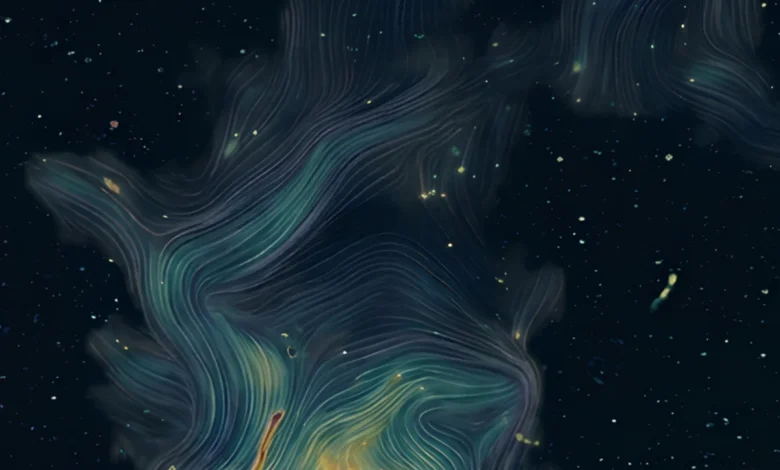
For the first time in astronomical history, scientists have successfully reconstructed the magnetic field of an entire galaxy cluster, extending from its dense central nucleus to its sprawling outer limits. This groundbreaking achievement, focusing on the distant galaxy cluster Abell 2255, located approximately a billion light-years from Earth, represents a significant leap in our understanding of the universe’s largest structures and the pervasive, yet elusive, cosmic magnetic fields that shape them. The unprecedented depth of observation required for this feat was made possible by the European radio telescope LOFAR (Low Frequency Array), a network renowned for its unparalleled sensitivity at low radio frequencies.
Unveiling the Invisible Architecture of the Cosmos
Galaxy clusters are the largest gravitationally bound structures in the universe, typically containing hundreds to thousands of galaxies, vast reservoirs of hot gas, and significant amounts of dark matter. These colossal cosmic cities are not static entities; they are dynamic environments where galaxies merge, gas streams collide, and powerful astrophysical processes unfold. Within these clusters, magnetic fields, though incredibly weak by terrestrial standards, play a crucial role in regulating gas flows, accelerating cosmic rays, and influencing the evolution of galaxies themselves. However, directly observing and mapping these magnetic fields across such immense scales has historically posed a formidable challenge.
Abell 2255 has long been recognized by astronomers for its remarkable complexity in radio wavelengths. It exhibits diffuse radio emissions, known as radio halos and relics, which are generated by relativistic electrons – particles accelerated to nearly the speed of light – interacting with the cluster’s magnetic fields. These interactions cause the electrons to emit synchrotron radiation, which can be detected by radio telescopes. The intensity and polarization of this radiation provide vital clues about the strength and orientation of the magnetic fields. Consequently, Abell 2255 has served as an ideal "cosmic laboratory" for probing the intricate interplay between particles, magnetic fields, and the hot intracluster medium (ICM).
The recent observations, a cornerstone of the LOFAR Galaxy Cluster Ultra-Deep Field project, involved an astounding 224 hours of radio image collection. This extensive data acquisition allowed researchers to penetrate deeper into the cluster’s structure than ever before, revealing the subtle signatures of its magnetic architecture. The primary finding from this intensive study is revolutionary: the distribution of large-scale magnetic fields throughout Abell 2255, which spans several million light-years, is not random. Instead, these magnetic fields appear to be intricately organized and sculpted by the motion of the hot gas that pervades the cluster, a dynamic process directly linked to the cluster’s formation and ongoing evolution.
The Enigma of Cosmic Magnetism
The origin and amplification of magnetic fields in the universe remain one of the most profound unanswered questions in astrophysics. While magnetic fields are ubiquitous, from individual stars and galaxies to the vast intergalactic medium, their genesis on cosmic scales is still debated. Theories range from primordial fields generated in the early universe to fields amplified by turbulent motions in cosmic plasmas or through galactic dynamo processes. Understanding how these fields are structured and evolve within galaxy clusters, the largest gravitationally collapsed objects, offers a critical window into this cosmic mystery.
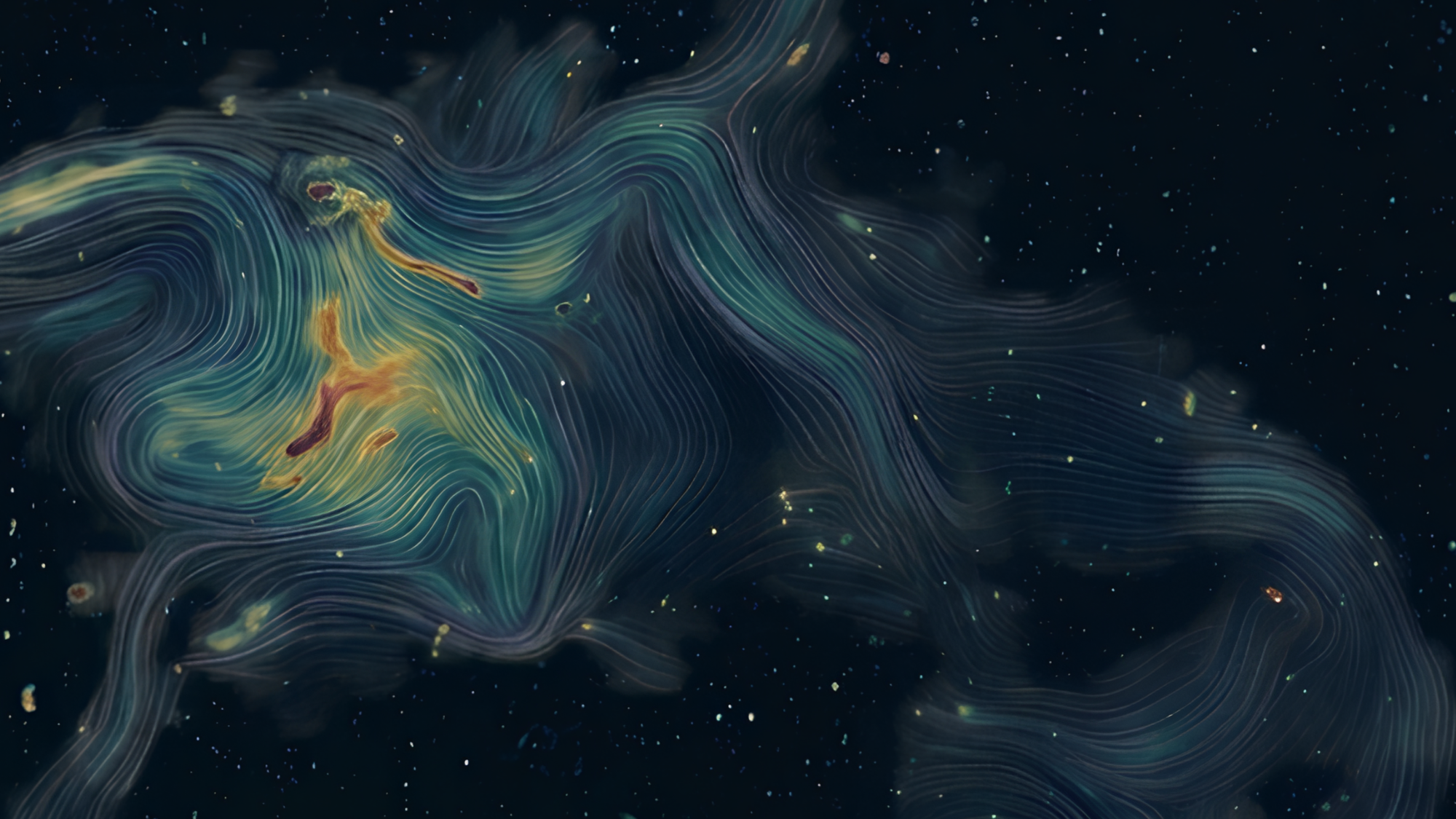
Prior to this study, observations of magnetic fields in galaxy clusters were often limited to smaller regions or provided only average field strengths. The ability to reconstruct the texture of the magnetic field across an entire cluster, depicting its orientation and coherence, marks a significant methodological breakthrough. This allows astronomers to move beyond statistical averages and visualize the actual flow and structure of these invisible forces.
LOFAR: A Glimpse into the Low-Frequency Universe
The Low Frequency Array (LOFAR) is a pan-European radio telescope network, primarily located in the Netherlands, but with stations spread across several European countries. Unlike traditional radio telescopes that often operate at higher frequencies, LOFAR specializes in observing the universe at very low radio frequencies (10-240 MHz). This capability is crucial for studying phenomena like diffuse radio emissions in galaxy clusters, which are often best observed at these lower frequencies because the emission mechanism (synchrotron radiation from relativistic electrons) is more prominent there, and higher frequency signals can be obscured by foreground sources or thermal noise.
LOFAR’s design, consisting of thousands of simple dipole antennas spread over vast distances, allows it to synthesize a colossal virtual aperture, providing exceptional sensitivity and angular resolution. This enables it to detect faint, extended radio sources and map their intricate structures with unprecedented detail, making it an ideal instrument for the "Ultra-Deep Field" observations of Abell 2255. The 224 hours of observation time represent a substantial commitment of telescope resources, underscoring the scientific importance and technical challenge of this research.
Expert Insights and Groundbreaking Methodology
Andrea Botteon, a lead researcher from the Italian National Institute for Astrophysics (INAF) and the head of this international team, emphasized the profound implications of their work. "Obtaining very sensitive images of galaxy clusters at radio wavelengths is crucial to understanding how electrons are accelerated to relativistic speeds and magnetic fields are amplified on large cosmic scales," Botteon stated. He further explained the inherent difficulties: "The complexity of these studies is due to the elusiveness of the radio signal from electrons moving in very weak magnetic fields."
Botteon highlighted the synergy between observation and analysis that underpinned their success. "We believe that the mechanism that ‘turns on’ these gigantic radio emissions is linked to the formation process of galaxy clusters," he added, pointing to the deep connection between large-scale cosmic evolution and the generation of these powerful signals. The team’s innovation lay in combining the deepest radio observations ever made of such a system with a novel data analysis technique, which allowed them to reconstruct the complex morphology of the magnetic field.
"The coherence of the magnetic field lines observed in some regions of the cluster suggests that the morphology of the field is intimately linked to the dynamics of the gas in which it resides," Botteon elaborated. He described how the magnetic field can be "stretched" or "compressed" by the turbulent motions associated with the violent processes of cluster formation and mergers. This dynamic interaction implies that magnetic fields are not merely passive components of the intracluster medium but are actively shaped by and, in turn, influence the gas dynamics within these enormous structures.
A Detailed Map of Cosmic Magnetism
The detailed analysis unveiled a fascinating duality in the magnetic field’s orientation within Abell 2255. In certain regions, particularly those associated with extended radio emissions, the magnetic fields were found to follow very specific radial directions, stretching outwards from the cluster’s core. This radial alignment suggests that the gas flows are dragging and aligning the magnetic field lines along their path, much like streamlines in a fluid.
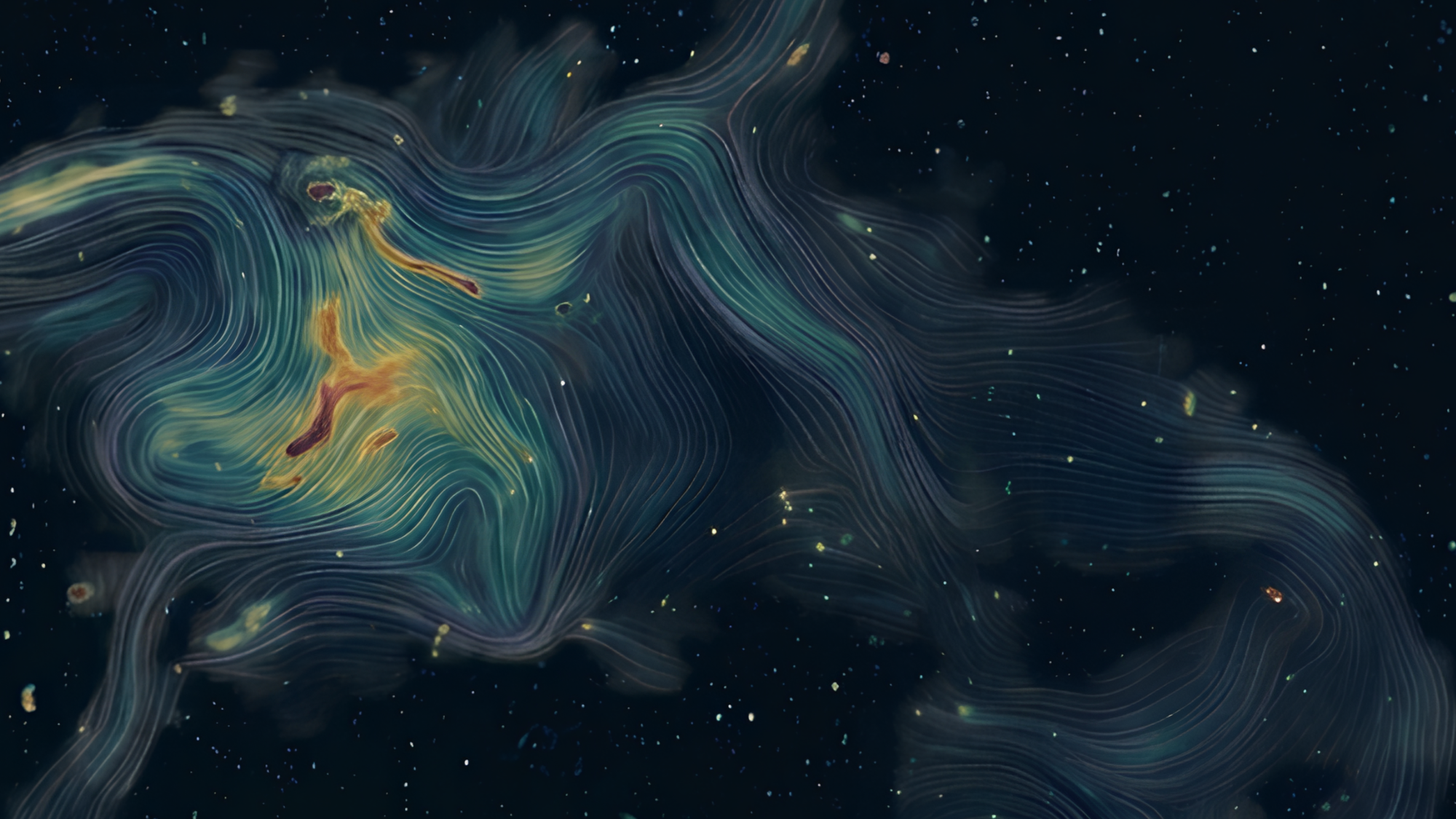
In stark contrast, in regions dominated by powerful shock waves – colossal cosmic ripples generated by merging sub-clusters or infalling matter – the magnetic fields exhibited a tangential orientation. Shock waves are known to compress and energize the intracluster medium, and this tangential alignment indicates that the magnetic fields are being compressed and amplified perpendicular to the direction of the shock propagation. This distinct patterning provides compelling observational evidence that the magnetic fields within Abell 2255 are not chaotic but are systematically carved out by the very same dynamic processes that drive the accretion of gas and the growth of galaxy clusters.
This revelation is monumental because it provides the first direct observational evidence for a long-theorized connection: the mechanisms that allow galaxies to grow, merge, and cluster together, ultimately forming the largest structures in the universe, are also fundamental in shaping and amplifying their pervasive magnetic fields. It suggests a co-evolutionary pathway where gravity-driven structure formation and magnetic field dynamics are inextricably linked.
Broader Impact and Future Implications
The findings from Abell 2255 have far-reaching implications for astrophysics and cosmology. Firstly, they offer crucial insights into the origin and evolution of cosmic magnetic fields. By demonstrating a clear link between gas dynamics during cluster formation and magnetic field morphology, the study provides strong support for models where turbulent amplification plays a significant role in magnetizing the intergalactic medium.
Secondly, this research enhances our understanding of the intracluster medium itself. The hot, tenuous plasma that fills galaxy clusters is notoriously difficult to study. By mapping the magnetic fields that permeate this plasma, astronomers gain a new diagnostic tool for probing the unseen motions, turbulence, and energy transfer processes within the ICM. This can help refine models of galaxy cluster evolution, including how they accrete matter, process energy, and influence the galaxies within them.
Thirdly, the innovative data analysis techniques developed for this study set a new benchmark for future investigations. The ability to reconstruct such detailed magnetic field maps will be invaluable for upcoming observatories, such as the Square Kilometre Array (SKA), which promises even greater sensitivity and resolution. These next-generation telescopes will be able to apply similar methodologies to a wider array of galaxy clusters and other cosmic environments, further unraveling the mysteries of cosmic magnetism.
Ultimately, this work contributes to a more complete picture of the "cosmic web" – the vast network of galaxies, clusters, and filaments that constitutes the large-scale structure of the universe. It underscores that the universe is not just a collection of stars and galaxies, but a complex, interconnected system where invisible forces like magnetism play a fundamental role in shaping its observable architecture.
The team’s rigorous research has been accepted for publication in the esteemed journal Astronomy & Astrophysics, signifying its peer-reviewed scientific validity and importance. A pre-peer-reviewed version of the paper is also publicly available on the repository site arXiv, ensuring broader access to these transformative findings within the scientific community and beyond. This monumental study marks a pivotal moment in our quest to understand the invisible forces that govern the cosmos.