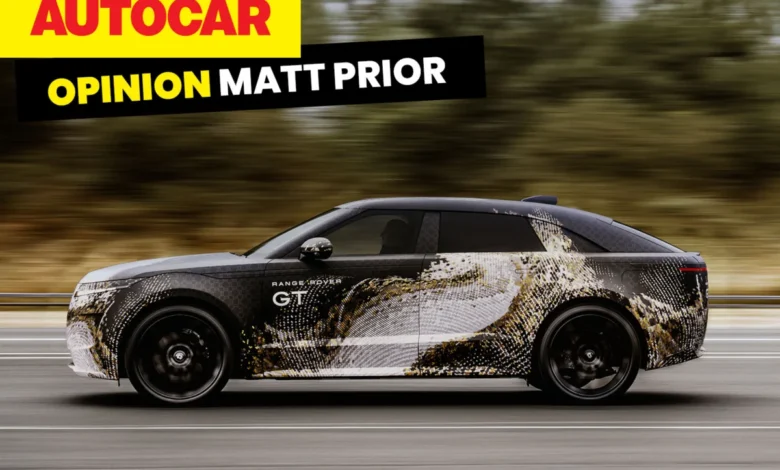
The automotive industry is currently witnessing a profound transformation within Jaguar Land Rover (JLR) as it navigates the complex transition from internal combustion engines to a fully electrified future. Central to this evolution is the emergence of the Range Rover GT, a vehicle that has sparked intense speculation regarding its lineage, its technical foundation, and its potential relationship with the outgoing Jaguar I-Pace. As JLR shifts toward a "House of Brands" strategy, the Range Rover GT represents a pivotal moment for the company, signaling a departure from traditional SUV silhouettes toward a more aerodynamic, "saloon-like" grand tourer.
The Genesis of the Range Rover GT
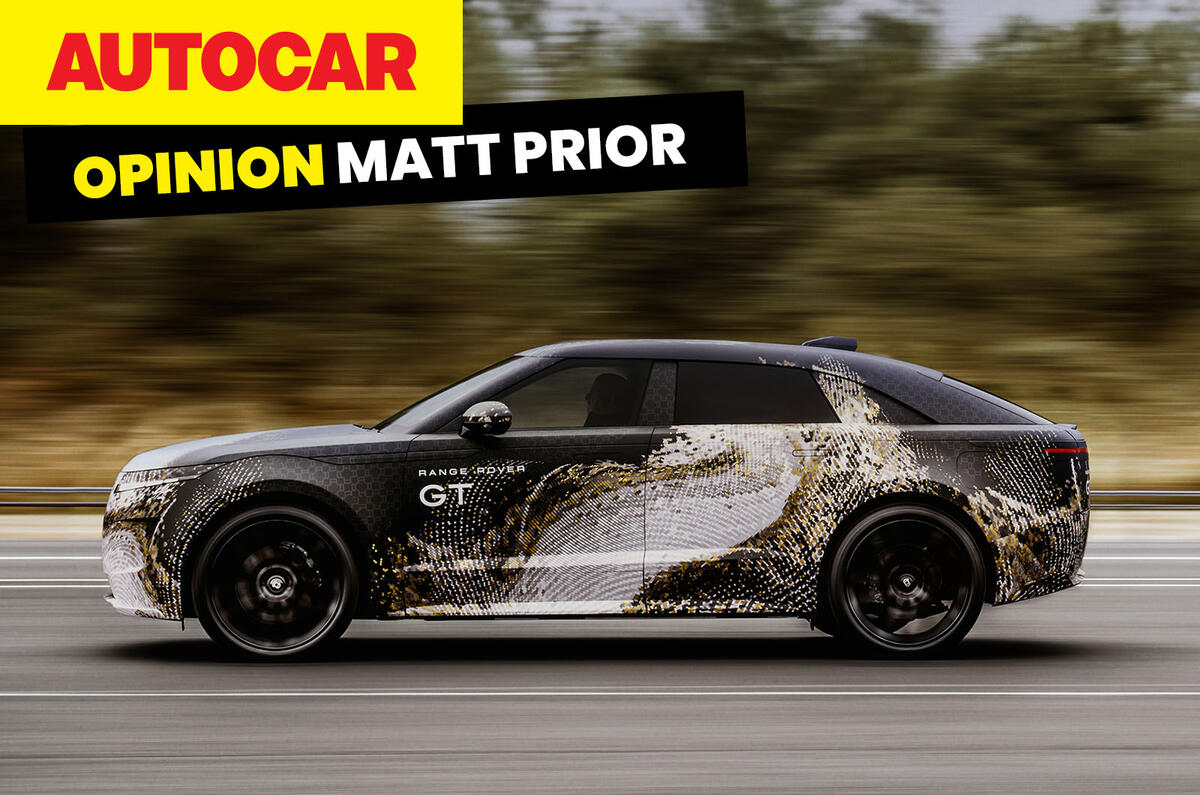
The Range Rover GT is positioned as the most aerodynamic and road-focused model in the brand’s history. Unlike the flagship Range Rover or the rugged Defender, the GT aims to capture a segment of the luxury market that prioritizes high-speed stability, long-distance comfort, and sleek aesthetics. Initial observations and industry whispers suggested that the Range Rover GT might essentially be a rebadged version of the upcoming Jaguar Type 01, or perhaps a direct spiritual successor to the Jaguar I-Pace.
However, internal sources and technical breakdowns indicate a more nuanced reality. While the Range Rover GT shares the overarching corporate goal of electrification, it is built upon a distinct architectural philosophy. The confusion stems from JLR’s broader "Reimagine" strategy, which seeks to streamline production while maintaining clear boundaries between its four distinct pillars: Range Rover, Defender, Discovery, and Jaguar.
Architectural Distinctions: EMA vs. JEA
To understand why the Range Rover GT is not simply a "Mk2 I-Pace," one must look at the underlying platforms. JLR has invested billions into two primary electric architectures. The first is the Electrified Modular Architecture (EMA), which is designed specifically for the next generation of Land Rover products, including the Range Rover Evoque, Discovery Sport, and the new Range Rover Velar replacement. The Range Rover GT is expected to utilize a variation of this EMA platform.
In contrast, the Jaguar brand is moving toward its own bespoke platform, the Jaguar Electrified Architecture (JEA). The JEA is being developed to support Jaguar’s pivot into the ultra-luxury space, competing directly with the likes of Bentley and Porsche. The Jaguar Type 01, the first model of this new era, will be a high-performance four-door GT that emphasizes radical design and exclusivity.
While both the Range Rover GT and the Jaguar Type 01 are low-slung, electric grand tourers, their "bones" are different. The Range Rover GT must maintain the brand’s DNA of "peerless refinement" and off-road capability (even if scaled back), whereas the Jaguar JEA focuses on dramatic proportions and a "copy nothing" design philosophy.
The Legacy of the Jaguar I-Pace
The comparison to the Jaguar I-Pace is unavoidable. Launched in 2018, the I-Pace was a pioneer, winning the World Car of the Year award and proving that a traditional luxury manufacturer could produce a compelling electric vehicle. However, the I-Pace was built on a unique, standalone platform that did not easily scale with the rest of the JLR lineup.
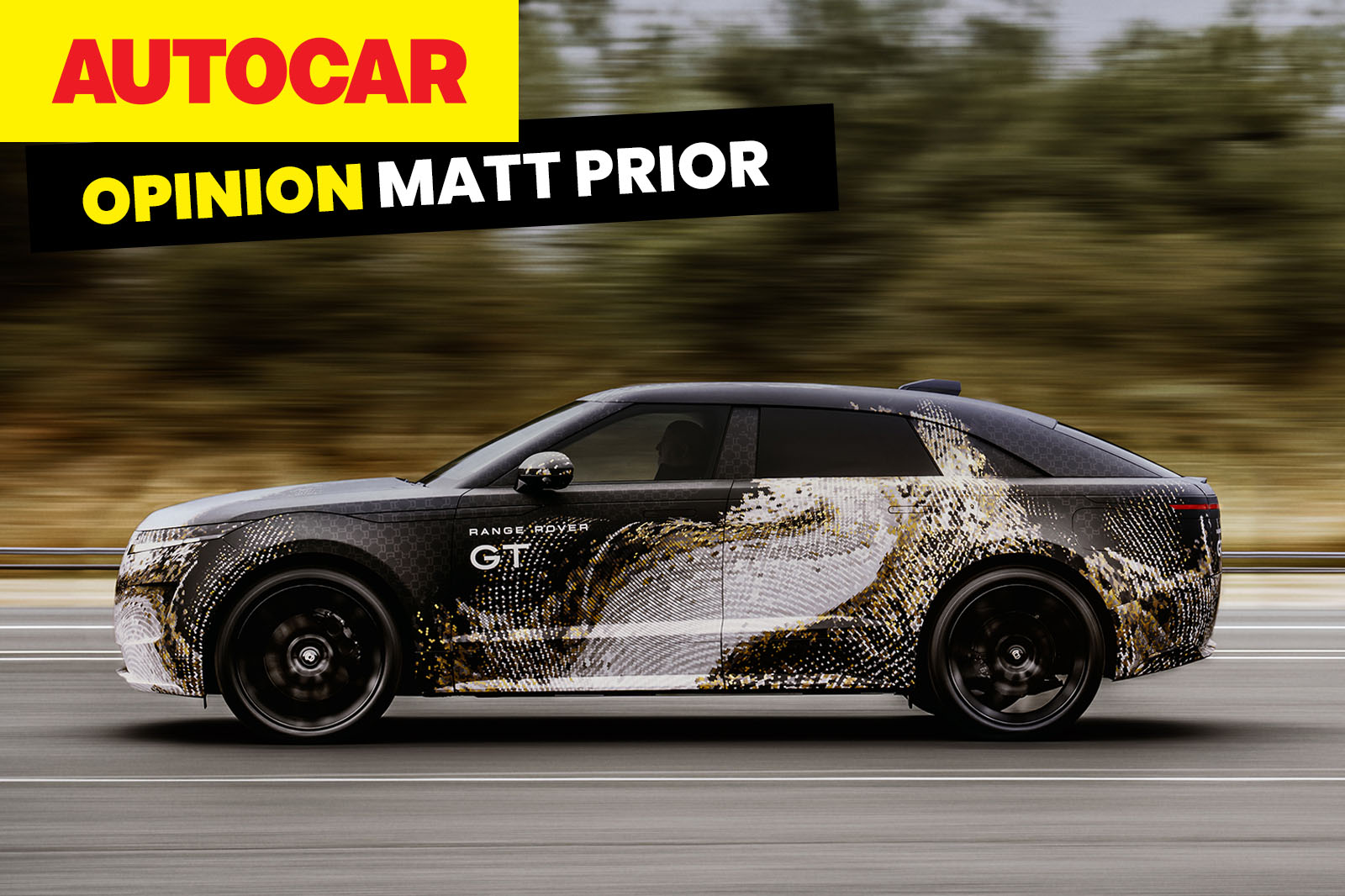
As JLR prepares to retire the I-Pace, a void remains for a premium, crossover-style EV that offers a sportier driving experience than a traditional SUV. The Range Rover GT appears to be the vehicle designed to fill that void, albeit under a different brand banner. By moving this "GT" concept to the Range Rover brand, JLR is leveraging the immense brand equity and higher profit margins associated with the Range Rover name. In this sense, the Range Rover GT is a spiritual successor to the I-Pace’s market position, but it is a completely different animal in terms of engineering and luxury execution.
Chronology of JLR’s Electrification Journey
The development of the Range Rover GT is part of a multi-year timeline that began with the announcement of the "Reimagine" strategy in February 2021.
- February 2021: CEO Thierry Bolloré announces the "Reimagine" plan, confirming Jaguar will become an all-electric brand by 2025 and Land Rover will launch six pure electric variants by 2026.
- April 2023: JLR announces a £15 billion investment over five years to accelerate its industrial footprint for EVs. The company also reveals the "House of Brands" approach.
- Late 2023: Prototypes of the Range Rover Electric (the full-sized flagship) begin testing, with a waiting list opening for prospective buyers.
- 2024: Details begin to emerge regarding the "Range Rover GT," a lower-slung model designed to maximize range through aerodynamic efficiency.
- Late 2024/Early 2025: Jaguar is expected to reveal the Type 01 concept in the United States, marking the brand’s official relaunch.
- 2025-2026: Production of the Range Rover GT is slated to begin, likely at the Halewood plant in the UK, which is being converted into an all-electric production hub.
Technical Specifications and Performance Expectations
While official specifications remain under wraps, industry analysts and leaked data points provide a glimpse into the Range Rover GT’s capabilities. To compete in the modern EV landscape, the GT is expected to feature an 800-volt charging architecture. This will allow for ultra-fast charging, potentially adding 100 miles of range in under 10 minutes at compatible high-speed chargers.
The battery capacity is rumored to range between 85kWh and 100kWh, targeting a WLTP range of over 350 miles. Because the GT sits lower to the ground than a standard Range Rover, its drag coefficient will be significantly lower, which is the primary driver for its increased efficiency.
Performance-wise, the vehicle will utilize a dual-motor setup providing all-wheel drive. Given the "GT" nomenclature, the focus will be on effortless torque and high-speed refinement rather than the raw, aggressive acceleration seen in "track-focused" EVs. JLR’s partnership with Nvidia for software-defined vehicle features will also mean the Range Rover GT will boast advanced Level 2+ or even Level 3 autonomous driving capabilities and a highly personalized digital cockpit.
The Strategic Logic: Why a Range Rover GT?
The decision to create a "GT" model under the Range Rover brand is a calculated business move. The luxury market is currently bifurcating. On one side, there is a continued demand for traditional, upright SUVs. On the other, there is a growing segment of affluent buyers who want the prestige of a luxury SUV brand but prefer the driving dynamics and efficiency of a sedan or a grand tourer.
By introducing the GT, Range Rover can compete with vehicles like the Porsche Taycan Cross Turismo, the Audi e-tron GT, and the upcoming electric replacements for the BMW 8 Series. It allows the brand to expand its "TAM" (Total Addressable Market) without diluting the ruggedness of the Defender or the utility of the Discovery.
Furthermore, the GT format is essential for the EV era. Large, boxy SUVs require massive batteries to overcome wind resistance, which increases weight and cost. A sleeker GT model allows JLR to achieve impressive range figures without the need for excessively large and heavy battery packs, thereby improving the vehicle’s handling and environmental credentials.
Market Implications and Competitive Landscape
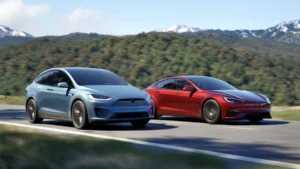
The arrival of the Range Rover GT will signal a new era of competition in the luxury EV sector. Currently, the market is dominated by Tesla’s Model S and Model X, the Porsche Taycan, and the Mercedes-Benz EQS. However, none of these brands carry the specific "British Luxury" cachet that Range Rover commands.
The GT will also have to contend with new entrants from China, such as Yangwang (BYD’s luxury arm) and Lotus (now under Geely ownership). These competitors are moving fast with high-tech features and aggressive pricing. JLR’s defense against this is its "modern luxury" philosophy—a blend of minimalist design, high-quality sustainable materials, and a heritage that new brands cannot replicate.
Official Stance and Organizational Impact
JLR leadership has been careful to distinguish between the brands. Adrian Mardell, the current CEO, has emphasized that while there will be shared components "under the skin" to ensure profitability, the customer-facing elements—the design, the driving feel, and the brand experience—will be entirely unique.
The development of the Range Rover GT is also a boost for the UK automotive industry. The conversion of the Halewood plant and the investment in the Solihull facility demonstrate a commitment to British manufacturing. JLR has also been aggressively hiring software engineers to bring more of its tech stack in-house, reducing reliance on third-party suppliers and ensuring that the Range Rover GT offers a unique user interface.
Conclusion: A New Chapter for Range Rover
The Range Rover GT is not merely a "Mk2 I-Pace" or a rebranded Jaguar. It is a strategically distinct vehicle that utilizes the best of JLR’s new electric architecture to expand the Range Rover brand into new territory. While it shares the "GT" spirit of the upcoming Jaguars, its engineering, market positioning, and brand identity are firmly rooted in the Land Rover lineage of luxury and capability.
As the automotive world moves toward 2025, the Range Rover GT stands as a testament to the brand’s ability to evolve. It acknowledges that in an electric world, efficiency and aerodynamics are the new benchmarks of luxury. By blending the prestige of the Range Rover name with a sleek, grand-touring silhouette, JLR is preparing to meet the next generation of luxury car buyers on their own terms. Whether it can capture the same lightning-in-a-bottle success as the original I-Pace remains to be seen, but the technical and strategic foundations are being laid for what could be the brand’s most significant model in decades.