Hyundai IONIQ 5 September Deals Bring Aggressive Financing and Lease Incentives Amid Surging US Market Demand


The electric vehicle landscape in the United States continues to evolve at a rapid pace, characterized by shifting federal tax incentives, aggressive pricing adjustments, and heightened competition among legacy automakers and EV startups alike. Amid this dynamic market, the Hyundai IONIQ 5 remains one of the most compelling options for consumers seeking an affordable, highly capable electric SUV. For the month of September, Hyundai Motor America has rolled out a fresh suite of promotional finance rates and lease discounts designed to maintain the vehicle’s market momentum following a transformative year of pricing realignments and surging sales volumes.
Market Position and Post-Tax Credit Evolution
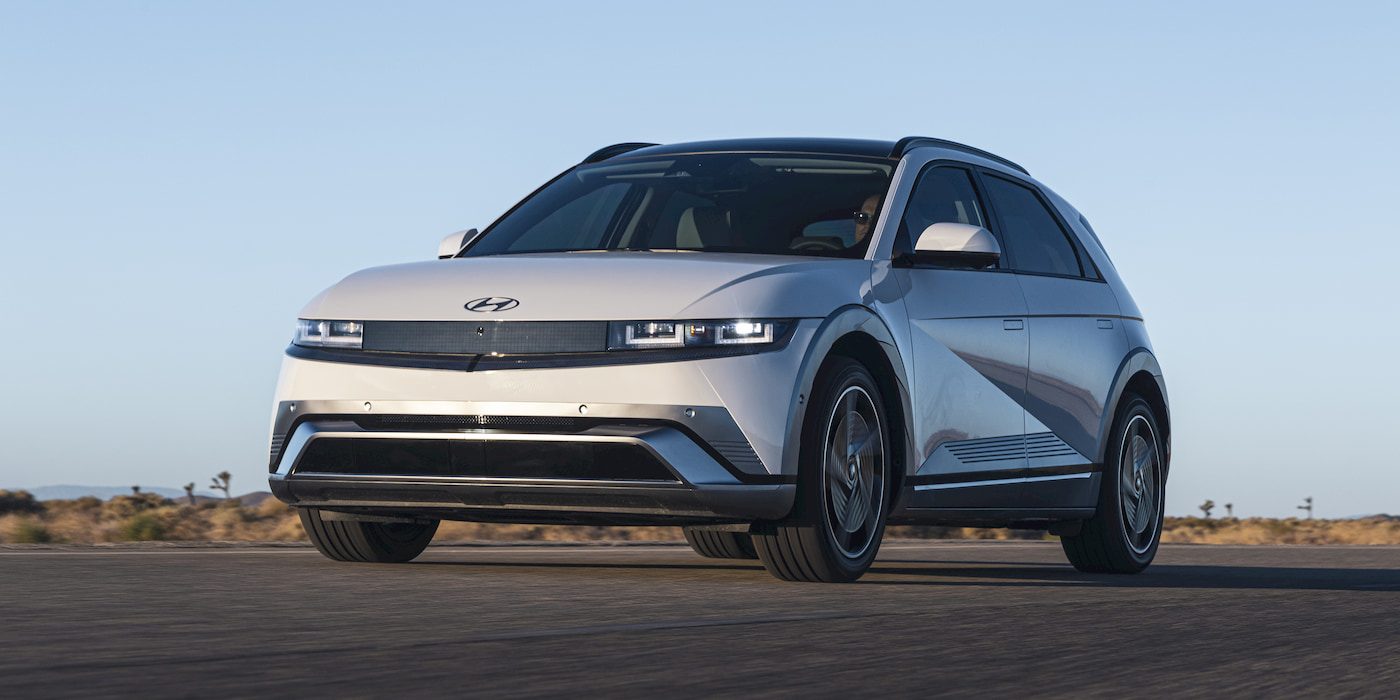
The enduring popularity of the Hyundai IONIQ 5 is rooted in its balance of advanced architecture, interior packaging, and overall consumer value. During the first half of 2026, sales figures confirmed that the IONIQ 5 secured its position as the best-selling fully electric vehicle in the United States across all non-Tesla nameplates. This commercial success underscores the vehicle’s broad appeal among families and early adopters who prioritize ultra-fast charging capabilities and practical driving ranges.
The strategic positioning of the IONIQ 5 underwent a significant structural shift following the expiration of the federal $7,500 EV tax credit for certain import configurations in September of the previous year. Rather than conceding market share, Hyundai swiftly recalibrated its retail strategy. In October, the automaker implemented a substantial price reduction across the 2026 model year lineup, slashing MSRPs by nearly $10,000 on select trims.
Consequently, the entry-level 2026 Hyundai IONIQ 5 now starts at an accessible $35,000 (excluding a $1,600 destination fee). This aggressive pricing strategy successfully repositioned the vehicle to compete directly against a newly expanded field of budget-conscious electric cars, including the latest iterations of the Chevrolet Bolt EV, the Nissan LEAF, the Toyota bZ series, and the newly introduced Kia EV3. By democratizing access to an 800-volt EV architecture—traditionally reserved for luxury segments—Hyundai carved out a formidable moat in the mass-market electric vehicle sector.
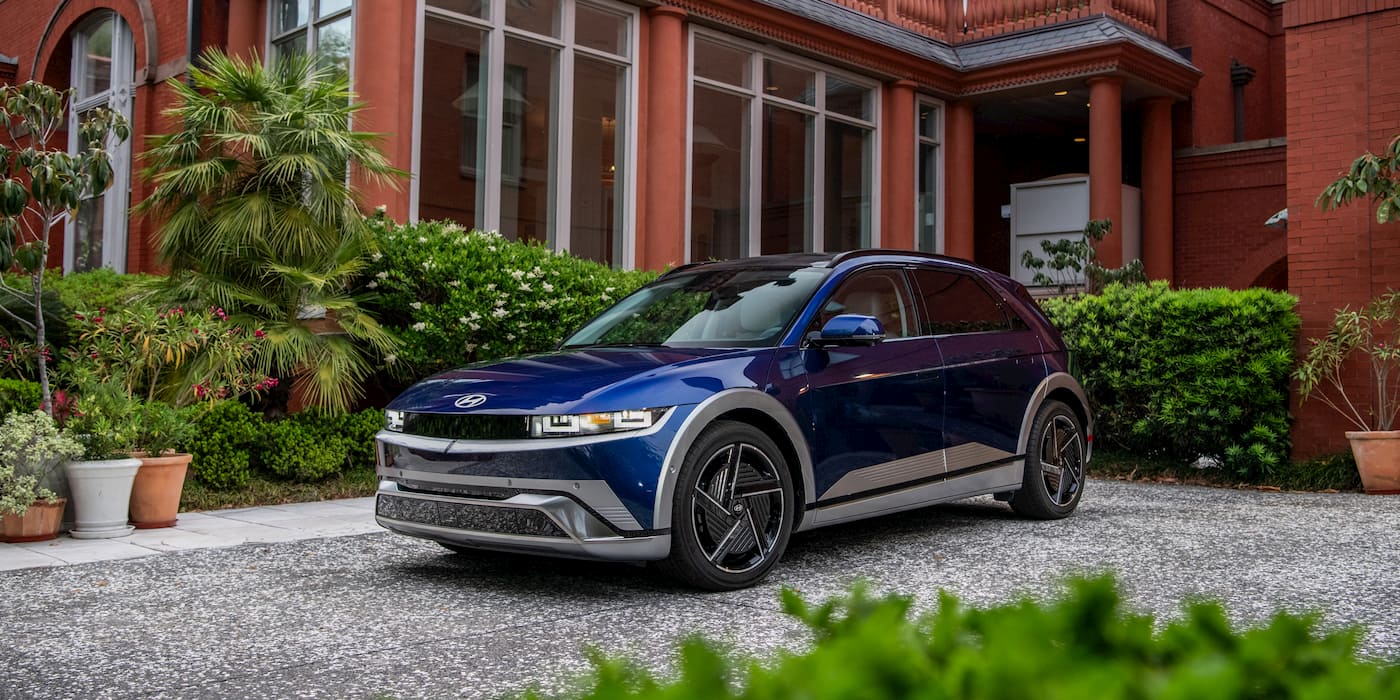
September 2026 Financing and Lease Incentives
To capitalize on its market-leading momentum this September, Hyundai has introduced a robust package of consumer incentives tailored to different regional markets and purchasing preferences.
For buyers opting to finance a purchase, Hyundai is offering 0% APR financing for up to 60 or 72 months on select inventory, paired with a deferred payment structure that allows qualified buyers to make zero payments for the first 90 days. Alternatively, customers purchasing with cash or standard financing can leverage direct purchase discounts of up to $3,000 to $5,000 depending on the specific trim and region.
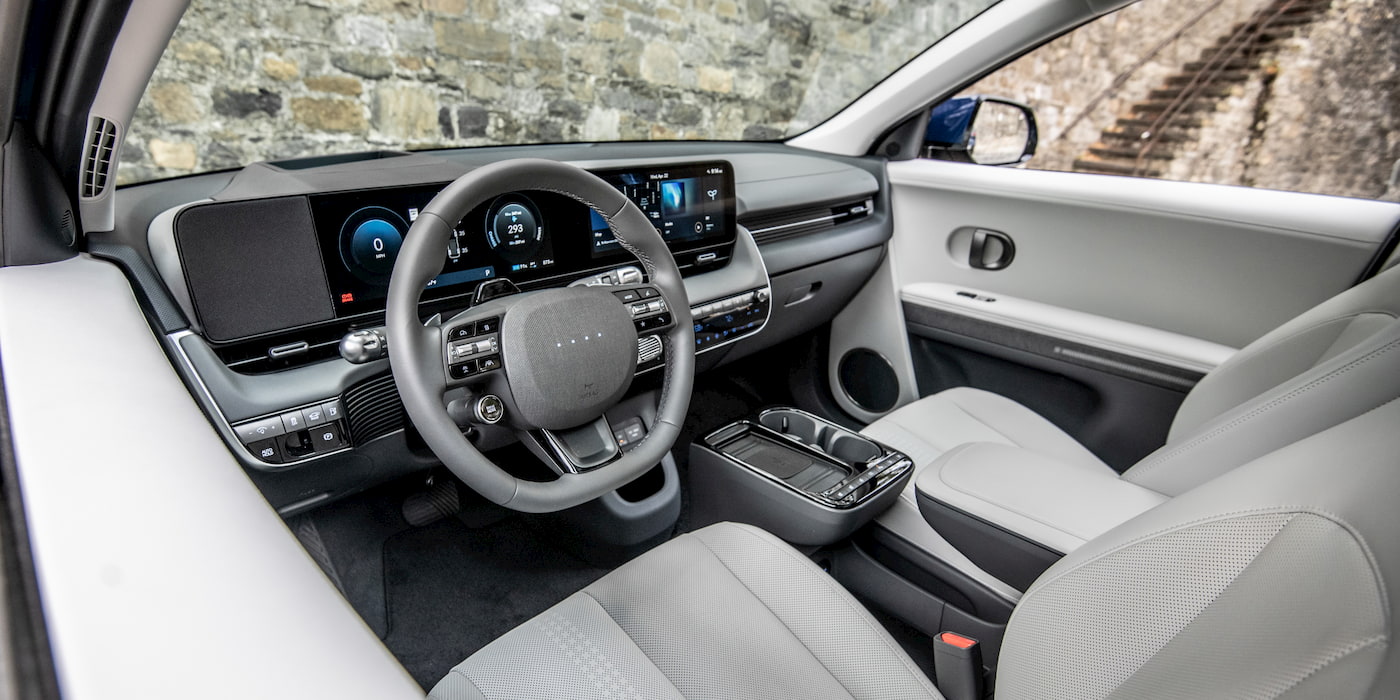
Lease customers face slightly varying terms depending on their geographic location. In California—historically the nation’s barometer for EV adoption—leases for the entry-level configurations start at $329 per month over a 24-month term, requiring $4,999 due at signing. Buyers in the Golden State may also qualify for an additional $3,500 incentive through regional clean vehicle initiatives such as the MyFirstEV program.
Outside of California, Hyundai has structured an even lower base monthly lease payment starting at $319 for 24 months, with an identical $4,999 due at signing, translating to up to $5,000 in total promotional savings. Although this represents a modest $10 monthly increase compared to August promotional rates, industry analysts note that the overall financial proposition remains exceptionally competitive.
Trim Analysis: Balancing Cost and Driving Range
Navigating the IONIQ 5 lineup requires careful consideration of battery capacity, motor configurations, and pricing structures. While the base SE RWD Standard Range model sets the headline-grabbing $35,000 starting price with an EPA-estimated range of 245 miles, industry experts frequently recommend stepping up to the standard-battery rear-wheel-drive variant.
Priced at a starting MSRP of $37,500 and carrying a September lease price of $329 per month, the standard range-extended IONIQ 5 SE RWD boasts an EPA-estimated driving range of up to 318 miles. This substantial 73-mile range increase requires only a marginal financial step-up, making it a more practical daily driver for long-distance commuters.
Further up the hierarchy, the mid-tier SEL RWD starts at $39,800 ($369/month lease) with the same 318-mile range, while the luxury-oriented Limited RWD commands a $45,075 starting price ($459/month lease). For consumers prioritizing traction and inclement-weather performance, dual-motor all-wheel-drive (AWD) variants offer robust power outputs at competitive price points. The SE Dual Motor AWD starts at $41,000 ($379/month lease) with a 290-mile range, progressing to the rugged XRT Dual Motor AWD at $46,275 ($459/month lease, 259-mile range) and culminating in the flagship Limited Dual Motor AWD at $48,975 ($509/month lease, 269-mile range).
Competitive Landscape: IONIQ 5 Versus Toyota and Tesla
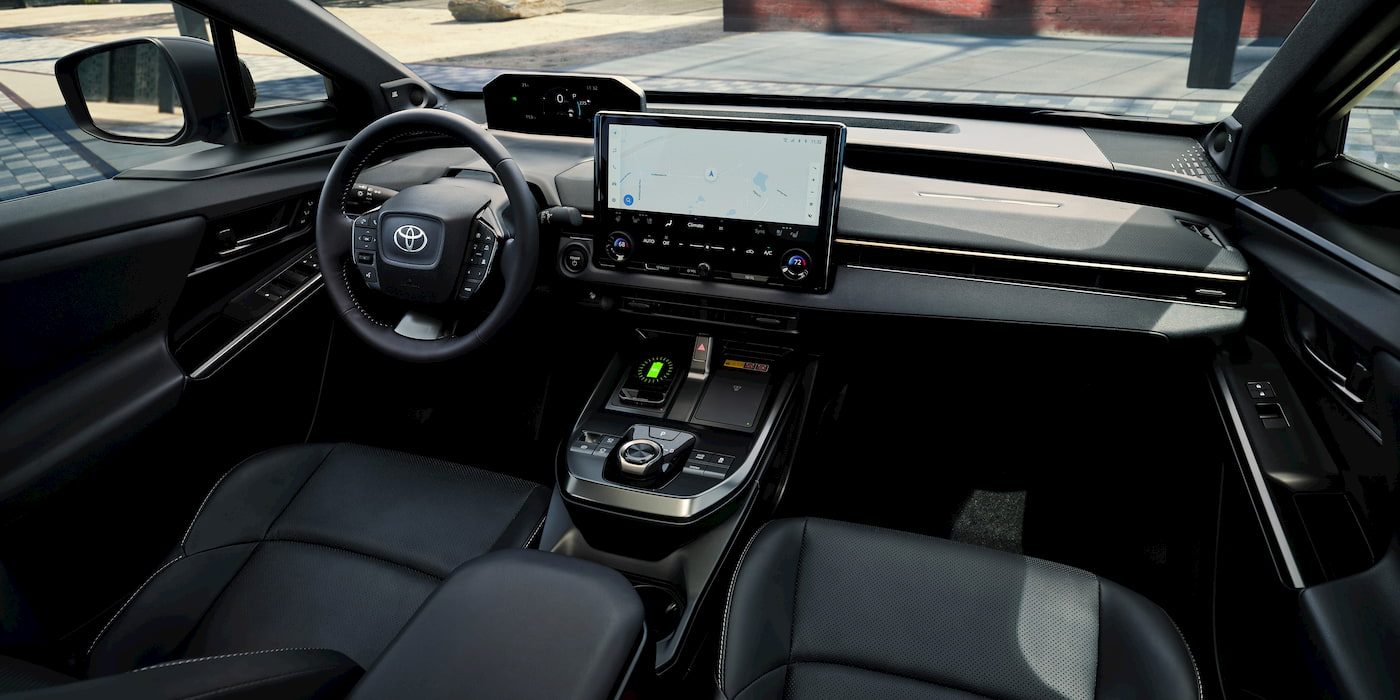
The broader mass-market electric SUV segment features intense rivalry, particularly from Toyota and Tesla. Toyota’s updated electric SUV offering, the bZ series, captured the fourth spot in US EV sales during the first half of the year, positioning itself directly behind the IONIQ 5.
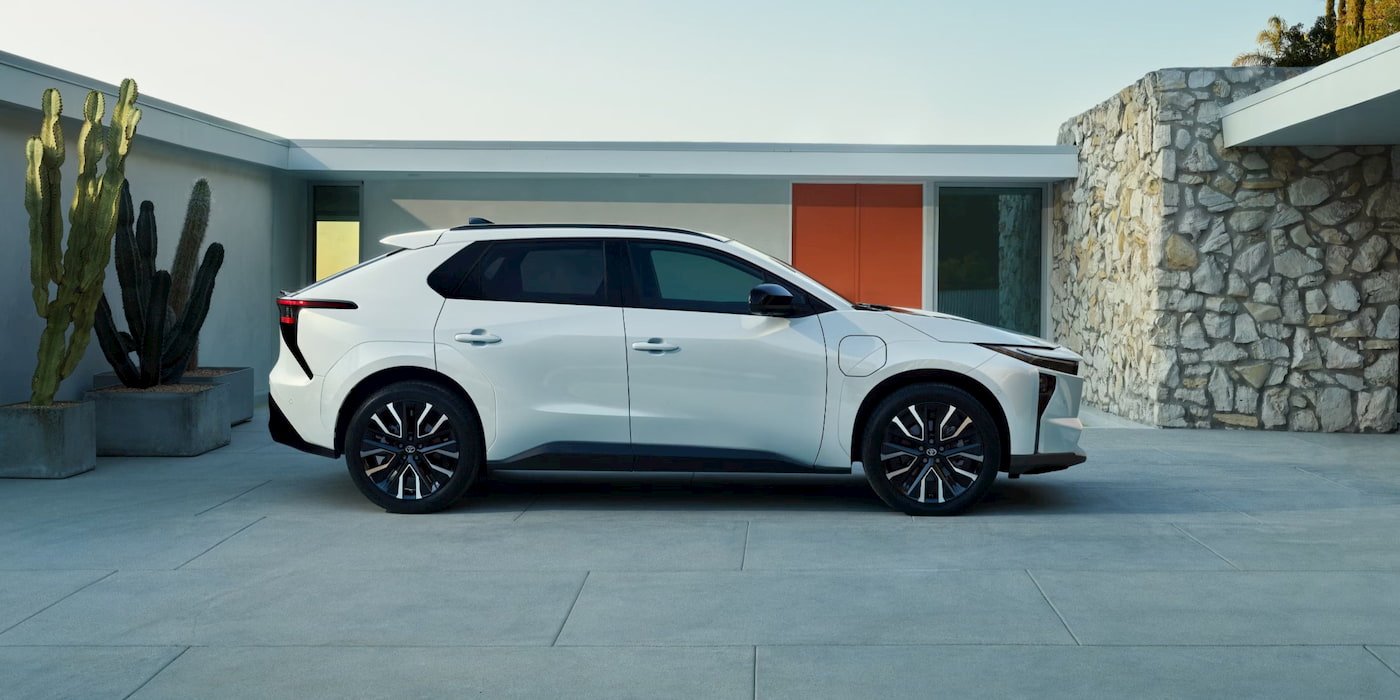
The 2026 Toyota bZ starts at $34,900, closely mirroring Hyundai’s entry price. Toyota’s current promotional financing features 1.49% APR for up to 72 months, while leasing the bZ XLE requires a commitment of $449 a month for 36 months with $3,970 due at signing. Consumers seeking extended range can opt for the bZ XLE Plus, which stretches the driving range from 236 miles to 314 miles, priced at $459 a month for 36 months with $3,999 due at signing. When calculating overall effective monthly costs, the Toyota bZ averages roughly $559 per month, making it noticeably more expensive to lease than the Hyundai IONIQ 5, which hovers around an effective rate of $527 per month when factoring down payments across lease terms.

When compared against market leader Tesla, the value proposition of the Hyundai product becomes even more pronounced. The base Tesla Model Y RWD—boasting an EPA range of 321 miles—currently carries a lease entry point of $499 per month for 36 months with $4,195 due at signing, resulting in a higher effective monthly expenditure of approximately $615.
Meanwhile, the introduction of the compact Kia EV3 adds another layer of intra-conglomerate competition. The 2027 Kia EV3 Light starts at $29,890 with a 221-mile range, while the long-range EV3 Wind starts at $34,990 with a 321-mile range. Leased at $349 per month for 36 months with $3,999 due at signing (an effective rate of $460), the EV3 undercuts the IONIQ 5 on monthly expenditure. However, automotive analysts point out that the IONIQ 5 occupies a larger vehicle class, features superior interior volume, and benefits from Hyundai-Kia’s renowned ultra-fast 800-volt charging architecture, which enables significantly shorter DC fast-charging intervals than its smaller stablemate.
Broader Industry Implications and Outlook

The aggressive incentives deployed by Hyundai throughout September reflect a broader maturation phase within the global automotive industry. As supply chain constraints ease and production capacities scale up, manufacturers are increasingly relying on subsidized financing, promotional leases, and strategic price adjustments to sustain consumer demand in an economic environment influenced by fluctuating interest rates.
For prospective electric vehicle buyers, the current market climate offers unprecedented leverage. The convergence of lower manufacturer-backed MSRPs, zero-percent financing options, and aggressive regional lease support ensures that models like the Hyundai IONIQ 5 remain accessible to a growing demographic of motorists transitioning away from internal combustion engines. As automakers prepare to close out the final quarter of the year, these promotional structures are expected to serve as a critical benchmark for maintaining competitive parity across the mainstream EV segment.