Toyota Motor Corporation Faces Major Production and Inventory Gap as Highlander Electric SUV Launch is Pushed to 2027

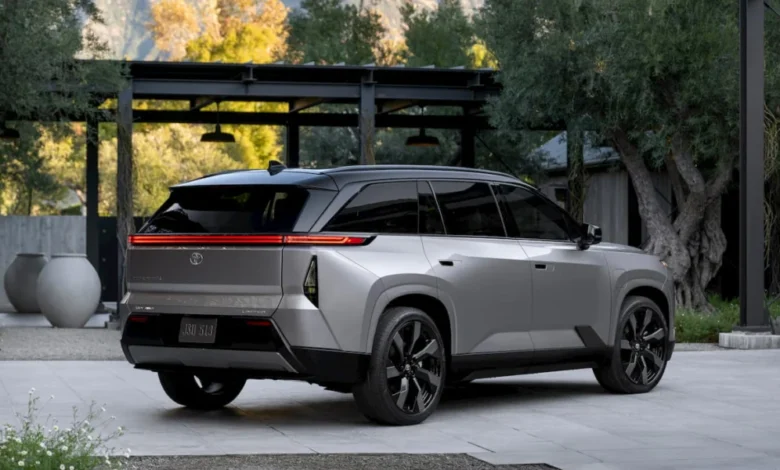
Automotive manufacturing schedules are precarious balances of supply chain logistics, engineering validation, and consumer demand cycles. When a high-volume model undergoes a generational transition, even a minor disruption can ripple through a company’s financial health and dealership network. Toyota Motor Corporation is currently navigating this exact challenge following an unexpected decision to delay the production rollout of its highly anticipated, all-electric Highlander three-row SUV. Originally slated to assemble its very first units at the company’s massive Georgetown, Kentucky manufacturing plant, the electric vehicle has hit a sudden roadblock that will push its market arrival well past initial forecasts.
This unexpected shift has not only altered Toyota’s manufacturing timeline but has also created an awkward, potentially costly inventory vacuum on dealership lots across the United States. As the automaker winds down the assembly of the current, internal combustion engine (ICE) and hybrid iterations of the Highlander, the abrupt transition timeline threatens to leave showrooms entirely devoid of one of the brand’s most dependable family-haulers for several months. For a company that has famously championed a methodical, multi-pathway approach to electrification, the delay underscores the intricate hurdles traditional automakers face when pivoting their legacy assembly lines toward a fully electrified future.
The Anatomy of a Production Gap
The logistical headache facing Toyota stems from a fundamental mismatch between the phase-out of legacy models and the validation timeline of next-generation electric architecture. Initially, the Highlander EV was scheduled to enter active production in Georgetown, Kentucky, bringing with it a wave of excitement for the brand’s expanding domestic EV portfolio. Dealership deliveries were mapped out for late 2026, creating a seamless baton-handshake where outgoing gas-powered Highlanders would gradually give way to zero-emission variants.
However, corporate leadership confirmed that production has been pushed back to at least the first quarter of 2027. Consequently, the vehicle will formally debut as a 2028 model year offering. This multi-month postponement was attributed by company representatives to the necessity for "additional adjustments to the vehicle prior to launch." While corporate communications remained tight-lipped regarding specific engineering hurdles, industry analysts generally interpret such sweeping timeline adjustments as a blend of software calibration, battery supply chain optimizations, and comprehensive quality assurance testing designed to prevent early-production defects.
Compounding the problem is the strict operational cap placed on the outgoing internal combustion model. Toyota intends to continue assembling the current-generation 2026 Highlander—which features traditional gas and hybrid powertrains—only through December. According to reports from industry trackers like Automotive News, Toyota’s component suppliers are operating strictly toward a predetermined volume cap. This means the automaker has no intention of extending or ramping up production of the older gas-powered models to bridge the impending inventory chasm.
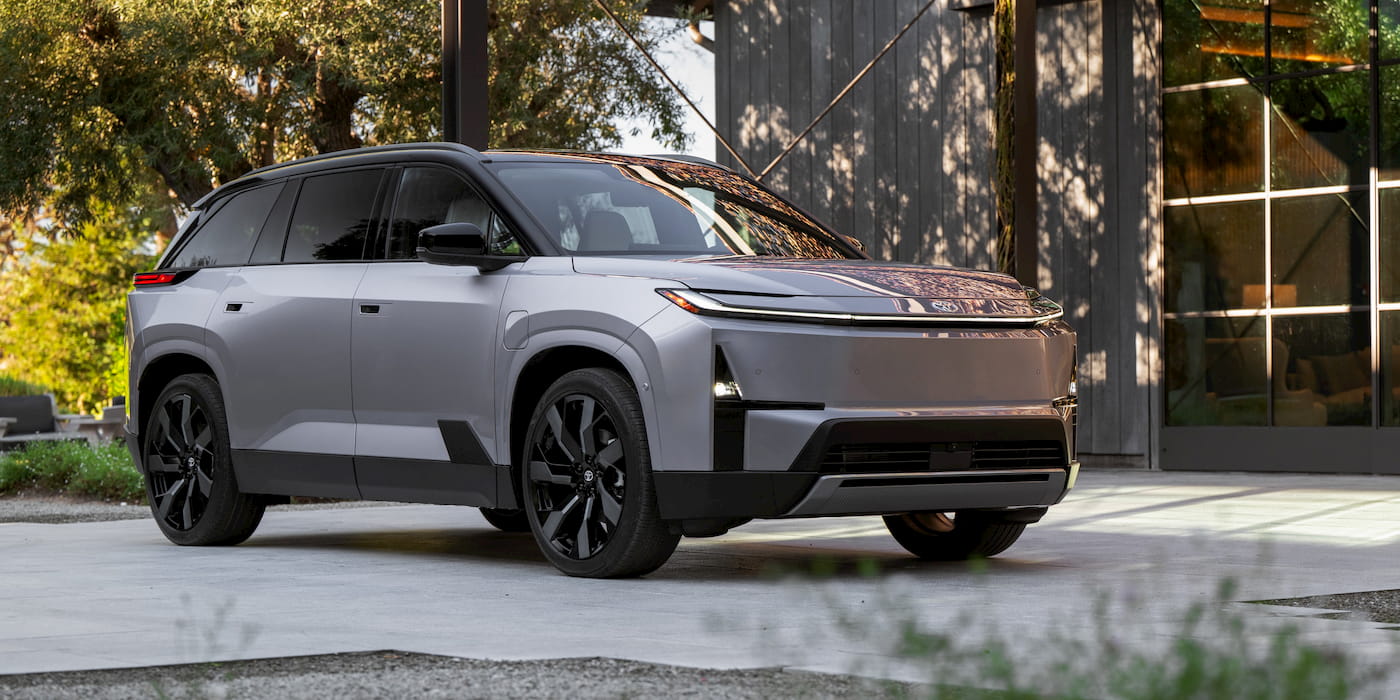
As of mid-September, dealership networks nationwide were operating on an exceptionally thin national supply, averaging roughly a 20-day inventory of traditional Highlanders. With factory lines slated to halt production of the legacy model at the end of the year and the EV variant delayed until early 2027 before hitting showrooms later that year, dealerships are staring down the barrel of a severe inventory desert.
Dealership Pressures and Regional Impact
The friction caused by this transition gap is acutely felt on the front lines of automotive retail. Dealerships rely on a steady cadence of high-volume utility vehicles to drive showroom traffic, finance floor plans, and maintain profitability. The temporary absence of a core pillar like the Highlander presents a formidable hurdle for franchise owners.
Steve Gates, proprietor of the Gates Auto Family dealership network in Kentucky, noted the gravity of the situation during interviews regarding regional supply constraints. For regional dealers who are already wrestling with restricted availability of other high-demand models—such as the newly redesigned RAV4, which is likewise navigating a gradual production ramp-up—the absence of a competitive three-row family vehicle is a distinct operational disadvantage.
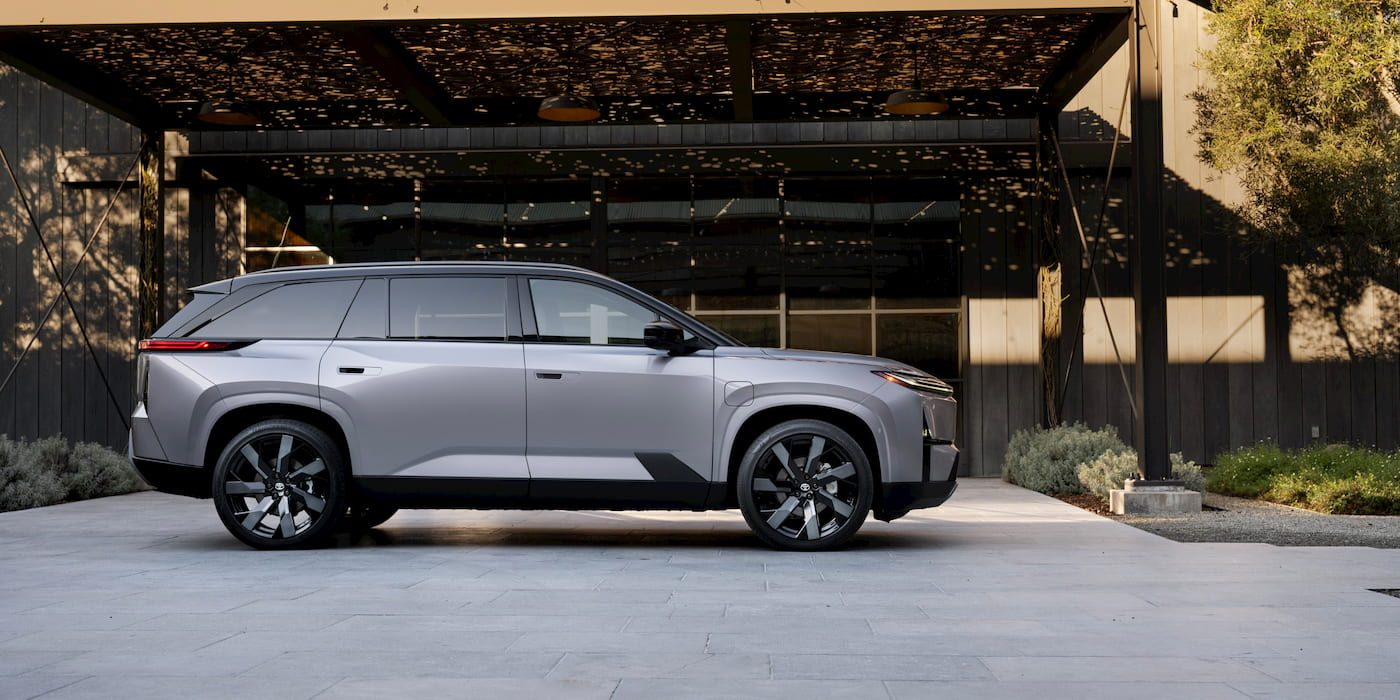
Compounding the regional footprint of this manufacturing hiccup, the collaborative partnership between Toyota and Subaru is also feeling the impact. The Subaru Getaway, an upcoming battery-electric crossover that shares its core platform underpinnings with the Highlander EV, is produced alongside its Toyota sibling at the Georgetown facility. Consequently, Subaru’s timeline has experienced a parallel delay, pushing the Getaway’s release date back to at least the first quarter of 2027 as well. This shared manufacturing ecosystem means that engineering adjustments made on the Toyota side directly dictate the commercial readiness of Subaru’s flagship electric offering, multiplying the stakes for both multinational corporations.
Technical Specifications and Trim Breakdown
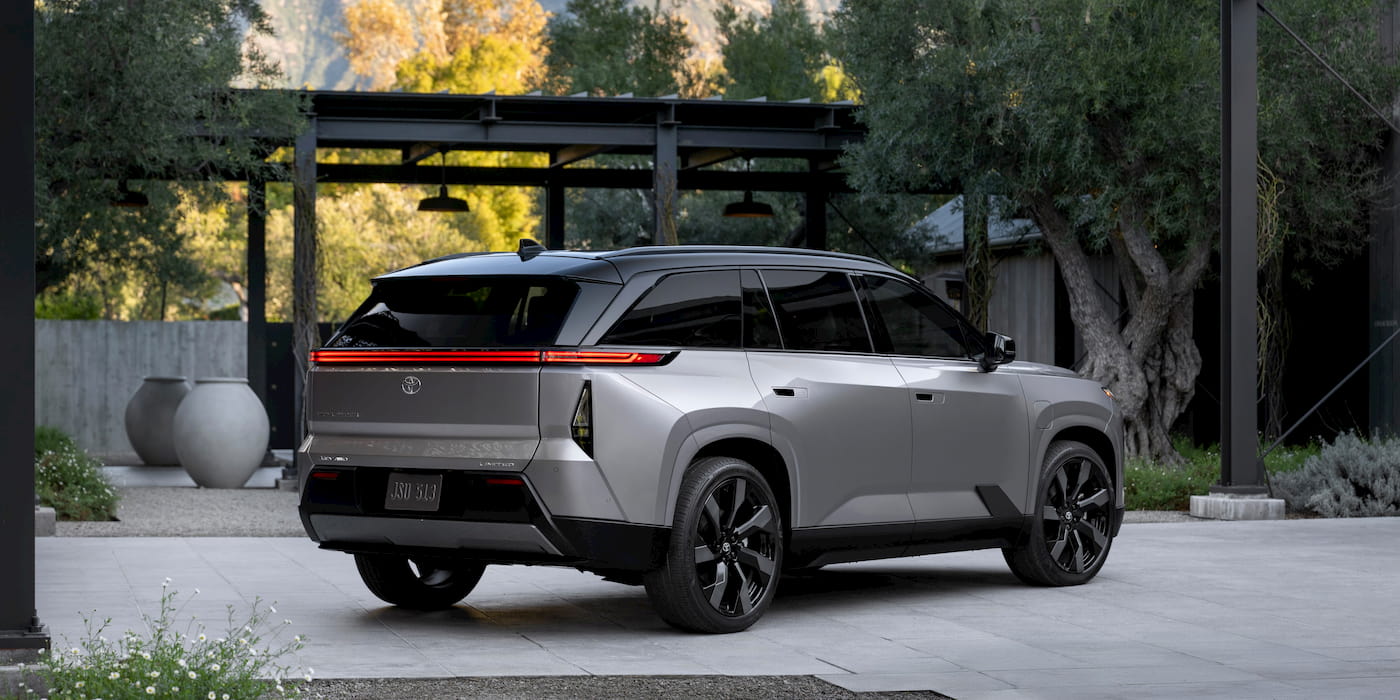
Despite the delay, anticipation remains high due to the competitive specifications promised for the 2028 Toyota Highlander EV. When it finally reaches the market, the vehicle will be offered in two primary trim configurations: the XLE and the Limited. Powertrain choices will span both front-wheel drive (FWD) and all-wheel-drive (AWD) architectures, paired with modular battery pack capacities designed to cater to diverse consumer needs.
The foundational battery offering is a 77 kWh pack, which delivers an estimated driving range of up to 287 miles in the FWD XLE configuration. When paired with an all-wheel-drive system, the 77 kWh pack yields approximately 270 miles of range. For drivers prioritizing extended range and touring capability, Toyota will offer a larger 95.8 kWh battery pack. Equipped with this high-capacity energy storage unit, both the XLE AWD and the upscale Limited AWD trims achieve an estimated driving range of up to 320 miles on a single charge.
| 2028 Toyota Highlander EV Trim | Battery Pack Capacity | Estimated Driving Range | Drivetrain |
|---|---|---|---|
| XLE FWD | 77 kWh | 287 miles | Front-Wheel Drive |
| XLE AWD | 77 kWh | 270 miles | All-Wheel Drive |
| XLE AWD | 95.8 kWh | 320 miles | All-Wheel Drive |
| Limited AWD | 95.8 kWh | 320 miles | All-Wheel Drive |
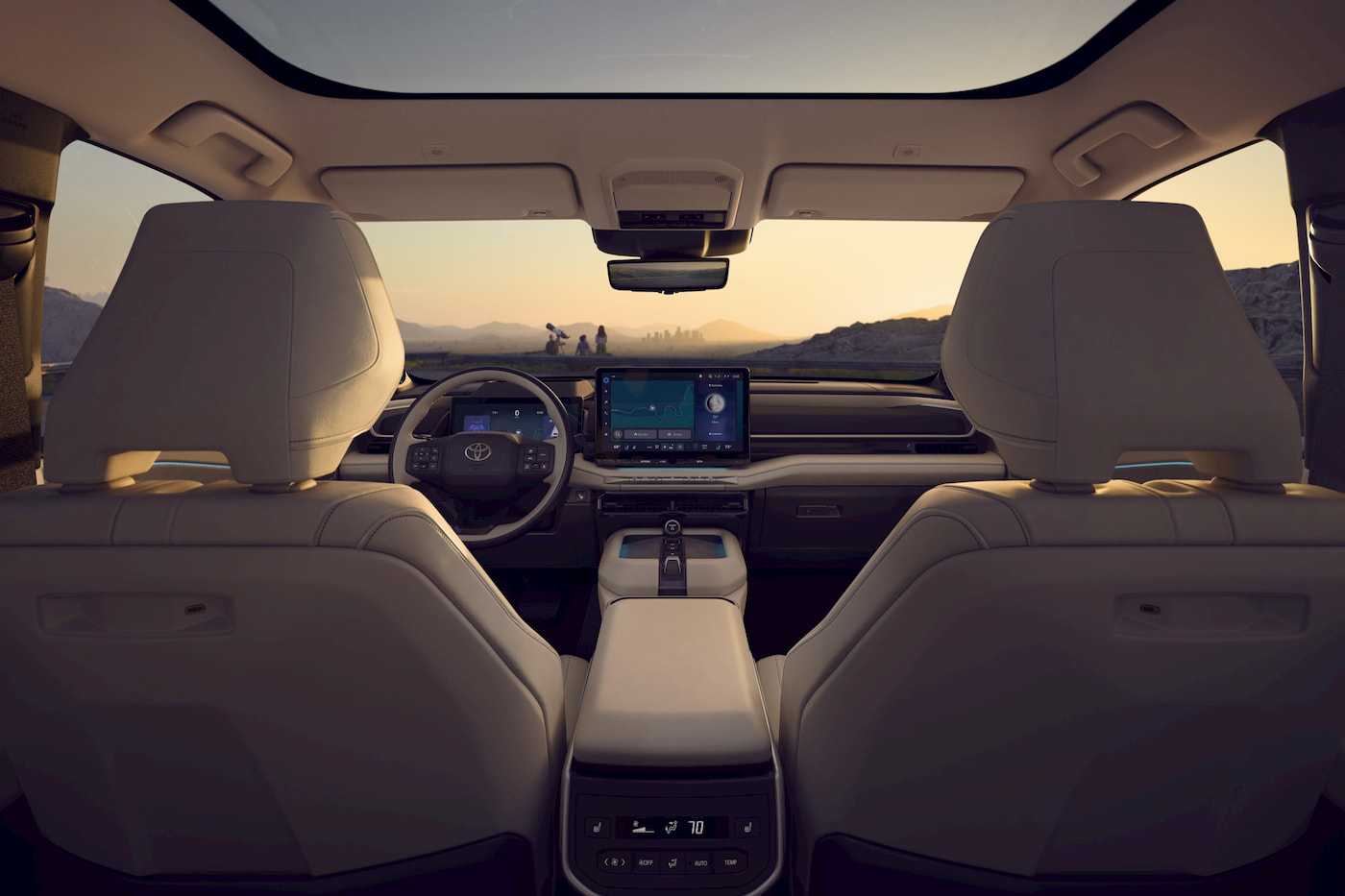
Inside the cabin, the Highlander EV is engineered to serve modern family demands with a three-row seating layout accommodating up to seven passengers. Technology integration has received a substantial upgrade, anchored by Toyota’s next-generation Audio Multimedia System. The interface features wireless integration for both Apple CarPlay and Android Auto, presented across a sweeping dual-screen layout that includes a 12.3-inch digital instrument cluster and a 14-inch central infotainment touchscreen.
Upon its eventual commercial release, the Highlander EV will take its place as the fourth dedicated battery-electric vehicle in Toyota’s United States portfolio, joining the bZ series, the C-HR EV, and the bZ Woodland.
Industry Context and Strategic Implications
Toyota’s cautious, measured approach to the Highlander EV rollout cannot be viewed in a vacuum. It reflects a sobering corporate memory of the company’s rocky initial foray into the mass-market battery-electric sector. In 2022, shortly after launching its first global dedicated EV, the bZ4X, Toyota was forced to issue a sudden stop-sale order and an urgent recall due to a critical defect that could have caused the vehicle’s wheels to detach under extreme cornering conditions.

That early misstep cost the automaker valuable momentum in the North American EV space. Although subsequent iterations—such as the heavily updated 2026 bZ models—have enjoyed commercial success and positive reception, corporate executives are evidently unwilling to risk a repeat of past quality control oversight. By taking extra months to refine the software, thermal management, and structural integrity of the Kentucky-built Highlander EV, Toyota is prioritizing long-term brand reliability over speed-to-market.
However, this deliberate conservatism carries a distinct strategic cost. While Toyota refines its assembly protocols, aggressive competitors are actively expanding their footprints in the lucrative three-row electric SUV segment. Automakers such as Hyundai, with its upcoming IONIQ 9, and Kia, with the globally acclaimed EV9, have established an early foothold, capturing market share and building brand loyalty among consumers seeking large electric family vehicles today.
As the automotive sector transitions deeper into the second half of the decade, Toyota’s strategy of deliberate pacing will be put to the test. Whether the temporary supply gap for the legacy Highlander translates to a permanent loss of market share to fast-moving competitors, or if the delayed 2028 Highlander EV arrives with the bulletproof reliability that consumers expect from the badge, remains one of the most compelling storylines in the modern automotive landscape.