The Erosion of the American Campus: How Financial Instability and Program Cuts Are Leaving Students Adrift

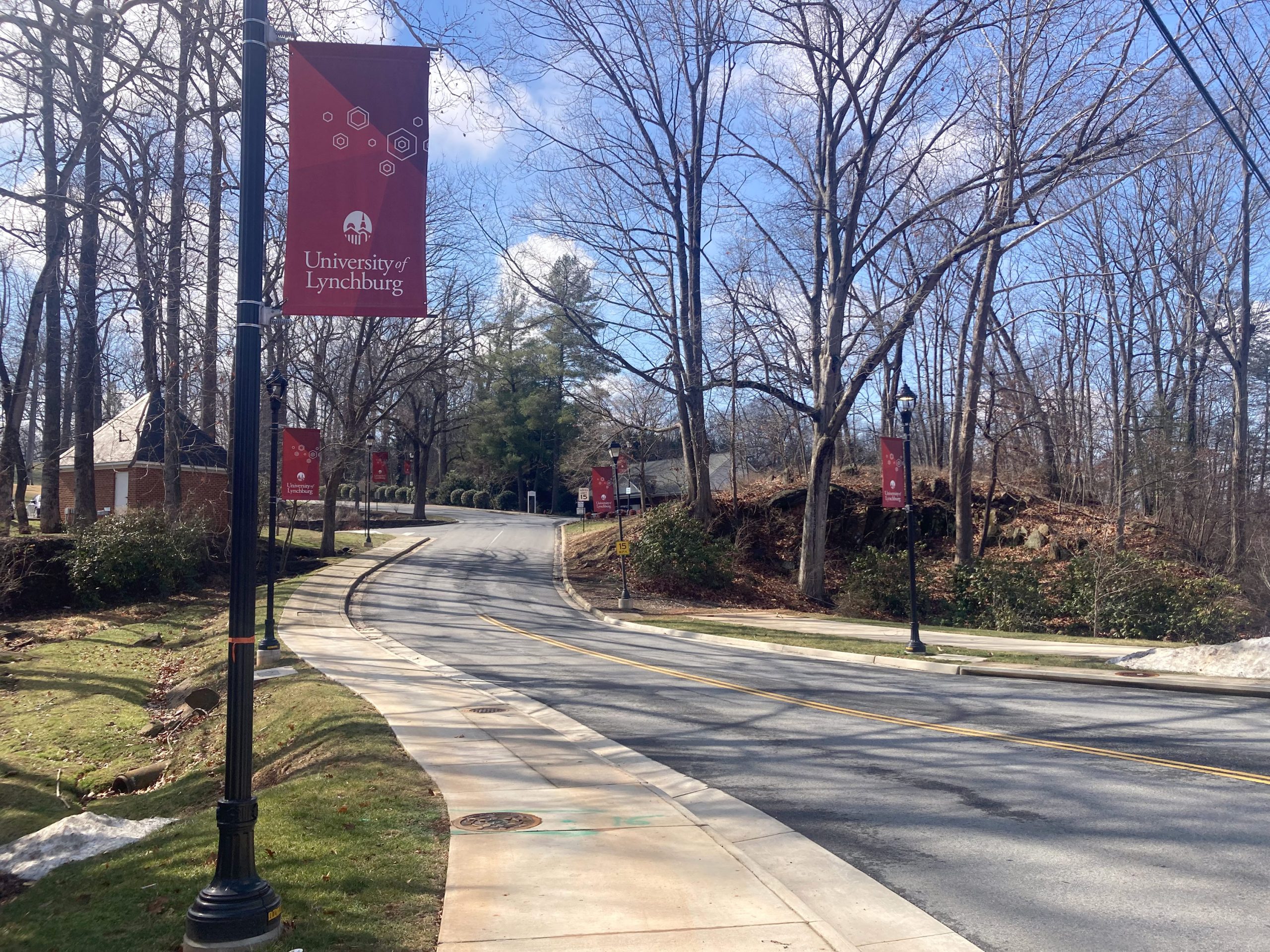
When Nalia Mutz began her freshman year at the University of Lynchburg in 2022, her path was clear: four years of focused study in biomedicine, followed by a transition into medical school. She arrived with a roadmap, a sense of purpose, and the expectation that her institution would provide the academic infrastructure necessary to achieve those goals. By 2024, that roadmap had been effectively shredded. Following a series of sweeping university-wide budget cuts that eliminated a dozen majors and prompted significant layoffs, the faculty and coursework Mutz required to graduate simply vanished. What was once a four-year trajectory toward a career in medicine suddenly appeared to be a six-year marathon, marred by institutional uncertainty.
The experience of Mutz is not an outlier; it is a burgeoning crisis in the American higher education landscape. As colleges and universities grapple with long-term fiscal headwinds—driven by demographic shifts, a shrinking pipeline of high school graduates, and a palpable decline in public trust—many institutions are resorting to aggressive "belt-tightening." For small, private, non-profit institutions that rely heavily on tuition revenue, the margin for error has evaporated, leaving students to navigate the consequences of a hollowed-out academic experience.
A Confluence of Pressures: The Financial Squeeze
Higher education’s current state of volatility is the result of a "perfect storm" of economic and political factors. Enrollment numbers across the country have been in a downward spiral for years. In 2019, approximately 53 percent of U.S. colleges and universities reported enrollment declines over a five-year period. By 2024, that figure had climbed to 58 percent, with public universities experiencing particularly sharp contractions—roughly one in three public institutions saw enrollment drop by at least 10 percent between 2019 and 2024.
This decline is compounded by a complex policy environment. Recent federal shifts, including stricter caps on graduate student borrowing and potential legislative efforts to tie undergraduate financial aid eligibility to post-graduation earnings, have forced colleges to re-evaluate their portfolios. Furthermore, federal policies that have chilled international student enrollment—a demographic that historically provides a vital, full-price revenue stream for many American institutions—have crippled the fiscal strategies of universities like Lynchburg.
The University of Lynchburg’s own history illustrates this dependency. In 2018, the institution rebranded from "Lynchburg College" to "University of Lynchburg" in a $1.7 million effort to elevate its profile and attract international students. While the strategy saw some success—international enrollment reached 249 students by 2024, nearly quadrupling from 2014—it has left the university exposed to the volatility of global visa policies and shifting international perceptions of the U.S. education system.
Chronology of a Campus in Crisis
The fiscal deterioration of the University of Lynchburg is documented in a series of audits and accreditation reports that paint a picture of a board and administration struggling to manage a shrinking institution.
- 2018: The university invests $1.7 million in a rebranding effort aimed at increasing its global footprint and attracting high-tuition-paying international students.
- 2020: Enrollment peaks at approximately 3,600 students before beginning a steady, multi-year decline.
- 2023: Former board trustee Michael Gillette resigns, publicly citing a lack of transparency and a failure by administration to provide adequate budget documentation for key financial decisions.
- 2024: The university eliminates 12 undergraduate majors, 25 minors, and five graduate programs. It announces a workforce reduction of 40 staff and 40 faculty members. The university is placed on warning by its accrediting body for failing to meet standards of financial responsibility.
- 2025: The university remains on accreditation warning status. A financial audit reveals a $2.1 million deficit for the fiscal year.
- 2026: The university reports a return to positive cash flow, though student confidence remains low. Faculty buyouts continue, and the student advising staff is reduced from seven to three members.
The Human Cost: Advising and Academic Continuity
The most direct impact of these financial maneuvers is the degradation of the student experience. Academic advising, a critical pillar of retention, has been systematically dismantled. At the University of Lynchburg, the reduction in advising staff has resulted in increased caseloads for the remaining personnel, leading to bottlenecks that prevent students from registering for necessary courses.

Willow Martin, a psychology major who expected to graduate in May 2026, discovered that her graduation was no longer guaranteed. She was informed that she required 11 additional credits to complete her degree, yet the courses she needed were no longer being offered or had been shifted to online-only formats. For students who chose a small, private, in-person university for its community and mentorship, the shift to digital, impersonal instruction feels like a bait-and-switch.
"I’m not really sure who is going to teach my upper-level psychology classes," Martin said. "I’m not really sure what is going to happen."
This sentiment is echoed by faculty, who find themselves in an increasingly precarious position. Tim Gibson, president of the Virginia conference of the American Association of University Professors, notes that the replacement of tenured, experienced faculty with lower-cost, precarious instructors stifles academic freedom. When professors fear for their job security, they are less likely to advocate for students or challenge administrative decisions that negatively impact the curriculum.
The Data Behind the Downsizing
Analysis of decade-long federal data indicates that when institutions under financial stress begin to cut staff, they frequently target instructional personnel at a rate faster than their enrollment is declining. This creates a "death spiral" effect: as the quality of education drops due to a lack of faculty and resources, more students transfer out, further eroding the revenue base and triggering another round of cuts.

At Lynchburg, the transfer rate has risen sharply. In 2024, 30 percent of the student body transferred out, a significant increase from the 18 percent rate observed a decade ago. This indicates that the university is failing to retain the very students it fought to recruit. Nalia Mutz, who ultimately transferred to Radford University, summarized the frustration of many: "We were paying, but we just weren’t getting enough resources or benefits."
Official Responses and Strategic Pivots
University administration, led by outgoing president Alison Morrison-Shetlar, maintains that the institution is on a path to stabilization. The university has pointed to its recent, albeit modest, financial gains in fiscal year 2026 and a new fundraising campaign, "One Lynchburg," as evidence of a turnaround.
Morrison-Shetlar has emphasized a pivot toward "high-demand" programs, such as cannabis career certificates and a new Ph.D. program, designed to align with market trends and promise better job prospects for graduates. "We are adding programs that are attracting more students towards high-paying jobs, something that families are very, very aware of these days," Morrison-Shetlar stated. Regarding the student concerns over graduation timelines, she noted that the university utilizes a regional consortium to allow students to take classes elsewhere, arguing that the university is fulfilling its obligation to provide an educational pathway.
The Broader Implications for Higher Education
The situation at the University of Lynchburg serves as a microcosm for the challenges facing the broader U.S. higher education sector. As colleges become more "corporate" in their approach to fiscal management, the traditional mission of the university—to provide a stable, mentored, and high-quality learning environment—is increasingly sidelined by the necessity of survival.

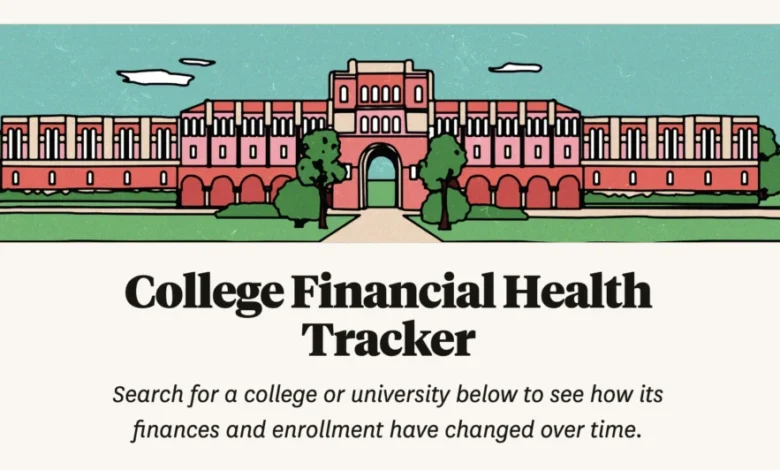
For prospective students and their families, the lesson is one of increased due diligence. The College Financial Health Tracker, developed by The Hechinger Report, has become an essential tool for identifying institutions that show warning signs such as shrinking endowments, recurring deficits, and declining enrollment. The reality, however, is that for those already enrolled in institutions currently undergoing these transitions, there are few protections.
The trend of "downsizing for survival" is likely to accelerate. Demographic projections confirm that the "enrollment cliff"—the period during which the number of college-aged individuals will decline significantly—will make competition for students even more fierce. Institutions that cannot differentiate their value proposition or maintain the integrity of their academic programs will continue to hemorrhage students.
Ultimately, the crisis at the University of Lynchburg is not merely about a budget deficit; it is about the erosion of the contract between the institution and the student. When a university prioritizes fiscal solvency over the educational continuity of its students, it risks losing the very thing that gives it value. As students like Mutz and Martin have learned, when an institution shifts its focus from academic excellence to survival, the students are the ones who pay the price—often in lost time, increased debt, and the need to restart their education elsewhere.