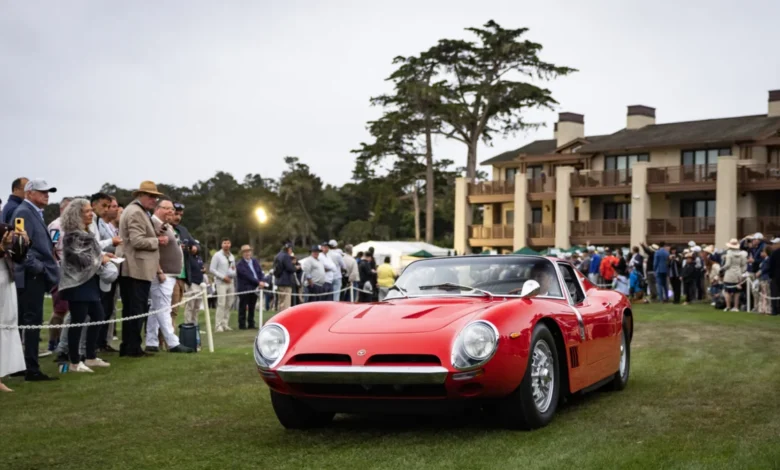
The term "concours d’elegance" translates literally to "a competition of elegance," a phrase that traces its historical roots to the 17th-century French aristocracy, where the elite would parade their horse-drawn carriages in the parks of Paris during summer weekends and holidays. Over the centuries, this tradition of exhibition and evaluation transitioned from wooden carriages to the internal combustion engine. Today, a modern concours d’elegance represents the pinnacle of automotive preservation, serving as a high-stakes arena where the world’s most significant vehicles are judged not merely on their aesthetic appeal, but on their historical accuracy, mechanical integrity, and the quality of their restoration.
For owners, the path to the manicured lawns of prestigious events like the Pebble Beach Concours d’Elegance or the Amelia Island Concours is a multi-year commitment. While the event atmosphere is characterized by champagne, period-appropriate attire, and the soft hum of classic engines, the judging process is an uncompromising, rigorous audit. Participants often spend hundreds of hours researching archival records to ensure that every bolt, stitch, and paint pigment aligns with the original factory specifications. To succeed in this environment, owners must move beyond simple cosmetic detailing and adopt a methodology rooted in forensic restoration and meticulous documentation.
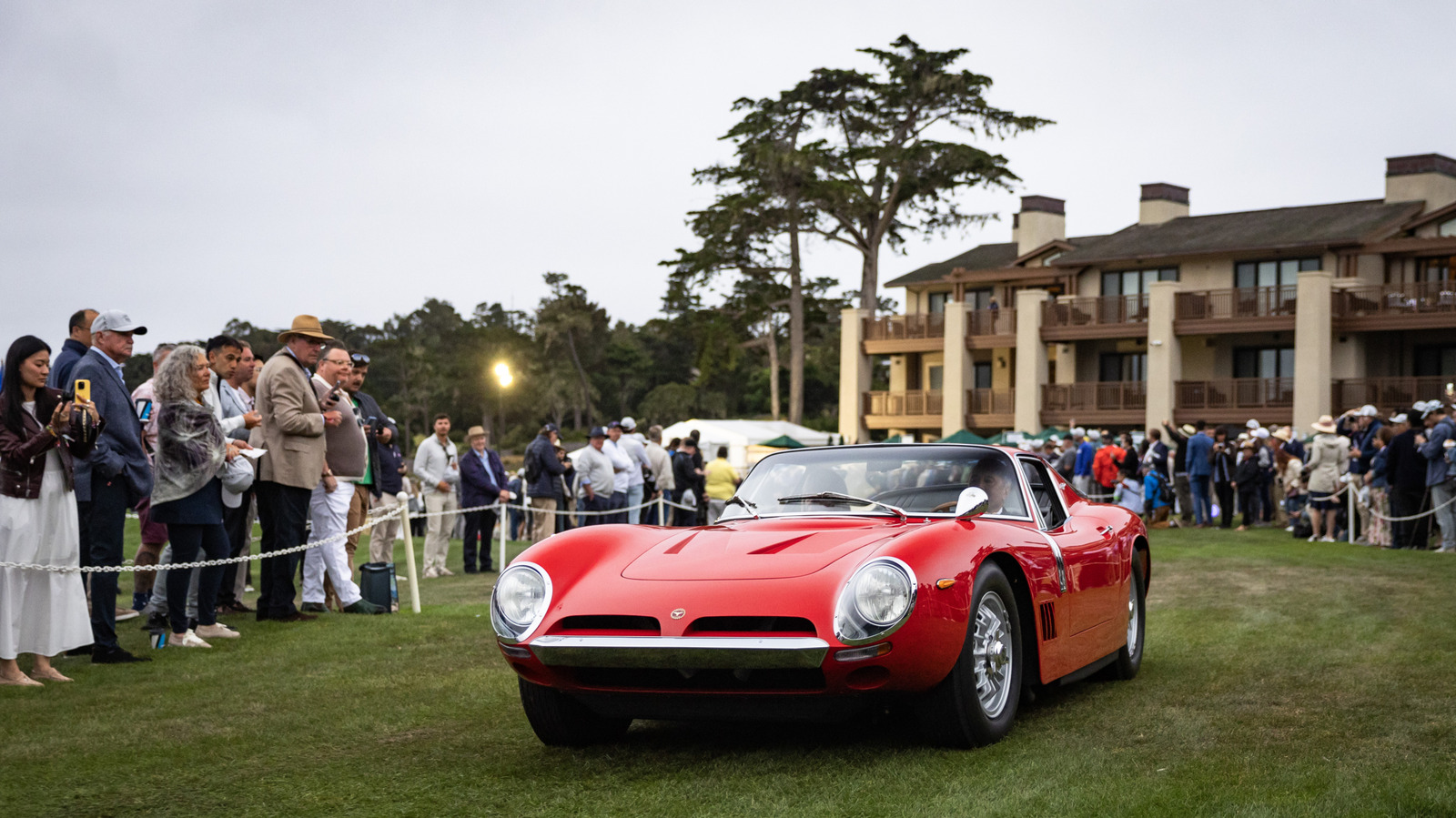
Strategic Research: Mastering the Judging Criteria
Before a single cleaning cloth touches the vehicle, an owner must master the specific parameters of the event. Every concours has a distinct personality and a specific set of rules governing entry. For instance, the Pebble Beach Concours d’Elegance is renowned for its strict policy that prohibits a car from competing again for ten years following its initial entry. This rule is designed to ensure a rotating selection of rare automobiles, preventing the same vehicles from dominating the field annually.
Understanding the class structure is equally vital. Judges are typically organized into panels based on their expertise in specific marques or eras. A judge evaluating a pre-war Duesenberg will look for different markers of authenticity than one evaluating a post-war Ferrari or a vintage racing Porsche. Participants are advised to attend the event as spectators at least once before entering their own vehicle. This allows the owner to observe the judge-to-competitor interactions and identify the specific details—such as the presence of original toolkits or period-correct documentation—that tend to score highly. Engaging with previous entrants provides invaluable intelligence regarding the "unwritten rules" of a specific show, such as whether the event requires a driving test or a demonstration of mechanical startup procedures.
The Mandate of Absolute Cleanliness
In the world of competitive concours, cleanliness is not a baseline expectation; it is a point of binary evaluation. Judges often carry high-intensity flashlights and mirrors to inspect areas that are rarely seen by the general public, including the interior of wheel wells, the undersides of chassis, and the hidden surfaces of the engine bay. A single fingerprint on a window or a trace of road grime on a suspension component can be the difference between a class win and a lower-tier placement.
Professional restorers suggest that a vehicle should be subjected to a "deep clean" schedule that spans at least seven to ten days. This process begins with a comprehensive decontamination of the exterior paint, followed by a surgical-level cleaning of the interior. This involves removing seats to vacuum floor carpets, cleaning behind the dashboard instrumentation, and ensuring that every electrical connection is free of oxidation.
The engine bay requires particular attention, as it is often the most scrutinized portion of the vehicle. Owners should utilize factory-specified technical service bulletins to identify hidden crevices where grease and debris collect. Importantly, the cleaning implements themselves must be of professional grade—microfiber towels must be lint-free, and brushes must be soft enough to prevent micro-scratches on delicate trim pieces. By treating the cleaning process as a restoration phase rather than a maintenance chore, the owner demonstrates a level of commitment that judges recognize immediately.
The Architecture of Documentation
A car’s value in a concours is inextricably linked to its provenance. Judges are interested in the narrative of the machine: its history, its ownership chain, and its participation in significant events. Consequently, the documentation package is as important as the car’s physical appearance. This dossier should be organized with the precision of a legal discovery process.
A complete history file should include the original bill of sale, the factory production build sheet, all subsequent service records, and, if applicable, documentation of motorsport history or celebrity ownership. If a vehicle has undergone restoration, the owner should provide photographic evidence of the work performed, receipts for parts, and correspondence with marque historians or experts who verified the authenticity of the components used.
When presenting this information, brevity is essential. Judges have limited time per vehicle. A well-curated, leather-bound binder containing indexed, high-resolution copies of key documents is far more effective than a disorganized stack of original papers or an oversized, distracting display board. The goal is to provide the judges with the evidence they need to verify the vehicle’s history without impeding their ability to physically examine the car.
Mechanical Integrity and Functional Authenticity
The "elegance" in concours d’elegance does not excuse mechanical failure. An increasing number of modern concours events require entrants to demonstrate that their vehicles are "fully operational." This means that every system—from the fuel delivery and cooling systems to the lights, horn, and climate control—must function exactly as it did the day the car left the factory.

Owners should perform a full mechanical audit well in advance of the event. This includes flushing and replacing fluids that may have degraded, testing all electrical circuits, and ensuring that all mechanical linkages operate smoothly. If a component is found to be faulty, it should be replaced with a period-correct, OEM-certified part. The use of modern, non-original parts is often penalized by judges, as it disrupts the historical continuity of the vehicle. By ensuring that the car is not just a static display but a functioning machine, the owner conveys a level of technical competence that is highly respected in the community.
Etiquette and the Role of the Presenter
Finally, the owner’s behavior on the field is a critical component of the evaluation. Concours etiquette dictates that the owner should be present when the judges arrive, prepared to answer technical questions about the vehicle. However, the owner should avoid being overbearing. Information should be provided only when requested, and it should be delivered with modesty and factual precision.
The philosophy of modern concours is one of preservation. If an owner is forced to replace a part, they should strive for "period-correct" sourcing. The car should be displayed in a neutral, factory-standard state—hoods and doors should remain closed unless the judges specifically request they be opened for inspection.

Ultimately, the concours d’elegance is a celebration of the automotive arts. While the pressure of the competition is significant, the event is also an opportunity to connect with a global community of historians, collectors, and engineers. Maintaining a balance between professional preparation and genuine enthusiasm for the hobby is the hallmark of a seasoned competitor. By adhering to these standards of excellence, the owner ensures that their vehicle is presented with the dignity and historical respect that such events demand, regardless of the final trophy count at the end of the day.