2027 Cadillac Lyriq-V Officially Launches In Australia And New Zealand With High-Performance Electric Power

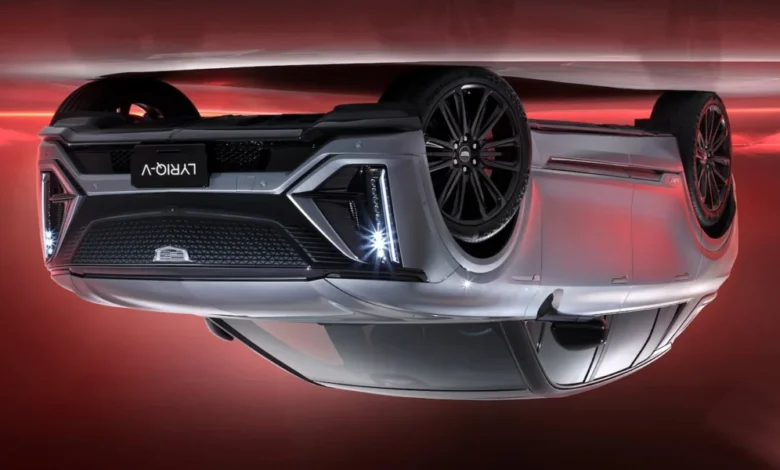
General Motors has officially confirmed the introduction of the 2027 Cadillac Lyriq-V to the Australian and New Zealand markets, marking a significant milestone in the American luxury automaker’s ongoing global expansion. Following the rollout of its Formula 1 initiatives and broader international footprint strategies earlier in the decade, GM is bringing its flagship electric vehicle performance division to the Southern Hemisphere. The ultra-responsive, all-wheel-drive performance SUV brings the storied V-Series badge into the electric era for international buyers, pairing high-output electric propulsion with right-hand-drive engineering specifically tailored for Oceania.
The announcement underscores GM’s aggressive push to position Cadillac as a global luxury competitor capable of challenging established European and domestic electric vehicle brands in international territories. With an increasing emphasis on electrified performance, vehicle-to-grid (V2G) capabilities, and localized adaptation, the Lyriq-V represents a convergence of heritage performance styling and next-generation battery technology.
Main Facts and Powertrain Specifications
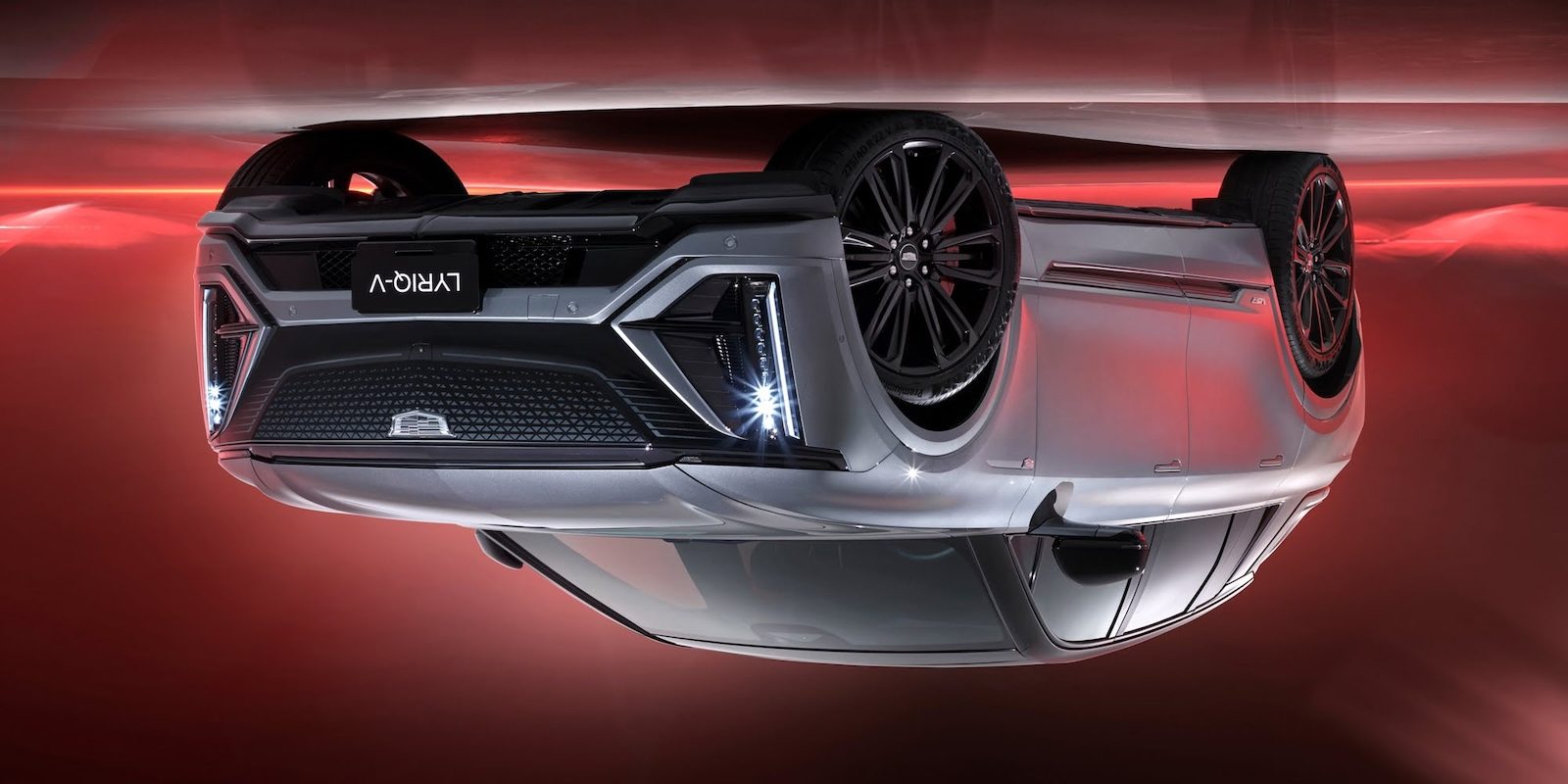
At the core of the 2027 Cadillac Lyriq-V is an exceptionally potent dual-motor powertrain capable of delivering 459 kilowatts (615 horsepower) and 880 Newton-meters (650 pound-feet) of torque. This immense output enables the performance SUV to accelerate from zero to 100 kilometers per hour (approximately 62 miles per hour) in a blistering 3.6 seconds.
Unlike standard iterations of the Lyriq, the V-Series variant is engineered to deliver immediate throttle response, heightened chassis agility, and track-inspired driving dynamics without sacrificing the cabin refinement and everyday utility expected from a luxury SUV. For the Australian and New Zealand markets, the vehicle will utilize GM’s specialized "international" 92 kWh battery pack. This chemistry and configuration yield an estimated driving range of 471 kilometers (approximately 295 miles) on the strict Worldwide Harmonised Light Vehicles Test Procedure (WLTP) combined cycle.
Pricing for the Oceania market has been pegged to start at 109,000 New Zealand Dollars (approximately $62,500 USD), positioning the high-performance EV competitively within the burgeoning luxury performance segment of both countries. Furthermore, the 2027 Lyriq-V will feature bidirectional charging capabilities, incorporating V2G technology that allows the vehicle to not only draw energy from the power grid but also supply electricity back to homes or local infrastructure during peak demand periods or emergencies.
Chronology of Cadillac’s Global Expansion
The arrival of the Lyriq-V in Australia and New Zealand is the latest chapter in a carefully orchestrated globalization strategy deployed by General Motors. The timeline of Cadillac’s international renaissance spans several key milestones:
- Early 2026: General Motors officially debuted its high-profile Formula 1 team operations, establishing a massive motorsport platform designed to elevate the visibility of American automotive engineering on a global stage.
- May 2026: Cadillac formally expanded its commercial footprint into emerging markets such as Brazil, signaling that GM’s overarching global ambitions and motorsport marketing efforts were beginning to converge.
- Mid-2026: GM announced comprehensive interoperability upgrades, confirming that its expanding fleet of electric vehicles—including upcoming 2027 models—would feature native plug-and-play access to widespread charging infrastructure, including Tesla Superchargers.
- Late 2026: Following initial right-hand-drive engineering trials and a successful rollout in Japan earlier in the year, GM formally greenlit the introduction of the Lyriq-V for the Australian and New Zealand automotive markets, adapting the platform for local regulatory and consumer preferences.
- 2027 Model Year: Dealerships across Australia and New Zealand are slated to receive their initial allocations of the right-hand-drive Lyriq-V, establishing a permanent retail presence for Cadillac’s performance EV sub-brand in Oceania.
Localized Engineering and Right-Hand-Drive Adaptations
Exporting vehicles from North American manufacturing lines to right-hand-drive markets requires substantial engineering modifications. Rather than simply mirroring left-hand-drive configurations, GM’s product development teams utilized the insights gained from the vehicle’s earlier Japanese launch to refine the Oceania-bound Lyriq-V.
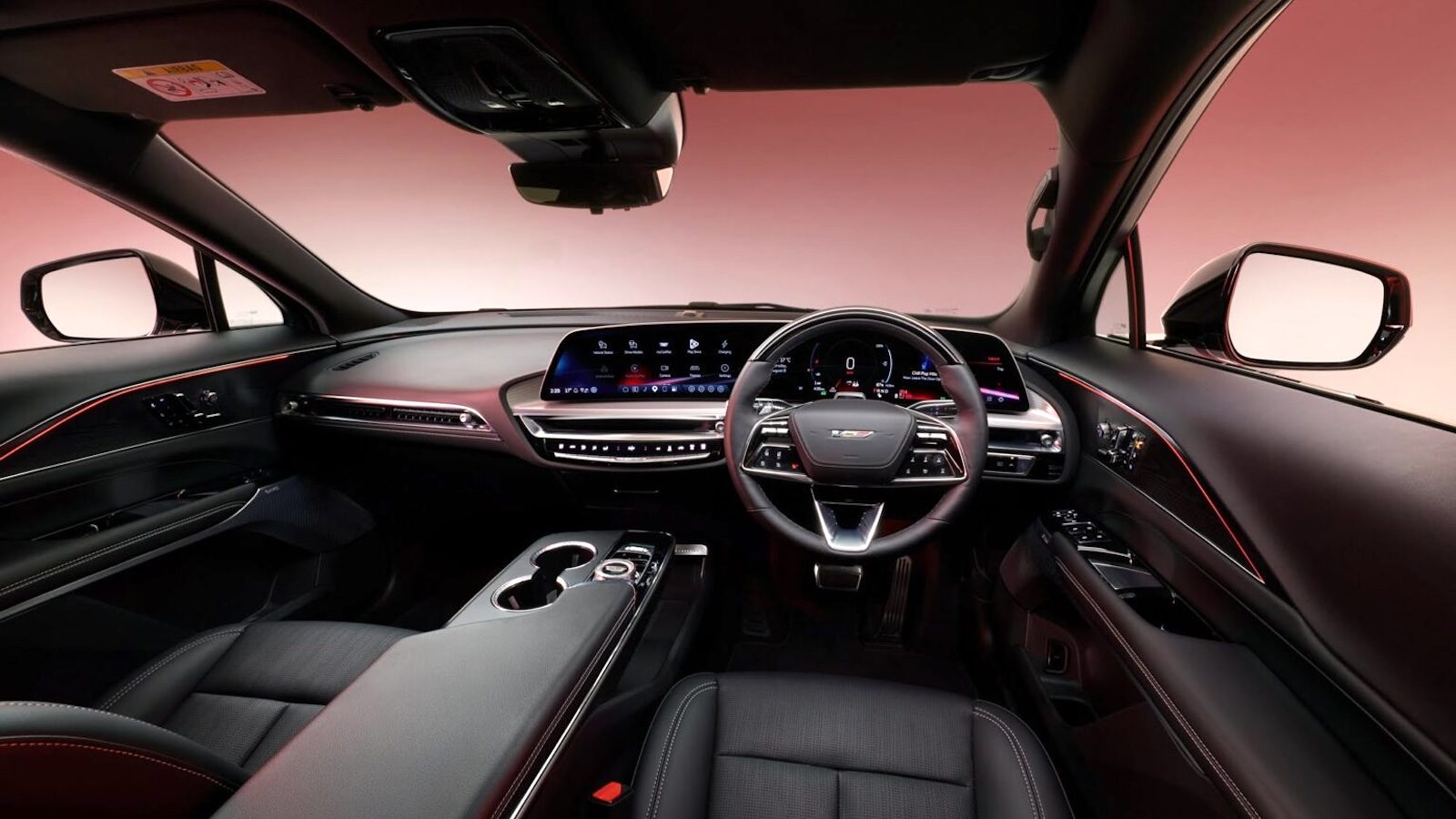
According to regional reports from industry outlets such as GM Authority, the 2027 Lyriq-V for Australia and New Zealand incorporates specific adjustments to accommodate local driving infrastructure. These changes include a fully integrated right-hand-drive cockpit layout, specialized interior trim adjustments, exclusive upholstery materials tailored to regional luxury tastes, and larger side mirrors designed to optimize rear visibility under local traffic conditions.

Additionally, the integration of the 92 kWh international battery pack reflects GM’s commitment to complying with regional safety and electrical standards. By tailoring these elements specifically for Oceania, Cadillac aims to mitigate the traditional friction points often associated with importing North American vehicles into right-hand-drive markets.
Official Statements and Executive Perspective
Executives within General Motors have emphasized the cultural and technical significance of introducing the V-Series nomenclature to an all-electric platform outside of North America.
Greg Rowe, Acting Managing Director for GM Australia and New Zealand, highlighted the duality of the new flagship SUV during the official market confirmation. "Lyriq-V is a landmark vehicle for Cadillac in Australia and New Zealand," Rowe stated. "It brings the V-Series badge into the electric era for the first time, and delivers the immediacy, the precision, and the drama our customers expect from a performance Cadillac."

Rowe further elaborated on the vehicle’s balanced engineering approach, noting, "At 459 kW, 880 Nm and 3.6 seconds from 0-100 km/h, it is a genuine performance SUV, but it also retains the refinement, technology, and everyday usability that define the Lyriq experience."
Industry analysts view these remarks as an intentional signal to buyers in Oceania that Cadillac is no longer merely an export novelty, but a serious contender in the high-end electric mobility space. By emphasizing both track-capable acceleration and everyday utility, GM is attempting to capture a demographic of luxury buyers who demand uncompromising versatility from their premium vehicles.
Broader Market Implications and Strategic Analysis
The launch of the 2027 Cadillac Lyriq-V in Australia and New Zealand carries several broader implications for both the regional automotive landscape and General Motors’ global corporate strategy.

First, the introduction of V2G-capable electric vehicles arrives at an opportune time for Australia and New Zealand, both of which have been actively updating regulatory frameworks to support bidirectional charging. As energy grids face increasing pressures from climate variability and shifting demand curves, consumer-owned EVs equipped with V2G technology are increasingly viewed as decentralized energy storage assets. By equipping the Lyriq-V with this capability out of the box, Cadillac positions itself as an active participant in the clean energy transition of Oceania, appealing to environmentally conscious luxury buyers.
Second, the pricing strategy—starting at approximately $62,500 USD equivalent in New Zealand—places immense competitive pressure on incumbent luxury brands. While legacy European luxury automakers have spent years building their electric vehicle portfolios in the region, many struggle to match the aggressive pricing-to-performance ratio demonstrated by GM’s Ultium-derived platforms. Offering a vehicle with nearly 615 horsepower and a 3.6-second zero-to-hundred sprint at this price point disrupts the traditional pecking order of high-performance SUVs.
Finally, the geographical expansion serves as a litmus test for Cadillac’s long-term viability as a standalone global luxury brand. For decades, Cadillac was primarily associated with the North American market, with limited and often sporadic international exports. Today, coordinated product deployments across South America, Asia, and Oceania—bolstered by high-visibility investments like Formula 1—demonstrate a unified corporate vision. If the Lyriq-V achieves commercial traction in Australia and New Zealand, it could pave the way for additional Ultium-based models, including larger SUVs and performance sedans, to populate right-hand-drive showrooms globally.