The archetype of the Silicon Valley executive has long been defined by a focus on software iteration, supply chain logistics, and the relentless pursuit of digital optimization. However, the recent elevation of John Ternus to the role of Apple CEO marks a distinct departure from this established corporate persona. While his predecessor Tim Cook was renowned for his operational mastery and supply chain prowess, Ternus brings with him a personal passion for high-performance automotive engineering and motorsports that has captured the attention of the tech and car enthusiast communities alike. Far from the stereotypical image of a tech leader disinterested in mechanical legacy, Ternus is a dedicated enthusiast whose private collection and track-day habits suggest a deep-seated appreciation for the intersection of cutting-edge technology and visceral driving dynamics.
The Evolution of Leadership at Apple
John Ternus was officially appointed as the head of Apple in early 2024, stepping into a role that requires navigating a delicate balance between the company’s hardware-software ecosystem and the shifting sands of global consumer technology. His ascent within the company was paved by his work as the Senior Vice President of Hardware Engineering, where he oversaw the development of the iPhone, iPad, and Mac product lines. His track record is characterized by a "hands-on" engineering philosophy that prioritizes product performance and industrial design.
The transition in leadership has prompted industry analysts to look closer at the personal interests that shape the decision-making of the man at the helm. Unlike the traditional "tech nerd" caricature, Ternus’s life outside of Cupertino is underscored by a commitment to automotive excellence. This is not merely a hobby; it is a serious engagement with the engineering feats that represent the pinnacle of modern combustion technology.
A Rare Gem in the Garage: The Porsche 935
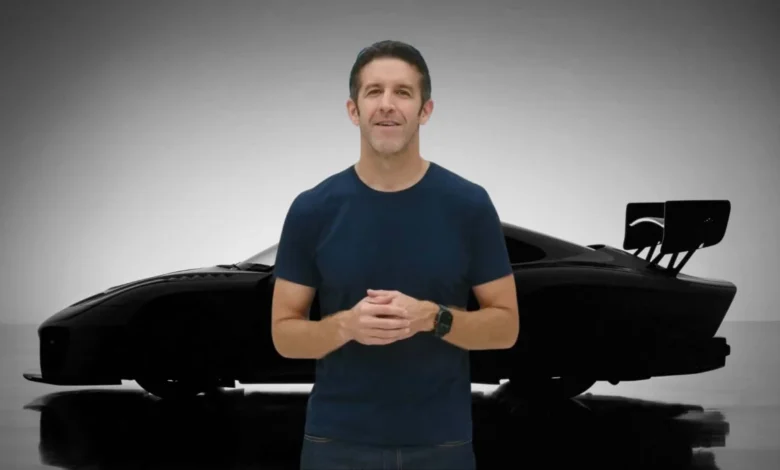
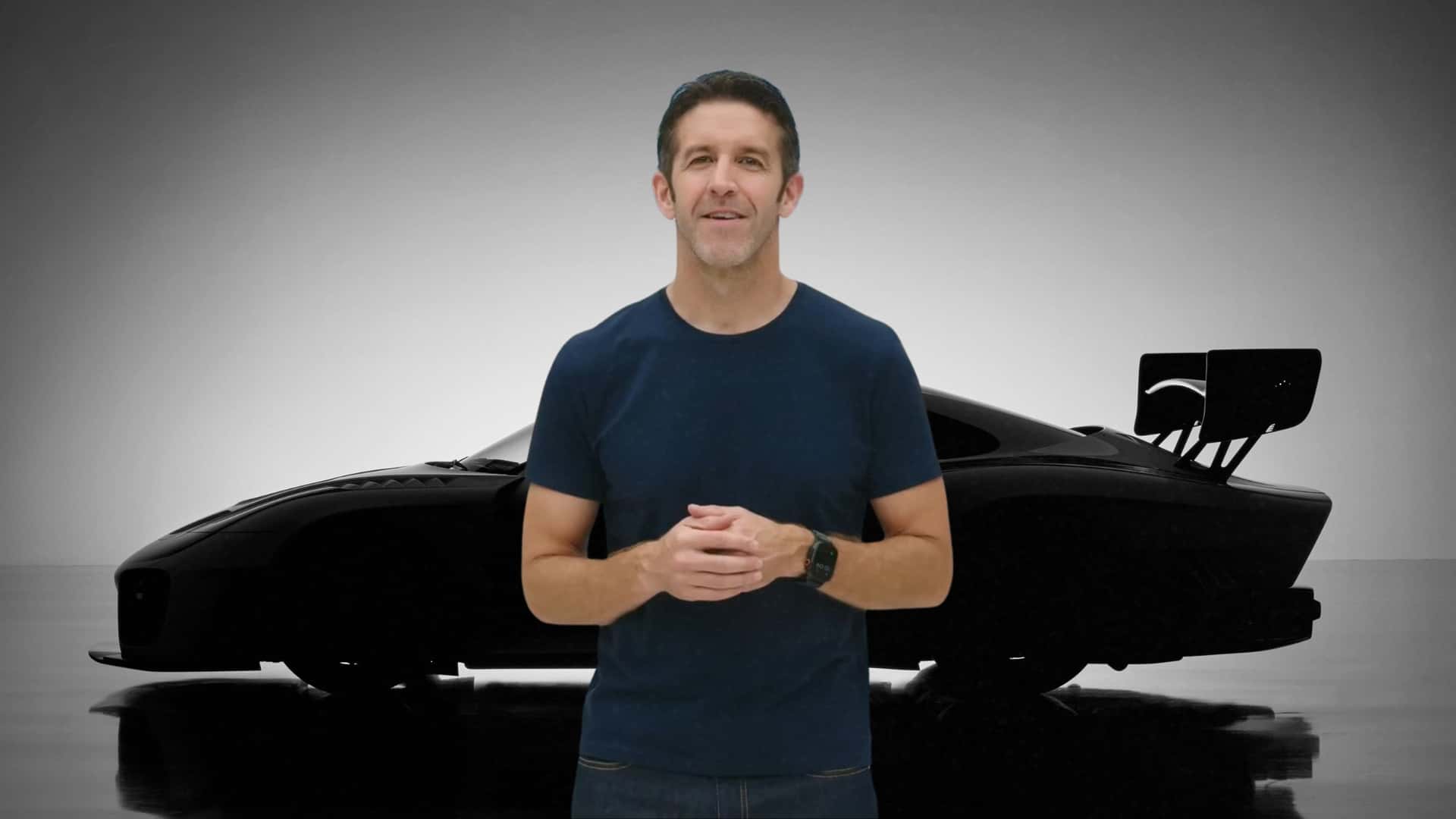
At the center of the conversation surrounding Ternus’s automotive interests is his ownership of the 2019 Porsche 935. This vehicle is not a mass-produced luxury sedan; it is a limited-run, track-only masterpiece designed as a tribute to the legendary 1970s Porsche 935 "Moby Dick."
The technical specifications of the 2019 Porsche 935 are staggering, serving as a testament to the level of performance engineering that aligns with the Apple executive’s professional ethos. Built on the architecture of the Porsche 911 GT2 RS, the vehicle features an extensive carbon-fiber-reinforced polymer (CFRP) body that reduces weight to approximately 3,042 pounds. Under the rear decklid lies a 3.8-liter twin-turbocharged flat-six engine capable of producing 700 horsepower and 553 lb-ft of torque.
With only 77 units ever produced by Porsche, the vehicle represents an exclusive tier of automotive collectibility. Upon its debut, the 935 carried a starting price exceeding $800,000, a figure that reflects the bespoke engineering required to turn a street-legal supercar into a track-ready weapon. For Ternus, the ownership of such a vehicle indicates more than just wealth; it suggests an intimate familiarity with high-performance hardware and a commitment to the "pure" driving experience that is increasingly rare in an era of automated, software-dependent mobility.
Track Performance and Technical Proficiency
Ternus does not treat his 935 as a static display piece. Reports from the automotive community and track day participants confirm that the Apple CEO regularly tests the limits of his machine at Laguna Seca, the famed circuit in Monterey, California.
Achieving lap times under 1:40 at Laguna Seca is a benchmark that separates amateur track drivers from those with significant experience and technical control. While professional racing drivers in purpose-built prototypes or hyper-advanced vehicles like the Czinger 21C may achieve significantly lower times, Ternus’s performance remains objectively impressive for an executive managing a multi-trillion-dollar corporation. This hands-on engagement with vehicle dynamics—understanding weight transfer, braking zones, and power delivery—provides a unique perspective that is seldom found in the upper echelons of the tech world.
Formula 1 and the Broader Automotive Context
Beyond his personal track activities, Ternus has demonstrated a keen interest in the pinnacle of motorsport: Formula 1. The F1 paddock has become an increasingly popular destination for tech executives, largely due to the sport’s recent surge in popularity in the United States and its transition into a high-stakes, data-driven engineering competition.
While there is no public indication that Apple intends to sponsor or enter an F1 team, the company’s ongoing relationship with the automotive sector remains complex. For years, the industry speculated on the "Apple Car" project—a venture into autonomous vehicle development that was eventually shuttered. Even without a standalone vehicle, Apple’s influence in the automotive space through CarPlay and its mapping software is pervasive. Ternus’s presence at the top of the company suggests that Apple’s leadership is now more "car-literate" than ever before. This internal expertise could influence how Apple approaches the next generation of in-car interfaces, vehicle-to-everything (V2X) communication, and the digital integration of performance metrics.
Implications for Future Product Strategy
The transition of Apple’s leadership toward a figure who appreciates the nuances of internal combustion and track performance raises interesting questions about the company’s future design philosophy. Will the "Ternus era" lead to a more performance-oriented focus in Apple’s peripheral hardware? Will the company’s software interfaces become more intuitive for the enthusiast driver?
Historically, Apple has focused on the user experience as the primary metric of success. However, as the automotive industry shifts toward electric powertrains and software-defined architectures, the gap between a tech company and an automaker is narrowing. Apple’s dominance in consumer electronics provides it with a unique advantage: it understands how to make complex systems appear simple and elegant. If Ternus leverages his passion for driving into the company’s strategic planning, we may see a more profound integration of the Apple ecosystem into the high-performance automotive world, not as a replacement for the car, but as an essential component of the driver’s interface.
Industry Reaction and Analyst Perspectives
Market analysts have generally responded positively to the news of the CEO’s automotive interests, framing it as a sign of a well-rounded leader. In a corporate environment that can often become insular, the pursuit of external challenges—such as mastering a technical track like Laguna Seca—is viewed as a positive indicator of focus, discipline, and high cognitive stamina.
Competitors in the automotive and tech sectors have taken note as well. As the "digital cockpit" becomes the primary battleground for luxury car manufacturers, having a leader who understands the mechanics of a Porsche 935 provides a credible foundation for discussions regarding future collaborations. Whether Apple decides to partner with high-end performance brands or continues to focus on consumer-facing software, the leadership of John Ternus marks a shift that is as refreshing as it is unexpected.
The Intersection of Legacy and Innovation
The story of John Ternus and his Porsche 935 is ultimately a reminder that even in the most digital-focused industries, there remains a place for the tactile, the mechanical, and the visceral. While the future of mobility may be trending toward electrification and autonomous systems, the leadership at the top of the world’s most valuable company is still defined by a deep respect for the art of engineering.
As the automotive industry undergoes its most significant transformation in a century, the presence of a CEO who spends his weekends on a race track provides a bridge between the old guard of performance and the new guard of digital innovation. Whether or not this passion manifests in new Apple products remains to be seen, but for now, the tech industry has a leader who understands that performance—whether in a smartphone processor or a twin-turbo flat-six engine—is the ultimate differentiator.
In the final analysis, the story of John Ternus is a testament to the enduring appeal of the machine. It is a story of a man who, despite his command of the digital realm, finds inspiration in the roar of an engine and the precision of a corner apex. In a world increasingly driven by pixels, it is a noteworthy development that the man leading Apple still has his eyes on the road.