
Apartment Tower Near South Street Seaport Awaits Ruling
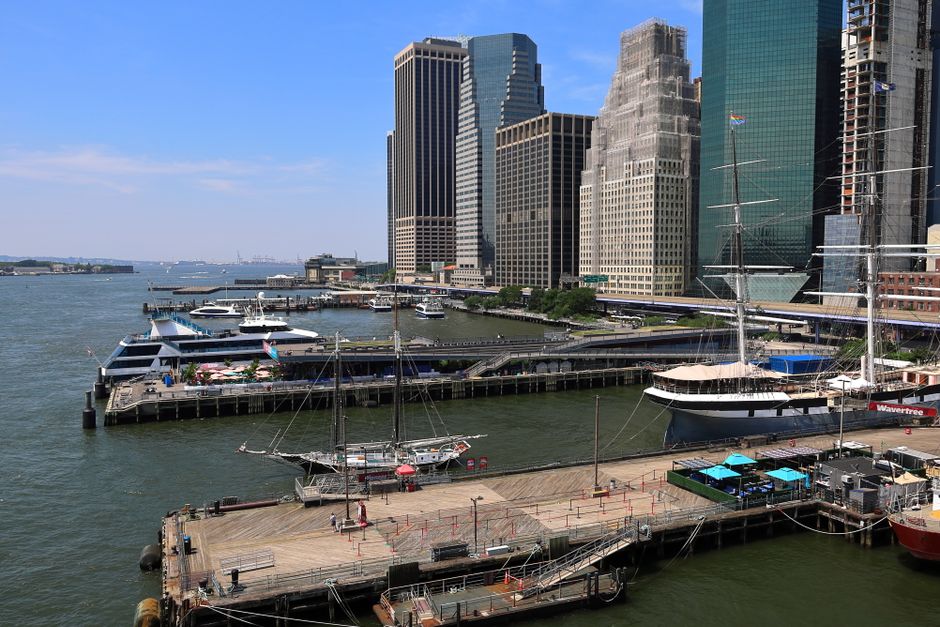
Historic Preservation vs. Modern Development: A South Street Seaport Apartment Tower Awaits Crucial Ruling
A proposed 60-story residential tower at 130 Water Street, nestled within the historically rich South Street Seaport district, stands at a critical juncture, awaiting a pivotal ruling from the Landmarks Preservation Commission (LPC). This project, a potent symbol of the ongoing tension between New York City’s imperative for new housing and its commitment to preserving its architectural heritage, has ignited fierce debate amongst developers, preservationists, community boards, and residents. The outcome of the LPC’s decision will not only determine the fate of this specific development but also set a significant precedent for future large-scale construction within designated historic districts across the city, particularly those as sensitive and iconic as the Seaport.
The core of the controversy lies in the proposed tower’s sheer scale and its perceived incongruity with the low-rise, historic fabric of the South Street Seaport. Opponents argue that a building of this magnitude, with its modern glass and steel facade, would irrevocably overshadow and dwarf the 19th-century warehouses, cobblestone streets, and maritime structures that define the Seaport’s unique character. They contend that such a development would dilute the historic ambiance, erode the district’s sense of place, and undermine the very qualities that attract tourists and residents alike. Preservation advocates emphasize the Seaport’s designation as a National Historic Landmark, a status that carries with it a responsibility to maintain its authenticity and historical integrity. They point to the LPC’s mandate to protect and preserve the city’s historic landmarks, and argue that approving this tower would represent a significant departure from that mission. The visual impact is a primary concern, with renderings illustrating how the tower would dominate the skyline, obscuring historic views and fundamentally altering the district’s proportions. The materiality and design of the proposed building are also under scrutiny, with many finding its contemporary aesthetic to be in direct opposition to the weathered brick, stone, and timber characteristic of the Seaport’s existing structures. This aesthetic clash, they argue, goes beyond mere visual preference; it represents a fundamental disregard for the established architectural language of the area.
Conversely, proponents of the 130 Water Street development highlight the pressing need for increased housing in New York City, a perennial urban challenge. They argue that the project would bring much-needed residential units to Lower Manhattan, contributing to the city’s economic vitality and diversity. The developers, led by groups such as reade street, assert that the tower has been designed with sensitivity to its surroundings, incorporating design elements intended to mitigate its visual impact. They emphasize the economic benefits, including job creation during construction and increased tax revenue for the city. Furthermore, they contend that strict zoning regulations in historic districts can stifle much-needed development and that a more flexible approach is necessary to address the city’s housing crisis. The argument is often made that historic districts should not become static museums, frozen in time, but rather should evolve to accommodate contemporary needs, including housing and economic growth. Developers also often commission studies demonstrating how their projects can integrate with, rather than destroy, the existing environment, though the interpretation and validity of these studies are frequently debated. The potential for the tower to offer amenities and services that could benefit the wider community, such as ground-floor retail or public spaces, is also part of the developer’s pitch, though these are often seen by opponents as insufficient compensation for the perceived damage to the historic district.
The LPC’s role in this decision is paramount. As the city’s official body for historic preservation, its mandate is to review proposed alterations and new constructions within designated historic districts to ensure they are in harmony with the area’s historical character. The LPC conducts thorough reviews, often involving public hearings where all stakeholders can voice their opinions. The commission considers factors such as scale, massing, materiality, architectural style, and contextual appropriateness when making its determinations. In the case of the 130 Water Street tower, the LPC has grappled with balancing these preservation principles against the undeniable pressures of urban development and housing demand. The commission is tasked with interpreting the spirit and letter of preservation laws, which can be challenging when faced with a proposal that pushes the boundaries of what has traditionally been considered acceptable within a historic district. Their deliberations involve not only technical architectural analysis but also a deep understanding of the historical significance of the Seaport and the broader implications for urban planning in historic contexts. The weight of precedent is also a significant factor; a decision made here will inevitably influence how similar proposals are reviewed in the future.
The public discourse surrounding this project has been robust and at times acrimonious. Community groups like the New York Landmarks Conservancy and the South Street Seaport Coalition have been vocal in their opposition, organizing rallies and submitting extensive documentation detailing their concerns. They have pointed to studies suggesting that the visual impact of the tower would be detrimental to the Seaport’s historic character and have argued for stricter enforcement of existing preservation guidelines. On the other side, real estate associations and some business leaders have voiced support for the development, emphasizing the economic benefits and the need for more housing. They often frame the opposition as being anti-growth and resistant to progress. The debate has also extended into the political arena, with elected officials from the local community board to City Hall weighing in, reflecting the broad public interest and the political implications of the decision. The involvement of influential stakeholders, each with their own vested interests, has created a complex and often polarized environment for the LPC to navigate.
The legal framework governing development in New York City’s historic districts is multifaceted. The LPC operates under the City Charter and the Landmarks Law, which grants it broad authority to protect and preserve landmarks and historic districts. However, the law also acknowledges the need for reasonable development and economic growth. This inherent tension is often at the heart of these decisions. Developers must often demonstrate that their proposals will not unduly harm the historic character of a district, while preservationists must show how a proposed project would indeed cause such harm. The legal arguments presented to the LPC can be highly technical, involving architectural history, urban planning principles, and legal interpretations of the Landmarks Law. The process often involves extensive documentation, expert testimony, and detailed critiques of architectural plans. The possibility of legal challenges following the LPC’s decision also looms large, as either party may seek judicial review if they believe the commission has acted arbitrarily or capriciously. This legal dimension adds another layer of complexity and high stakes to the proceedings.
The South Street Seaport itself is a district of immense historical importance. Designated a National Historic Landmark in 1978, it is a rare surviving example of a 19th-century commercial waterfront in Manhattan. Its collection of historic buildings, including former shipping offices, warehouses, and cobblestone streets, tells the story of New York City’s rise as a global trading port. The district embodies the maritime heritage that was foundational to the city’s identity and economic prosperity. Preserving this character is not just about aesthetics; it’s about safeguarding tangible links to the past and educating future generations about the forces that shaped the city. The debate over the 130 Water Street tower therefore touches upon fundamental questions of urban identity and the responsibility of contemporary New Yorkers to their historical inheritance. The district’s ongoing revitalization efforts, which have included both restoration of historic buildings and the introduction of new commercial and residential elements, have themselves been a subject of debate regarding the appropriate balance between preservation and modernization.
Looking beyond the immediate decision, the LPC’s ruling on the 130 Water Street tower will have far-reaching implications for New York City’s approach to development within its numerous historic districts. If the tower is approved, it could signal a shift towards a more permissive stance on large-scale, contemporary construction in historically sensitive areas, potentially emboldening similar proposals elsewhere. This could lead to a gradual erosion of the unique character of other historic neighborhoods across the city. Conversely, a denial could reinforce the LPC’s commitment to strict preservation and discourage projects that are perceived as being out of scale or incompatible with their historic contexts. This would likely lead to continued challenges for developers seeking to build in these areas, potentially driving investment to less restricted locations. The decision will undoubtedly be closely watched by developers, preservationists, and urban planners nationwide, serving as a bellwether for how cities across the country balance the demands of growth with the imperative to protect their historical legacy. The resolution of this particular development will shape the ongoing dialogue about the future of urban historic districts in the face of relentless development pressures. The very definition of what constitutes "appropriate" development within a historic landmark district will be, in part, determined by this outcome.
