Axalta Coating Systems Names Redefined As The Official Automotive Color Of The Year For 2027

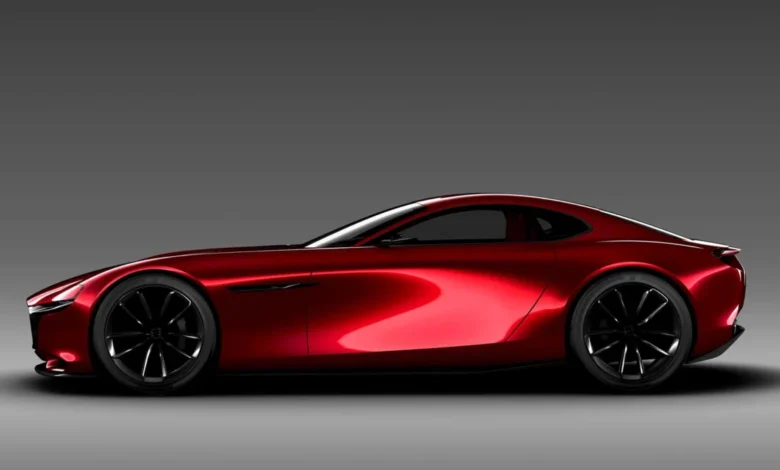
The automotive landscape, long dominated by the monochromatic trifecta of black, white, and silver, is preparing for a chromatic shift. Axalta Coating Systems, a global leader in liquid and powder coatings, has officially unveiled its Automotive Color of the Year for 2027: a sophisticated, deep ruby red designated as Redefined. The announcement, made at the prestigious Automechanika Frankfurt trade fair in Germany, signals a departure from the conservative color palettes that have defined the last decade of vehicle manufacturing.
A New Era for Ruby Tones
Redefined is not merely a color; it represents a significant advancement in polymer science and pigment technology. Unlike traditional solid or metallic red paints, Redefined utilizes a multi-layered coating architecture designed to replicate the internal luminosity of a high-grade gemstone. By manipulating how light interacts with the various layers of the finish, Axalta has engineered a color that shifts in intensity and depth depending on the ambient lighting conditions.
This depth is achieved through advanced coating technology that moves beyond standard metallic flakes, which often create a uniform, flat shimmer. Instead, the composition of Redefined relies on proprietary refractive pigments that provide a more dynamic, "alive" appearance. The result is a finish that offers both the bold, expressive nature of red and a refined, upscale aesthetic that aligns with the current market demand for luxury and personalization.
Historical Context and the Evolution of Color
The selection of Redefined marks a significant full-circle moment for Axalta. Thirteen years ago, the company inaugurated its Global Automotive Color of the Year program with "Radiant Red." By returning to the red family for 2027, the company aims to highlight the evolution of its internal technology.
When Radiant Red was introduced, the automotive industry was constrained by the limitations of pigment dispersion and layering technology. Today, those limitations have been largely overcome. The contrast between the 2014-era red and the 2027 iteration illustrates a decade and a half of progress in the chemical engineering of automotive finishes. This evolution is part of a broader, decade-long trend of increasingly complex and emotionally resonant vehicle colors.
The chronological progression of Axalta’s winners provides a roadmap for shifting consumer tastes:
- 2021: Electrolight – A refreshing, green-yellow hue reflecting the rise of electric mobility.
- 2022: Royal Magenta – An intense, deep violet designed to evoke luxury and mystery.
- 2023: Techno Blue – A vibrant, tech-forward shade capturing the digitization of the cockpit.
- 2024: Starry Night – A dark, sophisticated shade with light-reflecting qualities.
- 2025: Evergreen Sprint – A modern take on classic racing green.
- 2026: Solar Boost – A warm, energy-infused shade signaling optimism.
- 2027: Redefined – A return to a classic, deep ruby with a modern, high-tech finish.
Market Implications and Consumer Trends
The automotive color market is a multi-billion-dollar segment that serves as a primary indicator of consumer sentiment. For years, white has reigned supreme, accounting for roughly 35% of all new vehicles sold globally. However, the rise of "personalization" as a key purchasing driver is prompting manufacturers to seek out high-impact colors that do not compromise on elegance.
Matthew Boland, Vice President of Global Refinish Technology at Axalta, underscored this strategy during the unveiling. According to Boland, the modern consumer is seeking a vehicle that acts as an extension of their identity. "Redefined represents where we see automotive color going," Boland stated. "It is expressive and individual, but still retains a level of timeless refinement."
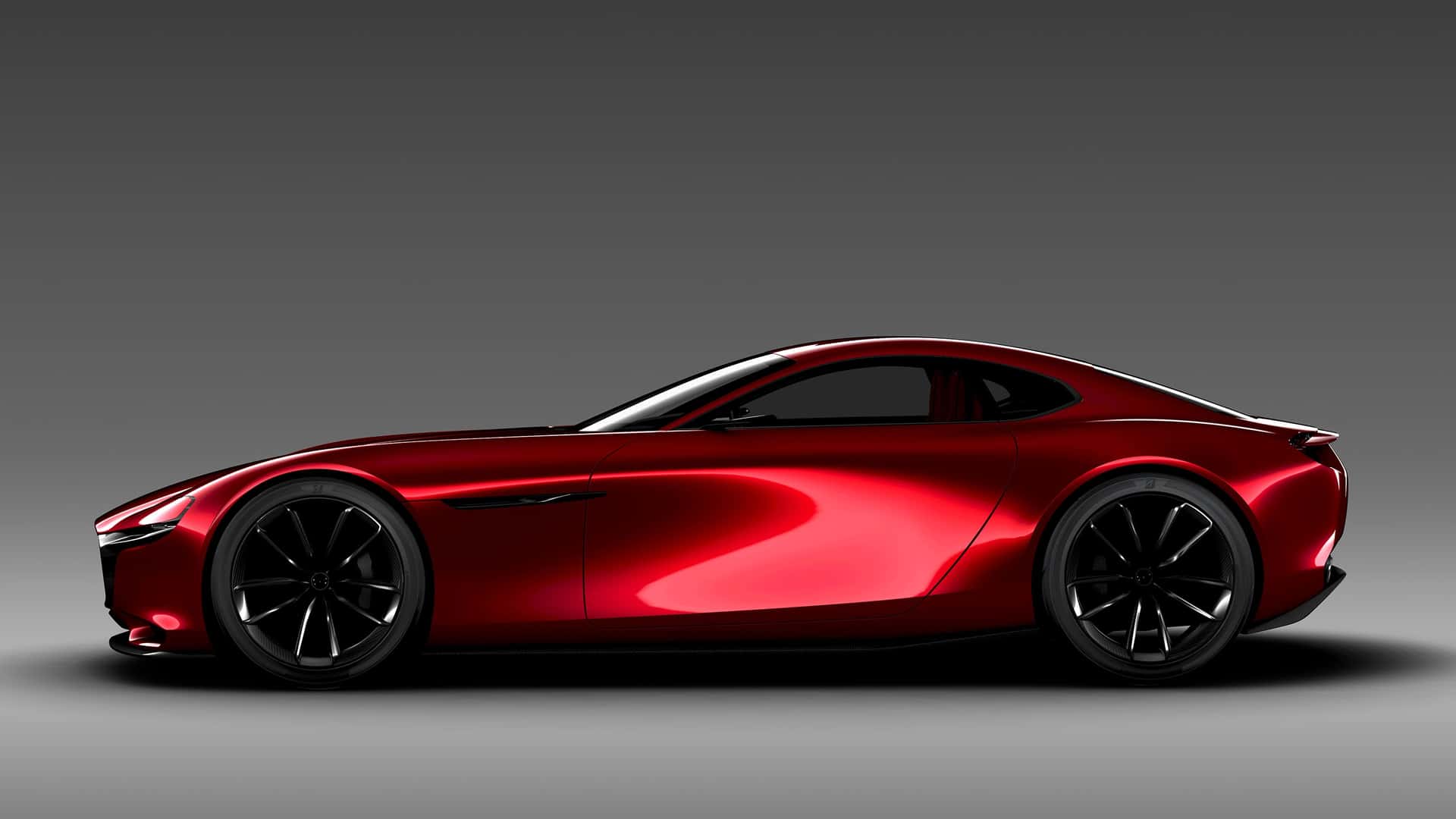
Industry analysts suggest that the push toward colors like Redefined is a response to the "sea of grey" that has flooded the market due to lease-heavy sales models, where resale value remains the primary concern for OEMs. By introducing high-end finishes that look expensive and durable, manufacturers hope to increase the emotional appeal of their vehicles, effectively creating a "halo effect" that makes even entry-level models feel premium.
Technological Advancements in Paint Science
The development of Redefined also highlights the role of paint in the electric vehicle (EV) era. As cars become more aerodynamic and feature "flush" body panels, the quality of the finish becomes even more critical. Surfaces are becoming larger and smoother, which allows complex colors to showcase their depth better than on the highly complex, multi-creased bodywork of the early 2000s.
Furthermore, the integration of new material science—such as the gold-flecked glass used in the 2027 Infiniti QX65—indicates that "color" is no longer just about the pigment. It is about the physical additives that interact with sunlight. Axalta’s development of Redefined mirrors this move toward "active" finishes, where the vehicle’s appearance changes as the viewer moves around it.
Broader Industry Reactions
While Axalta has not disclosed which specific automotive brands will be the first to adopt Redefined, the industry has already begun to react to the shift. Luxury manufacturers, in particular, are investing heavily in "bespoke" color programs. For instance, recent moves by BMW to introduce heritage-inspired palettes and Dodge’s strategic expansion into darker, metallic-heavy shades for their 2027 model year suggest that OEMs are ready to move away from the "safety" of white, black, and silver.
The inclusion of these specialized coatings in standard production lines is an engineering challenge. Applying a multi-layer finish that mimics a gemstone requires high precision in the paint shop to ensure consistency across mass-produced units. However, as automation and robotics in paint shops become more sophisticated, the cost of implementing these complex finishes is decreasing, making them more accessible for mid-range models.
Looking Toward the Future
The decision to focus on a "refined" red for 2027 is a calculated move. Red has historically been a high-risk color in terms of resale value, often associated with sports cars or niche enthusiast vehicles. By re-engineering the color to be "deep, ruby-toned, and reflective," Axalta is attempting to bridge the gap between high-performance bravado and sophisticated luxury.
The success of this color will ultimately depend on how well it translates from concept to production line. If adopted by major volume sellers, it could represent the most significant shift in automotive aesthetics since the late 2010s. As the industry moves toward 2027, the focus on "Redefined" serves as a benchmark for where the intersection of chemistry, art, and automotive manufacturing currently sits.
For consumers, this is a clear signal that the era of the "safe" car color may be nearing a plateau. With the technology now available to produce colors that exhibit depth, shimmer, and luminosity without sacrificing the longevity required for modern automotive standards, the streets of 2027 are likely to be significantly more vibrant.
In conclusion, Axalta’s 2027 Color of the Year is more than just a stylistic choice; it is a synthesis of advanced manufacturing, evolving consumer psychology, and a commitment to technological growth. As the industry looks toward a future defined by electrification and digital integration, the exterior finish of the vehicle remains the most immediate way for a brand to communicate its identity to the world. With Redefined, the industry is betting that the consumer is ready for a change that is bold, deep, and undeniably classic.