Beyond the Doorbell: How Adult Halloween Culture and Viral Social Media Costuming Became a Multi-Billion-Dollar Economic Force

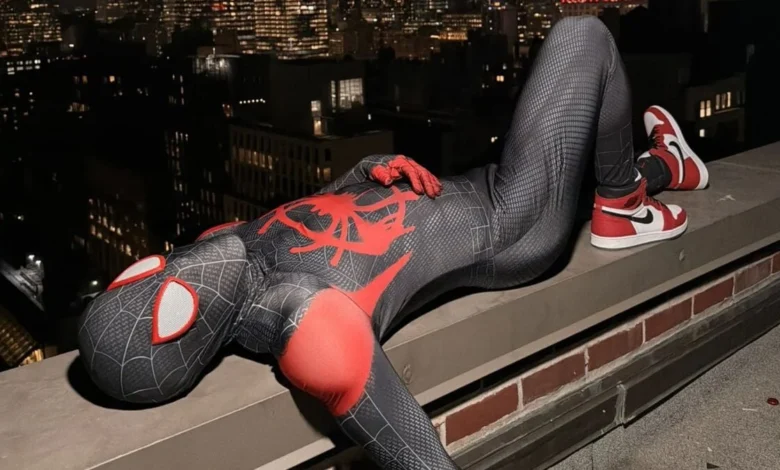
Halloween has long transcended its traditional origins as a neighborhood-centric children’s holiday, evolving into a sophisticated, multi-billion-dollar cultural phenomenon dominated by adult participation. While the core imagery of October 31 remains rooted in door-to-door trick-or-treating and juvenile ghost stories, contemporary Halloween celebrations are increasingly defined by elaborate adult costume parties, community-wide events, and massive digital showcases hosted across social media platforms. As millions of adults trade sacks of miniature candy bars for themed gatherings, the holiday has fundamentally shifted from a localized neighborhood tradition into a globally synchronized digital-age spectacle.
Main Facts and the Modern Celebration Paradigm
The modern Halloween landscape is characterized by a stark demographic split. While younger children continue to partake in traditional nocturnal candy collection, the adult sector drives the vast majority of economic spending, aesthetic innovation, and cultural output. According to annual data compiled by the National Retail Federation (NRF) and trailing market analysis from specialized holiday retail associations, adult spending on costumes, decorations, and party supplies routinely accounts for over half of total seasonal revenue.
This financial engine is heavily fueled by pop-culture integration. Adults utilize the holiday as an annual outlet for creative expression, channeling nostalgia, cinematic milestones, internet memes, and high-fashion aesthetics into intricate ensembles. In the digital era, the physical manifestation of a costume at a party is only the first phase of its lifecycle. The secondary, and arguably more impactful, phase occurs online, where users upload photographs and video walkthroughs of their outfits to platforms such as X (formerly Twitter), TikTok, and Instagram. These digital spaces act as virtual runways, allowing exceptionally creative, humorous, or technically demanding costumes to achieve viral status within hours.
Chronology of Halloween’s Commercial and Cultural Evolution
To understand the current scale of adult Halloween participation, one must examine how the holiday transformed over the latter half of the twentieth century and accelerated into the twenty-first.
Historically, Halloween in North America was predominantly viewed as a children’s holiday throughout the mid-1900s. Adult involvement was typically restricted to chaperoning minors or hosting modest, domestic neighborhood gatherings with minimal costuming. However, the landscape shifted dramatically in the 1970s and 1980s with the commercial expansion of the adult costume industry and the rapid growth of large-scale community celebrations.
The most prominent catalyst for adult-oriented public celebration was the establishment of events like New York City’s Village Halloween Parade, founded in 1974 by puppeteer Ralph Lee. What began as a local walk through Greenwich Village quickly burgeoned into a massive international tourist attraction, drawing millions of spectators and participants dressed in avant-garde, terrifying, and deeply artistic costumes. Concurrently, commercial venues, nightclubs, and theme parks recognized the financial viability of catering to adults, creating specialized Halloween programming, adult-only theme park nights, and competitive costume balls.
By the turn of the twenty-first century, the rise of the internet accelerated this trend. Early message boards and photo-sharing sites gave way to dedicated social media ecosystems, transforming Halloween from a single night of localized revelry into a month-long content cycle. By the 2010s and 2020s, viral internet culture began heavily dictating costume trends, with users racing to conceptualize outfits inspired by niche television shows, obscure animated throwbacks, iconic musical figures, and viral memes before midnight on October 31.
Supporting Data and Economic Impact
The financial commitment required to sustain this culture is substantial. Industry metrics consistently demonstrate that Halloween is one of the most resilient seasonal retail periods, often second only to the winter holiday shopping season in terms of per-capita consumer expenditure.
According to NRF seasonal reports, total Halloween spending in the United States alone frequently eclipses $10 billion annually. Within this vast economic ecosystem, adult costumes represent a multi-billion-dollar sub-sector. Consumers regularly allocate significant portions of their discretionary budgets toward high-end theatrical makeup, custom props, professional-grade textiles, and imported accessories.
Furthermore, the digital amplification of these costumes has created an entirely new metric for success. Content creators, independent streamers, and internet personalities regularly invest thousands of dollars into bespoke production designs for their Halloween streams and posts. For these digital influencers, a viral costume acts as a powerful engagement tool, driving audience growth, platform monetization, and brand partnerships. Consequently, the boundary between amateur hobbyist costuming and professional-grade performance art has grown increasingly porous.
Categorical Breakdown of Viral Costuming Trends
An analysis of top-performing digital costume showcases reveals several distinct categories that consistently capture public imagination on social media. These trends highlight the intersection of collective nostalgia, cinematic appreciation, and internet subculture.
Nostalgia-Driven Television and Animation Homages
A significant portion of viral acclaim is captured by costumes that draw upon classic children’s programming and animated series from the late twentieth and early twenty-first centuries. By resurrecting characters from beloved television shows, adults tap into a shared generational memory. These costumes often require meticulous attention to detail, as audiences familiar with the source material demand accurate color palettes, signature props, and precise recreation of animated aesthetics in a live-action medium. Whether referencing cult-classic cartoons, overlooked animated sitcoms, or foundational children’s programming, these outfits resonate deeply because they merge adult craftsmanship with childhood sentimentality.
Musical Icons and Pop Culture Legends
Tributes to historical and contemporary icons of music, cinema, and fine art represent another major pillar of viral costuming. Figures such as legendary soul musicians, avant-garde filmmakers, and iconic cinematic characters provide rich source material for performers aiming for theatrical authenticity. Capturing the essence of a cultural titan requires more than just wearing a replica outfit; it demands an understanding of posture, styling, and cultural context. When executed with high fidelity, these homages frequently draw widespread praise from online communities, bridging generational divides by celebrating timeless artistry.
Surrealist, Abstract, and High-Concept Humor
Internet culture thrives on absurdity, surrealism, and hyper-specific humor, qualities that translate fluidly into Halloween costuming. Some of the most widely shared outfits online are those that deconstruct conventional expectations, utilizing unexpected materials, clever visual puns, or deep-cut pop-culture references. These concepts often subvert traditional notions of "scary" or "pretty" costumes, favoring instead intellectual wit, shock value, or clever engineering. The ability to translate an abstract internet meme or a fleeting cinematic moment into a tangible, wearable physical form is a testament to the ingenuity of contemporary costume designers.
The Creator Economy and the Role of Digital Streamers
In the contemporary landscape, internet streamers and digital content creators have assumed a central role in shaping Halloween trends. Platforms like Twitch, YouTube, and various social media networks routinely host special live streams on October 31, where creators showcase elaborate costumes to live audiences numbering in the hundreds of thousands.
The integration of streaming culture into Halloween has transformed the holiday into an interactive spectator event. Creators frequently build custom studio sets, execute elaborate theatrical openings, and engage directly with viewers who vote on, critique, or celebrate their wardrobe choices in real-time. This dynamic has raised the baseline expectations for public-facing costuming. What was once a localized neighborhood display is now broadcast globally, subjecting local festive choices to worldwide scrutiny and appreciation.
Sociological Implications of Adult Play and Escapism
Sociologists and cultural anthropologists frequently analyze the modern explosion of adult Halloween participation as a vital psychological mechanism for escapism and social bonding. In an increasingly fast-paced and digitized world, the opportunity to temporarily shed one’s daily professional identity and adopt a fictional persona offers significant mental health benefits.
Participating in group costuming fosters a sense of community and collective effervescence—a sociological concept describing the emotional energy generated by individuals coming together in a synchronized, festive ritual. Whether attending a structured corporate party, a neighborhood gathering, or participating in digital challenges online, adults use Halloween as a socially sanctioned space to exercise play, creativity, and self-expression without the constraints of conventional social norms.
Furthermore, the cross-generational appeal of the holiday allows for unique social bridges. Parents sharing costume traditions with their children, peers collaborating on complex group ensembles, and digital communities interacting across international borders all contribute to a cohesive global ritual centered on imagination and shared storytelling.
Outlook and Future Trajectory of the Holiday
As Halloween continues to evolve, its trajectory points toward an even greater integration of physical celebration and digital curation. The blurring lines between virtual reality, augmented reality, and physical costume design suggest that future iterations of the holiday may incorporate advanced digital tracking, projection-mapping textiles, and enhanced online interactivity.
However, the enduring core of the holiday remains anchored in the human desire for storytelling, transformation, and shared joy. Whether through a meticulously crafted homage to a classic television character, a surrealist nod to a cinematic legend, or a high-production broadcast by a digital creator, Halloween in the modern era has firmly established itself as a cornerstone of adult cultural expression. The ritual of dressing up, once confined to the simple imaginations of childhood, has matured into a sophisticated, global celebration of creativity that shows no signs of slowing down.
Related posts: