Can-do editors turn birthday into a wider celebration of literary zeal: It’s really an idealist’s game.

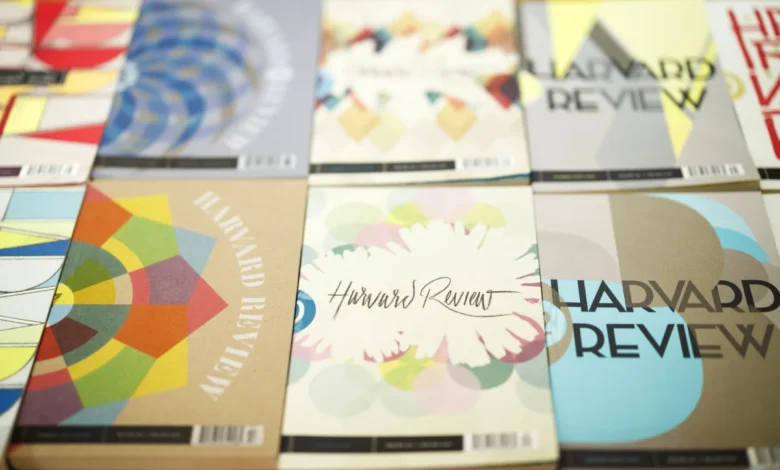
The landscape of American publishing has undergone a radical metamorphosis since 1986, yet the stubborn, rhythmic pulse of the "little magazine" persists with surprising vitality. This week, at Harvard University’s Houghton Library, a gathering of editors, scholars, and student visionaries convened to commemorate the 40th anniversary of the founding of Erato, the predecessor to the prestigious Harvard Review. The event, titled "Harvard and the Little Mag: Why Print Matters in 2026," served as both a retrospective on the evolution of independent publishing and a robust defense of the printed word in an era dominated by algorithmic content and digital fragmentation.
A Four-Decade Evolution of Independent Publishing
The trajectory of the Harvard Review—which found its permanent home within the Harvard Library system in 1992—mirrors the broader challenges faced by literary journals throughout the late 20th and early 21st centuries. When Erato was first established in 1986, the primary obstacles for independent publishers were logistical: distribution, physical production costs, and the struggle to reach a niche audience beyond the university gates.
However, the cultural anxieties surrounding literacy have remained remarkably consistent. In 1989, essayist and Harvard instructor Sven Birkerts lamented the decline of deep, independent reading among the student body. Four decades later, the medium of consumption has shifted from the printed page to the scrolling screen, yet the fundamental mission of the literary magazine remains unchanged: to curate human experience, preserve aesthetic standards, and provide a vessel for voices that commercial publishing often overlooks.
The Anatomy of the Little Magazine: A Chronology of Resilience
The survival of the small-press model is a testament to the persistent idealism of the literary community. To understand the current landscape, one must look at the historical markers that have defined this ecosystem:
- 1986: Erato is founded at Harvard, establishing a grassroots platform for literary experimentation.
- 1992: The publication formalizes its presence under the Harvard Review moniker, transitioning into the Harvard Library structure to ensure institutional longevity.
- 2000–2010: The rise of digital publishing creates a dual-threat environment: traditional print costs escalate while digital outlets begin to cannibalize the attention economy.
- 2015–2020: The democratization of design software and print-on-demand services lowers the barrier to entry, leading to a "micro-press" boom.
- 2024–2026: A new wave of student-led journals, including House House and the revived Tuesday, demonstrates a generational pivot back toward the tactile, curated experience of print.
The Economics of Idealism: Data and Market Trends
While "little magazines" are rarely profitable in the traditional sense, their impact on the literary market is significant. According to industry data from the Council of Literary Magazines and Presses (CLMP), there are currently over 600 active literary journals in the United States, with a majority operating on shoestring budgets.
The economic model of these publications typically relies on a hybrid of university subsidies, individual donor contributions, and a dwindling but loyal subscriber base. Despite the rise of AI-generated content and mass-market digital platforms, the demand for "slow content"—writing that undergoes rigorous editorial oversight—has seen a quiet resurgence. Market research indicates that younger readers, particularly those in the Gen Z demographic, are increasingly seeking out physical artifacts as a counter-movement to the perceived transience of social media feeds.
Voices from the Frontlines: Why Print Still Matters
Christina Thompson, editor of the Harvard Review and the moderator of Tuesday’s panel, framed the persistence of these magazines as a form of cultural resistance. "People who start or run or get involved in literary magazines all seem to want to do more or less the same set of things," Thompson noted during the discussion. "They want to make art. They want to celebrate art. They want to make themselves and others heard. It’s really an idealist’s game."
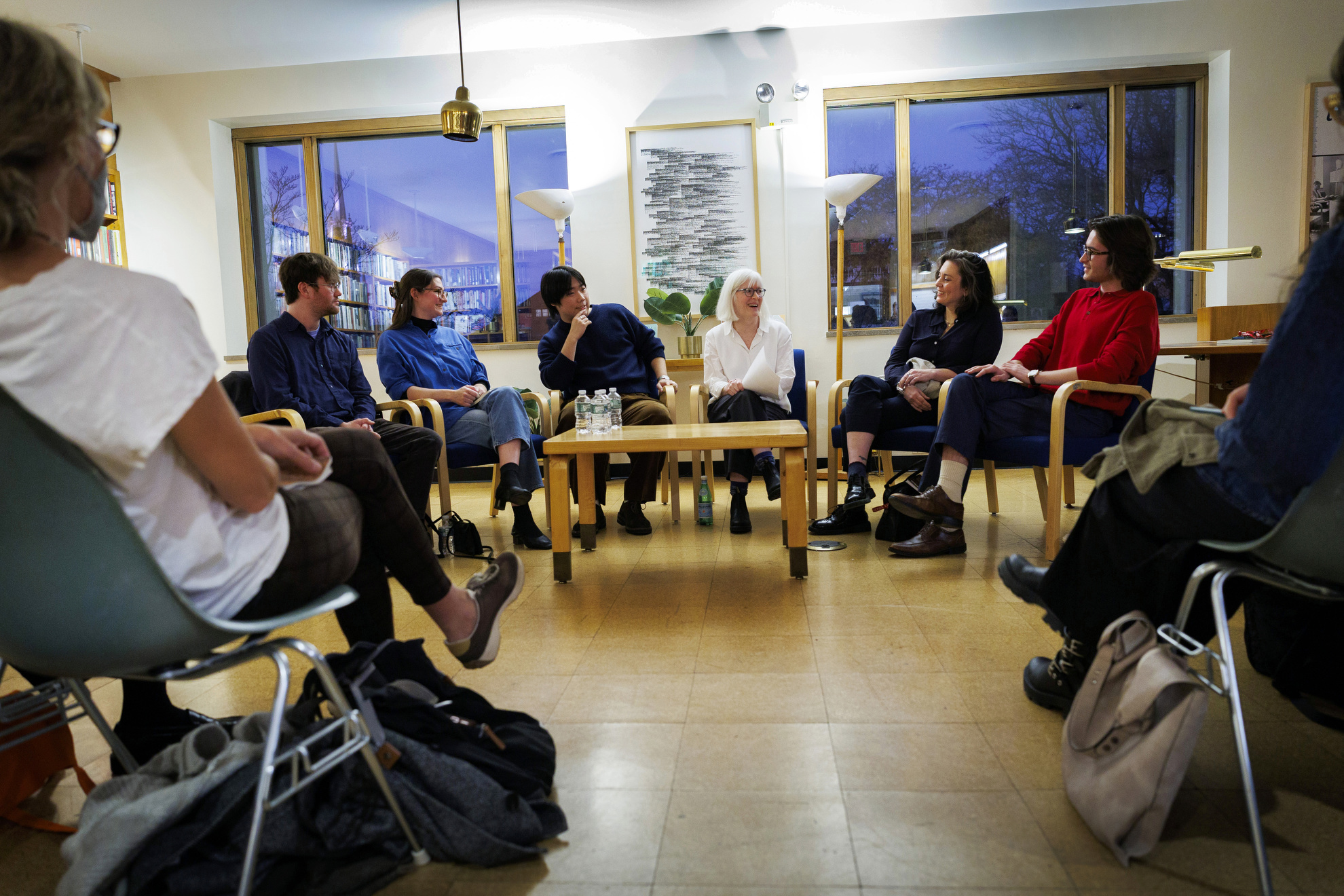
This sentiment was echoed by a new generation of editors who are leveraging the lessons of the past to navigate the complexities of the present. James Fraser and Bella Bennett, the husband-and-wife team behind the magazine Duck, spoke to the liberating power of modern production technology. By drawing inspiration from the mid-century mimeograph tradition of the New York School, they have bypassed the gatekeepers of traditional publishing, proving that the technical barriers to entry are lower than ever. Their publication, which debuted in March, highlights the ease with which a committed editorial board can now bring a project to life.
Similarly, Hengzhi Huang Yang, founder of House House, articulated the cross-generational appeal of the form. His journey—from a youth in Beijing to a student of the 20th-century American literary canon—reflects how these magazines act as historical bridges. For Yang, the physical magazine is not merely a collection of essays, but an object of historical inquiry.
Jacob Winter, representing the revived campus magazine Tuesday, offered a different perspective on the editorial process. By embracing a high-turnover model where the editorial staff rotates annually, Tuesday avoids the stagnation that can plague long-running publications. This fluid structure allows for a "revolving editorial window," ensuring that the magazine reflects the immediate, shifting concerns of the student body rather than a static, top-down institutional voice.
Broader Implications: The Future of Curated Media
The gathering at Houghton Library underscores a broader trend: the decoupling of literary prestige from mass-market reach. In an era where information is abundant but context is scarce, the role of the editor as a curator has become more vital than ever.
The implications for the publishing industry are profound. As traditional media outlets consolidate and shrink, the vacuum is being filled by these agile, independent, and often ephemeral projects. While these magazines may never reach the circulation numbers of a major metropolitan daily, their cultural footprint is disproportionately large. They act as incubators for new talent, testing grounds for stylistic innovation, and, perhaps most importantly, as a record of intellectual discourse that algorithms are fundamentally incapable of replicating.
The "idealist’s game" described by Thompson is, in reality, a necessary safeguard for intellectual diversity. As long as there are individuals willing to shoulder the financial and labor-intensive burdens of production, the little magazine will continue to function as a vital, if quiet, component of the democratic process. The celebration of the Harvard Review’s 40-year milestone is not just a nod to the past; it is an assertion that the need for a physical, curated space for serious writing is as urgent in 2026 as it was in 1986.
As the panel concluded, the consensus among the participants was clear: the obstacles—budgetary constraints, shifting attention spans, and the digital tide—are constant, yet the drive to create persists. For these editors, the magazine is more than a product; it is a community, a history, and a deliberate act of engagement with the world. The "little mag," it seems, is far from finished.