The political landscape of the United States shifted decisively following the November 3, 2026, midterm elections, triggering an unexpected and widespread cultural phenomenon across digital platforms. As Democratic candidates secured critical victories in traditional Republican strongholds—including notable upsets in Texas and Kansas—social media users began channeling the distinct aesthetic, musical cues, and emotional tenor of the late 2000s and early 2010s. This outpouring of collective euphoria has reignited a viral conversation regarding the resurgence of "millennial optimism," a distinct socio-cultural mindset long thought buried beneath years of economic strain, political polarization, and algorithmic fatigue.
Across platforms like TikTok, X (formerly Twitter), and Instagram, timelines flooded with references to the early Obama administration era. Users shared vintage clips from Lin-Manuel Miranda’s Hamilton, blasted anthems such as fun.’s "We Are Young" and Middle East’s "Blood," and traded ironic yet deeply sincere memes about the return of a pre-algorithmic internet culture. Search metrics on Google reflected this sudden cultural wave, with "millennial optimism" registering as a breakout search term, surging by an unprecedented 5,000 percent in the immediate wake of election night.
The Anatomy of a Digital Revival
To understand the sudden renaissance of millennial optimism, culture critics and internet historians point to a trend that had already been quietly gaining momentum on TikTok months prior to the midterms. Throughout 2025 and 2026, younger internet users—particularly older Generation Z and younger millennials—began circulating nostalgic content recreating the lifestyle markers of the late 2000s and early 2010s.
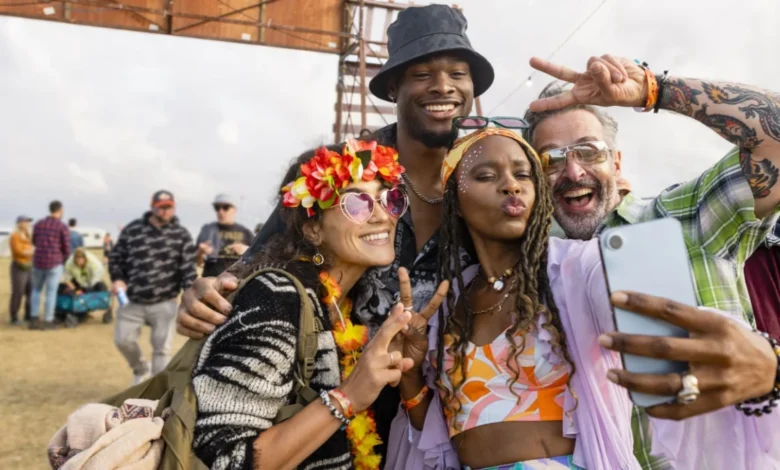
This specific aesthetic encompasses a hyper-specific visual vocabulary: Apple Photo Booth self-portraits, hipster mustache accessories, chunky statement necklaces, floral crowns, and the ubiquitous image of wired Apple earbuds tangled in pockets while indie-folk bands played in the background. Yet, analysts note that the appeal transcends mere fashion or retro playlists.

For the generation that experienced those years either as children or young adults, the era represents an idealized epoch of political hope and personal potential. It was a time characterized by the sweeping, change-oriented rhetoric of the Obama administration, paired with a nascent social media landscape that felt communal rather than corporate. As one viral post on X articulated, the trend evokes a poignant sense of loss for older Gen Z individuals who witnessed the era as children—a promised future that ultimately dissolved into economic instability, the student debt crisis, and hyper-polarized digital silos.
When election results rolled in on November 3, 2026, confirming sweeping Democratic gains that clinched control of both the House and Senate, this passive online nostalgia transformed instantly into active political participation and celebratory fervor.
Chronology of Election Night and the Digital Wave
The metamorphosis of internet nostalgia into a political movement unfolded rapidly over a 48-hour period:
- November 3, 2026 (Evening): Early returns from midterm polls indicate unexpectedly strong Democratic turnout, with commentators dubbing the shifting map a "blue tsunami." Major upsets are reported in historically conservative districts across Texas and Kansas.
- November 3 (Late Night): Viral posts begin appearing on X and TikTok pairing election updates with early-2010s indie music tracks. Users explicitly invoke the phrase "millennial optimism" to describe the emotional juxtaposition of modern political relief with retro cultural markers.
- November 4 (Morning): Confirmed legislative majorities solidify. Google search data indicates a 5,000 percent spike in queries regarding "millennial optimism." Cultural institutions and brands, including BuzzFeed, participate in the meme cycle by temporarily reverting to retro corporate branding and blue color schemes.
- November 4 (Evening): Post-election celebrations in urban centers like Austin, Texas, feature club DJs playing nostalgic pop anthems, captured on video and amplified globally across social media networks.
Economic Realities Versus Cultural Aspirations
While the internet’s embrace of millennial optimism frames the current political shift as a return to brighter days, sociologists and economists offer a more measured analysis of the era being romanticized. The original period spanning 2008 to 2016 was far from universally prosperous for the millennial generation.
Millennials came of age during the catastrophic fallout of the 2008 financial crisis, facing a decimated job market, soaring tuition costs, escalating housing prices, and the burden of unprecedented student loan debt. The optimism of the Obama era often existed in sharp contrast to harsh material realities, serving as a psychological coping mechanism against systemic economic hurdles.

Similarly, political analysts caution against viewing the 2026 midterm results as a permanent cure for contemporary disillusionment. While the Democratic sweep in the House and Senate provides a significant morale boost for progressives and moderate voters alike, the structural challenges facing the country—ranging from persistent inflation concerns to deep-seated ideological divides—remain formidable.
Implications and the Road Ahead
The sudden viral wave of millennial optimism highlights a broader shift in how generations process political anxiety. By leaning into shared cultural touchstones—whether through the irony of a Hamilton reference or the sincere joy of a packed dance floor playing "We Are Young"—voters are utilizing digital culture to rebuild community resilience.
Whether this surge in optimism can translate into long-term political engagement or lasting legislative efficacy remains to be seen. The initial euphoria of a midterm victory inevitably faces the sobering grind of Capitol Hill governance and polarized policymaking. Nevertheless, the events of November 2026 demonstrate that digital culture retains a powerful capacity to mobilize collective memory, turning the soundtrack of the past into a vehicle for future aspirations. As long as voters continue searching for stability in an unpredictable world, the ghosts of 2012—complete with wired headphones and unabashed hope—will remain a potent force in American political life.