
Democrats Begin Push For Biggest Expansion Of Voting Since 1960s
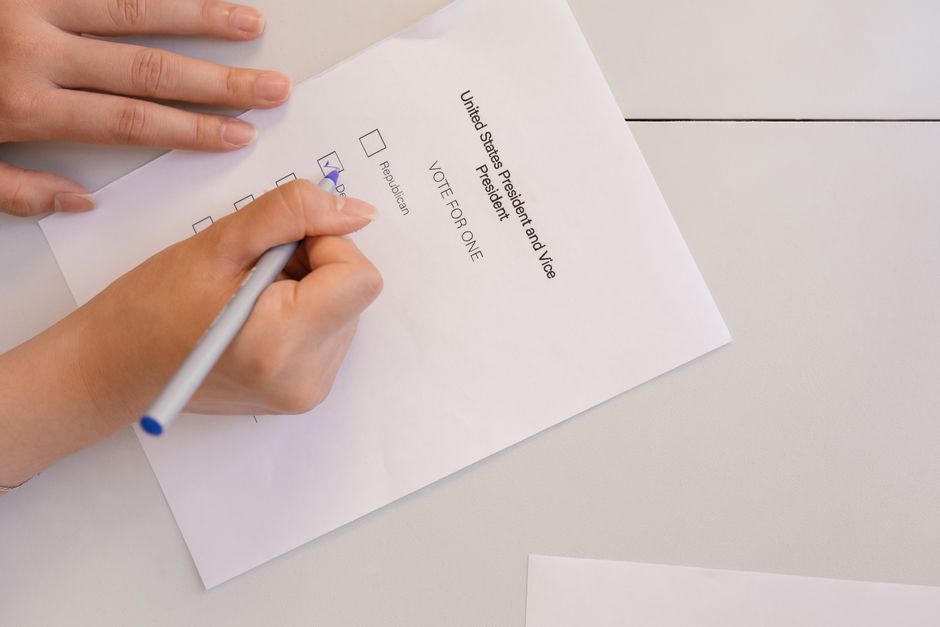
Democrats Launch Bold Push for Voting Rights Expansion, Heralding Potential Shift Since the 1960s
The Democratic Party is undertaking a significant and ambitious initiative aimed at enacting the most substantial expansion of voting rights in the United States since the landmark Civil Rights era of the 1960s. This concerted effort, driven by a coalition of lawmakers, advocacy groups, and grassroots organizations, seeks to rebalance the scales of electoral access and participation, addressing what proponents argue are persistent barriers to the ballot box for millions of Americans. The proposed legislation, primarily centered around the For the People Act and the John Lewis Voting Rights Advancement Act, tackles a multifaceted array of issues, from voter registration and early voting to campaign finance reform and the restoration of preclearance provisions under the Voting Rights Act of 1965. The urgency behind this movement stems from a perceived increase in restrictive voting laws enacted in various states following the 2020 election, which Democrats contend disproportionately impact minority communities and lower-income voters. This legislative push represents a fundamental ideological battle over the nature of American democracy and the extent to which the federal government should intervene to ensure equitable access to voting.
Central to this expansive agenda is the For the People Act, H.R. 1. This comprehensive bill, a cornerstone of the Democratic voting rights strategy, aims to set national standards for elections. Key provisions include automatic voter registration, which would proactively register eligible citizens when they interact with government agencies, thereby reducing the burden of manual registration. It also champions same-day voter registration, allowing individuals to register and cast their ballots on Election Day itself, a measure designed to capture voters who might otherwise miss registration deadlines. The bill mandates at least 15 days of early in-person voting, including at least one weekend day, and establishes a minimum of 10 hours of early voting per day. This aims to provide greater flexibility for voters whose work schedules or other commitments might prevent them from voting on a single Election Day. Furthermore, the For the People Act seeks to expand early voting options, increase the accessibility of mail-in voting, and prohibit partisan gerrymandering by requiring independent redistricting commissions. It also includes provisions to combat voter purges and aims to restore voting rights to formerly incarcerated individuals, a demographic that has historically faced significant barriers to rejoining the electorate. The bill’s supporters argue these measures are crucial to counteracting efforts to suppress voter turnout and to foster a more inclusive democracy.
The John Lewis Voting Rights Advancement Act is another critical piece of the Democratic legislative puzzle, specifically designed to address the rollback of federal oversight in voting rights. The Supreme Court’s 2013 decision in Shelby County v. Holder effectively gutted Section 5 of the Voting Rights Act of 1965, which had required certain states and localities with a history of discrimination to obtain federal preclearance before implementing any changes to their voting laws or procedures. The John Lewis Act seeks to restore this critical oversight mechanism. It would re-establish a new formula to identify jurisdictions requiring federal oversight based on recent voting rights violations, rather than the outdated data used in the original Section 4(b) of the Voting Rights Act. This renewed preclearance requirement would compel states and localities to demonstrate that proposed voting changes do not have the purpose or effect of discriminating based on race or color. Proponents argue that this is essential to prevent a recurrence of the systemic disenfranchisement that the original Voting Rights Act was designed to combat, especially in light of what they perceive as a resurgence of voter suppression tactics across the country.
The impetus for this ambitious legislative push is rooted in a complex interplay of factors. Following the 2020 election, a wave of state-level legislative changes have been enacted or proposed, often framed as measures to ensure election integrity. However, critics, including Democrats and voting rights organizations, argue that many of these laws serve to restrict access to the ballot. Examples include stricter voter ID requirements, limitations on mail-in voting, reductions in early voting periods, and the purging of voter rolls. These measures, it is argued, disproportionately affect minority voters, young people, and low-income individuals who may face greater challenges in meeting stringent requirements or accessing polling places. The Democratic framing of this issue centers on the belief that the right to vote is fundamental to a healthy democracy and that federal action is necessary to protect this right against state-level encroachment. They point to the legacy of voter suppression throughout American history, from Jim Crow laws to contemporary tactics, and assert that the current moment demands a proactive and robust response.
The historical context of this Democratic endeavor cannot be overstated. The Civil Rights Act of 1964 and the Voting Rights Act of 1965 were transformative pieces of legislation that dismantled legal segregation and removed significant barriers to Black enfranchisement. The current Democratic proposals are presented as a modern echo of that struggle, aiming to adapt voting rights protections to the contemporary political landscape. The 1960s saw a federal government actively intervening to ensure the right to vote was exercised, and Democrats are now arguing for a similar level of federal engagement to counter what they see as a regression in electoral access. This historical parallel is frequently invoked to underscore the gravity and potential impact of the proposed legislation, positioning it as a pivotal moment in the ongoing evolution of American democracy and civil rights.
The political landscape surrounding this initiative is highly polarized. The For the People Act has faced staunch opposition from Republicans, who largely argue that election administration should remain a state and local responsibility. Critics contend that the bill represents an overreach of federal power, infringes on states’ rights, and that many of its provisions are unnecessary or even detrimental to election security. Concerns have been raised about potential fraud, the cost of implementing some of the mandated changes, and the impact on election administration. Republicans often emphasize the importance of election integrity and argue that their proposed state-level reforms are necessary to safeguard the electoral process. This ideological divide means that passing such comprehensive legislation faces significant hurdles in a narrowly divided Congress, particularly in the Senate, where legislative filibusters can block even widely supported bills.
The advocacy groups playing a crucial role in this push are diverse and influential. Organizations such as the NAACP, the American Civil Liberties Union (ACLU), Vote.org, and the Brennan Center for Justice have been at the forefront of advocating for voting rights for decades. These groups engage in lobbying, public education campaigns, and litigation to advance their goals. They provide research, mobilize voters, and hold lawmakers accountable. Their sustained efforts have been instrumental in shaping the public discourse around voting rights and in building the coalition necessary to advance the current legislative agenda. The synergy between these advocacy organizations and the Democratic legislative efforts amplifies the impact of both, creating a powerful force for change.
The debate over voting rights is not merely a legal or political one; it is deeply intertwined with issues of social justice and equality. Proponents of the expansive voting rights measures argue that ensuring equitable access to the ballot is fundamental to addressing systemic inequalities. They posit that when certain communities are systematically discouraged or prevented from voting, their voices are diminished, leading to policies that do not adequately address their needs. Conversely, opponents often frame their arguments around maintaining the integrity of elections and preventing fraud, arguing that stringent measures are necessary to ensure public trust in the electoral process. This framing highlights the differing perspectives on what constitutes a fair and secure election and who bears the primary responsibility for ensuring both.
The potential impact of these legislative proposals, if enacted, would be profound. A significant expansion of voting access could lead to increased voter registration and turnout, potentially reshaping electoral outcomes in the long term. It would also represent a significant assertion of federal authority in an area traditionally managed by states. The restoration of federal preclearance under the John Lewis Act could lead to greater scrutiny of voting law changes in states with a history of discrimination, potentially preventing or delaying the implementation of measures deemed restrictive. The passage of these bills would mark a watershed moment in American democracy, signaling a renewed commitment to expanding participation and countering what many see as ongoing efforts to disenfranchise voters. The success or failure of this ambitious push will have lasting implications for the future of electoral politics and the very definition of democratic representation in the United States. The current Democratic initiative stands as a testament to the enduring struggle for voting rights and a bold attempt to redefine its landscape for generations to come.
