
Divided Senate Passes Bidens Pandemic Aid Plan
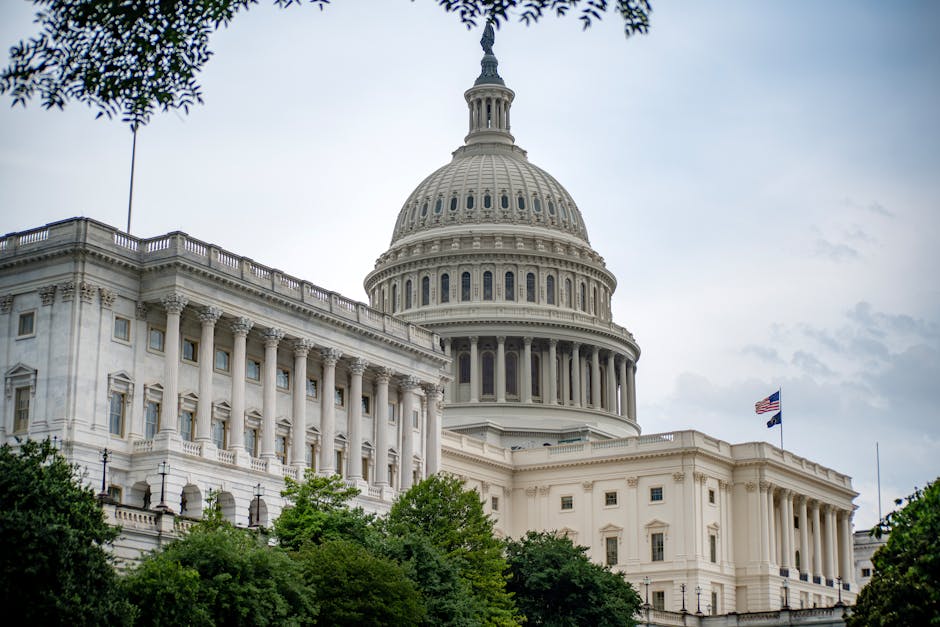
The Divided Senate Passes Biden’s Pandemic Aid Plan
The United States Senate, fractured by partisan division, ultimately passed President Joe Biden’s sweeping $1.9 trillion COVID-19 relief package, commonly referred to as the American Rescue Plan. This legislative battle, marked by intense debate, procedural maneuvers, and a stark ideological divide, saw Democrats pushing through their signature economic stimulus bill without any Republican support. The passage represented a significant early legislative victory for the Biden administration, aimed at bolstering the nation’s recovery from the devastating economic and public health fallout of the COVID-19 pandemic. The bill’s journey through Congress was a testament to the deeply entrenched partisan landscape, highlighting the challenges of bipartisan consensus in a polarized political climate.
The core objectives of the American Rescue Plan were multifaceted, addressing the immediate needs arising from the ongoing pandemic. Foremost among these was the provision of substantial financial assistance to individuals and families struggling with economic hardship. This included direct stimulus checks, a critical component of the plan, designed to put money directly into the hands of consumers to boost spending and alleviate financial distress. The amount and eligibility criteria for these checks were a significant point of contention, with Republicans arguing for lower amounts and stricter income thresholds, while Democrats championed broader and more generous payouts to ensure wider economic impact. This direct cash infusion was intended not only to provide immediate relief but also to stimulate economic activity as people spent the funds on essential goods and services, thereby supporting businesses and preventing further job losses. The economic theory underpinning these direct payments centers on the concept of aggregate demand, where increased consumer spending can lead to higher production and employment levels, a vital mechanism for economic recovery during a downturn.
Beyond individual relief, the plan heavily invested in accelerating the nation’s vaccination efforts and bolstering public health infrastructure. This involved significant funding allocated to procuring vaccines, expanding testing capacity, and supporting the equitable distribution of both. The administration recognized that a swift and widespread vaccination program was paramount to reopening the economy and restoring normalcy. Additional resources were directed towards supporting healthcare providers, particularly those on the front lines, and strengthening the capacity of public health agencies to manage the ongoing crisis and prepare for future health emergencies. This emphasis on public health infrastructure underscored the administration’s view that economic recovery was inextricably linked to public health containment and mitigation strategies. Investment in testing, contact tracing, and vaccine distribution were viewed as essential pillars of this strategy, aiming to break chains of transmission and reduce the overall burden of the virus.
Furthermore, the American Rescue Plan addressed the profound impact the pandemic had on state and local governments, many of which faced severe budget shortfalls due to declining tax revenues and increased demand for essential services. The bill provided billions of dollars in aid to these governmental entities, enabling them to maintain critical services like education, public safety, and infrastructure projects, and crucially, to avoid widespread layoffs of public sector workers. This infusion of federal funding was seen as a vital lifeline for these governments, preventing a cascade of austerity measures that could have further exacerbated the economic downturn. The principle here was to prevent a localized fiscal crisis from metastomping into a broader national economic contraction, recognizing the interconnectedness of different levels of government in a federal system.
The legislative process itself was a protracted and often contentious affair. The bill was initially introduced in the House of Representatives, where it passed largely along party lines. The subsequent journey to the Senate proved to be more challenging, primarily due to the razor-thin majority held by Democrats. The absence of Republican support meant that Democrats had to rely on the reconciliation process, a special legislative procedure that allows certain bills to pass with a simple majority vote, bypassing the usual 60-vote threshold required to overcome a filibuster. This process, however, is limited to fiscal matters and requires the bill to be revenue-neutral or deficit-neutral, or to directly impact federal spending and revenue. The use of reconciliation signaled the administration’s determination to pass its agenda, even without bipartisan consensus.
Within the Senate, the reconciliation process allowed for extensive debate and amendment, particularly concerning the scope and cost of the package. Republican senators offered numerous amendments, seeking to reduce the overall spending, target aid more narrowly, and eliminate provisions they deemed extraneous or overly partisan. These proposed amendments were largely rejected by the Democratic majority, reinforcing the partisan divide. Key areas of contention included the size of the stimulus checks, the extent of unemployment benefits, and the allocation of funds to various sectors. For instance, Republicans argued that the prolonged duration and increased amount of unemployment benefits could disincentivize people from returning to work, a concern that was consistently raised throughout the debate. Democrats, on the other hand, argued that these provisions were essential to provide a safety net for those who had lost their jobs and to prevent a deeper economic recession.
The bill’s passage in the Senate ultimately hinged on a unified Democratic caucus, with all 50 Democratic senators voting in favor, and Vice President Kamala Harris casting the tie-breaking vote. This demonstrated the administration’s ability to maintain party discipline and secure the necessary votes to advance its legislative priorities. The lack of any Republican support, however, underscored the ongoing partisan polarization and the difficulty of achieving bipartisan agreement on major policy initiatives. The debate highlighted fundamental disagreements about the role of government in economic intervention, the appropriate level of fiscal stimulus, and the efficacy of direct cash payments versus targeted aid.
Following its passage in the Senate, the bill returned to the House of Representatives for a final vote on the amended version. This final vote also occurred along strictly partisan lines, with Democrats overwhelmingly supporting the bill and Republicans largely voting against it. The swift passage through both chambers, albeit along partisan lines, represented a significant legislative accomplishment for President Biden in the early days of his administration. The American Rescue Plan was quickly signed into law, initiating the distribution of funds and the implementation of its various provisions.
The economic implications of the American Rescue Plan were, and continue to be, a subject of intense debate and analysis among economists and policymakers. Proponents argued that the substantial fiscal stimulus was necessary to prevent a prolonged economic downturn, stimulate demand, and accelerate job growth. They pointed to the potential for the stimulus checks and enhanced unemployment benefits to provide crucial relief to millions of struggling families and to boost consumer spending. The investment in vaccination and public health was seen as essential to enabling a safe and sustained reopening of the economy. The aid to state and local governments was also viewed as vital to prevent austerity measures that could have hampered recovery.
Conversely, critics raised concerns about the sheer size of the package, arguing that it was excessively large and could lead to overheating of the economy, inflation, and an unsustainable increase in the national debt. The argument was that the amount of stimulus was disproportionate to the immediate needs and that a more targeted approach would have been more efficient and less inflationary. Some also expressed concern that the enhanced unemployment benefits could contribute to labor shortages by discouraging people from seeking employment. The debate over the economic impact of the American Rescue Plan highlights the inherent complexities of fiscal policy and the difficulty of precisely predicting the consequences of large-scale government intervention in the economy.
The passage of the American Rescue Plan, despite its partisan nature, marked a significant moment in the federal government’s response to the COVID-19 pandemic. It represented a bold and comprehensive attempt to address the multifaceted challenges posed by the crisis, from individual economic hardship and public health imperatives to the fiscal stability of state and local governments. The legislative battle over the bill offered a clear illustration of the deep partisan divides that characterize contemporary American politics, and the challenges inherent in forging consensus on major policy issues. The long-term economic and social consequences of this substantial legislative intervention will continue to be assessed and debated for years to come, shaping the trajectory of the nation’s recovery.
