ENVO Drive Systems Unveils Modular Utility Personal Transporter Platform for Versatile Electric Mobility Solutions

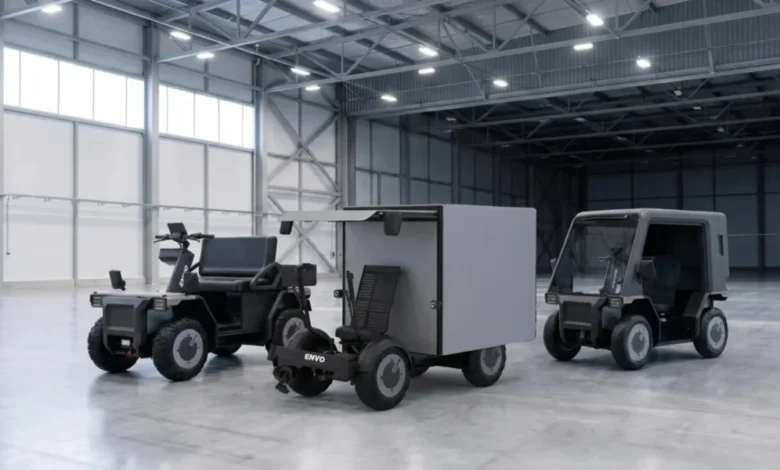
In an era where the demand for specialized electric vehicles is surging across diverse sectors, Canadian mobility innovator ENVO Drive Systems has introduced a potentially transformative solution to the light electric vehicle (LEV) market. The company recently pulled the curtain back on its Utility Personal Transporter (UPT), a modular electric vehicle platform designed to serve as a singular, adaptable foundation for a vast array of transportation needs. By utilizing a "skateboard" chassis architecture, ENVO aims to provide a vehicle that can evolve alongside the user’s requirements, transitioning from a recreational transport to a heavy-duty industrial tool through a series of interchangeable components and configurations.
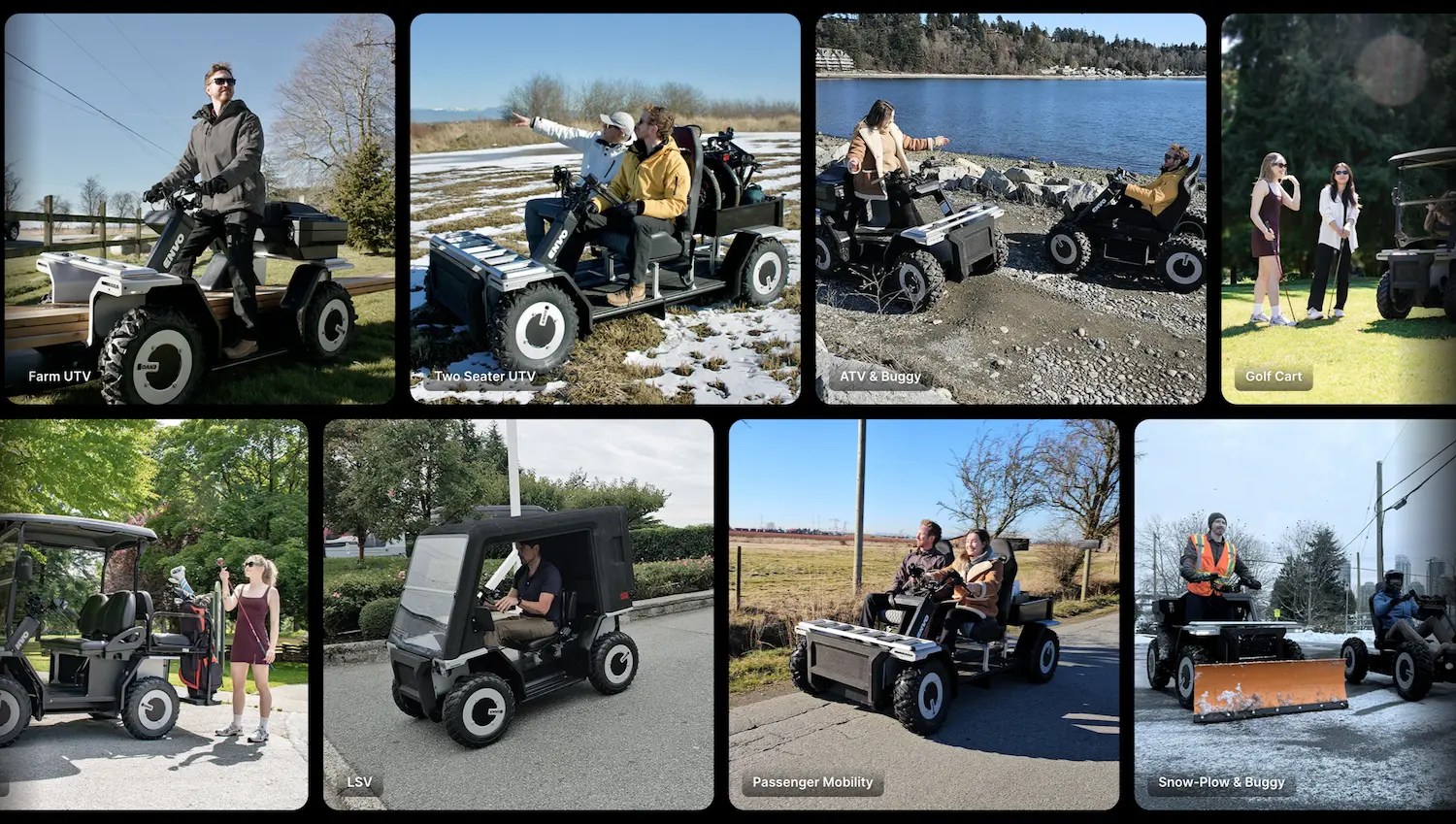
The UPT represents a strategic departure from the traditional manufacturing model, which typically dictates that a specific chassis be engineered for a singular purpose. Instead, the UPT offers a common structural and electronic base that can be transformed into as many as 18 distinct vehicle types. This versatility is achieved through a comprehensive ecosystem of optional accessories, drivetrain upgrades, and structural modifications, allowing the platform to function as a low-speed vehicle (LSV), a golf cart, a cargo hauler, a utility ATV, or a specialized industrial transport.

The Engineering Philosophy: Modularity and Scalability
At the heart of the UPT is a design philosophy that ENVO leadership compares to building with LEGO bricks or assembling IKEA furniture. The core concept relies on a standardized, mass-produced chassis that houses the essential components of the electric vehicle—the battery, motor controller, and primary structural frame. By focusing production on this universal "skateboard," ENVO can achieve economies of scale that are typically unavailable to manufacturers of niche, low-volume electric vehicles.
According to Ali Kazemkhani, the founder of ENVO Drive Systems, the UPT was born out of a need to rethink the lifecycle and utility of light electric mobility. "Most manufacturers sell one vehicle for one job," Kazemkhani stated during the product unveiling. "With UPT, we build one platform that users can tailor into the perfect vehicle for what they need today and adapt for what they may need tomorrow." This approach addresses a significant pain point in the EV industry: the high cost of specialized machinery. By decoupling the vehicle’s primary function from its underlying hardware, ENVO seeks to lower the barrier to entry for businesses and individuals who require custom transport solutions but lack the budget for bespoke engineering.
Technical Specifications and Configuration Capabilities
The UPT is not merely a frame; it is a sophisticated technological platform equipped with features often reserved for full-sized passenger EVs. Depending on the configuration chosen via ENVO’s proprietary online 3D configurator, the UPT can be outfitted with a range of high-performance specifications designed for both rugged environments and urban settings.
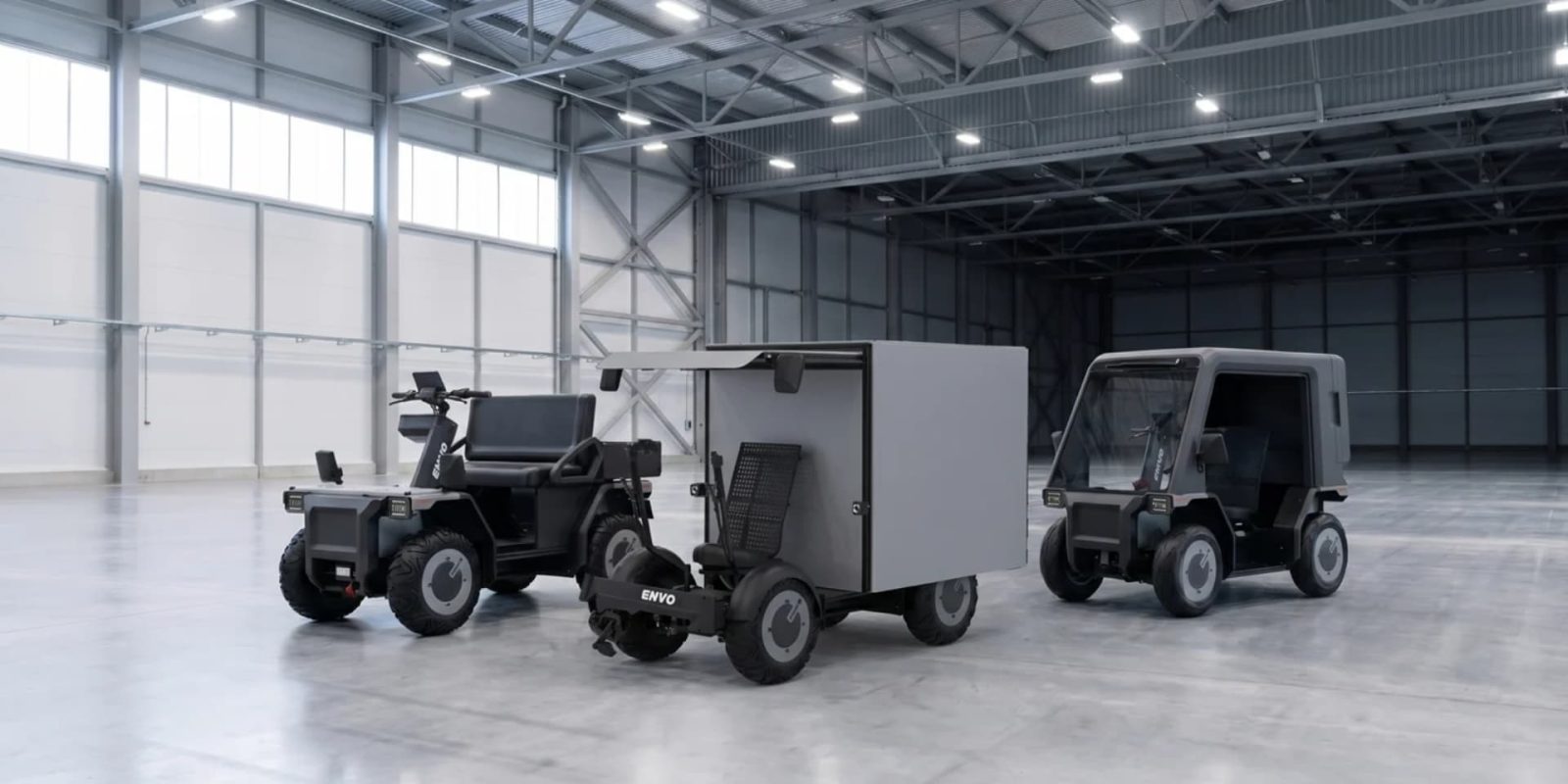
Key technical features available on the platform include:
- Modular Battery Packs: Users can scale energy storage based on their range requirements, choosing from multiple battery capacities.
- Drivetrain Versatility: The platform supports both rear-wheel drive and all-wheel drive (4WD) configurations, with individual wheel traction control to manage difficult terrain.
- Advanced Software Integration: The vehicle is designed for the modern era, featuring over-the-air (OTA) software updates, smartphone integration for diagnostics and navigation, and a dedicated "crawl mode" for precision maneuvering in industrial or off-road applications.
- Environmental Protection: Critical components are IP67-rated, ensuring the vehicle remains operational in wet, dusty, or otherwise harsh environmental conditions.
- Solar Readiness: The electrical architecture is pre-configured to accept solar charging inputs, an essential feature for remote agricultural or construction sites where traditional charging infrastructure may be absent.
- Future-Proofing: ENVO has indicated that the UPT is prepared for future remote-control or robotic operation, positioning it as a viable candidate for autonomous last-mile delivery or automated warehouse logistics.
Chronology of Development and Market Entry
The unveiling of the UPT is the culmination of a four-year intensive research and development cycle. ENVO, which has previously gained recognition for its electric "ebikes" and snow-mobility solutions, recognized a gap in the market for "middle-ground" utility vehicles—those that sit between a heavy e-bike and a full-sized electric truck.
The development timeline for the UPT reflects a cautious but steady progression toward commercial viability:

- 2020–2021: Conceptualization and initial engineering of the modular skateboard chassis.
- 2022–2023: Prototype testing in various environments, including snow, sand, and industrial warehouses, to ensure the structural integrity of the modular connections.
- Early 2024: Finalization of the 3D configurator and supply chain logistics for mass production.
- Late 2024: Official launch of pre-orders and public debut of the platform.
- Late Fall 2025: Commencement of primary production runs.
- Early 2027: Expected date for the first customer deliveries, following rigorous safety certifications for various regional markets.
Economic Impact and Targeted Industry Applications
The pricing strategy for the UPT is positioned to disrupt the current utility vehicle market. With expected price points ranging from US$8,000 to US$12,000, the UPT competes directly with high-end golf carts and traditional internal combustion engine (ICE) ATVs. However, the value proposition lies in its multi-generational utility. A farm that purchases a UPT for hauling feed during a construction phase can later reconfigure the same vehicle into a passenger transport for a resort or a security patrol vehicle for a campus.
The company has identified several key sectors where the UPT is expected to have an immediate impact:
- Agriculture and Farming: For tasks requiring a rugged, quiet, and emission-free vehicle that can navigate narrow rows and haul significant payloads.
- Municipal and Campus Fleets: Providing universities, hospitals, and city maintenance departments with a versatile tool that can switch between landscaping duties and passenger shuttling.
- Industrial and Warehousing: Serving as a platform for mobile workstations or internal transport in large-scale logistics hubs.
- Hospitality and Tourism: Offering resorts a customizable fleet of guest shuttles that can be rebranded or reconfigured based on seasonal needs.
- Last-Mile Delivery: Acting as a base for specialized delivery pods that can navigate urban centers where full-sized vans are restricted.
Industry Analysis: The Shift Toward Modular Mobility
The introduction of the UPT coincides with a broader trend in the automotive and mobility industries toward modularity. Companies like Rivian and Canoo have popularized the "skateboard" concept for consumer cars and delivery vans, but ENVO is among the first to successfully apply this logic to the micro-mobility and light utility sector.
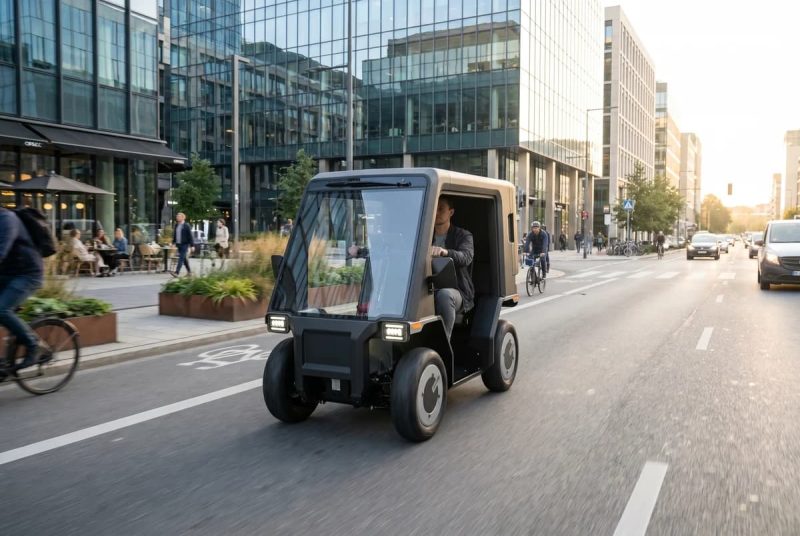
Industry analysts suggest that the success of the UPT will depend on three critical factors: the durability of the modular interfaces, the ease of reconfiguration, and the robustness of the after-market support for new modules. If the process of swapping a cargo bed for a passenger seat is too cumbersome, the modularity becomes a theoretical benefit rather than a practical one. However, if ENVO succeeds in making the transition seamless, it could fundamentally change how fleet managers approach capital expenditures. Instead of selling a fleet of specialized vehicles every five to seven years, they may simply purchase upgrade kits to modernize their existing UPT fleet.
Furthermore, the UPT addresses the "right-to-repair" and sustainability movements. By creating a vehicle where parts are easily accessible and the primary chassis is designed for a long service life, ENVO is promoting a circular economy model. This stands in stark contrast to the "planned obsolescence" often found in cheaper, imported electric scooters and carts that are frequently discarded when a single proprietary component fails.
Statements and Anticipated Market Reaction
While formal reviews from independent industry bodies are pending the start of production, early reactions from the tech and mobility sectors have been largely positive. Engineering experts have noted that the UPT’s ability to offer 4WD and sophisticated traction control in a small-form factor is a significant technical achievement.

"The light electric vehicle market has long been bifurcated between low-quality recreational toys and prohibitively expensive industrial machines," says one industry consultant specializing in electric fleet transitions. "The UPT appears to be carving out a third category: professional-grade, adaptable hardware that treats the vehicle as a platform rather than a static product. This is exactly what municipal and industrial buyers have been asking for."
As pre-orders open, ENVO is expected to focus its initial marketing efforts on the North American market, particularly in regions with strong incentives for electric transition in agriculture and small-business operations. The company’s move to allow buyers to build their vehicles via a 3D configurator also signals a shift toward a direct-to-consumer and direct-to-business sales model, bypassing traditional dealership markups that often inflate the price of specialized equipment.
Looking Ahead to 2027
As ENVO Drive Systems moves toward the production phase in late 2026, the industry will be watching closely to see if the ambitious 2027 delivery timeline is met. The complexity of managing a supply chain for a vehicle with thousands of possible configurations is substantial. However, if ENVO can deliver on its promise of a high-quality, "Lego-like" electric vehicle, the UPT could serve as the blueprint for the next generation of light electric transport.
In conclusion, the ENVO Utility Personal Transporter represents more than just a new vehicle; it is a proposal for a more sustainable, flexible, and cost-effective way to think about mobility. By prioritizing modularity and user-defined utility, ENVO is challenging the status quo of the EV industry and offering a glimpse into a future where one vehicle truly can do it all.