
Global Markets Trading Day Graphic Pix
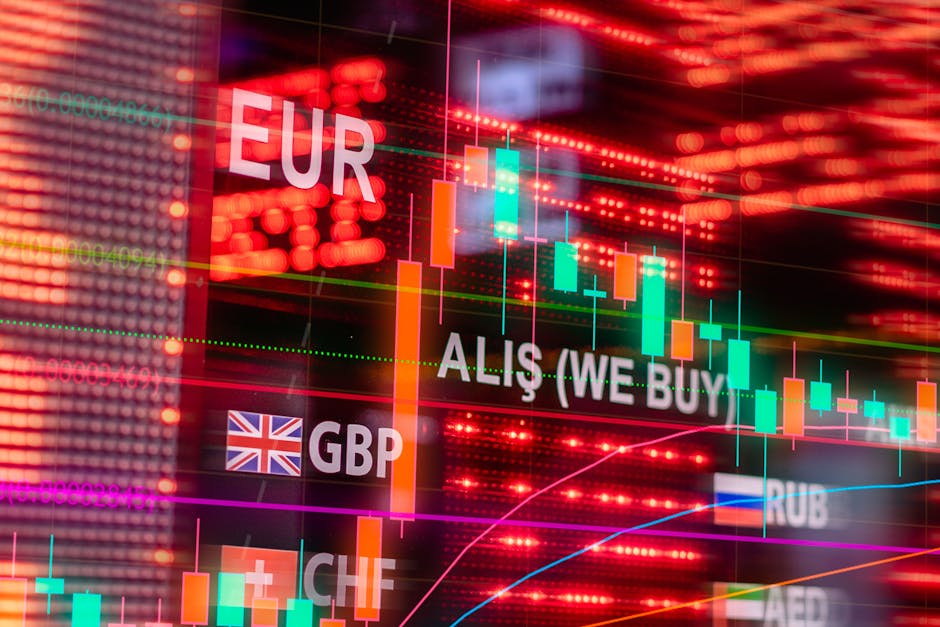
Global Markets Trading Day Graphic Pix: Visualizing the Pulse of World Finance
Global markets trading day graphic pix are indispensable tools for traders, investors, analysts, and anyone seeking to comprehend the intricate flow of international finance. These visuals offer a dynamic, real-time, or historical representation of trading activity across major financial centers, providing a snapshot of market sentiment, liquidity, and price movements. The essence of these graphics lies in their ability to distill complex data into easily digestible visual formats, enabling faster decision-making and more informed strategies. From the opening bell in Tokyo to the closing auction in New York, these graphic pix map the interconnectedness of global economies and their impact on asset prices. Understanding the nuances of these visuals is paramount for navigating the ever-shifting landscape of financial markets.
The structure of a global trading day is inherently geographical. It begins in Asia, primarily with the Tokyo Stock Exchange (TSE) and Shanghai Stock Exchange (SSE), opening first due to the International Date Line. As the Asian session winds down, European markets, spearheaded by London (LSE), Frankfurt (Xetra), and Paris (Euronext), commence their trading. This creates an overlapping period where Asian and European markets are both active, offering significant liquidity and potential for arbitrage. Subsequently, as Europe closes, North American markets, notably the New York Stock Exchange (NYSE) and Nasdaq, take center stage. The graphic pix effectively depict this sequential and overlapping nature, illustrating which markets are open and contributing to price discovery at any given moment. This understanding is crucial for identifying periods of high volatility and increased trading volume, often associated with significant economic data releases or geopolitical events that transcend regional boundaries.
Visualizing the trading day often involves a timeline graphic. This could be a horizontal or vertical representation of a 24-hour period, segmented into the operating hours of major global exchanges. Color-coding is a common and effective technique. Green might denote periods of active trading or positive market sentiment, while red signifies downturns or lower liquidity. Different shades or patterns can represent specific exchanges or asset classes. For instance, a graphic might show a bold green bar for NYSE trading hours, a lighter green for European trading, and a muted orange for Asian markets. Interspersed within this timeline are often markers for significant economic data releases, such as inflation figures, interest rate decisions, or employment reports, from key economies like the US, Eurozone, or China. These markers act as crucial reference points, highlighting potential catalysts for market movements and helping users to correlate price action with fundamental news. The graphic pix effectively transform a static timeline into a dynamic indicator of market activity and its underlying drivers.
Beyond simple timelines, more sophisticated graphic pix delve into real-time price action and intermarket correlations. These might take the form of interactive charts overlaying major currency pairs, commodity prices, or stock indices against the backdrop of the global trading day. For example, a trader might observe the USD/JPY currency pair during the Tokyo session, then witness its correlation with European indices as the Frankfurt and London markets open, and finally see its reaction to US economic data as New York comes online. These visualizations help to illustrate how events in one market can ripple through others, creating opportunities or risks for investors holding diversified portfolios. The graphic pix essentially provide a visual narrative of global economic interdependence.
Heatmaps are another powerful type of graphic pix used to represent global market activity. In this context, a heatmap might display a grid where rows represent different asset classes (e.g., equities, bonds, forex, commodities) and columns represent different geographical regions or time zones. The color intensity of each cell indicates the level of trading volume or price change for that asset class in that region/time. A dark red cell, for instance, could signify a sharp price decline in Asian equities, while a bright green cell might indicate robust trading activity in European bonds. Heatmaps offer a quick, high-level overview of where the most significant market movements are occurring at any given time, allowing users to swiftly identify areas of interest or concern. They are particularly useful for recognizing emerging trends and understanding sector-specific or region-specific strengths and weaknesses.
Intermarket analysis is a core concept that global markets trading day graphic pix aim to illuminate. This involves studying the relationships between different asset classes and markets to anticipate future price movements. For instance, a graphic might show how rising oil prices (a commodity) tend to coincide with increased inflation expectations (affecting bond yields) and potentially impact consumer discretionary stocks (equities) during specific trading sessions. By visually connecting these seemingly disparate markets across the global trading day, analysts can gain deeper insights. For example, a graphic could illustrate that during the European trading session, a strong Euro (forex) is often accompanied by a rise in German DAX (equities) and a decline in US Treasury yields (bonds). These interdependencies are not static and can shift based on economic conditions, monetary policy, and geopolitical events, making dynamic graphic representations crucial for staying abreast of these evolving relationships.
The visual representation of liquidity is also a critical function of these graphic pix. Liquidity refers to the ease with which an asset can be bought or sold without significantly impacting its price. During active trading hours in major financial centers, liquidity is typically high, leading to tighter bid-ask spreads and smoother price movements. Conversely, during off-hours or in less active markets, liquidity can dry up, leading to wider spreads and increased price volatility. Graphic pix can illustrate this by showing periods of dense trading activity and tight price ranges during peak hours and sparser activity with wider price fluctuations during less active times. This is particularly relevant for traders executing large orders, as understanding liquidity can help them avoid significant price slippage. For example, a graphic showing a shallow depth of market during the late hours of the US session might warn a trader against placing a large buy order on a particular stock.
Technical indicators are frequently incorporated into these graphic representations to provide deeper analytical context. Moving averages, Bollinger Bands, Relative Strength Index (RSI), and MACD can be superimposed onto price charts within the context of the global trading day. This allows traders to identify potential buy and sell signals that are not only based on price action but also on the timing within the broader global market structure. For instance, a bullish crossover of moving averages on the S&P 500 might be particularly significant if it occurs during the overlap between European and North American trading, a period of heightened liquidity and potential for trend confirmation. The graphic pix thus become sophisticated analytical tools, blending fundamental market timing with technical charting.
The evolution of technology has dramatically enhanced the sophistication and accessibility of global markets trading day graphic pix. Advanced charting platforms, real-time data feeds, and sophisticated visualization software now allow for dynamic, interactive, and highly customizable graphics. Users can often filter by asset class, geographical region, specific timeframes, and even drill down into individual stock or currency performance within the broader global context. Cloud-based solutions have made these powerful visualization tools accessible from virtually any device, enabling traders to stay connected to global market movements irrespective of their location. The trend is towards increasingly personalized and intelligent visualizations that can proactively alert users to significant market events or patterns relevant to their specific trading strategies.
For individual investors, understanding these graphic pix can demystify the complexities of global markets. It helps to contextualize the performance of their international holdings within the broader economic landscape. For example, seeing the Japanese Yen weaken during the European trading session might explain a decline in the value of their Japanese equity investments, even if the underlying companies are performing well. This contextual awareness can prevent emotional decision-making driven by isolated news events and foster a more strategic, long-term approach to investing. The graphic pix serve as an educational bridge, making global finance more approachable.
Institutional investors and fund managers rely heavily on these visualizations for portfolio management, risk assessment, and tactical asset allocation. They use them to monitor global market sentiment, identify opportunities for diversification, and hedge against currency or regional risks. For instance, a fund manager might observe a graphic showing a sustained increase in commodity prices across all major trading sessions, prompting them to consider increasing their allocation to commodity-linked assets or commodity-producing equities. The ability to quickly assess the global market environment and its likely impact on various asset classes is critical for optimizing portfolio performance and managing risk effectively.
The regulatory environment also plays a role in shaping market activity, and graphic pix can indirectly reflect this. For example, a graphic might show reduced trading volumes or increased volatility around major economic policy announcements or central bank meetings. Understanding these patterns can help traders anticipate potential shifts in market behavior driven by regulatory changes or interventions. The graphic pix thus become a conduit for observing the real-world impact of policy decisions on financial markets, providing valuable insights for both short-term trading and long-term strategic planning.
In conclusion, global markets trading day graphic pix are more than just pretty pictures; they are vital navigational charts for the complex world of international finance. They provide a visual language that translates vast amounts of data into actionable insights, enabling a deeper understanding of market dynamics, interdependencies, and opportunities. As financial markets continue to become more interconnected and globalized, the importance and sophistication of these visual tools will only continue to grow, making them an indispensable component of any serious market participant’s toolkit. Their ability to synthesize sequential and overlapping trading sessions, illustrate price action, depict liquidity, and integrate technical indicators makes them a powerful instrument for informed decision-making in the 24/7 global economy.
