
Gold Retreats Near Four Week Peak Dollar Ticks Up
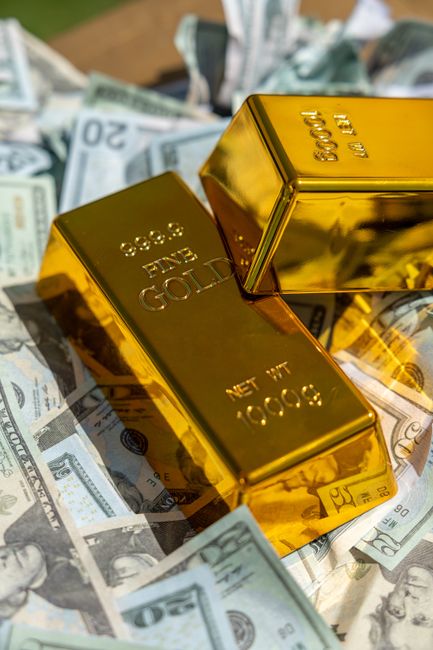
Gold Retreats Near Four-Week Peak as Dollar Ticks Up
Gold prices are experiencing a moderate pullback, hovering near four-week highs, as the U.S. dollar shows a renewed upward trajectory. This inverse relationship between the dollar and gold is a well-established market dynamic. A stronger dollar generally makes dollar-denominated assets like gold more expensive for holders of other currencies, thereby dampening demand. Conversely, a weaker dollar typically boosts gold’s appeal as an inflation hedge and a store of value, leading to higher prices. The recent uptick in the dollar index (DXY), which measures the greenback’s performance against a basket of six major currencies, is therefore a significant headwind for gold. Investors are closely monitoring key economic indicators and central bank pronouncements for signals that might influence either the dollar’s strength or gold’s inherent appeal. The Federal Reserve’s monetary policy stance, in particular, remains a pivotal factor. Any indication of a more hawkish approach, signaling continued interest rate hikes or a prolonged period of restrictive policy, could further bolster the dollar and pressure gold. Conversely, signals of a dovish pivot or an easing of monetary policy might weaken the dollar and provide a tailwind for the precious metal. Geopolitical uncertainties and global economic instability also play a crucial role in gold’s price action. In times of heightened risk, gold’s safe-haven status often attracts significant investor inflows, pushing prices higher irrespective of dollar strength. However, currently, the dollar’s resurgence appears to be overshadowing these safe-haven considerations, leading to the observed retreat in gold prices from their recent peaks. The market is in a delicate balance, with investors weighing the impact of a firmer dollar against the persistent underlying drivers of gold demand.
The U.S. dollar’s recent ascent can be attributed to a confluence of factors, including a more robust-than-anticipated U.S. economic performance and a hawkish sentiment emanating from the Federal Reserve. Recent economic data, such as strong employment figures and resilient consumer spending, have bolstered confidence in the American economy. This relative strength, compared to other major economies, naturally attracts capital, driving up demand for the dollar. Furthermore, the Federal Reserve has maintained a relatively hawkish stance, emphasizing its commitment to combating inflation through higher interest rates. While the pace of rate hikes may have slowed, the prospect of rates remaining elevated for an extended period continues to support the dollar. This environment is particularly challenging for gold investors, as the opportunity cost of holding a non-yielding asset like gold increases when interest-bearing assets denominated in a strengthening currency offer higher returns. The correlation between the dollar and gold is not always perfect, but it is a dominant force. When the dollar strengthens significantly, it can create a drag on gold prices, as investors reallocate capital towards dollar-denominated assets or simply find gold to be more expensive in their local currency. This dynamic is currently at play, with the dollar’s upward tick acting as a primary catalyst for the observed retreat in gold prices. The market will be keenly watching for any shifts in economic data or central bank rhetoric that could alter this trajectory.
Despite the upward pressure from a stronger dollar, gold is not entirely without support. Underlying factors such as persistent inflation concerns, ongoing geopolitical tensions, and a degree of economic uncertainty in other major economies continue to provide a baseline level of demand for the precious metal. While inflation may have moderated from its peak in many regions, it remains a concern for many investors who view gold as a reliable hedge against the erosion of purchasing power. Central banks globally are still navigating the complex task of managing inflation without triggering a severe economic downturn. This balancing act creates an environment where the possibility of unexpected inflationary pressures remains a significant consideration. Geopolitically, the global landscape remains volatile. Conflicts, trade disputes, and political instability in various regions can trigger safe-haven demand for gold as investors seek to preserve capital. These events, even if they do not directly impact the U.S. economy, contribute to a global backdrop of risk that can support gold prices. Moreover, while the U.S. economy shows resilience, other major economies are facing different challenges, including slower growth, high energy prices, and social unrest. This divergence in economic performance can also indirectly support gold by increasing its appeal as a global safe haven. Therefore, while the dollar’s strength is currently a dominant narrative, these fundamental drivers of gold demand are still present and could reassert themselves should the dollar’s upward momentum falter or if geopolitical risks escalate.
The performance of gold is also heavily influenced by interest rate expectations. The Federal Reserve’s monetary policy is a key determinant of these expectations. When the market anticipates further interest rate hikes or a prolonged period of high rates, it typically leads to a stronger dollar and increased yields on U.S. Treasury bonds, making gold less attractive. Conversely, if the market begins to price in a pause in rate hikes or potential rate cuts, this can weaken the dollar and reduce the attractiveness of fixed-income investments, thereby providing support for gold. The current market sentiment appears to be leaning towards the former, with the Fed maintaining a cautious but firm stance on its inflation-fighting mandate. This has contributed to the dollar’s strength and the subsequent pullback in gold prices. Investors are dissecting every statement and economic release from the Fed for clues about its future policy path. The Minutes of the Federal Open Market Committee (FOMC) meetings are particularly scrutinized for any hints of a shift in policy. Similarly, the U.S. Treasury market, specifically the yields on short-term and long-term bonds, serves as a barometer for interest rate expectations and provides valuable insight into the factors influencing gold’s appeal. A rising yield curve, especially at the short end, often signals a tightening monetary environment, which is generally bearish for gold.
The technical picture for gold also warrants attention. Gold prices recently tested and approached a four-week peak, indicating a period of positive momentum before the current retreat. This near-term upward movement suggests that there was underlying buying interest in the precious metal. However, the subsequent reaction to the dollar’s uptick highlights the sensitivity of gold to currency movements. Key resistance and support levels are closely watched by traders and analysts. A break above significant resistance levels could signal further upside potential, while a fall below key support levels might indicate a more sustained downtrend. The volume of trading during these price movements provides an indication of the conviction behind the trends. High volume on an upward move can confirm bullish sentiment, while high volume on a downward move can suggest strong selling pressure. Chart patterns, such as moving averages and trendlines, are also employed to identify potential turning points and gauge the direction of the market. The current environment presents a tug-of-war between the bullish sentiment that briefly propelled gold higher and the bearish pressure exerted by the strengthening dollar.
The impact of inflation on gold demand remains a critical consideration. While the headline inflation rates have shown signs of moderation in many developed economies, core inflation, which excludes volatile food and energy prices, has proven to be more persistent. This stickiness of core inflation continues to fuel concerns about the long-term erosion of purchasing power, making gold an attractive hedge. Central banks are increasingly focused on bringing inflation down to their target levels, and their strategies to achieve this are closely monitored by gold market participants. If inflation proves to be more stubborn than anticipated, it could force central banks to maintain higher interest rates for longer, or even implement further tightening measures. This scenario would likely weigh on gold prices due to the increased opportunity cost. Conversely, if inflation continues to decline more rapidly than expected, it could prompt central banks to consider easing monetary policy sooner, which would be supportive of gold. The ongoing debate about the persistence of inflation and the effectiveness of central bank policies is therefore a significant factor influencing investor sentiment towards gold.
Global economic growth prospects also play a role in gold’s demand. A slowing global economy can increase uncertainty and prompt investors to seek safe-haven assets like gold. Conversely, robust global growth typically leads to higher risk appetite and can reduce demand for gold. Currently, there are mixed signals regarding global economic growth. While the U.S. economy is showing resilience, other regions are facing headwinds from high energy prices, supply chain disruptions, and geopolitical instability. The International Monetary Fund (IMF) and other economic bodies regularly revise their global growth forecasts, and these adjustments can influence investor sentiment towards gold. A downgrade in global growth forecasts often provides a supportive backdrop for gold, as it signals an increased likelihood of economic uncertainty and a greater need for safe-haven assets. The interplay between U.S. economic performance and the broader global economic picture creates a complex environment for gold, where both domestic and international factors must be considered.
The performance of other commodities can also indirectly influence gold prices. For instance, a sharp rise in oil prices can contribute to inflation concerns, which, as discussed, can be supportive of gold. Conversely, a significant decline in the prices of other industrial metals might signal a broader economic slowdown, which could also impact gold. The interconnectedness of commodity markets means that movements in one can have ripple effects across others, and gold is not immune to these broader trends. Investors often look at the overall commodity complex for insights into global economic health and inflationary pressures, which in turn can inform their decisions regarding gold allocation.
Looking ahead, the trajectory of gold prices will likely remain heavily influenced by the interplay between the U.S. dollar, interest rate expectations, inflation dynamics, and geopolitical developments. The dollar’s current strength presents an immediate headwind, but the underlying drivers of gold demand, such as inflation hedging and safe-haven appeal, are still potent. Investors are advised to monitor key economic data releases, central bank communications, and geopolitical events closely to navigate this evolving market landscape. The recent retreat near four-week highs, as the dollar ticks up, is a clear illustration of the prevailing market forces. However, the potential for a shift in these dynamics, driven by unforeseen economic or geopolitical events, means that gold’s price action remains subject to considerable volatility. The market is in a constant state of recalibration, with investors weighing the immediate impact of dollar strength against the longer-term fundamentals that underpin gold’s appeal as a valuable asset.
