How Green Browsers Are Turning Everyday Internet Use Into Measurable Environmental Action

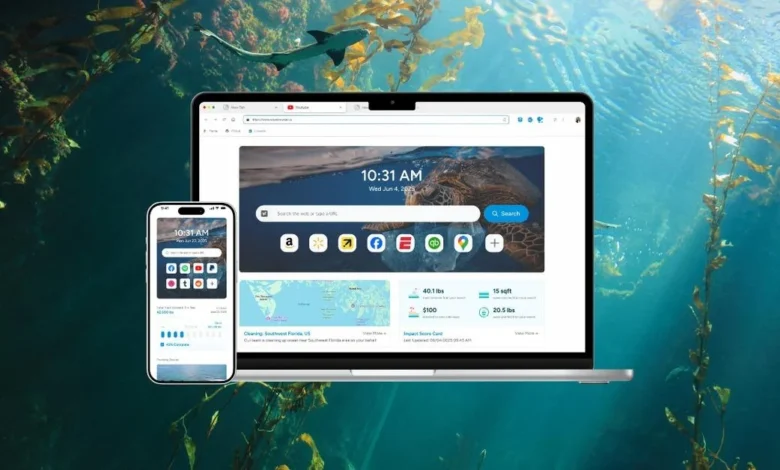
In the modern era, sustainability has expanded far beyond traditional eco-friendly habits like recycling, reducing single-use plastics, and conserving household energy. As society becomes increasingly digitized, consumers and tech developers alike are looking closely at the environmental footprint of everyday digital activities. While household smart devices, energy monitors, and green transit alternatives have become commonplace, the concept of sustainable technology is now permeating the digital sphere. Enter the "green browser"—a specialized web browser designed to integrate everyday internet navigation with tangible environmental initiatives. Among the platforms leading this charge is Wave Browser, an eco-friendly web browser that has captured significant user adoption by tying routine web searches and browsing habits to global ocean cleanup operations.
The integration of environmentalism into software design represents a subtle yet profound shift in how consumers approach sustainability. Rather than requiring individuals to adopt entirely new, cumbersome routines, green digital tools operate seamlessly in the background of activities people already perform daily. By leveraging open-source technology and redirecting a portion of corporate revenue toward certified ecological projects, platforms like Wave Browser aim to bridge the gap between digital consumption and environmental restoration.
Understanding the Mechanics of Wave Browser
At its core, Wave Browser is a feature-rich, Chromium-based web browser available for download across major operating systems, including Windows, macOS, Android, and iOS. Because it is built on the Chromium open-source framework—the same foundational technology powering several of the world’s most widely used browsers—it delivers high compatibility with modern websites, extensions, and web applications. This technological foundation ensures that users do not have to sacrifice performance, speed, or site compatibility in the name of sustainability.
However, what sets Wave Browser apart from conventional web-surfing tools is its certified partnership with 4ocean, a globally recognized organization dedicated to removing plastic and trash from oceans, rivers, and coastlines. Through this partnership, a portion of the browser’s revenue is directly funneled into 4ocean’s global cleanup initiatives. These operations deploy professional crews, specialized vessels, and heavy-duty equipment to polluted waterways and shorelines, primarily targeting high-impact areas such as Indonesia, the Dominican Republic, Florida, and Guatemala.
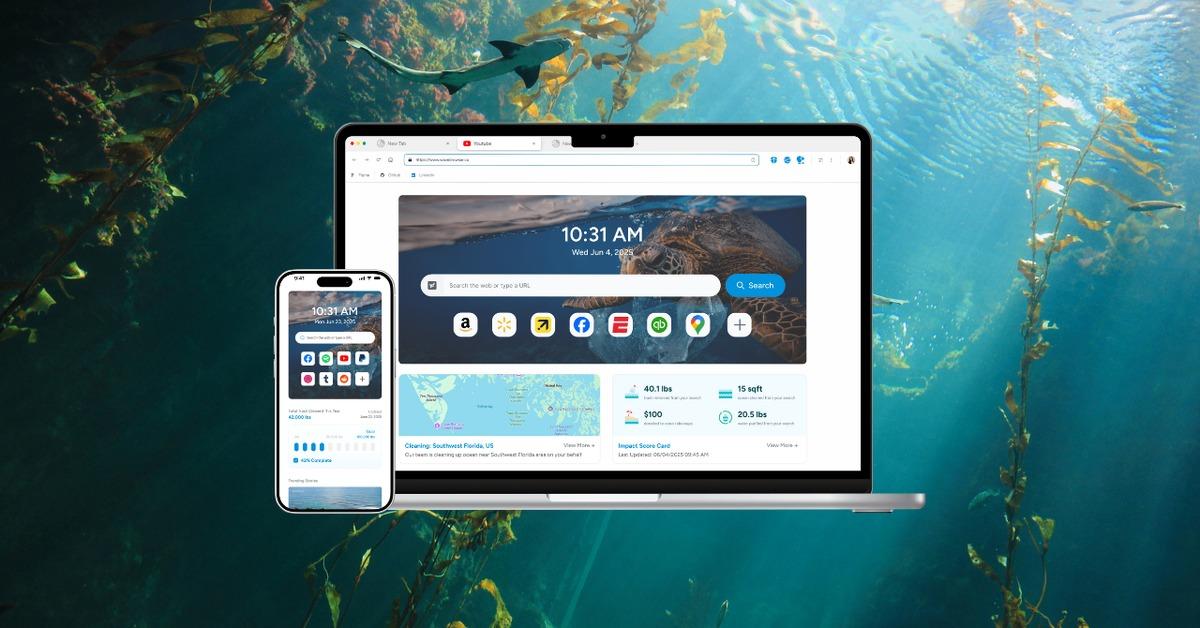
The company has established a formal commitment to help fund the removal of 300,000 pounds of marine debris by 2028, operating under an ambitious target of clearing 100,000 pounds annually. To ensure accountability and maintain public trust, the platform utilizes a Live Impact Tracker embedded directly into the browser’s homepage. This tracker provides real-time, transparent updates on the cumulative weight of plastic and trash removed, allowing users to verify the ongoing results of their digital participation. As of late September 2026, official metrics reported that the initiative had successfully delivered 133,402 pounds of waste removal toward its ultimate three-hundred-thousand-pound goal.
The Journey of Recovered Marine Debris
The environmental impact of these cleanup operations does not end simply when trash is hauled out of the water. Once 4ocean crews complete a physical retrieval operation, the collected materials undergo a rigorous, multi-stage processing lifecycle designed to maximize resource recovery and prevent waste from returning to the environment.
The first step in this post-collection process is sorting. Crews carefully separate the recovered materials by type, polymer grade, and color. Following this manual and mechanical separation, materials deemed suitable for processing are fed into industrial shredders, breaking them down into uniform, manageable pieces.
Next, the shredded plastics and debris move through specialized wash tanks. This phase utilizes flotation and sinking separation techniques to clean the plastic thoroughly, washing away stubborn organic residue, sand, and chemical pollutants. Once thoroughly cleansed, the material is dried and prepared for downstream recycling and reuse. Depending on its quality and condition, the processed material can be repurposed into new consumer goods, durable goods, or specialized products, effectively closing the loop on items that would otherwise have spent centuries fragmenting into microplastics in the marine ecosystem.
Balancing Ecological Mission With Robust Everyday Features
Industry analysts note that an environmental mission alone is rarely enough to sustain a software product’s long-term market viability. To win over everyday consumers, an alternative web browser must compete effectively on performance, security, productivity, and organizational utility. Wave Browser addresses this requirement by packing a comprehensive suite of modern productivity and security features into its platform.
Organization and Navigation Tools
For users who manage dozens of open tabs and frequent a vast array of websites, Wave Browser offers advanced organizational utilities. Bookmarks allow for instant access to favored sites, while a detailed browsing history logs past sessions for easy retracing. Furthermore, integrated reading lists enable users to save lengthy news articles or blog posts for offline or later reading, keeping the primary workspace uncluttered.
Security and Privacy Controls
Privacy remains a paramount concern for modern internet users. Wave Browser addresses this by incorporating granular privacy controls that give individuals precise management over cookies, third-party site permissions, and tracking data. Additionally, an Incognito Mode provides a private browsing session that wipes local history, cache, and cookies upon closing. Built-in ad and tracker blocking tools further enhance the user experience by mitigating intrusive advertisements and safeguarding against unwanted digital trackers on supported platforms.
Performance Optimization and Multitasking
Resource management is another critical battleground for browser developers. Wave Browser features Memory Saver and Energy Saver utilities that optimize hardware resource consumption. By automatically placing background tabs into a dormant state, the browser frees up vital RAM and significantly reduces battery drain on portable laptops.
For multitasking professionals and students, the platform includes a Side-by-Side screen layout, allowing users to snap two distinct web pages into a single window for seamless research, comparison shopping, or note-taking. A Picture-in-Picture mode similarly liberates video players from their static web page confines, floating them in a resizable window so users can continue watching media while navigating entirely different tabs.
Everyday Utilities and Productivity Enhancements
Beyond standard browsing features, Wave Browser integrates several practical tools designed to streamline daily digital workflows. A side-docked app panel provides quick shortcuts to popular messaging platforms like WhatsApp and Facebook Messenger without requiring separate desktop applications. Built-in scratchpads and checklist tools allow for immediate note-taking and task management.
Additionally, the browser includes unique utility features such as Amazon price tracking to monitor cost fluctuations on retail items, native file conversion tools to switch between document and media formats without third-party websites, and comprehensive package tracking integrations for major logistics carriers including FedEx, UPS, USPS, DHL, and Amazon.
Industry Recognition and Third-Party Validation
In the crowded software market, emerging platforms must build credibility through independent verification. Wave Browser has achieved several significant milestones in this regard, reinforcing its standing as a secure and reliable product.
Crucially, Wave Browser is listed in AppEsteem’s Certified Apps database. This inclusion signifies that the software has undergone rigorous third-party auditing to ensure transparent installation procedures, straightforward user controls, ethical software behavior, and an unambiguous, hassle-free removal process. For privacy-conscious consumers, this certification provides an essential benchmark of safety.
Furthermore, the platform has achieved notable acclaim within the developer community. Wave Browser was honored with the SourceForge Leader Award for three consecutive seasons—Winter, Spring, and Summer 2026. This distinction, driven largely by outstanding customer reviews and sustained high user satisfaction, placed the browser among the top 5% of more than 100,000 software products hosted on SourceForge within both the Web Browsers and Eco-Friendly Web Browsers categories. By September 2026, cumulative downloads for the browser surpassed the 25 million milestone across Windows and macOS operating systems, reflecting broad consumer curiosity and adoption.
Broader Implications for Sustainable Technology
The rise of eco-friendly browsers highlights a broader, ongoing evolution in consumer activism and corporate responsibility. While changing software cannot single-handedly resolve global pollution crises, it demonstrates how digital infrastructure can be harnessed for social good.
Environmental experts emphasize that utilizing a green browser works best when paired with broader, conscious lifestyle habits. These complementary practices include minimizing single-use plastics by adopting durable stainless steel or glass water bottles, reusable shopping bags, and metal utensils; embracing the circular economy through the repair and resale of goods; practicing meticulous household waste sorting and composting; and supporting businesses that utilize post-consumer recycled packaging.
By combining these offline habits with digital choices that passively fund verified environmental cleanups, modern consumers can integrate sustainability into every facet of their lives. Platforms like Wave Browser prove that everyday digital routines—checking emails, reading news, and conducting web searches—can be subtly transformed into active participants in the global fight against ecological degradation. As public demand for transparent, impact-driven technology grows, the intersection of software engineering and environmental stewardship is poised to become a permanent pillar of the modern digital landscape.
Related posts: