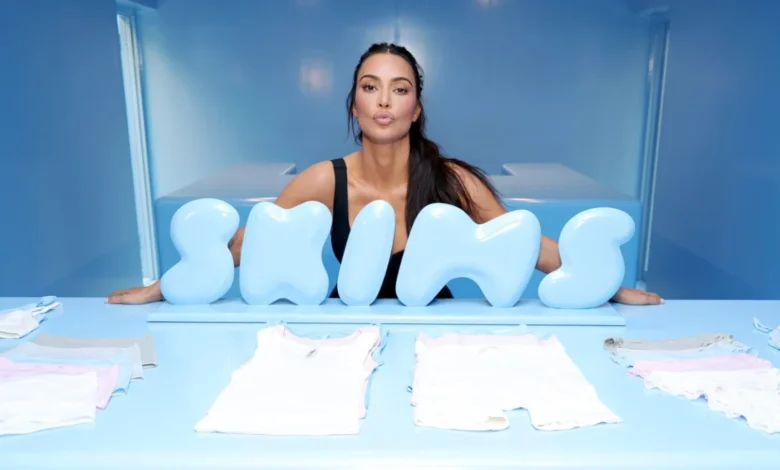
The intersection of luxury consumerism, influencer culture, and viral social media backlash culminated in a swift corporate retreat for Kim Kardashian’s shapewear and loungewear empire, Skims. Within days of launching its heavily promoted $148 holiday advent calendar, the brand faced a tidal wave of public criticism on platforms like TikTok and X (formerly Twitter). Consumers and prominent content creators alike slammed the product’s contents as underwhelming, frequently comparing the inexpensive trinkets inside to items found at discount retailers or left behind in couch cushions. The ensuing digital storm forced Skims to issue a rare and comprehensive refund offer to disgruntled buyers, exposing the fragile dynamic between high-priced celebrity merchandise and modern consumer scrutiny.
The Anatomy of a Viral Backlash
When Skims introduced its holiday collection on October 29, the brand included a 12-day advent calendar priced at $148. Designed to build excitement ahead of the winter holiday season, the product was marketed as a festive treat for brand loyalists. However, the true nature of the contents quickly became a point of contention once customers began opening the cardboard doors in early November.
On November 6, TikTok creator @wetsloppyswollen published a video documenting the contents of the calendar up to day eight. The video showcased a string of low-cost accessories: a teddy bear keychain, generic hair ties, satin scrunchies, a small foam Skims-branded toy, and multiple sets of bobby pins distributed across non-consecutive days. The revelation that basic bobby pins were repeated across separate windows drew sharp critique from viewers who felt the assortment lacked originality and monetary value.
The video struck a nerve, accumulating 65 million views in just three days. It opened the floodgates for a wave of unboxing videos from other high-profile beauty and lifestyle creators. Influencer Kayla Ryan, boasting a following of 1.6 million, publicly criticized the product, while others contrasted the Skims calendar unfavorably against similar holiday offerings from brands like P. Louise and H&M. Commenters on TikTok quickly coined satirical nicknames for the brand, temporarily replacing "Skims" with "Skams" as jokes about the contents circulating widely across the digital landscape.

Transparency vs. Public Expectation
Interestingly, the controversy did not stem from a lack of upfront disclosure. When the advent calendar originally dropped as part of the Skims Holiday Shop, the brand’s website provided a detailed breakdown of the contents under the "Fit & Fabric" dropdown menu. The list explicitly detailed that seven of the 12 days would feature hair accessories—including satin scrunchies, headbands made from bra elastic, and bobby pins—while four doors held keychains, a fuzzy compact mirror, and a small branded squishy toy.
Despite this transparency, a fundamental disconnect existed between technical compliance and consumer perception. While hardcore fans and defenders of Kim Kardashian argued that the calendar was marketed accurately as an accessories collection meant for brand enthusiasts, the broader social media ecosystem judged the product through the lens of value-for-money. For $148, consumers expected an elevated curation that justified the luxury price point. Instead, the viral consensus framed the calendar as an overpriced assortment of promotional swag that failed to deliver an experiential payoff worthy of the cost.
The Rapid Corporate Response
By November 8, just two days after the initial viral video gained massive traction, Skims management recognized the mounting PR crisis and formulated a corrective strategy. On November 9, a company representative issued an official statement to Entertainment Weekly acknowledging the consumer dissatisfaction.
"We understand that the calendar didn’t meet expectations," the Skims representative stated.
To mitigate further fallout, the company proactively reached out to every customer who had purchased the advent calendar. Skims offered consumers two distinct resolutions: they could either return the product for a full, no-questions-asked monetary refund, or keep the item while receiving an equivalent amount in store credit. Despite the controversy and subsequent financial remediation efforts, inventory data indicated that the advent calendar had completely sold out prior to the backlash, highlighting the undeniable commercial drawing power of the Kardashian-backed enterprise. Concurrently, the original product URL on the Skims website was redirected to the general accessories landing page, quietly removing the item from active circulation.

Broader Implications for Celebrity Brands and Influencer Marketing
The Skims advent calendar controversy serves as a valuable case study in the modern retail landscape, where the traditional boundaries between brand marketing and consumer advocacy have dissolved. In the era of TikTok and algorithmic discovery, unboxing videos function as independent product reviews that carry immense persuasive power. Brands can no longer rely solely on sleek marketing campaigns or celebrity endorsements to sustain consumer goodwill once a product reaches the hands of everyday buyers.
Furthermore, the incident underscores the unique vulnerabilities faced by celebrity-owned enterprises. When a brand’s identity is inextricably linked to a high-profile figure like Kim Kardashian, public missteps can quickly amplify into mainstream news cycles. While die-hard superfans are often willing to overlook perceived value discrepancies, the broader consumer market holds luxury and celebrity labels to an increasingly rigorous standard of accountability.
As companies continue to innovate with holiday packaging and seasonal novelty items, the Skims debacle offers a cautionary tale. Brands must carefully evaluate whether high-margin novelty products genuinely align with consumer expectations or risk alienating their core customer base. Moving forward, the lesson for retail executives is clear: in an economy driven by viral transparency, respecting the consumer’s investment is just as important as capturing their initial attention.