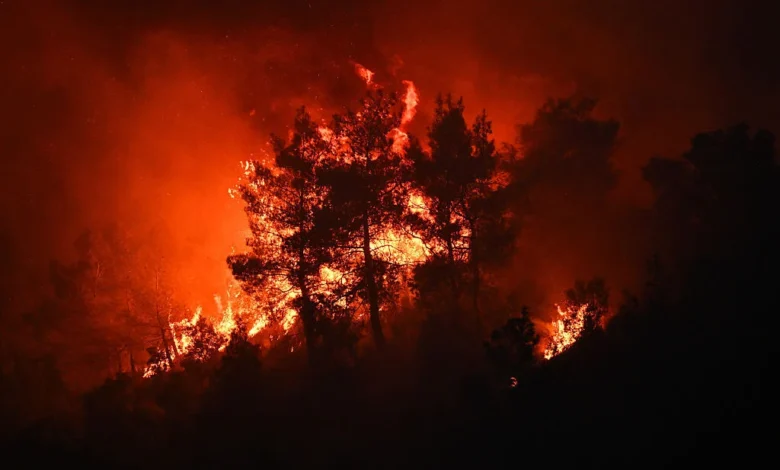
The study, published in the journal Cell Reports Sustainability and led by Professor Jianghao Wang of the Chinese Academy of Sciences, utilized a combination of mobile phone location data, regional lockdown order archives, and satellite-based fire detection to isolate the human footprint from the "background noise" of natural climate variability. By comparing the restricted mobility of the first half of 2020 against the historical baseline of 2013–2019, researchers were able to quantify a net 12.3 percent decrease in fire activity worldwide.
The Anatomy of a Natural Experiment
For decades, scientists have struggled to untangle the human influence on wildfire frequency. Fires are governed by complex "fire regimes"—the specific cycles of timing, frequency, intensity, and extent that characterize how ecosystems burn. Historically, these regimes are dictated by environmental conditions: rainfall patterns, drought cycles, wind speed, and fuel moisture content.
However, humans are both the arsonists and the guardians of these landscapes. We ignite fires through land-clearing, agricultural activities, and accidental recreation, while simultaneously suppressing them through firefighting, fuel management, and public policy. Under normal conditions, these variables are inextricably linked to the seasons; for example, sunny, dry weather encourages both human outdoor recreation and the physiological conditions required for a forest to burn.
The onset of the COVID-19 pandemic in early 2020 forced a global pivot in human behavior that was sudden, significant, and varied by region. Because different countries implemented lockdowns at different times—and because the weather patterns during those periods were independent of government mobility restrictions—the pandemic provided a unique, large-scale laboratory. Researchers tracked human movement using anonymized mobile phone data and monitored fire signatures through NASA’s Suomi NPP satellite, specifically using the VIIRS (Visible Infrared Imaging Radiometer Suite) sensor. This sensor, which captures heat signatures at a spatial resolution of 375 meters, allowed the team to track "active-fire detections" that might otherwise have been lost in the broader statistical data.
Statistical Breakdown: Where the Fire Faded
The research team discovered that the decline in fire activity was not uniform across all ecosystems. The most significant reductions occurred in forests, where fire detections dropped by approximately 27.7 percent during the height of the lockdowns. Grasslands saw a more moderate decline of 8.4 percent, while other ecosystems, including shrublands, savannas, and croplands, remained largely unaffected.
These findings suggest that human activity is a disproportionate driver of fire in forested regions compared to more open, arid landscapes. It is important to note, however, that these percentages represent a "net effect." Because the lockdowns simultaneously prevented people from accidentally starting fires while also potentially preventing them from managing or suppressing fires already in progress, the 12.3 percent figure represents the balance of those two competing human forces.
The process of adjusting for weather was a critical component of this study. Initially, the data showed a smaller, statistically insignificant drop in fire activity (5.8 percent). It was only after researchers rigorously controlled for local weather conditions—such as humidity, temperature, and wind—that the true impact of human behavior became apparent. This adjustment revealed that in 2020, if the weather had been significantly more favorable to fires than in previous years, it would have obscured the human-induced reduction, highlighting how easily climate data can mask the human hand in environmental changes.
The Paradox of Increased Fire in Certain Regions
While the global trend pointed toward a decrease, the research revealed a startling counter-trend in specific regions. Contrary to the global average, large swaths of South America, southern Africa, and northeast Asia experienced a marked increase in fire activity during the pandemic. In Colombia, for example, fire detections rose by 31.4 percent; India recorded a 25.4 percent increase; and Honduras saw a massive spike of 70.7 percent.
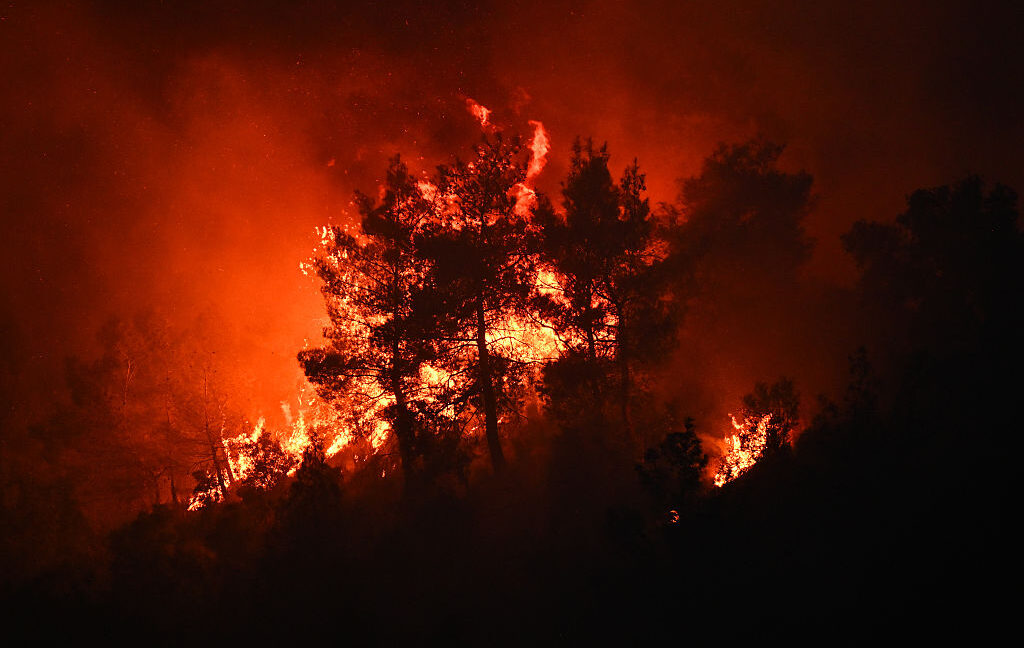
The research team hypothesized that this increase was primarily driven by a collapse in fire suppression and management capacity. In many of these regions, lockdowns disrupted the ability of authorities to patrol land, perform routine maintenance, or respond to small, incipient fires before they could grow into large-scale conflagrations. While the researchers acknowledged that this remains an inference rather than a direct observation, it aligns with previous studies in countries like Madagascar and Colombia, which have shown that weak land-management infrastructure directly correlates with increased fire frequency.
Furthermore, the study examined 12 countries that maintain formal records of "prescribed burning"—the intentional, controlled setting of fires to clear flammable brush and reduce the risk of future, larger fires. During the 2020 lockdowns, the total area subjected to prescribed burns in these countries decreased by approximately 50 percent. When researchers excluded these prescribed burn areas from their analysis, the decline in overall fire activity in those countries was significantly lower, confirming that the reduction in human-managed fires was a major factor in the final data.
Implications for Global Fire Policy
The findings presented by Wang and his colleagues carry significant implications for environmental policy. The study explicitly notes that there is no "one-size-fits-all" solution to managing wildfire risks. Instead, policy must be tailored to the specific human-fire relationship of a given region.
In areas where fire activity decreased due to a lack of human presence, the data suggests that human-driven ignition is the dominant factor. In these regions, public education campaigns, stricter enforcement of fire bans, and continued investment in managed, prescribed burning are essential tools to keep fire rates low. Conversely, in regions like Colombia or parts of India, where fire activity surged during periods of isolation, the data suggests that maintaining firefighting and patrol capacity is a critical, non-negotiable service, even during national emergencies or health crises.
The study also underscores the limitations of using "big data" in environmental science. While satellite monitoring and mobile phone tracking provide unprecedented insights, they are not without flaws. Mobile phone data, for instance, often fails to capture the movements of populations in rural or remote areas where network coverage is sparse. Similarly, the study’s focus on the first half of the year means that regions where fire season peaks in the late summer or autumn—such as the Western United States or parts of the Mediterranean—may not be fully represented in the final conclusions.
Conclusion: A New Framework for Fire Projection
As climate change continues to alter weather patterns, the predictability of fire regimes is becoming increasingly tenuous. The research published in Cell Reports Sustainability serves as a sobering reminder that while we cannot control the weather, we can influence the human behaviors that interact with it.
By integrating human behavioral data into fire-risk models, researchers and policymakers can develop more accurate projections that account for how society itself changes. Whether it is through urban planning, the management of agricultural fires, or the deployment of rapid-response firefighting teams, the evidence suggests that the human component of the fire equation is substantial. As we move toward a future of potentially hotter, drier, and more volatile conditions, understanding this human influence is no longer just a scientific endeavor—it is a necessity for the protection of communities and ecosystems worldwide.
The "natural experiment" of 2020 may have concluded, but the data it produced will likely serve as a cornerstone for fire management strategies for years to come, reminding us that in the complex dance between humanity and the environment, our footprint remains visible in the ash.