
How To Walk Safely In The Snow Ice And Slush
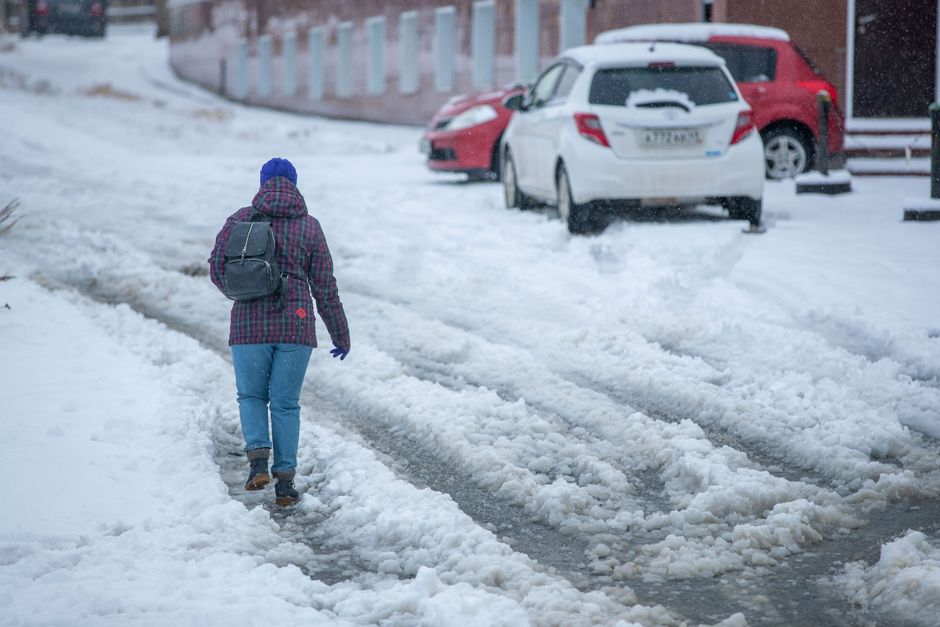
Mastering Winter Footing: A Comprehensive Guide to Walking Safely on Snow, Ice, and Slush
Navigating winter’s slippery terrain is a significant safety concern, leading to numerous preventable injuries. Understanding the unique challenges presented by snow, ice, and slush, and implementing proactive strategies, is paramount for maintaining balance and avoiding falls. This comprehensive guide details essential techniques, preparedness measures, and equipment choices to ensure confident and secure movement throughout the winter months. The primary objective is to equip individuals with the knowledge and practical advice to minimize the risk of slips, trips, and falls on hazardous winter surfaces, from icy sidewalks to slush-filled streets.
Understanding the Hazards: Snow, Ice, and Slush Dynamics
Snow, ice, and slush are distinct yet often intertwined hazards that demand specific approaches to safe traversal. Snow, particularly fresh, powdery snow, can offer some grip, but compacted snow, often found on well-tradden paths, becomes significantly more slippery. Ice, whether a transparent glaze on pavement or a layer of packed snow transformed by temperature fluctuations, represents the most treacherous condition. It offers virtually no friction, making even the slightest incline a serious risk. Slush, a mixture of snow and water, presents a dual threat: the water reduces friction on the underlying surface, while the uneven texture of the slush itself can cause stumbles and loss of balance. Furthermore, freezing rain can create a hard, glassy layer of ice that is incredibly difficult to detect and walk on. Understanding the visual cues of these conditions – shininess for ice, a damp appearance for slush, and varying textures for snow – is the first step in risk assessment. The density of snow, its moisture content, and the ambient temperature all contribute to its slipperiness. Ice formation often occurs when temperatures hover around freezing, with meltwater refreezing. This cycle of melting and refreezing is particularly insidious, as it can create a seemingly solid surface that is actually a thin, slick layer of ice. Awareness of weather forecasts, including temperature drops, precipitation, and preceding conditions (like heavy snowfall followed by a thaw), is crucial for anticipating potential hazards.
Strategic Walking Techniques for Winter Surfaces
Safe winter walking is not about speed; it’s about deliberate and controlled movement. The most fundamental technique is to shorten your stride. Longer strides, typical of casual walking, reduce the amount of time your foot is in contact with the ground and therefore decrease your stability. Short, deliberate steps allow for quicker adjustments and better weight distribution. Secondly, keep your center of gravity low. Imagine a slight bend in your knees and hips, as if you were about to sit down. This lower stance provides a more stable base and makes it easier to recover from a loss of balance. Third, walk with your feet pointed slightly outwards. This outward rotation, known as "duck footing," increases the surface area of your sole in contact with the ground and helps distribute your weight more evenly, providing a broader base of support. Fourth, use your arms for balance. Extend them slightly outwards from your body, like wings. This allows you to make small, corrective movements to regain equilibrium if you feel yourself slipping. Avoid swinging them vigorously, as this can actually destabilize you further. Fifth, scan the ground ahead. Actively look for potential hazards like icy patches, hidden potholes, or uneven surfaces. Don’t be mesmerized by your phone or distractions. Prioritize visual awareness of your path. Sixth, test uncertain surfaces before committing your full weight. When encountering an area that looks questionable, tap it with your foot gently to gauge its slipperiness before stepping on it fully. If it feels slick, find an alternative route or proceed with extreme caution. Seventh, walk on designated cleared paths whenever possible. Municipalities and property owners often clear sidewalks and pathways. Utilize these areas to minimize your exposure to untreated surfaces. If you must walk on snow or ice, aim for areas that appear to have more traction, such as packed snow rather than sheer ice. Eighth, avoid carrying heavy objects that obstruct your vision or arm movement. If you must carry bags, distribute the weight evenly and ensure they don’t impede your ability to use your arms for balance.
Footwear: The Foundation of Winter Safety
The right footwear is arguably the most critical factor in preventing winter falls. Investing in proper winter boots is not an extravagance; it’s a necessity for safe outdoor activity. Look for boots that offer:
- Superior Traction: This is non-negotiable. The outsole of your boots should be made of a rubber compound designed for cold-weather grip. Examine the tread pattern; deep, multi-directional lugs are ideal for digging into snow and ice. Brands known for their excellent traction include Vibram, Michelin, and specialized winter boot manufacturers. Avoid smooth-soled shoes or boots, as they offer minimal grip on slippery surfaces.
- Waterproofing and Insulation: Wet feet lead to cold feet, which can impair circulation and reduce dexterity, making you more prone to slips. Waterproof materials like Gore-Tex or proprietary waterproof membranes will keep your feet dry. Adequate insulation is also crucial to maintain warmth, which contributes to overall comfort and the ability to react quickly to changes in footing.
- Ankle Support: Boots that extend above the ankle provide crucial support, reducing the risk of ankle sprains or breaks if you do slip. The added stability helps lock your ankle in place, preventing it from twisting uncontrollably.
- A Secure Fit: Boots should fit snugly without being constricting. Too loose, and your foot will slide around inside, reducing your control. Too tight, and it can restrict circulation and lead to coldness. Ensure there’s enough room to wear appropriate winter socks.
Beyond Boots: Traction-Enhancing Accessories
For situations where your existing footwear lacks sufficient grip, or for temporary use on particularly icy days, traction-enhancing accessories are invaluable.
- Ice Grips/Traction Devices: These are rubber or silicone sleeves that fit over your existing shoes or boots and feature metal cleats or studs. They provide excellent grip on ice and packed snow. Brands like Stabilicers, YakTrax, and IceTread are popular and effective. They are easy to put on and take off, making them a convenient solution for unpredictable conditions.
- Cleats: Similar to ice grips, but often more robust, cleats are designed for more extreme conditions and can be attached to hiking boots or work boots. They offer the most aggressive traction for serious winter terrain.
- Salt and Sand: While not directly attached to footwear, strategically placed salt or sand on your path can significantly improve traction. Homeowners and businesses often use these materials to de-ice walkways. If you are walking in an area where they have been applied, stick to these treated areas.
Pre-Trip Preparation: Weather Awareness and Route Planning
Proactive preparation is a cornerstone of safe winter travel. Before stepping outside, consider the following:
- Check the Weather Forecast: Be aware of current and upcoming conditions. Pay attention to temperature, precipitation type (snow, rain, freezing rain), wind chill, and any advisories or warnings issued by meteorological services.
- Assess Current Conditions: If possible, look out a window or check local webcams to gauge the immediate slipperiness of your surroundings.
- Plan Your Route: If you have the option, choose routes that are likely to be cleared and maintained. Avoid areas known for poor drainage or where ice commonly forms. Consider walking during daylight hours when visibility is better.
- Inform Someone of Your Plans: For longer walks or in remote areas, let a friend or family member know your intended route and estimated return time.
- Dress Appropriately: Beyond footwear, wear layers of warm, water-resistant clothing. Layers allow you to adjust your insulation based on your activity level and the ambient temperature. Hats, gloves, and scarves are essential for protecting extremities from the cold.
Advanced Strategies and Considerations
- Walking Stick or Trekking Poles: For individuals with balance concerns, or for navigating particularly treacherous terrain, a walking stick or trekking poles can provide an additional point of contact with the ground, greatly enhancing stability. Ensure the pole has a rubber tip or a carbide spike for grip on icy surfaces.
- Slow and Steady Wins the Race: Emphasize patience. Rushing increases the likelihood of missteps and falls.
- Be Aware of Sun Glare on Ice: In bright sunshine, ice can be difficult to see, appearing as a wet patch. Be particularly cautious when the sun is low on the horizon.
- Children and the Elderly: These demographics are at higher risk of falls. Supervise children closely and ensure elderly individuals have access to appropriate footwear and aids.
- After a Fall: If you do fall, try to relax your body as much as possible to avoid landing awkwardly. If you suspect an injury, seek medical attention immediately.
By understanding the dynamics of winter weather, employing strategic walking techniques, investing in appropriate footwear, and practicing diligent preparation, individuals can significantly reduce their risk of injury and enjoy the winter season with greater confidence and safety. The key lies in a conscious and proactive approach to managing the inherent risks of snow, ice, and slush.
