
Ivory Coast Farmers Hope More Rain Sunshine Boost Cocoa Crop Growth
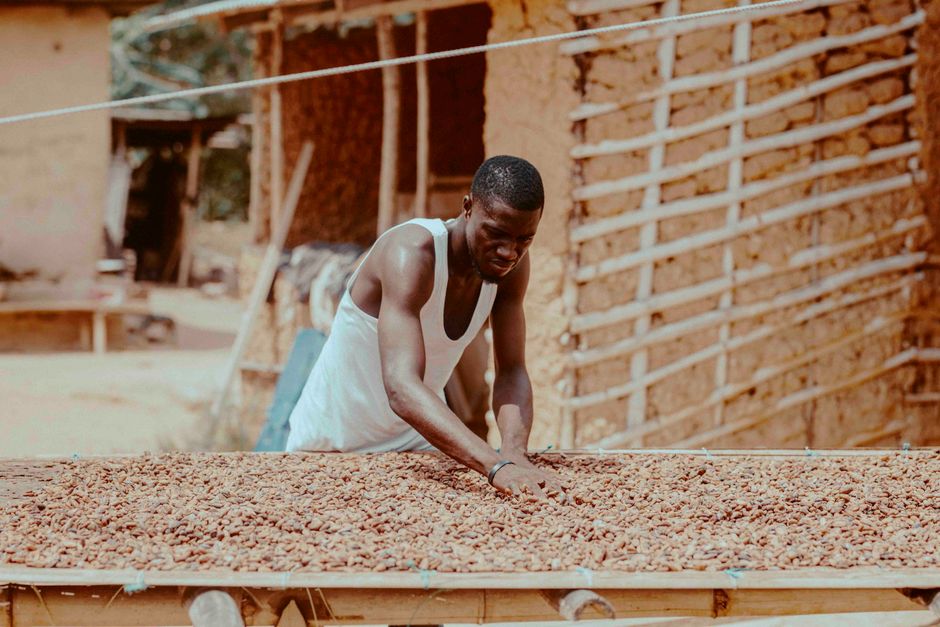
Ivory Coast Farmers Pin Hopes on Optimal Rainfall and Sunshine for Robust Cocoa Crop Growth
The agricultural heartland of Côte d’Ivoire, the world’s leading cocoa producer, is currently a landscape of hopeful anticipation as farmers meticulously monitor weather patterns, praying for a delicate balance of rainfall and sunshine to invigorate their prized cocoa plants. The success of the upcoming cocoa season, a critical determinant of national income and the livelihoods of millions, hinges significantly on these climatic variables. For generations, the rhythm of Côte d’Ivoire’s cocoa cultivation has been dictated by the heavens, and this year is no exception. Farmers are keenly aware that too much rain can lead to fungal diseases and hinder pollination, while insufficient precipitation stunts pod development and can cause premature fruit drop. Conversely, an abundance of sunshine is vital for photosynthesis, allowing the cocoa trees to convert sunlight into the energy needed for robust growth and the production of high-quality beans. The delicate dance between these two elements dictates the health of the plants, the size of the pods, and ultimately, the quantity and quality of the harvested cocoa. This year, a confluence of factors, including recent climate anomalies and the inherent susceptibility of cocoa to environmental shifts, has amplified the importance of favorable weather conditions.
The cocoa plant, scientifically known as Theobroma cacao, is a tropical evergreen requiring specific environmental conditions to thrive. Optimal temperatures typically range between 25°C and 30°C (77°F to 86°F), with humidity levels ideally above 80%. While these tropical temperatures are generally consistent in Côte d’Ivoire, the variability in rainfall poses the most significant challenge. The country experiences two distinct rainy seasons: a major one from April to July and a minor one from September to November. Interspersed between these are drier periods. Cocoa trees require consistent moisture, particularly during flowering and pod development. The major rainy season is crucial for establishing the young pods that will mature for the main harvest, while the minor rainy season contributes to the development of the mid-crop. Farmers strategically manage their farms, employing techniques like shade-tree planting to regulate sunlight and conserve soil moisture, but these practices can only mitigate, not eliminate, the impact of extreme weather. The current forecasts, influenced by global climate models and regional meteorological data, suggest a potentially variable distribution of rainfall. This variability creates a palpable sense of uncertainty amongst farmers, who often rely on traditional knowledge passed down through generations, coupled with modern weather advisories, to make critical decisions about planting, fertilization, and pest management. The economic implications of a poor harvest are profound, extending beyond individual farm gate prices to impact export revenues, government spending on infrastructure and social programs, and the overall stability of the national economy.
The current concerns stem from several interconnected factors. Global climate change is increasingly contributing to unpredictable weather patterns worldwide, and Côte d’Ivoire is not immune. This can manifest as longer and more intense dry spells, or conversely, periods of excessive rainfall leading to flooding and soil erosion. Furthermore, the cyclical nature of cocoa production means that the cumulative effects of past weather events can influence the current season’s potential. For instance, a severe drought in the previous year might have weakened trees, making them more vulnerable to disease and less capable of producing a substantial crop even with improved rainfall this year. Farmers are also grappling with the ongoing challenges of aging cocoa trees, which are often less productive and more susceptible to pests and diseases. While there are ongoing efforts by the government and international organizations to promote the replanting of old farms with hybrid varieties that offer higher yields and greater resilience, these initiatives take time to bear fruit. Therefore, the immediate reliance remains on optimizing the conditions for the existing trees, and that optimization is fundamentally weather-dependent. The visual cues on the farms are closely watched: the vibrancy of the leaves, the development of the flower cushions, and the initial formation of young pods are all indicators that farmers use to assess the early prospects of their crop.
The role of sunshine in cocoa cultivation is equally critical and intertwined with rainfall. Cocoa trees, while preferring dappled sunlight, require adequate solar radiation for efficient photosynthesis. This process is the engine that drives plant growth, flower production, and the development of nutrient-rich pods. During periods of heavy cloud cover, even with sufficient rainfall, photosynthesis can be reduced, leading to slower growth and smaller, less developed pods. Farmers understand this balance intuitively. They know that a sunny spell following a period of good rain is ideal for maturing the pods. The warmth from the sun helps to break down complex carbohydrates into sugars, which are then transported to the developing beans, contributing to their size and oil content. Conversely, prolonged periods of intense, unmitigated sunshine during very dry spells can scorch leaves and damage young pods, leading to dehydration and potential loss. This is where the role of shade trees becomes paramount. These larger trees, strategically planted within cocoa farms, create a microclimate that buffers the cocoa plants from the harshest sun and wind, while still allowing sufficient light to penetrate. However, even the best shade management systems are strained during extreme weather events. The hope is for a gentle, consistent pattern: enough rain to keep the soil moist and support healthy vegetative growth, followed by ample sunshine to fuel the development of the cocoa pods.
The economic consequences of a bountiful or meager cocoa harvest are far-reaching. Côte d’Ivoire’s economy is heavily reliant on cocoa exports, which contribute significantly to foreign exchange earnings and government revenue. A strong cocoa season translates into higher incomes for farmers, increased purchasing power in rural communities, and a positive impact on the national GDP. Conversely, a poor harvest can lead to reduced farmer incomes, increased poverty in rural areas, and a strain on the national budget. This economic vulnerability underscores the critical importance of favorable weather conditions for the sustainability of the sector. The global demand for cocoa remains robust, driven by the confectionery industry and the growing popularity of chocolate products worldwide. This consistent demand means that any disruption in supply from Côte d’Ivoire, due to adverse weather or other factors, can have a ripple effect on global cocoa prices and chocolate availability. Therefore, the success of the Ivory Coast’s cocoa farmers is not just a local issue; it has international implications for consumers and businesses alike.
Modern agricultural practices and technologies are being increasingly integrated into cocoa farming in Côte d’Ivoire, but they cannot fully compensate for unfavorable climatic conditions. These advancements include improved disease and pest management techniques, better fertilization strategies, and access to weather forecasting information. The Cocoa Research Institute of Côte d’Ivoire (CRCI) plays a vital role in developing and disseminating research findings and improved cultivation methods. However, the fundamental reliance on nature remains. Farmers are encouraged to adopt climate-smart agriculture techniques, such as agroforestry, which integrates trees into their farming systems, providing ecological benefits and economic diversification. Water conservation methods, like mulching and the use of drought-resistant varieties, are also being promoted. Despite these efforts, the immediate future of the cocoa crop is inextricably linked to the whims of the weather. The ongoing efforts to diversify the rural economy and reduce over-reliance on cocoa are important long-term strategies, but for the current generation of farmers, the prospect of a good harvest hinges on the rainfall and sunshine in the coming months.
The psychological and social impact of weather-dependent farming on cocoa communities is also significant. The constant uncertainty and reliance on factors beyond their control can create stress and anxiety. Farmers invest considerable labor and resources into their farms, and a poor harvest can have devastating consequences for their families’ well-being, including access to education, healthcare, and food security. Community networks and social support systems are vital in mitigating these challenges, but a widespread poor harvest can strain these resources. The hope for good weather is therefore not just an economic aspiration; it is a deeply human one, representing the prospect of stability, prosperity, and a better future for themselves and their children. The visual landscape of the cocoa farms, with their lush green canopies and developing pods, represents not just agricultural output but the culmination of hard work and the embodiment of hope for thousands of families. The coming weeks will be a critical period, as the interactions between rainfall and sunshine will determine the fate of the much-anticipated cocoa crop, and by extension, the economic fortunes of Côte d’Ivoire.
