
Lets Build A Traditional City And Make A Profit
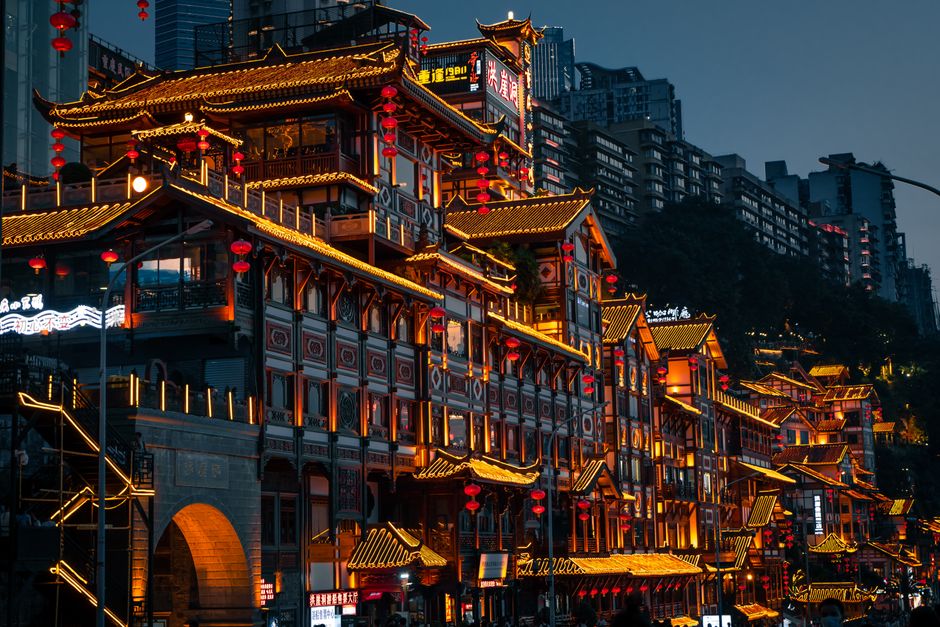
Building a Profitable Traditional City: A Strategic Blueprint
The resurgence of interest in traditional urban planning, often characterized by walkability, mixed-use development, and distinct architectural styles, presents a significant economic opportunity. This article outlines a comprehensive strategy for developing a new traditional city with a primary objective of generating substantial profit. It moves beyond aesthetic appeal to focus on the underlying economic drivers, sustainable growth, and long-term value creation that underpin such an undertaking. The core principle is that a well-designed, functionally efficient, and desirable traditional city inherently possesses strong market appeal, attracting residents, businesses, and visitors who are willing to pay a premium for its unique qualities. Profitability is achieved through a multi-faceted approach encompassing land acquisition and value appreciation, strategic development of diverse revenue streams, efficient infrastructure management, and the cultivation of a robust local economy.
The initial phase, crucial for long-term profitability, revolves around strategic land acquisition. Identifying a parcel of land that offers a balance of accessibility, natural beauty, and potential for growth is paramount. Proximity to existing transportation networks, major employment centers, or desirable natural features (rivers, coastlines, rolling hills) significantly reduces initial infrastructure investment and immediately enhances the perceived value of the land. The ideal site will allow for the planned expansion and density necessary to support a vibrant urban core without compromising the aesthetic principles of traditional design. Acquiring sufficient acreage is critical to accommodate not only the initial build-out but also future phases of expansion and the development of essential amenities that will attract and retain residents. Early acquisition at a lower per-acre cost is a foundational element for maximizing profit margins as the city develops and land values escalate. This also provides the developer with greater control over the urban form and ensures that development adheres to the established traditional design guidelines. Understanding local zoning laws and proactively engaging with planning authorities to secure necessary approvals for a comprehensive traditional development plan is a non-negotiable prerequisite.
The core of the profit generation strategy lies in the multi-modal approach to development and revenue. This encompasses residential, commercial, retail, and hospitality sectors, meticulously integrated to create a self-sustaining ecosystem. Residential development should target a range of income levels, from starter homes to luxury residences, all adhering to the traditional architectural vernacular. This diversity ensures a broad customer base and caters to different life stages and financial capacities. The inherent desirability of a traditional city – its perceived safety, sense of community, and aesthetic appeal – commands higher property values and rental rates compared to generic suburban sprawl. Commercial and retail spaces should be strategically located to serve the resident population and attract external demand. High-street retail, office buildings, and specialized service providers (doctors, lawyers, artisans) will form the economic backbone. The integration of these uses, a hallmark of traditional urbanism, reduces commute times and fosters a vibrant street life, further enhancing property desirability and economic activity.
Hospitality is another significant profit driver. Boutique hotels, inns, and serviced apartments, designed in harmony with the city’s aesthetic, will cater to both leisure and business travelers drawn to the unique experience offered by a traditional city. Restaurants, cafes, and entertainment venues will contribute to the city’s vibrancy and create demand for retail and residential spaces. The synergistic relationship between these sectors is vital; a thriving retail scene supports the hospitality industry, which in turn brings visitors who patronize local businesses, creating a virtuous cycle of economic growth. Profitability is amplified through a combination of direct sales of developed properties, ongoing rental income from commercial and residential units, and revenue generated from city-managed services and amenities. Furthermore, the potential for significant capital appreciation of the developed land and properties over time represents a substantial long-term profit.
Infrastructure development, while an upfront cost, is a critical investment that underpins long-term profitability. The focus must be on high-quality, sustainable, and efficient systems. This includes well-designed road networks that prioritize pedestrian and cyclist movement, integrated public transportation systems (trams, buses), and robust utility networks (water, sewer, power, high-speed internet). The traditional urban form, with its denser development and mixed uses, inherently leads to more efficient infrastructure per capita. Reducing reliance on private vehicles through excellent walkability and public transport lowers individual household expenses and contributes to a higher quality of life, making the city more attractive. Furthermore, implementing smart city technologies for traffic management, waste disposal, and energy consumption can optimize operational costs and enhance resident experience, indirectly boosting property values and demand. The financial model should incorporate long-term maintenance and upgrade plans for all infrastructure, ensuring its continued efficiency and value. Investing in green infrastructure, such as permeable paving, bioswales, and urban forestry, not only enhances the aesthetic appeal but also provides ecological benefits and reduces stormwater management costs.
The economic engine of a traditional city is driven by fostering a diverse and robust local economy. This involves strategic incentives for attracting businesses that align with the city’s character and economic goals. This could include preferential lease rates for independent retailers and artisans, tax abatements for businesses that create local jobs, and support for incubators and co-working spaces to foster entrepreneurship. The presence of a vibrant business community, beyond retail and hospitality, is essential. Attracting knowledge-based industries, creative firms, and specialized manufacturing can provide high-paying jobs, drawing a skilled and affluent population. The mixed-use zoning inherent in traditional urbanism naturally encourages this diversification by placing residential areas in close proximity to employment centers. Furthermore, the unique character of the city can be a powerful branding tool, attracting businesses that seek a distinctive and inspiring work environment. Organizing regular events, festivals, and farmers’ markets will further stimulate economic activity, draw visitors, and strengthen community bonds, all of which contribute to the city’s overall desirability and profitability.
A significant, and often overlooked, profit center lies in the management and monetization of public spaces and amenities. Parks, plazas, waterfronts, and community centers, when designed and maintained to a high standard, become significant assets. These spaces can generate revenue through event rentals, concessions, and the licensing of space for public art installations or seasonal markets. The aesthetic appeal of a well-maintained public realm directly enhances the value of surrounding private properties. Furthermore, the creation of unique cultural institutions – museums, galleries, performance venues – can draw significant visitor numbers and create revenue streams through ticket sales, memberships, and gift shops. The perceived quality of life offered by a city’s amenities is a major factor in attracting residents and businesses, thus indirectly driving up property values and demand. Implementing a tiered system for access or premium experiences within these public spaces can also be considered as a revenue-generating strategy, ensuring that these amenities remain profitable and well-maintained for the benefit of all.
Long-term financial sustainability and profit maximization are achieved through a disciplined approach to ongoing operations and strategic reinvestment. This involves efficient municipal services, including public safety, waste management, and urban maintenance, all delivered at a cost-effective level. The denser, mixed-use nature of traditional cities typically leads to lower per-capita service delivery costs compared to sprawling developments. Property taxes, levied on the continually appreciating property values, will form a stable and growing revenue base for the city. Beyond taxes, implementing user fees for certain services, such as parking, permits, and recreational facilities, can further contribute to municipal revenue. A portion of the profits generated from development should be strategically reinvested back into the city. This reinvestment can take various forms: upgrading public infrastructure, enhancing public spaces, supporting local businesses, or investing in educational and cultural institutions. Such reinvestment not only improves the quality of life for residents but also further enhances the city’s attractiveness and property values, creating a compounding effect on profitability.
The pricing strategy for real estate and commercial leases must reflect the premium associated with living and operating within a well-executed traditional city. This premium is justified by the enhanced quality of life, reduced commute times, superior walkability, and the intangible benefits of a strong sense of community and aesthetic appeal. Market research must inform pricing, ensuring that it remains competitive within the broader regional market while capturing the unique value proposition of the traditional city. Implementing phased development allows for price adjustments based on market demand and increasing desirability as the city matures. Early phases might offer slightly more aggressive pricing to attract initial residents and businesses, thereby building momentum. Subsequent phases can then capitalize on the established success and increased demand. The developer must also explore creative financing models, such as public-private partnerships, to leverage external capital and de-risk the development process, ultimately enhancing profitability. This could involve joint ventures for specific infrastructure projects or the creation of special economic zones that offer additional incentives for targeted industries.
Furthermore, the establishment of a strong brand identity and a compelling narrative for the traditional city is a critical element for attracting investment and residents, thus fueling profitability. The narrative should emphasize the unique blend of historical charm, modern convenience, and a commitment to community and sustainability. This brand will be leveraged across all marketing and communication efforts, from initial land sales to ongoing tourism promotion. A dedicated marketing team will be responsible for showcasing the city’s amenities, highlighting successful businesses, and promoting its distinctive lifestyle. This proactive approach to branding ensures that the city remains top-of-mind for potential residents and businesses, creating sustained demand and contributing to long-term profitability. This brand also allows for the development of merchandise and licensing opportunities, further diversifying revenue streams.
The development of a robust governance structure is essential for ensuring the long-term success and profitability of the traditional city. This includes establishing clear zoning regulations that strictly enforce the traditional design guidelines, creating a streamlined permitting process for developers and businesses, and implementing effective municipal management. A dedicated urban planning department will oversee the implementation of the master plan, ensuring that all development adheres to the established vision and architectural standards. This meticulous attention to detail in urban form and function is what differentiates a successful traditional city from a mere aesthetic imitation. Financial transparency and accountability within the municipal government will build trust with residents and investors, fostering a stable environment for continued economic growth. The ability to adapt to changing market conditions while remaining true to the core principles of traditional urbanism will be key to sustained profitability and the creation of a lasting, valuable asset.
The long-term profitability of a traditional city is not solely derived from initial development sales. A crucial element is the ongoing generation of recurring revenue streams through the development and management of the city’s infrastructure, public services, and commercial enterprises. This includes managing utility services, public transportation, waste management, and the operation of city-owned assets such as convention centers or cultural venues. Implementing user fees, permits, and specialized service charges can contribute significantly to municipal revenue. Moreover, the continuous growth in property values, driven by sustained demand and the city’s enduring desirability, provides a consistent base for property tax revenue. A portion of this recurring revenue should be strategically reinvested into further enhancing the city’s amenities, infrastructure, and economic development initiatives. This creates a positive feedback loop, where reinvestment leads to improved quality of life and economic opportunities, which in turn attracts more residents and businesses, further driving up property values and revenue. This cyclical approach ensures sustained profitability and the creation of a truly enduring urban asset.
Ultimately, building a profitable traditional city is an exercise in strategic foresight, disciplined execution, and a deep understanding of market dynamics. It is about creating a place that is not only aesthetically pleasing but also functionally efficient, economically vibrant, and highly desirable to live and work in. By focusing on land acquisition, diversified revenue streams, efficient infrastructure, robust economic development, and strong governance, developers can unlock significant profit potential while simultaneously creating a legacy of enduring urban value. The commitment to traditional urbanism, with its inherent emphasis on human scale, walkability, and mixed-use vitality, provides a unique and powerful foundation for achieving these ambitious financial objectives. The long-term appreciation of land values, coupled with consistent revenue generation from a thriving urban ecosystem, ensures a robust and sustainable profit trajectory for years to come.
