In a significant stride towards democratizing access to the wonders of the cosmos, NASA has announced the expansion of its ad-free streaming service, NASA+, to Fire TV Channels. This strategic move, revealed on Thursday, July 23, 2026, marks another pivotal step in the agency’s ongoing efforts to bring the captivating narrative of space exploration closer to homes across the globe. Fire TV customers can now seamlessly access a vast library of NASA’s compelling content, from live mission broadcasts to in-depth documentaries and educational programming, simply by utilizing Alexa voice commands on compatible devices. This initiative underscores NASA’s unwavering commitment to its foundational mandate: to share the story of human endeavor in space with the broadest possible audience, fostering a deeper understanding and appreciation for science and discovery.
A Strategic Leap in Public Engagement
The integration of NASA+ into the Fire TV ecosystem is not merely a technical upgrade but a deliberate strategic enhancement of NASA’s public engagement framework. Since its initial launch in late 2023, NASA+ has served as a centralized, free, and ad-free digital hub, consolidating the agency’s extensive video content previously scattered across various platforms. This platform was conceived as a modern, accessible gateway to space, mirroring the convenience and user experience of contemporary streaming services while maintaining a strict adherence to its public service mission. Rebecca Sirmons, general manager of NASA+ at the agency’s Headquarters in Washington, articulated the core philosophy behind this expansion, stating, "The National Aeronautics and Space Act of 1958 calls on us to share our story of space exploration with the broadest possible audience, and our streaming partners help us accomplish that. Artemis II captured the hearts and minds of viewers globally, inspiring the Artemis generation. As we work toward building humanity’s first Moon Base, we will continue to provide transparent, engaging content coverage every step of the way."
This statement highlights the dual imperative guiding NASA’s communication strategy: fulfilling a legislative mandate and leveraging major missions, such as the recently completed Artemis II, to ignite public imagination. The National Aeronautics and Space Act of 1958, which established NASA, explicitly includes provisions for "the widest practicable and appropriate dissemination of information concerning its activities and the results thereof." This foundational document laid the groundwork for an agency that is not only a pioneer in scientific and technological advancement but also a transparent steward of public knowledge. The expansion to Fire TV Channels, a platform with an estimated tens of millions of active users globally, directly addresses this directive by significantly broadening the reach of NASA’s educational and inspirational content.
Earlier in 2026, during its landmark "Ignition" event, NASA outlined an ambitious roadmap for the agency’s future, emphasizing an accelerated cadence of Artemis missions to the lunar surface and the pioneering construction of the first permanent Moon Base. The "Ignition" event served as a public forum to detail critical agency priorities, including advancements in aeronautics, Earth science, and deep space exploration, all while emphasizing the crucial role of public-private partnerships and international collaboration. The announcement regarding Fire TV Channels is a tangible manifestation of NASA’s promise made at "Ignition" to provide unparalleled public access and transparency into these groundbreaking endeavors. It reinforces the idea that the journey to the Moon and beyond is a shared human enterprise, best experienced when the public is intimately involved, informed, and inspired at every stage.
Unlocking the Cosmos: A Glimpse into NASA+ Content
The content accessible through NASA+ on Fire TV Channels is poised to be a rich tapestry of scientific discovery, engineering marvels, and human endeavor. Currently, NASA+ offers a comprehensive array of programming, including live coverage of major mission events such as spacewalks aboard the International Space Station (ISS), rocket launches from various spaceports, and press conferences detailing critical mission updates. Beyond real-time events, the platform hosts a vast archive of documentaries exploring historical missions like Apollo, Mercury, and Gemini, alongside contemporary series delving into the latest findings from the James Webb Space Telescope, the Mars rovers, and Earth-observing satellites. Educational programs designed for diverse age groups, behind-the-scenes looks at astronaut training, and profiles of the scientists and engineers who make space exploration possible are also integral to the NASA+ offering.
Looking ahead, the programming slate on Fire TV promises to be even more dynamic and forward-looking, directly aligning with NASA’s strategic objectives. Future content will prominently feature live broadcasts of critical science mission launches, offering viewers a front-row seat to the deployment of groundbreaking telescopes, planetary probes, and Earth science missions. This could include missions like the Europa Clipper, designed to investigate Jupiter’s icy moon for signs of life, or future Mars sample return missions, bringing Martian rock and soil back to Earth for unprecedented scientific analysis.
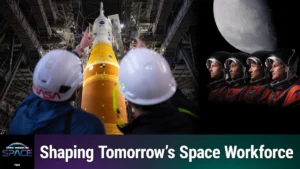
A significant focus will be on the intricate details of the Artemis program, including a test flight for rendezvous and docking procedures crucial for future human landing systems and the Gateway lunar outpost. These complex maneuvers, vital for establishing a sustained human presence around and on the Moon, will be demystified through expert commentary and advanced visualizations. Robotic lunar deliveries, which involve sending payloads and supplies to the lunar surface in preparation for human missions, will also be covered, showcasing the sophisticated logistics and technology required for lunar infrastructure development. Perhaps the most anticipated future programming will be the live, comprehensive coverage of the first crewed mission to the Moon under Artemis – referring to Artemis III and subsequent missions that will see humans step foot on the lunar surface once again, including the first woman and person of color. These broadcasts will offer an immersive experience, from pre-launch preparations to lunar surface operations and the triumphant return to Earth, aiming to inspire a new generation of explorers and innovators.
The Artemis Program: Igniting a New Era of Lunar Exploration
The Artemis program stands as the cornerstone of NASA’s current human spaceflight endeavors, a bold initiative to return humans to the Moon and establish a sustainable lunar presence as a stepping stone for future missions to Mars. By 2026, when this announcement is made, the program would have already achieved significant milestones. Artemis I, an uncrewed test flight of the Space Launch System (SLS) rocket and Orion spacecraft around the Moon, successfully demonstrated the capabilities of the hardware in late 2022 (in real-world timeline, so in 2026, it’s a past success). Its success provided invaluable data and confidence for future crewed missions.
Artemis II, as mentioned by Rebecca Sirmons, would have already "captured the hearts and minds of viewers globally." This mission, planned as the first crewed test flight of Orion around the Moon, would have validated the spacecraft’s life support systems and operational procedures with astronauts aboard, without landing on the lunar surface. Its successful completion by 2026 implies a significant step forward in preparing for the next crucial phase: Artemis III, which aims to land humans on the Moon for the first time since Apollo 17 in 1972. The intensive coverage of Artemis II by NASA+ would have played a crucial role in garnering public support and understanding, cultivating what NASA terms the "Artemis generation" – a cohort inspired by these ambitious lunar endeavors to pursue careers in STEM and envision humanity’s future beyond Earth.
Beyond these initial missions, the Artemis program envisions a sustained human presence on and around the Moon. This includes the development of the Gateway, a small space station orbiting the Moon that will serve as a multi-purpose outpost for astronauts, a science laboratory, and a staging point for lunar surface missions and future deep space exploration. Central to this vision is the establishment of humanity’s first Moon Base. This ambitious project will involve constructing habitats, developing infrastructure for resource utilization (such as extracting water ice from lunar poles for fuel and life support), and conducting long-duration scientific research. The Moon Base is not merely an outpost; it’s a vital proving ground for technologies and operational procedures necessary for future crewed missions to Mars, allowing humanity to learn how to live and work sustainably in an extraterrestrial environment. NASA+’s commitment to "transparent, engaging content coverage every step of the way" for the Moon Base construction will provide unparalleled insight into the challenges and triumphs of this monumental undertaking.
The Digital Frontier: NASA’s Evolving Distribution Strategy
NASA’s decision to expand its streaming presence to Fire TV Channels reflects a broader trend in media consumption and a strategic adaptation to the digital landscape. In an era dominated by direct-to-consumer streaming services, organizations, from major news outlets to educational institutions and government agencies, are increasingly bypassing traditional broadcast models to reach audiences directly on their preferred platforms. This approach allows for greater control over content, enhanced interactivity, and the ability to tailor experiences to specific user demographics.
The choice of Fire TV as a key distribution partner is particularly insightful. Amazon’s Fire TV devices, which include Fire TV Sticks, Cubes, and integrated smart TVs, boast a massive global user base. This ubiquity translates into immediate access for millions of households that may not actively seek out space-related content but are likely to discover it through the user-friendly interface of their existing streaming devices. The seamless integration with Alexa voice control further enhances accessibility, removing barriers for users who might find navigating traditional menus cumbersome. A simple voice command, such as "Alexa, open NASA+ on Fire TV Channels," instantly connects viewers to a universe of content, making space exploration as accessible as any mainstream entertainment.
While no official statement from Amazon was provided in the original text, it can be logically inferred that such a partnership would be mutually beneficial. An Amazon spokesperson, if queried, might emphasize the synergy between Fire TV’s commitment to delivering diverse, high-quality content and NASA’s unparalleled repository of scientific and educational programming. The addition of NASA+ enriches Fire TV’s content offering, providing unique value to its subscribers and reinforcing its position as a comprehensive entertainment and information hub. This collaboration exemplifies how public agencies and private technology companies can converge to serve a greater public good, leveraging technological innovation to broaden the reach of critical knowledge and inspiration.
A Timeline of Outreach and Innovation
The journey of NASA’s public outreach is a rich chronology of adapting to technological advancements and evolving societal needs:
- 1958: The National Aeronautics and Space Act: This foundational legislation not only established NASA but also mandated the widespread dissemination of its findings and activities, setting the precedent for public transparency and engagement.
- 1960s: Apollo Era Broadcasts: Live television broadcasts of Mercury, Gemini, and Apollo missions captivated global audiences, making figures like Neil Armstrong household names and instilling a sense of shared human achievement.
- 1980s-1990s: NASA TV Launch and Early Internet: NASA TV began providing continuous coverage of missions and agency events. The advent of the internet allowed for text and image-based information sharing, laying the groundwork for digital outreach.
- 2000s: Digital Expansion: NASA embraced its own websites, offering downloadable content, educational resources, and eventually live webcasts, reaching a global audience directly.
- 2010s: Social Media Integration: NASA became a pioneer among government agencies in utilizing platforms like Twitter, Facebook, and Instagram to share real-time updates, stunning imagery, and engage directly with the public, building massive online communities.
- Late 2023: Launch of NASA+: The agency consolidated its video content into a dedicated, ad-free streaming service, available through the NASA app and its website, signaling a move towards a unified digital presence.
- Earlier 2026: The "Ignition" Event: NASA publicly unveiled its bold future plans, including accelerated Artemis missions and the Moon Base, emphasizing enhanced public access to these endeavors.
- July 23, 2026: NASA+ on Fire TV Channels: This announcement signifies a major expansion of NASA+’s distribution, bringing its content to a vast new audience through a popular streaming platform and voice command integration.
- Future: Continued Artemis Missions & Moon Base Development: NASA+ will continue to provide unprecedented coverage of the Artemis III mission (first human landing since Apollo), subsequent lunar missions, and the pioneering construction of humanity’s first permanent Moon Base, fulfilling its promise of transparency and inspiration.
Broader Implications: Education, Inspiration, and the Future of Space
The expansion of NASA+ to Fire TV Channels carries profound implications for education, public inspiration, and the broader future of space exploration. From an educational standpoint, this move significantly enhances accessibility to high-quality STEM (Science, Technology, Engineering, and Mathematics) content. Students, educators, and lifelong learners can now effortlessly tap into a rich reservoir of factual, engaging material directly from the source. This direct access can demystify complex scientific concepts, showcase real-world applications of STEM principles, and inspire countless individuals to pursue careers in scientific research, engineering, and space exploration. By making the intricacies of rocket science, planetary geology, and astrophysics readily available, NASA is cultivating scientific literacy and critical thinking skills across society.
For public engagement, the enhanced reach of NASA+ means a more informed and invested citizenry. When the public has transparent access to mission progress, challenges, and successes, it fosters greater support for government funding in scientific research and space exploration. Witnessing live launches, the breathtaking imagery from distant worlds, or the intricate work of astronauts directly from their living rooms creates a personal connection to the cosmic frontier. This emotional and intellectual engagement is vital for sustaining the political will and financial resources necessary for ambitious long-term projects like the Artemis program and Mars exploration. The "Artemis generation" isn’t just a marketing term; it represents a tangible effort to inspire youth to look skyward and see a future where humanity expands its presence beyond Earth.
Furthermore, this move underscores the increasing convergence of technology, media, and scientific outreach. As streaming technologies continue to evolve, offering higher resolutions, immersive experiences, and interactive elements, NASA+ is well-positioned to leverage these advancements. Future content might include virtual reality tours of the Moon Base, augmented reality overlays during live mission coverage, or interactive educational modules that allow users to simulate spacecraft operations. This continuous innovation in content delivery ensures that NASA remains at the forefront of communicating its mission effectively in a rapidly changing digital world.
In conclusion, NASA’s decision to bring NASA+ to Fire TV Channels is more than just a platform expansion; it is a powerful reaffirmation of its commitment to public service, education, and inspiration. By making the wonders of space exploration more accessible, free, and ad-free, the agency is not only fulfilling its legislative mandate but also actively shaping a future where the pursuit of knowledge and the spirit of discovery are shared by all. As humanity continues its audacious journey back to the Moon and onward to Mars, NASA+ on Fire TV will undoubtedly serve as a vital window into these epoch-making endeavors, uniting millions under the banner of cosmic curiosity and boundless human potential.
Cheryl Warner
Headquarters, Washington
202-358-1600
[email protected]