Nissan Expands Performance Electric Lineup With The Official Launch Of The 2027 Leaf Nismo In Japan

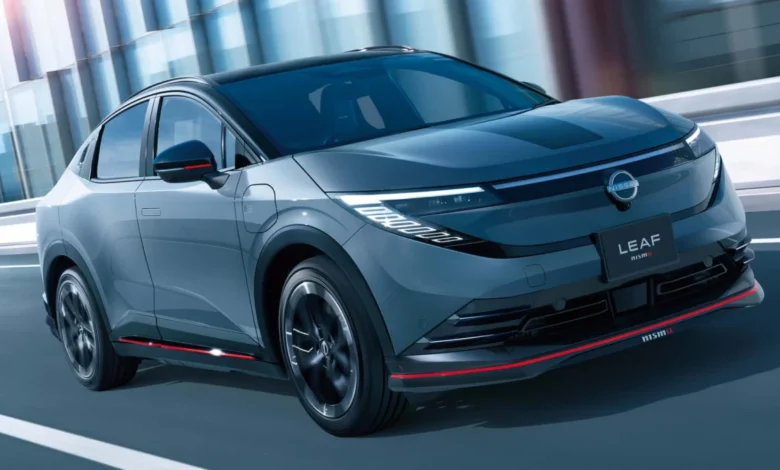
The Japanese automaker has officially unveiled the 2027 Nissan Leaf Nismo, marking a significant step in the company’s broader strategy to electrify its performance sub-brand and broaden the appeal of its electric vehicle (EV) portfolio. While the concept of a performance-oriented Leaf may initially seem counterintuitive to those who view the model solely as a sensible commuter car, this latest iteration represents the culmination of a strategy that began in 2018. By applying the Nismo treatment to the Leaf, Nissan is signaling that the transition to electric mobility does not necessitate the abandonment of driving dynamics or aggressive styling. The new model, which has launched initially in the Japanese domestic market, introduces a suite of aerodynamic, chassis, and interior enhancements designed to provide a more engaging experience without fundamentally altering the vehicle’s core identity as a practical hatchback.
The Strategic Expansion of the Nismo Sub-Brand
The debut of the 2027 Leaf Nismo is not an isolated event but rather a key component of Nissan’s ambitious "The Arc" business plan. Under this initiative, Nissan aims to double its Nismo-branded lineup to a total of 10 distinct models in the coming years. This aggressive expansion is intended to drive a significant increase in annual sales for the performance division, with a target of growing from the current 100,000 units to 150,000 units by the end of the 2028 fiscal year.
Historically, the Nismo badge was reserved for bona fide sports cars like the Skyline GT-R and the Z-car series. However, in recent years, Nissan has successfully democratized the brand by applying its engineering expertise to a wider range of vehicles, including the Armada and Patrol full-sized SUVs, as well as the Rogue (known as the X-Trail in international markets). The Leaf Nismo joins the Ariya Nismo in a growing stable of electric performance vehicles, proving that Nissan sees a clear market for "sporty" EVs that offer more than just straight-line acceleration.
Aerodynamic Refinements and Exterior Styling
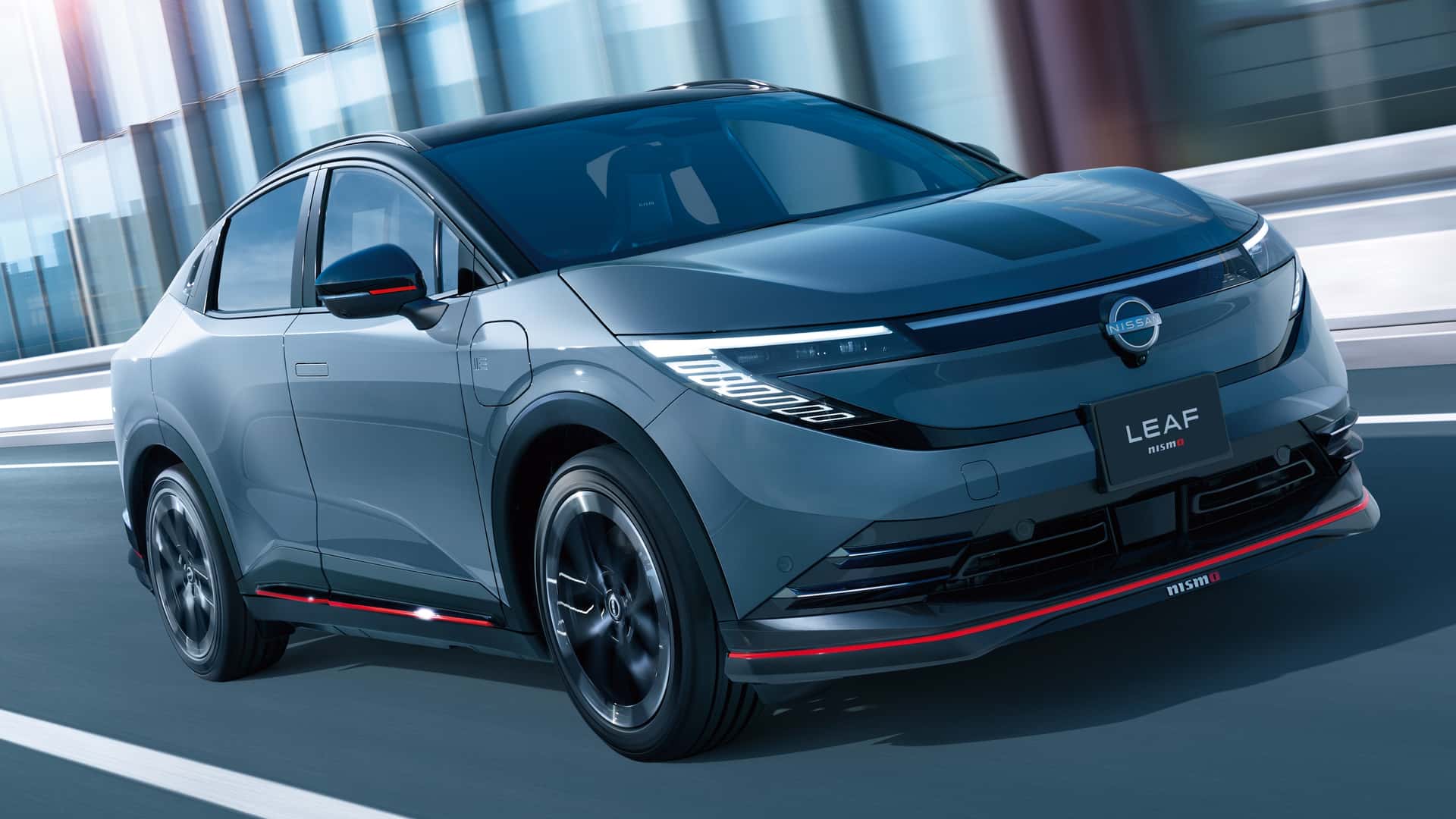
The 2027 Leaf Nismo distinguishes itself from the standard model through a comprehensive aesthetic and aerodynamic overhaul. The most striking change is the inclusion of a "beefier" body kit that emphasizes a lower, wider stance. This kit includes a redesigned front bumper with integrated splitters and a rear fascia that features an extended ducktail spoiler. According to Nissan’s engineering team, these modifications are not merely cosmetic; they have been meticulously tested in wind tunnels to reduce drag and increase downforce at higher speeds, thereby improving stability during spirited driving.
One of the more nuanced design choices involves the lighting. Despite being the flagship of the Leaf range, the Nismo version retains the regular taillights found on the base model, rather than adopting the Z-inspired horizontal LED units found on mid-tier trims. To compensate, the vehicle features signature Nismo red accents along the side skirts and bumpers, providing a visual link to the rest of the Nismo family. The exterior package is rounded out by a set of 19-inch Enkei wheels, which are exclusive to the Nismo trim. These wheels are not only lighter than the standard offerings—reducing unsprung weight for better suspension response—but also feature a multi-spoke design that aids in brake cooling.
Interior Upgrades and Driver-Centric Ergonomics
Inside the cabin, the 2027 Leaf Nismo receives several upgrades aimed at elevating the tactile experience for the driver. The most notable addition is the option for Recaro front seats. These seats are specifically engineered to provide greater lateral support, holding the driver and front passenger firmly in place during cornering. Beyond their functional benefits, the Recaro seats also contribute to a weight reduction of approximately 44 pounds (20 kilograms), though they are currently only available for models equipped with the larger 75-kWh battery pack.
The driver interacts with a steering wheel wrapped in high-quality synthetic leather, designed to mimic the premium feel of Nappa leather. A red "12 o’clock" marker is stitched into the top of the rim, a traditional motorsport cue that helps drivers quickly identify the wheel’s orientation during rapid maneuvers. The Nismo branding is prominently displayed on the center console, and the digital instrument cluster has been updated with unique graphics. These visual cues serve as a constant reminder that this is the range-topping performance variant, differentiating it from the more utilitarian versions of the Leaf found in fleet or entry-level configurations.
Mechanical Enhancements and Chassis Engineering
While many manufacturers focus solely on increasing horsepower for their performance models, Nissan has taken a more holistic approach with the Leaf Nismo by focusing on handling and ride quality. The vehicle inherits specialized hardware from the X-Trail Nismo, specifically the swing valve-equipped shock absorbers. These advanced dampers allow for more precise control over the fluid flow within the shock, enabling the suspension to be supple over minor road imperfections while remaining firm and composed during aggressive cornering.
Further chassis refinements include upgraded springs and stabilizers, which work in tandem with revised suspension bushes to reduce body roll. The 19-inch Enkei wheels are wrapped in Michelin Pilot Sport 5 tires (235/45 R19). These tires are widely regarded in the industry for their exceptional grip in both wet and dry conditions, providing the necessary traction to make the most of the Leaf’s instant electric torque. Additionally, Nissan’s engineers have recalibrated the vehicle’s "Sport" mode. The software tuning results in a sharper throttle response, allowing for more immediate power delivery when the driver demands it.
Powertrain Specifications and Battery Options
Perhaps the most surprising aspect of the 2027 Leaf Nismo is the lack of a power increase over the standard long-range models. In the Japanese market, the Leaf Nismo is offered with a front-mounted electric motor available in two distinct output levels. The entry-level Nismo configuration produces 174 horsepower and 254 lb-ft (345 Nm) of torque. For those seeking more urgency, the higher-output version delivers 214 horsepower and 261 lb-ft (355 Nm) of torque.
Weight remains a critical factor in the Leaf’s performance equation. In its lightest configuration—equipped with the 52-kWh battery pack—the Leaf Nismo tips the scales at 4,012 pounds (1,820 kilograms). Opting for the larger 75-kWh battery pack adds approximately 220 pounds (100 kilograms) to the total mass. While the larger battery increases the vehicle’s range and allows for the fitment of the Recaro seats, the added weight does place additional demands on the braking and suspension systems, which is why the mechanical upgrades mentioned previously are so vital to the Nismo’s value proposition.
Pricing and Market Availability
The 2027 Nissan Leaf Nismo is currently available for order in Japan, with a pricing structure that reflects its position as the flagship of the lineup. The base Nismo model with the 52-kWh battery starts at 6,601,100 yen, which translates to approximately $40,500 based on current exchange rates. Moving up to the 75-kWh battery pack increases the price to 6,952,000 yen (roughly $42,600). For enthusiasts who want the full performance experience, the 75-kWh model equipped with the optional Recaro seats is priced at 7,227,000 yen (approximately $44,300).
As of the official launch, Nissan has not confirmed plans to bring the Leaf Nismo to North American or European markets. However, industry analysts suggest that a global rollout is highly likely. Given Nissan’s stated goal of increasing Nismo sales by 50,000 units annually by 2028, the company will need to leverage its international dealer networks to reach that target. Furthermore, as the current generation of the Leaf nears the end of its life cycle, a Nismo "final edition" or flagship variant would serve as a strong marketing tool to maintain interest in the model before its eventual successor arrives.
Chronology of the Leaf and the Nismo Legacy
To understand the importance of the 2027 Leaf Nismo, one must look at the timeline of Nissan’s electric journey. The original Nissan Leaf debuted in 2010 as the world’s first mass-market, all-electric five-door hatchback. It was a pioneer that proved EVs could be viable daily drivers. In 2018, following the launch of the second-generation Leaf, Nissan introduced the first Nismo version. This early performance attempt was largely cosmetic but set the stage for the more mechanically substantive 2027 model.
Over the last decade, the EV landscape has shifted from a niche segment focused on efficiency to a mainstream market where performance is a key differentiator. Competitors like the Hyundai Ioniq 5 N and the Tesla Model 3 Performance have raised consumer expectations for what an electric car can do. By continuing to iterate on the Leaf Nismo, Nissan is ensuring it remains relevant in a segment it helped create, even as it prepares for a future where almost every model in its lineup will have some form of electrification.
Analysis of Implications and Future Outlook
The launch of the Leaf Nismo carries several implications for the automotive industry and Nissan’s brand perception. First, it demonstrates that "sportiness" in the electric era is becoming as much about software tuning and chassis refinement as it is about raw horsepower. By focusing on the "swing valve" shocks and Michelin tires rather than a larger motor, Nissan is appealing to driving enthusiasts who value handling precision over spec-sheet bragging rights.
Second, the expansion of the Nismo brand into the EV space is a calculated risk. There is a danger of diluting the Nismo name if the performance gains are perceived as too incremental. However, if Nissan can successfully convince buyers that a Nismo-badged Leaf offers a tangibly better driving experience than the standard car, it opens up a lucrative revenue stream of high-margin performance variants.
Finally, the 2027 Leaf Nismo serves as a bridge. As Nissan moves toward a future dominated by the Ariya and upcoming electric crossovers, the Leaf remains a vital entry point for many consumers. Providing a performance flagship for the Leaf range ensures that the model goes out on a high note, reinforcing Nissan’s reputation as a company that can blend its historical racing heritage with the requirements of a sustainable future. Whether the Leaf Nismo eventually reaches global shores remains to be seen, but its existence is a clear indicator that for Nissan, the "Nismo-ification" of the electric world is only just beginning.