
No Way Restart Zaporizhzhia Nuclear Plant Present Iaea Chief Says
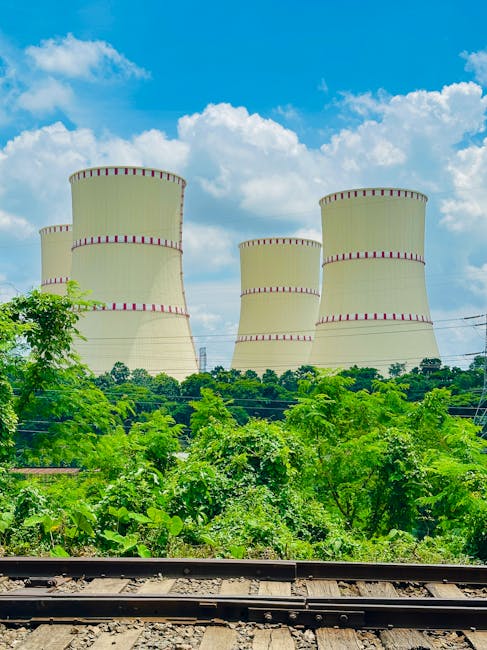
No Way Restart Zaporizhzhia Nuclear Plant, IAEA Chief States: A Deep Dive into the Crisis
The Zaporizhzhia Nuclear Power Plant (ZNPP), Europe’s largest, has become a focal point of global concern due to its precarious situation amidst the ongoing conflict in Ukraine. The International Atomic Energy Agency (IAEA), the UN’s nuclear watchdog, has repeatedly warned of the severe risks associated with the plant’s operation under military occupation. Most recently, IAEA Director General Rafael Mariano Grossi has unequivocally stated that there is "no way" the Zaporizhzhia Nuclear Power Plant can be safely restarted under the current circumstances. This declaration is not merely a technical assessment but a stark pronouncement on the profound dangers that threaten nuclear safety and security in a war zone, with far-reaching implications for regional and global stability.
Grossi’s assertion stems from a comprehensive assessment of the ZNPP’s operational readiness and the pervasive security challenges. The plant, occupied by Russian forces since March 2022, has been subjected to intermittent shelling and has experienced prolonged periods of disconnection from the external power grid – a critical lifeline for maintaining the cooling systems of its six reactors and spent fuel pools. The IAEA has consistently documented a deteriorating situation, highlighting issues such as damaged infrastructure, a lack of essential spare parts, insufficient personnel with the requisite expertise for safe operation, and a constant threat of direct military action impacting the facility. Restarting any nuclear reactor, let alone one located in an active combat zone with compromised infrastructure and under duress, requires meticulous planning, rigorous safety protocols, and a stable, secure environment. These conditions are demonstrably absent at ZNPP. The IAEA’s position underscores the fundamental principle of nuclear safety: that operations must be guided by technical imperatives and safety standards, not by the exigencies of military occupation or geopolitical agendas.
The technical complexities of restarting a nuclear power plant are immense, even under ideal conditions. Each of the six reactors at Zaporizhzhia is a VVER-1000 pressurized water reactor, a design that, while robust, necessitates stringent maintenance and operational procedures. Restarting a reactor involves a multi-stage process, including fuel loading, system checks, and gradual power ascension, all of which require highly specialized personnel, reliable power supply, and a stable physical environment. The ZNPP has been in a state of "cold shutdown" or "hot shutdown" for extended periods, meaning its nuclear fuel has been removed or its reactors are not operating at power. Re-energizing these reactors after such prolonged inactivity introduces a new set of challenges, including the potential for equipment degradation and the need for extensive recalibration and testing. Furthermore, the plant’s ability to supply its own power needs, a crucial safety feature, has been severely compromised due to damage to its external power lines. The reliance on auxiliary diesel generators, while a backup, is a temporary and finite solution that cannot sustain prolonged operation.
The security environment surrounding ZNPP is the primary impediment to any restart, as articulated by Grossi. The plant’s proximity to the front lines, its occupation by armed forces, and the recurrent shelling in its vicinity create an unacceptable level of risk. The IAEA has established a permanent presence at the site, but their mandate is observation and assessment, not operational control. They cannot guarantee the security of the plant or its personnel. The potential for a catastrophic accident, even a partial core meltdown or a release of radioactive material from spent fuel pools, would have devastating consequences, not only for Ukraine but for neighboring countries and potentially beyond. The IAEA’s concern is not theoretical; it is grounded in the physical reality of a nuclear facility operating under the constant threat of warfare. The presence of military equipment and personnel within the plant perimeter further exacerbates these risks, creating a scenario where a miscalculation or accidental detonation could have immediate and severe repercussions.
The ZNPP’s current status as a de facto "dead zone" in terms of safe operational restart is a direct consequence of the military conflict. Russia’s occupation has transformed the plant from a vital energy producer into a constant source of nuclear anxiety. The IAEA has repeatedly called for the establishment of a nuclear safety and security protection zone around the plant, a proposal that has yet to materialize due to political disagreements and the ongoing hostilities. Such a zone would aim to demilitarize the immediate surroundings of the plant, ensuring that it is not a target or a staging ground for military operations, and allowing for the safe restoration of critical infrastructure and the unimpeded access of IAEA experts. Without such a zone, any attempt to restart the reactors would be an act of extreme recklessness, multiplying the potential for a nuclear disaster.
The IAEA’s pronouncement also has significant implications for international nuclear safety norms and the role of international organizations in managing nuclear risks during conflicts. The ZNPP situation has tested the limits of the IAEA’s authority and its ability to influence the behavior of parties to a conflict when nuclear facilities are involved. Grossi’s clear and unambiguous statement serves as a powerful reminder that nuclear safety cannot be compromised for strategic or military advantage. It underscores the universal responsibility to protect nuclear installations and prevent their use as instruments of war or targets, regardless of the geopolitical context. The international community, through organizations like the IAEA, has a vested interest in ensuring that nuclear materials and facilities are managed safely and securely at all times.
The occupied status of the plant and the lack of direct Ukrainian control over its operations further complicate any consideration of a restart. Ukraine, as the sovereign owner of the facility, is responsible for its safe operation. However, under Russian occupation, Ukraine is denied this responsibility and the ability to implement its own safety protocols. This creates a critical governance gap, where decisions regarding the plant’s status are made by an occupying force that lacks the necessary expertise, accountability, and international legitimacy to ensure nuclear safety. The IAEA’s position implicitly rejects any unilateral decision by the occupying power to restart the reactors, as such a decision would be made without the consent and oversight of the legitimate Ukrainian authorities and the international community’s primary nuclear watchdog.
The economic and energy implications of the ZNPP’s non-operational status are also substantial. Prior to the full-scale invasion, the plant was a significant contributor to Ukraine’s electricity grid, providing a stable and substantial source of power. Its continued shutdown, coupled with damage to other energy infrastructure across Ukraine, has placed immense pressure on the country’s energy sector, particularly during the harsh winter months. However, the pursuit of energy security cannot come at the expense of nuclear safety. The risks associated with restarting ZNPP under current conditions far outweigh any potential energy benefits. The international community is actively supporting Ukraine in diversifying its energy sources and repairing its damaged infrastructure, but these efforts are being conducted with the paramount consideration of safety and security.
The IAEA’s persistent advocacy for a safety zone and its clear warnings about the impossibility of safely restarting Zaporizhzhia Nuclear Power Plant under current conditions are crucial. They aim to raise global awareness of the grave dangers and to exert diplomatic pressure on all parties involved to de-escalate the situation around the plant. The international community must continue to support the IAEA’s efforts to monitor the situation, facilitate dialogue, and advocate for measures that would enhance the safety and security of ZNPP and other nuclear facilities in conflict zones. The stakes are incredibly high, and the consequences of a nuclear incident at Zaporizhzhia would be catastrophic and long-lasting, impacting human health, the environment, and global security. The unequivocal statement from the IAEA chief is not an end to the discussion but a critical juncture, highlighting the urgent need for a cessation of hostilities and the establishment of conditions that would allow for the safe management and eventual deactivation of the plant, prioritizing the well-being of humanity and the planet above all else. The path forward for Zaporizhzhia, as per the IAEA, lies not in a risky restart, but in demilitarization and the implementation of robust international safety and security protocols.
